





How to choose the right PETG material
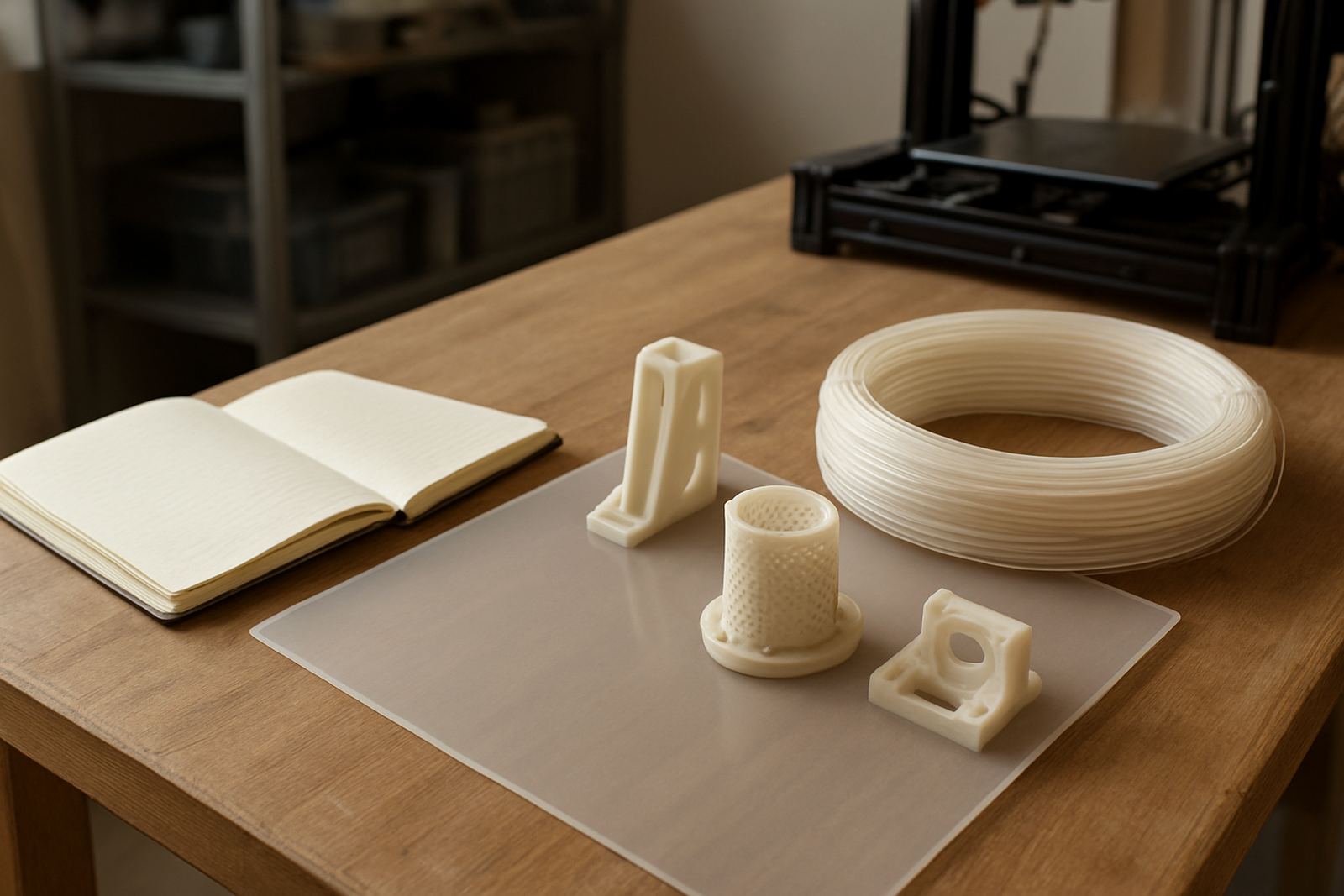
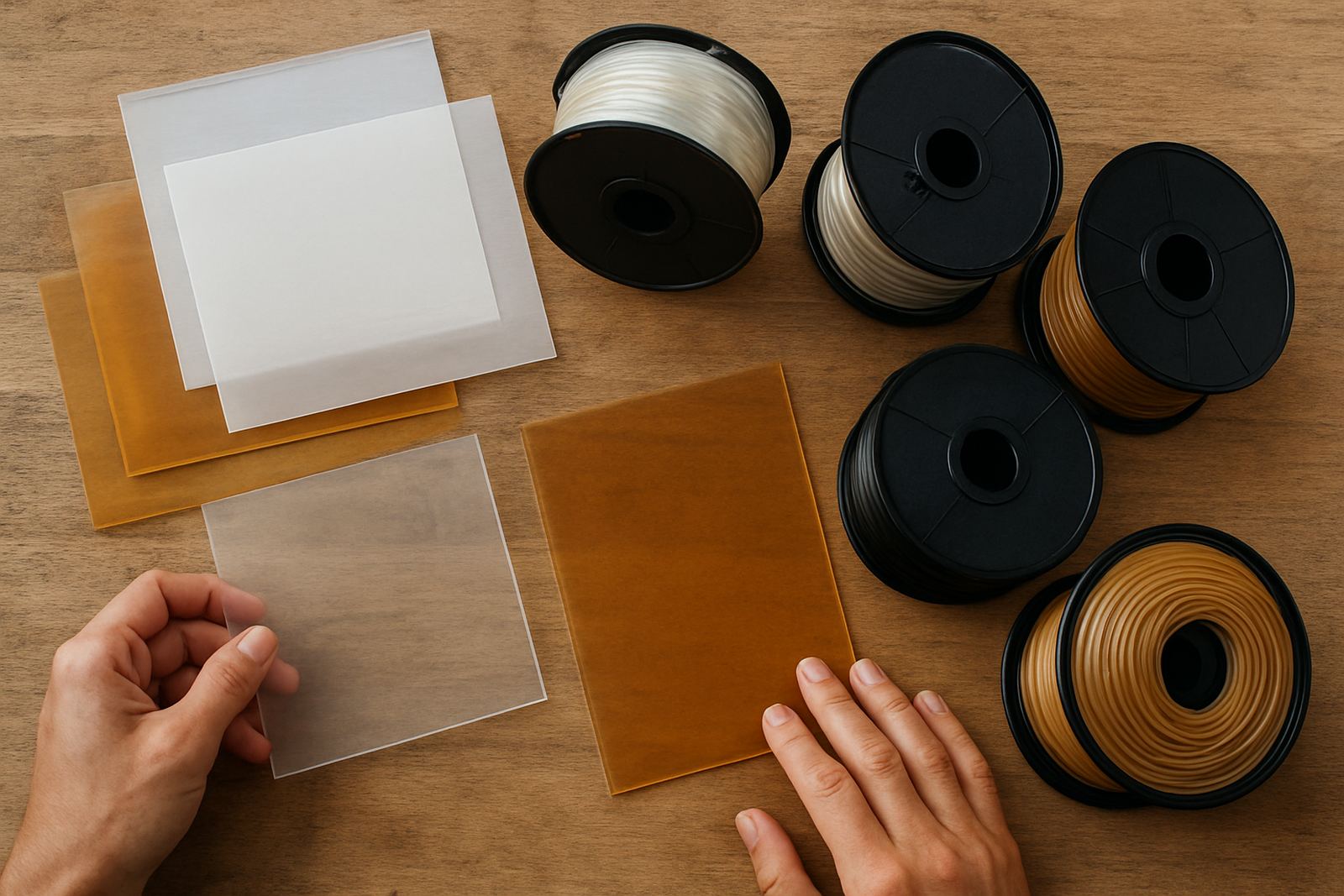
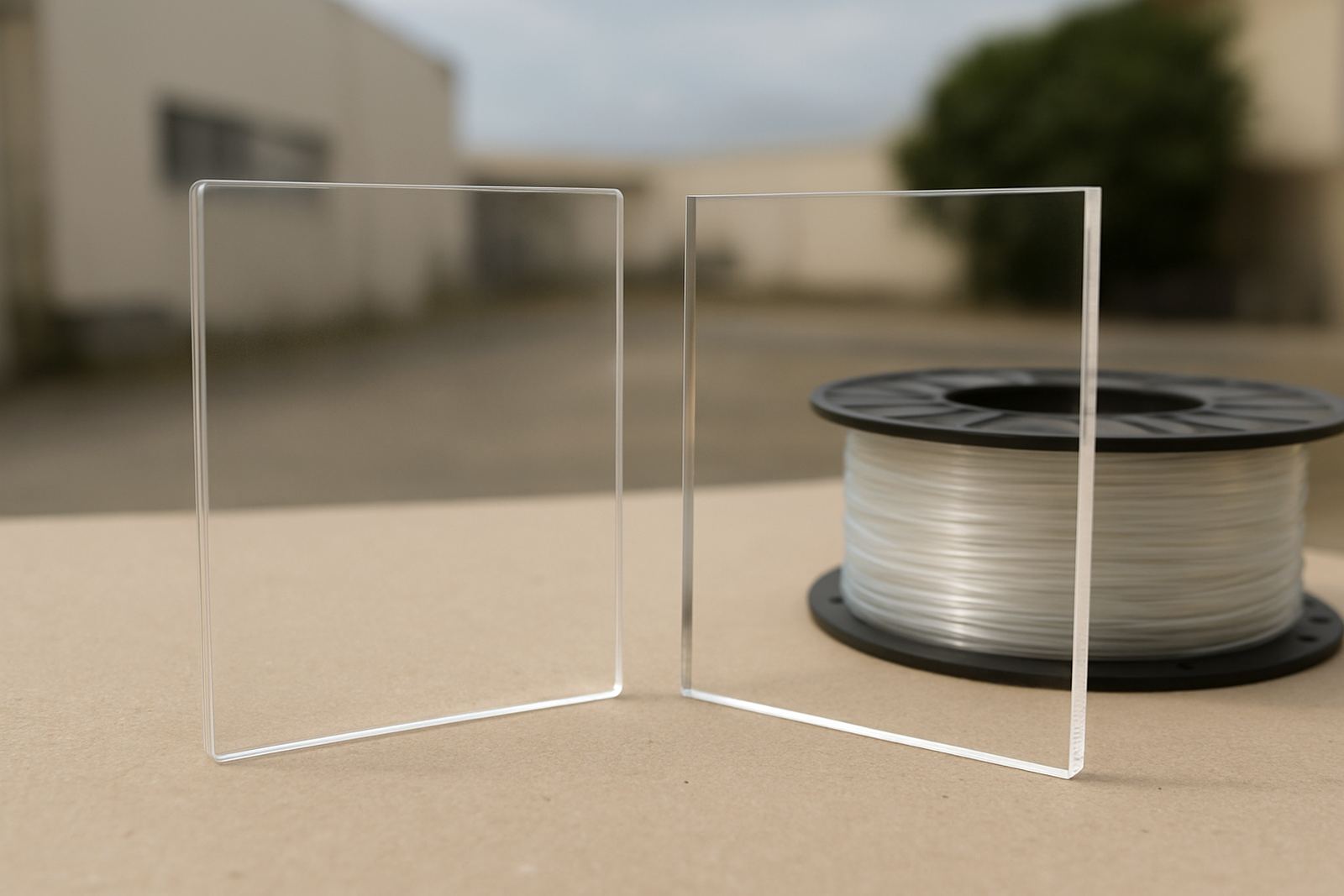
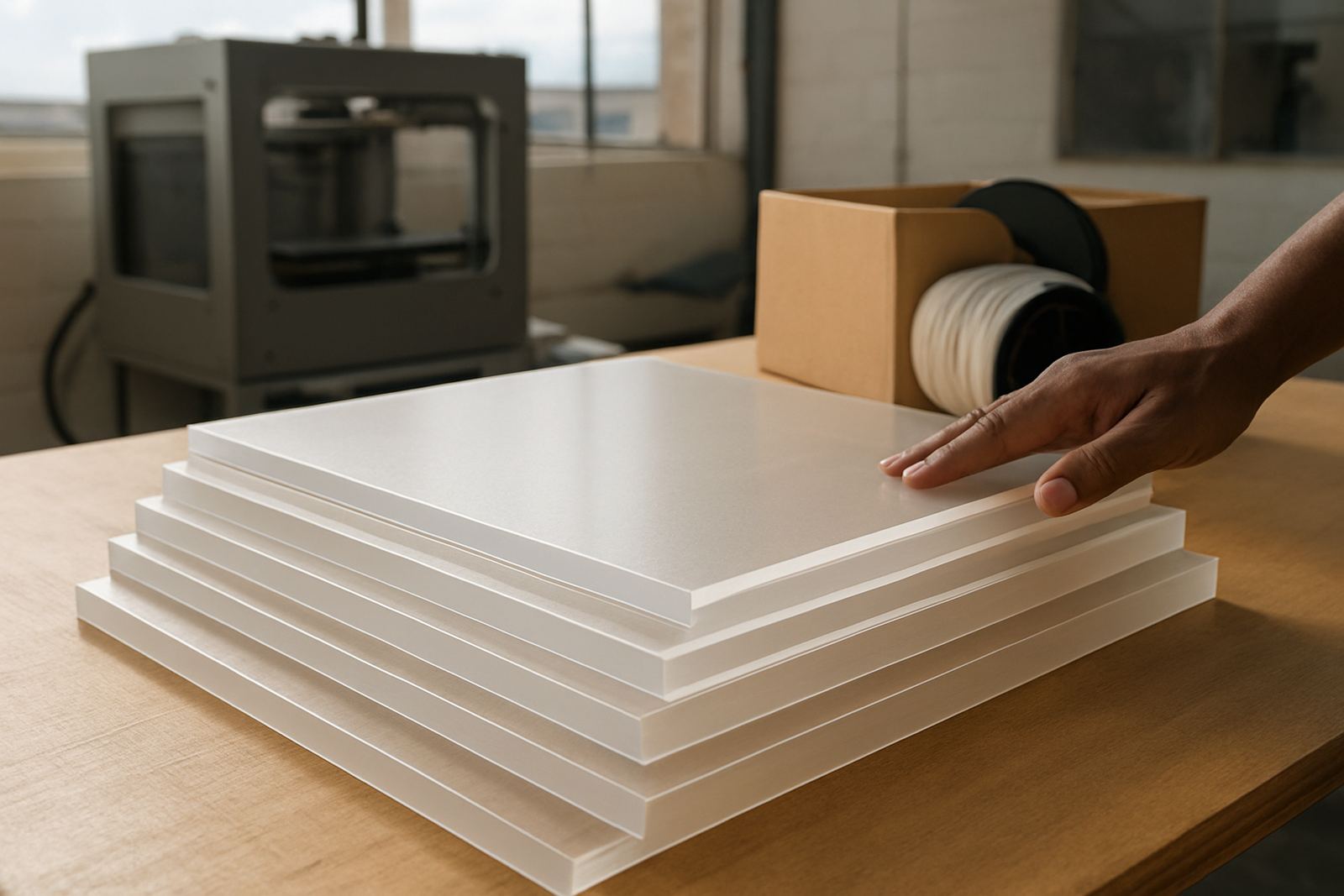
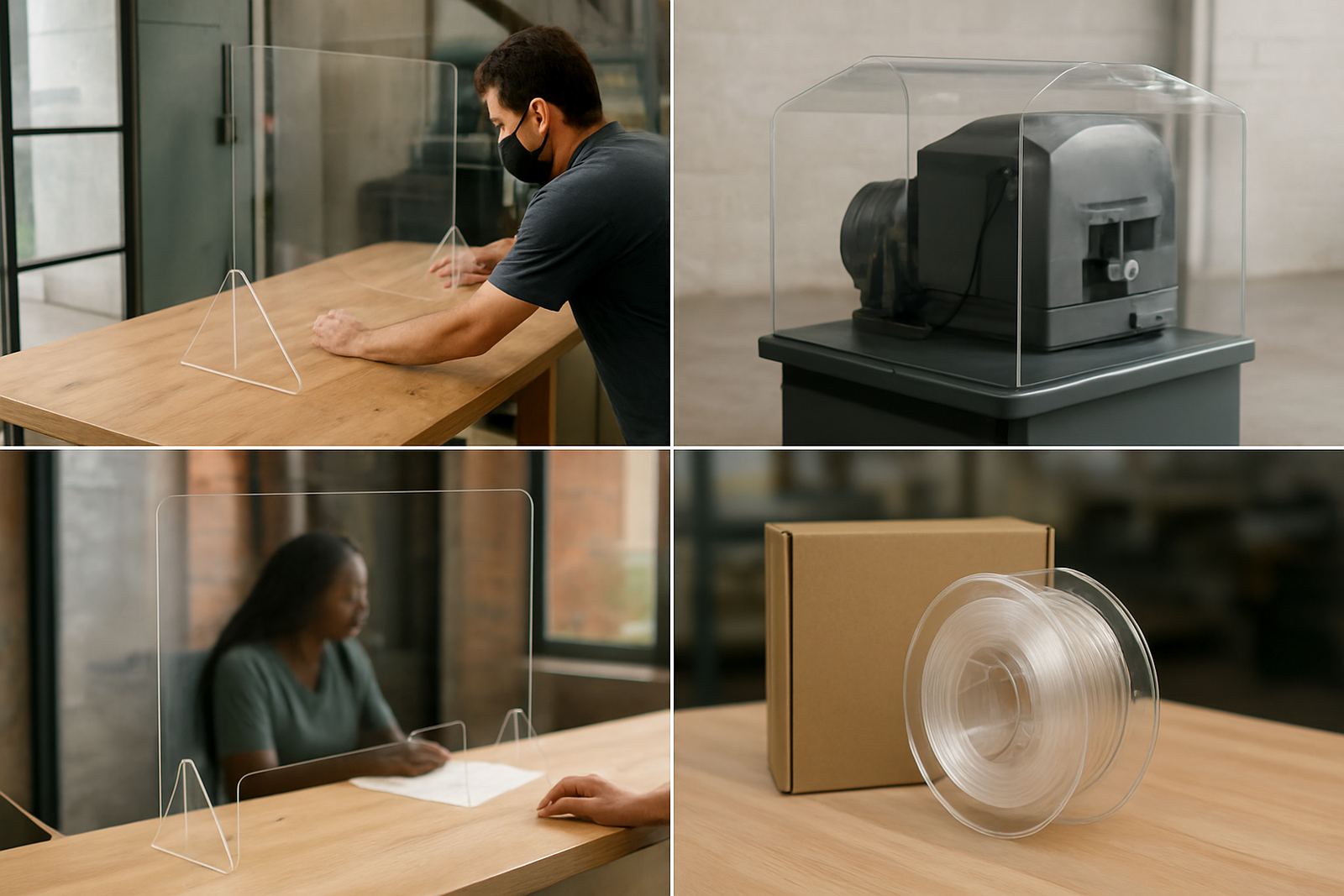
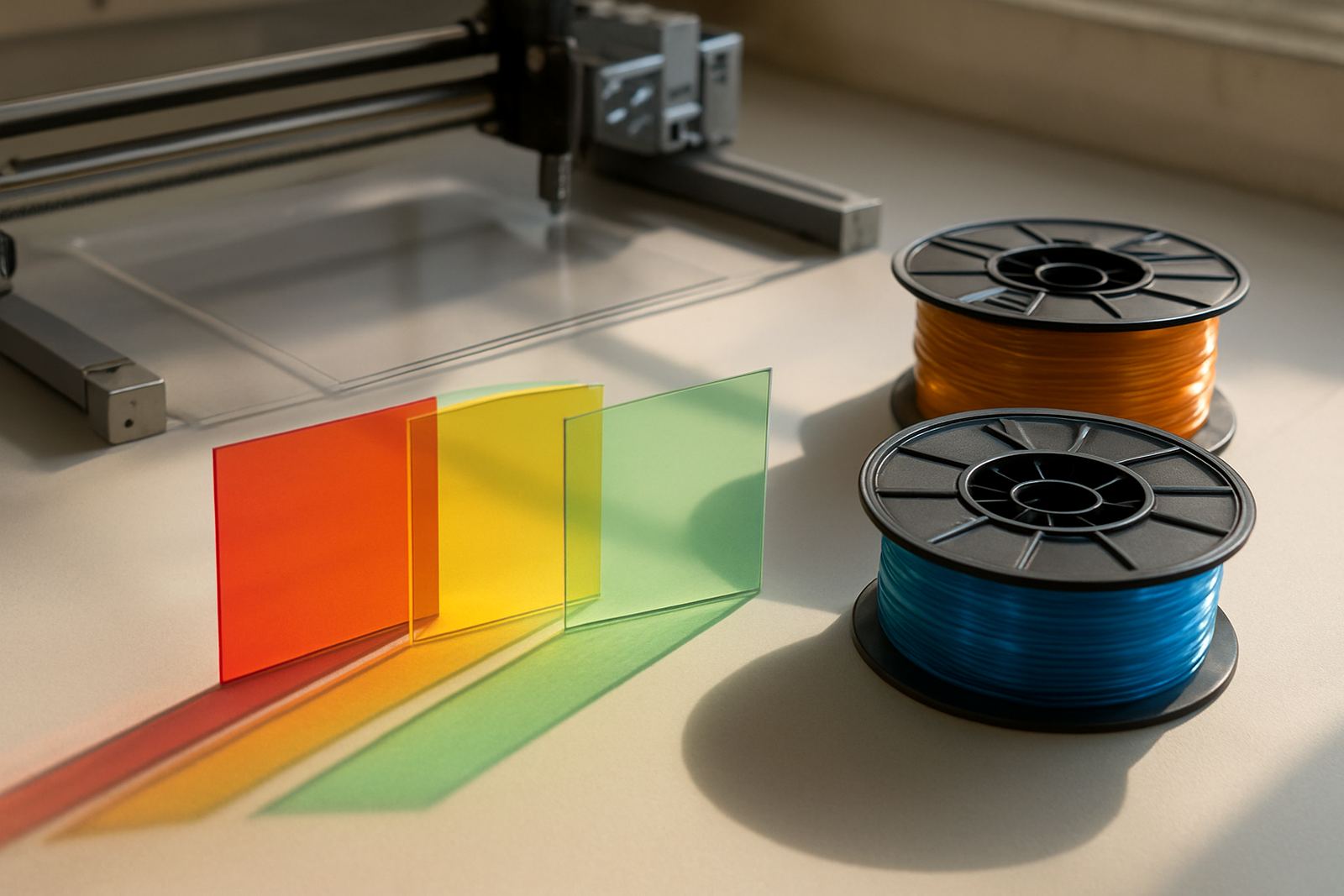
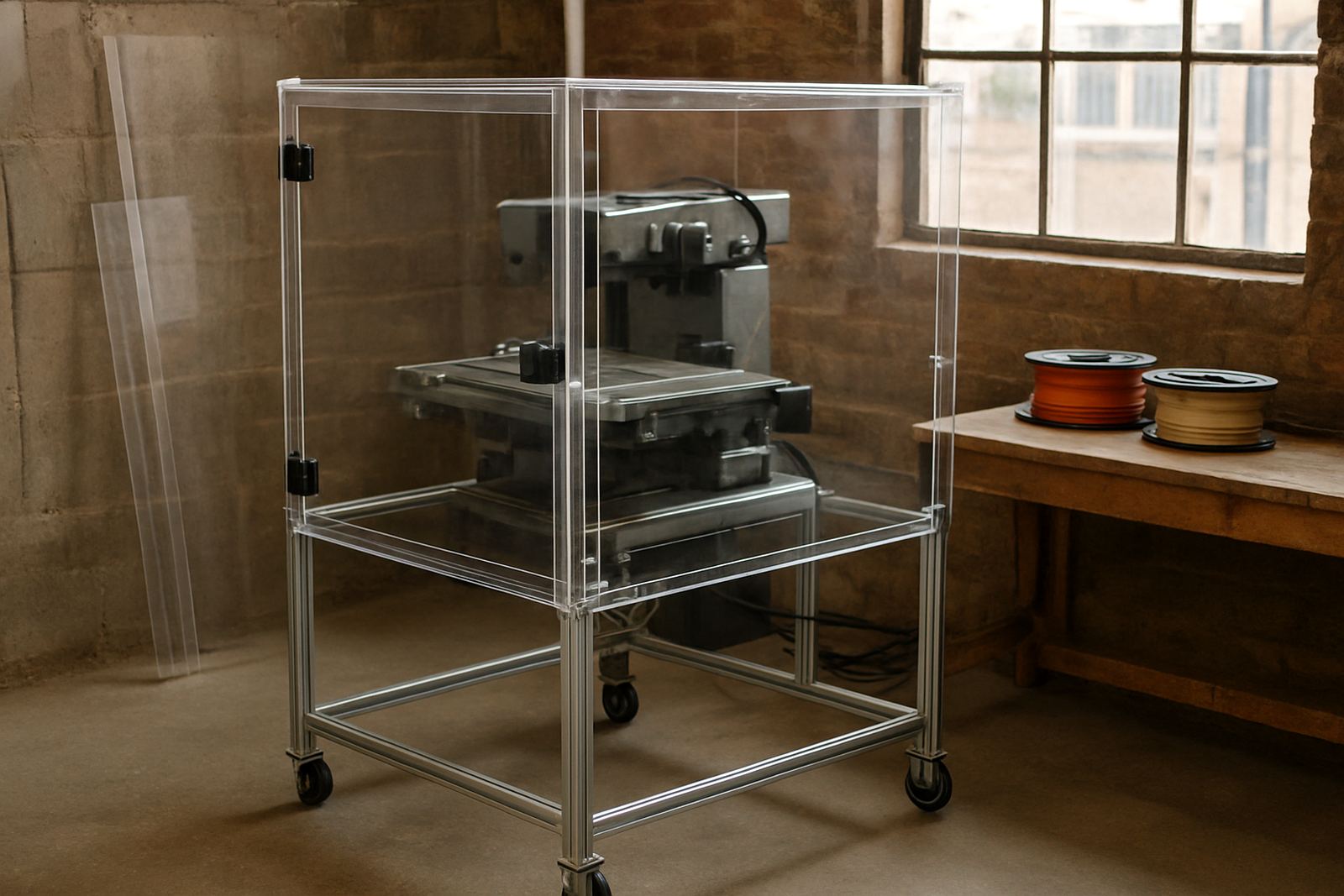
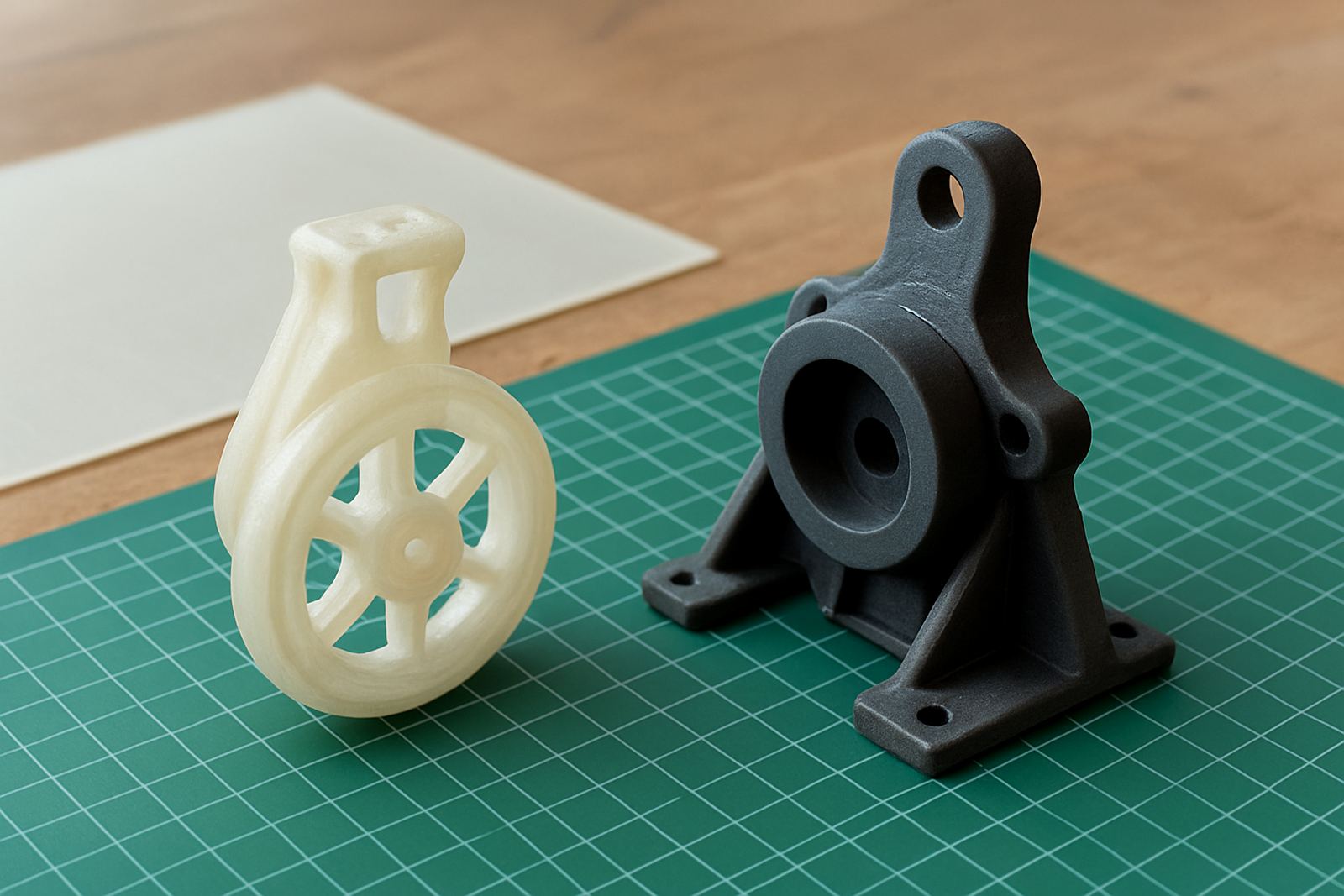
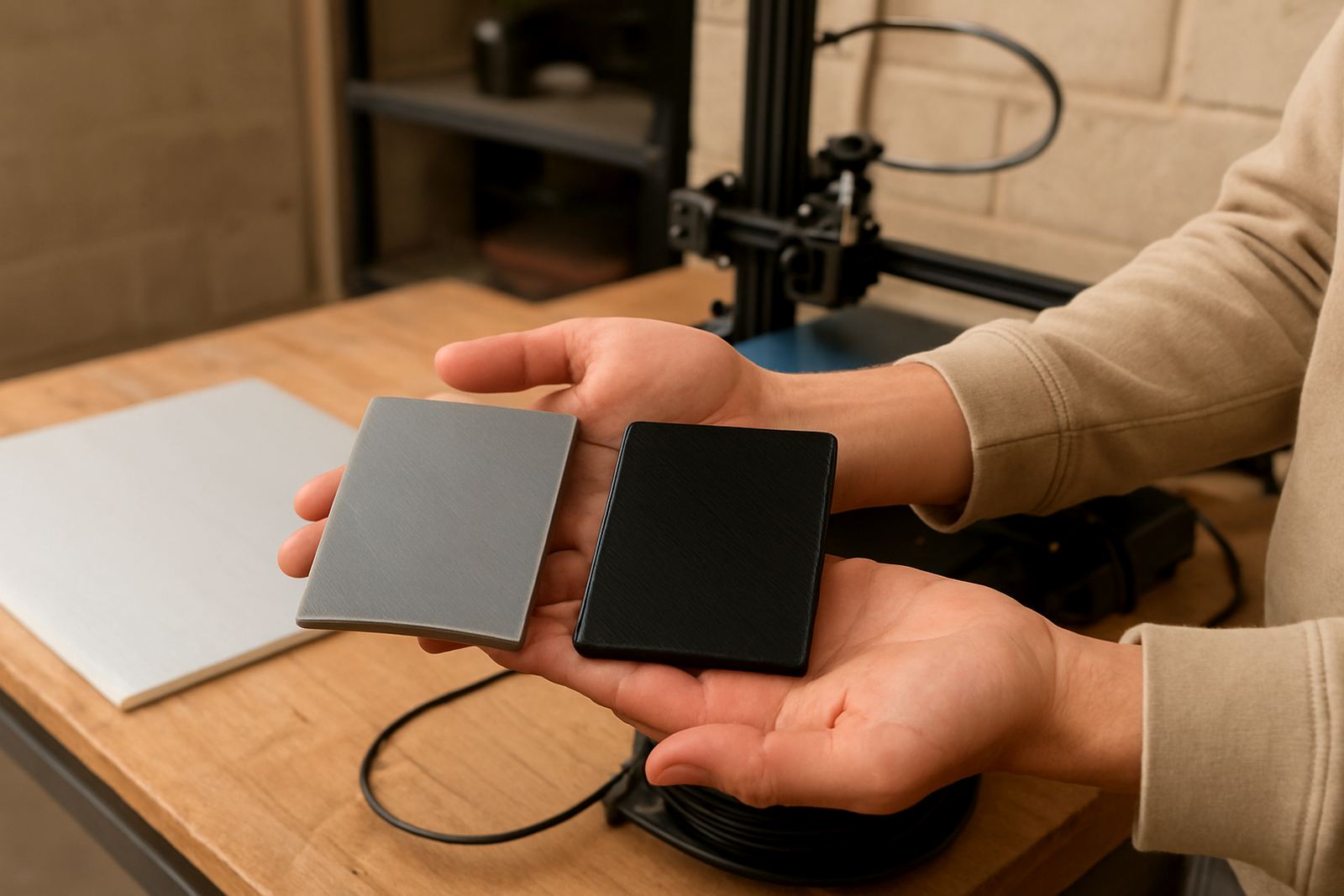
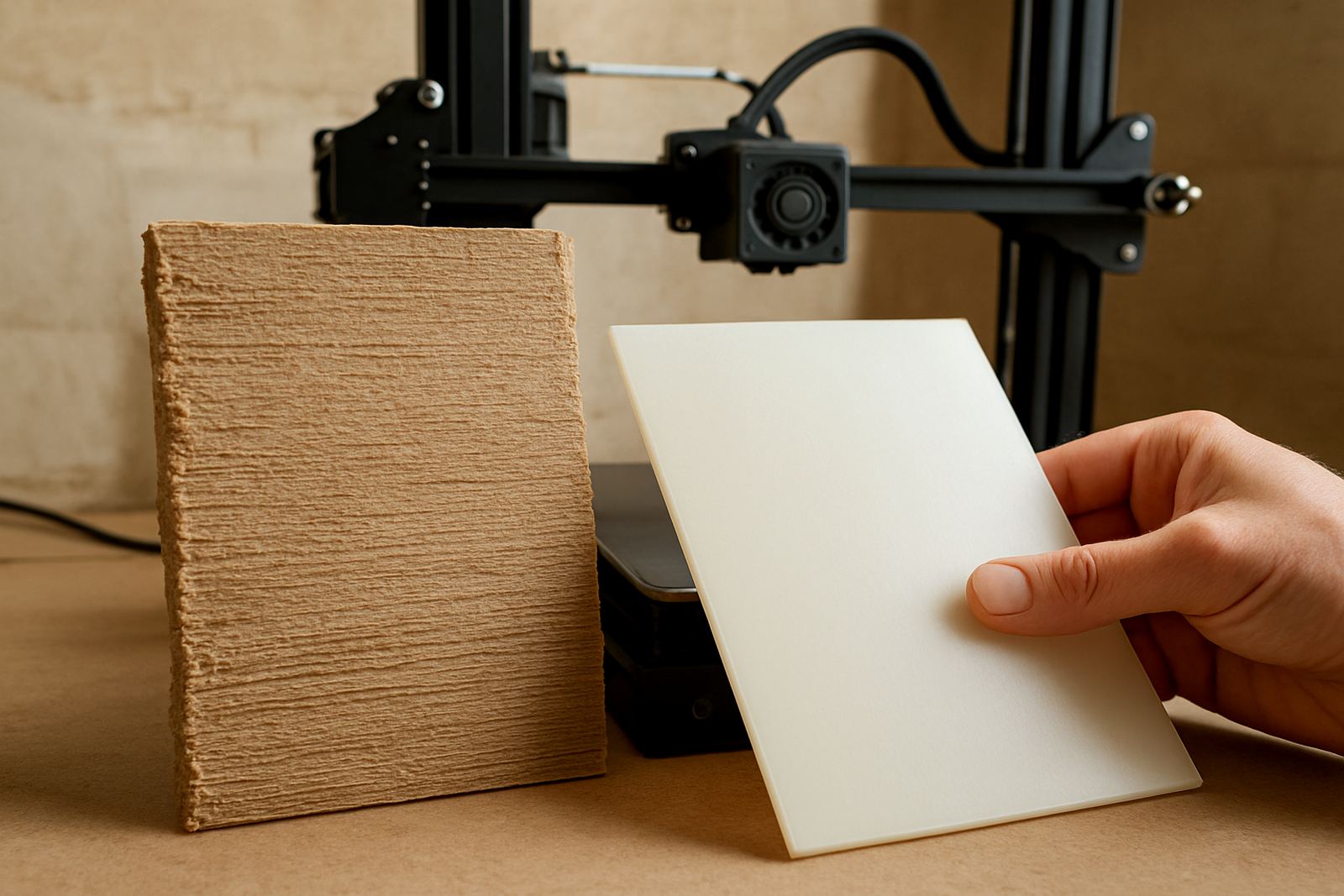
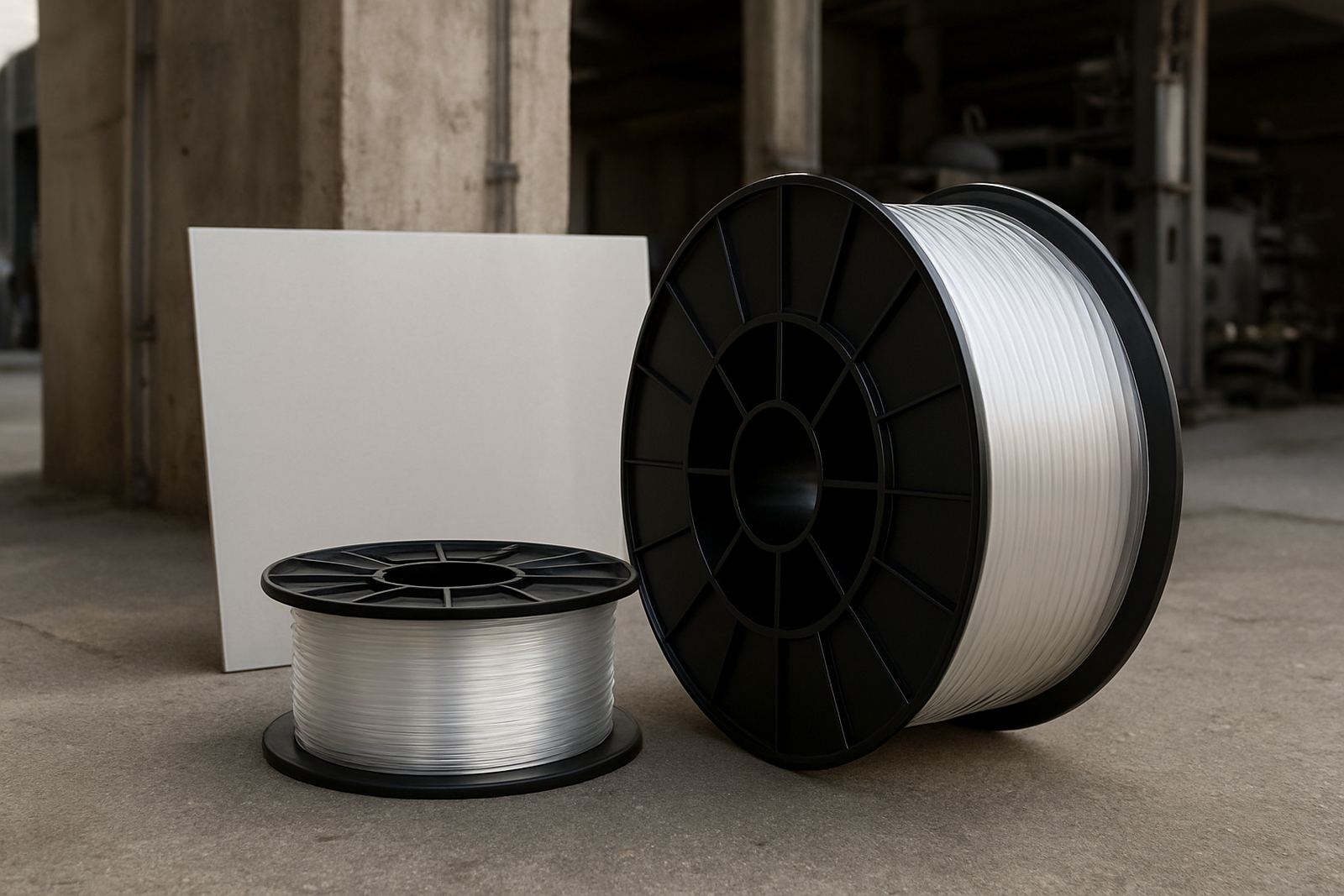
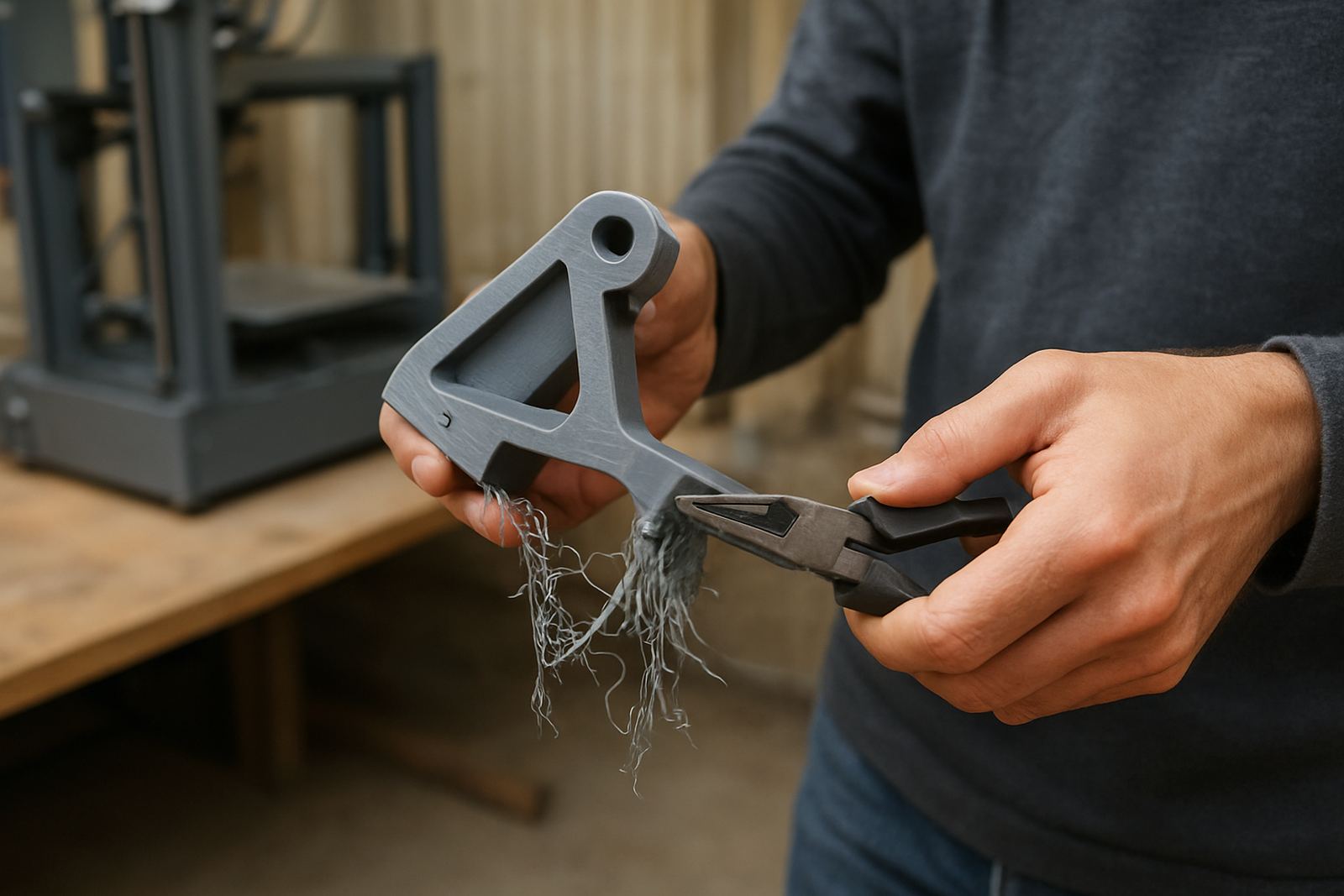
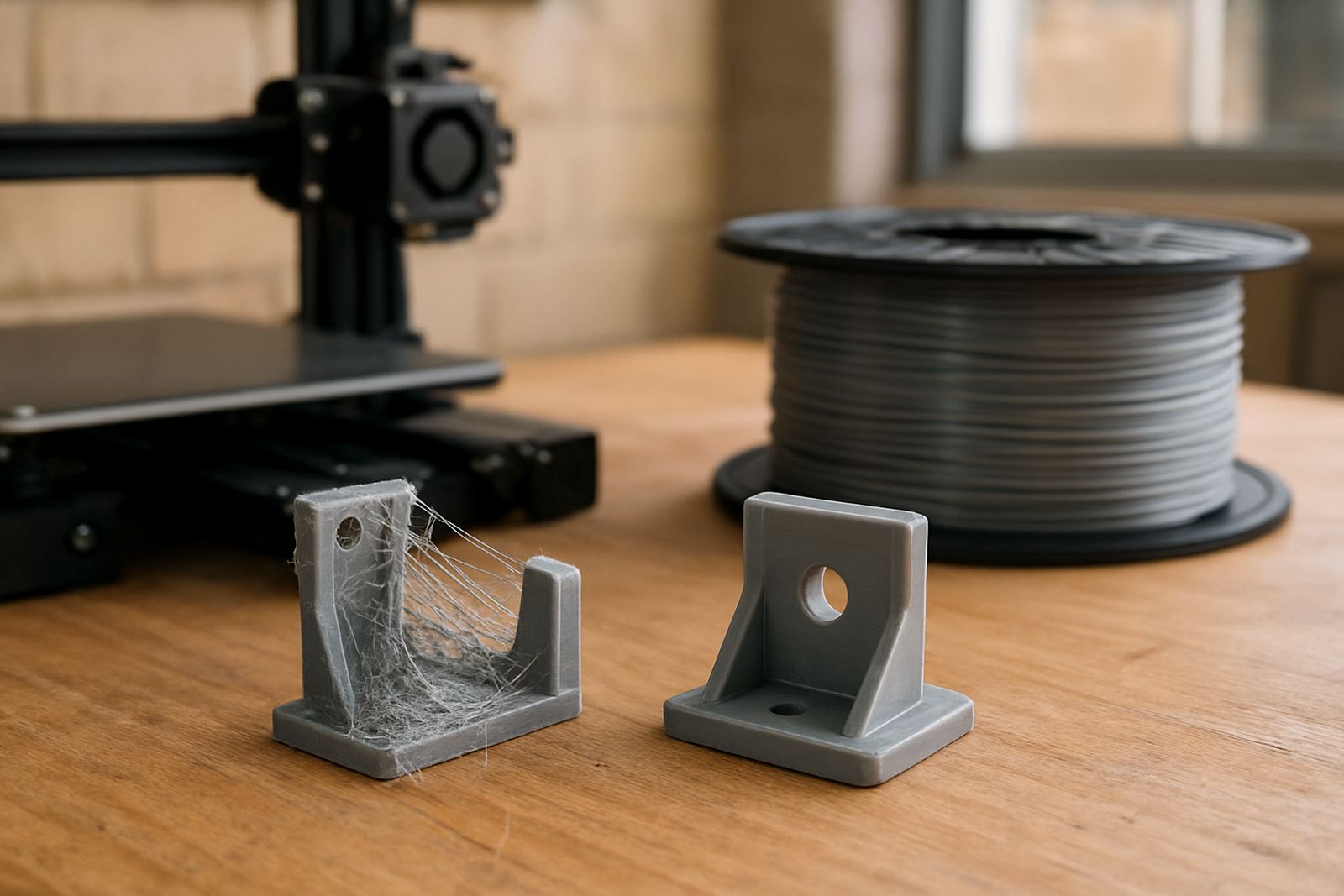
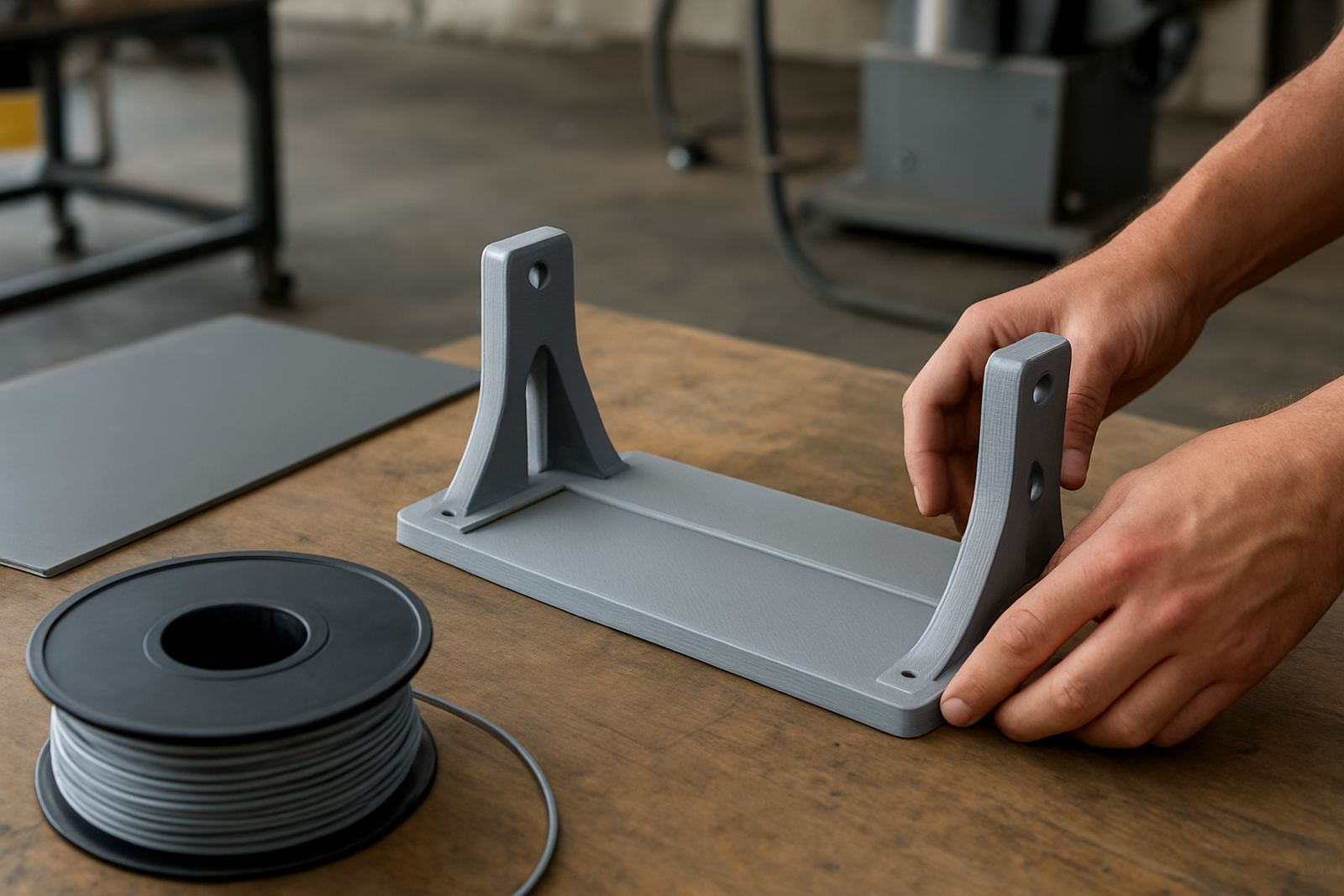
Start with the end use. If you need clean, consistent parts for signage, guards, covers or prototype work, PETG sheets are often a good fit because they are easy to work with and handle daily use well. For printing, PETG filament suits functional parts that need a bit more toughness than standard hobby plastics, especially when heat and handling are part of the brief.
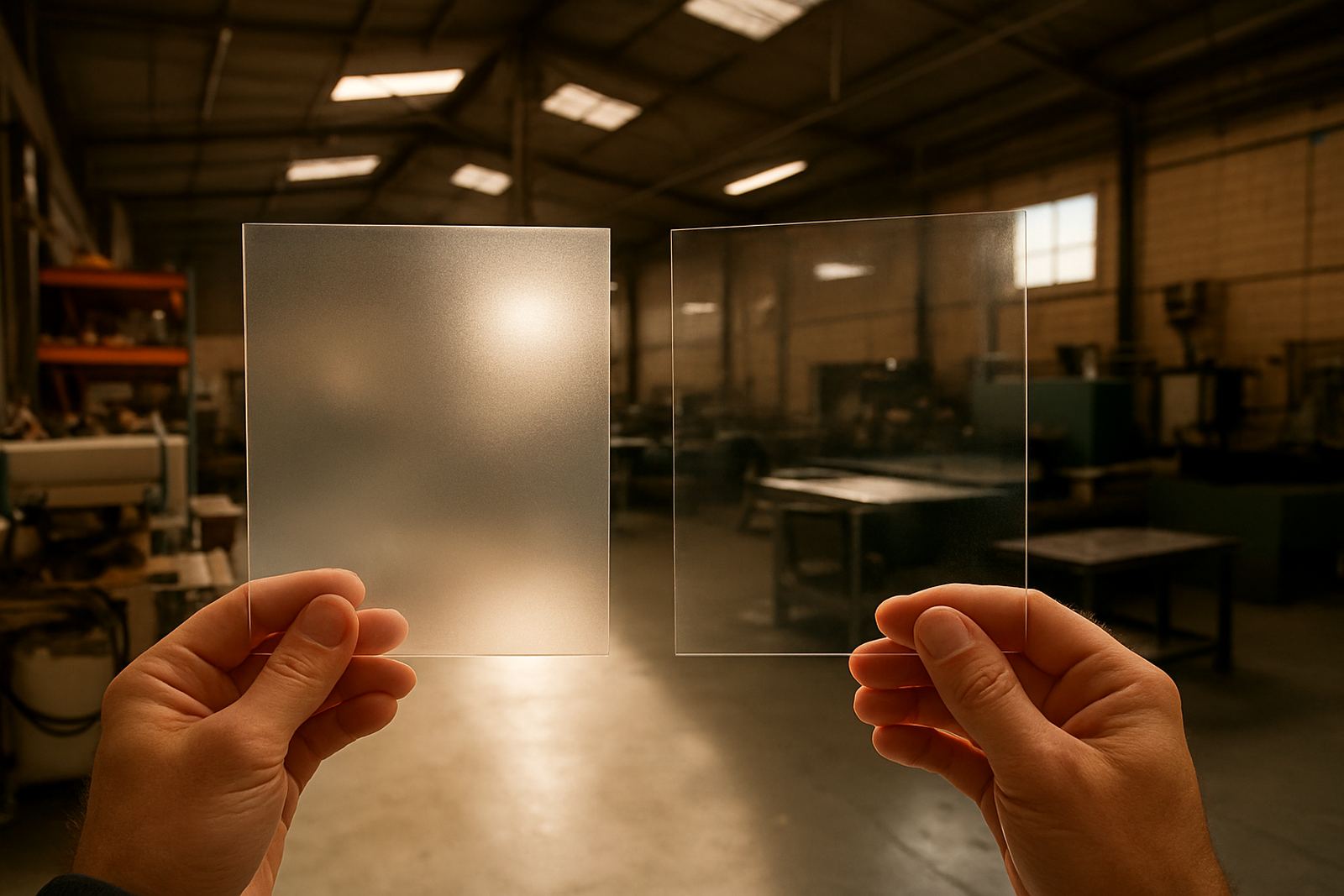
In Cape Town and along the coast, humidity and salty air can affect storage and finish, so buyers should think about where the item will sit, how it will be fixed, and whether it needs clear, tinted or opaque material. If a job is going into a shopfitting project, workshop or plant area, ask about thickness, hole marking and edge finishing before you place the order.
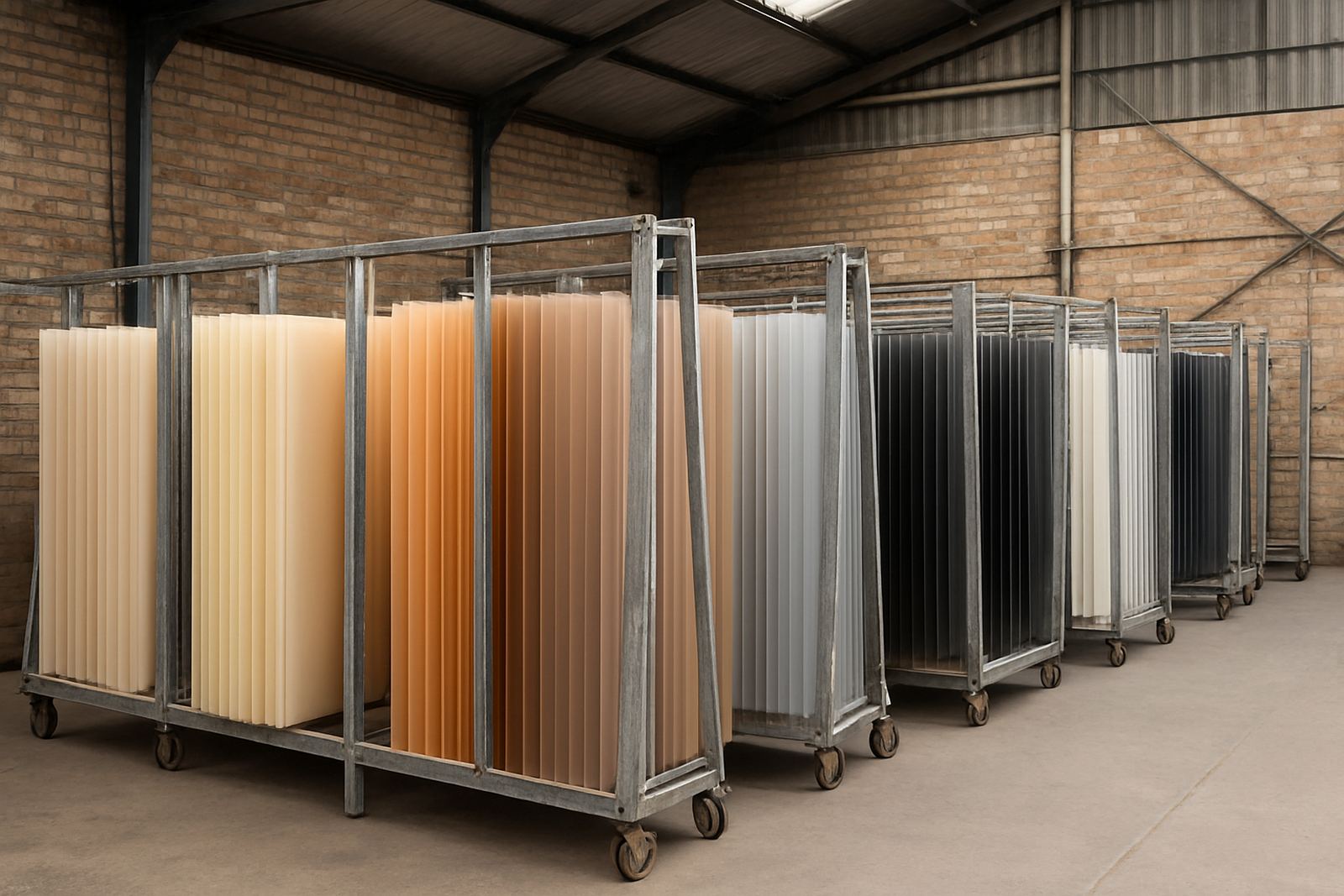
Sheets, cut sizes and workshop ready planning
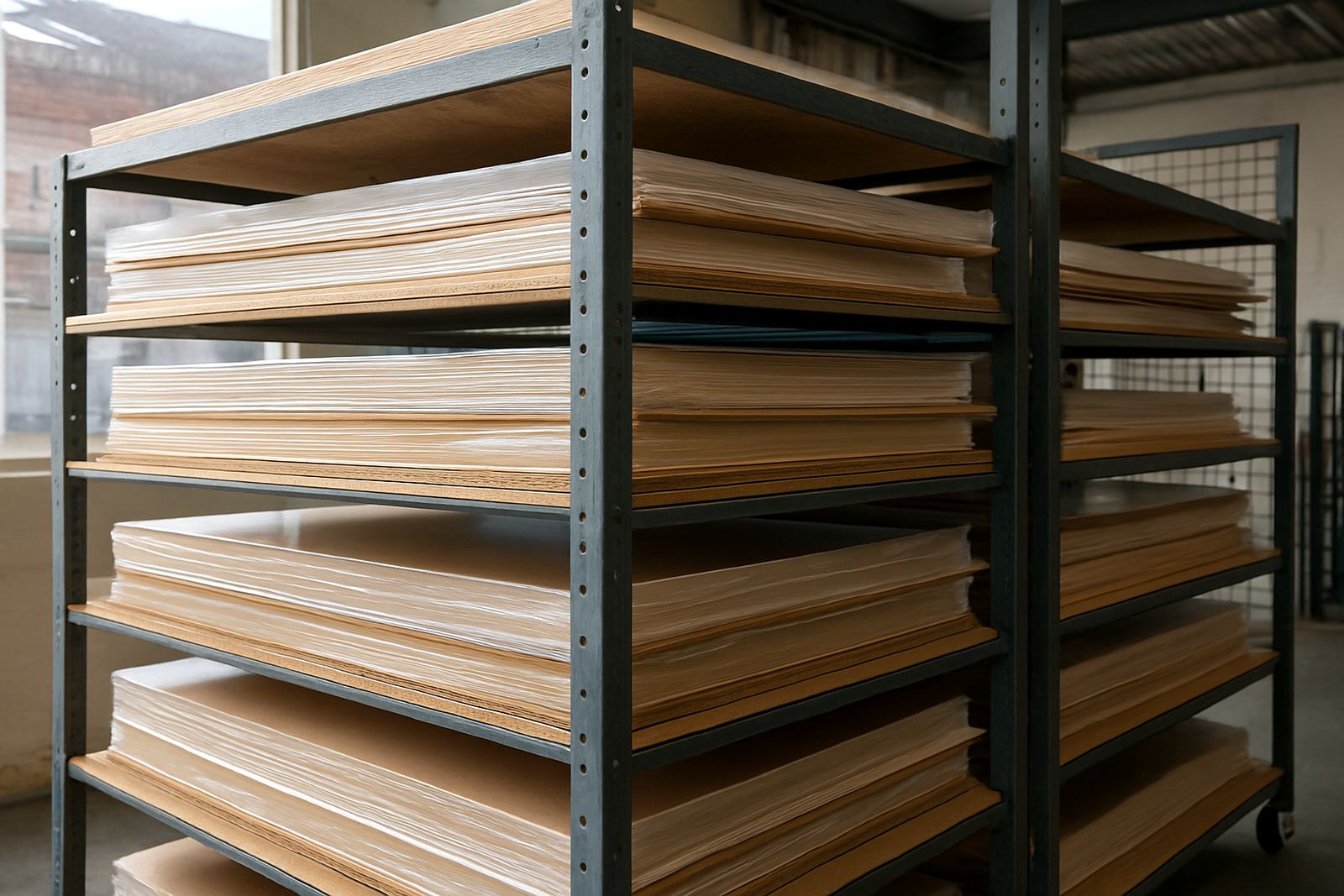
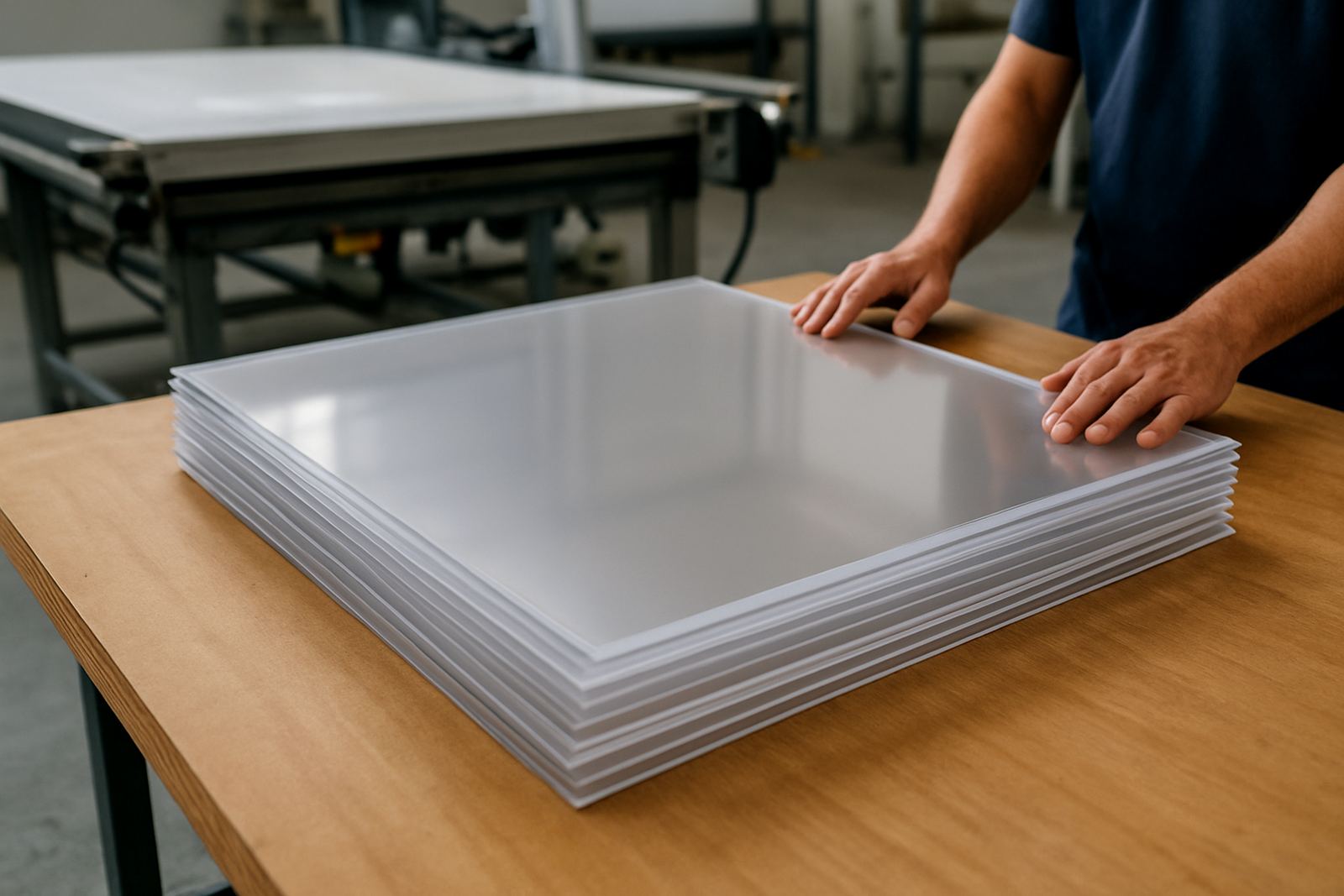
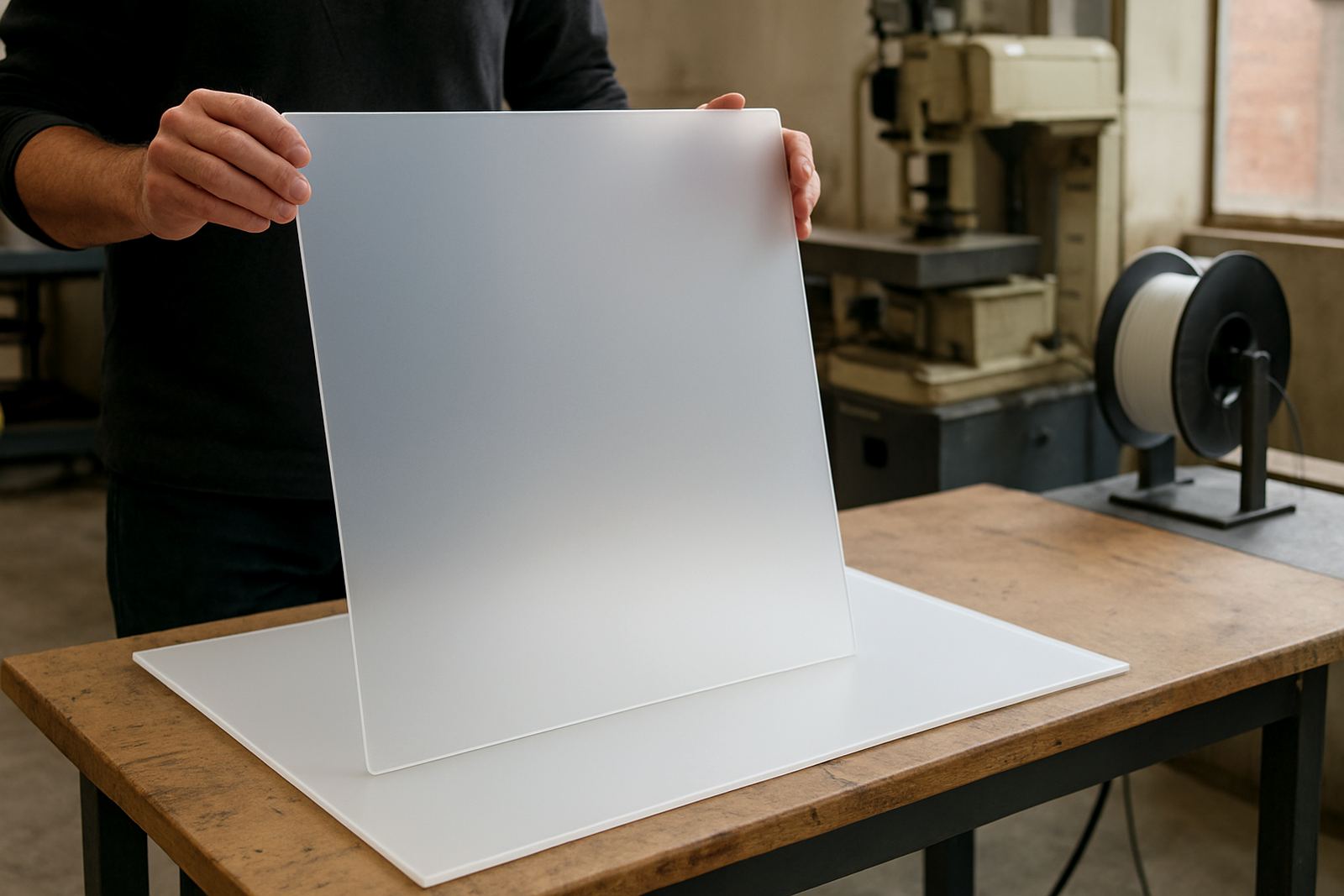
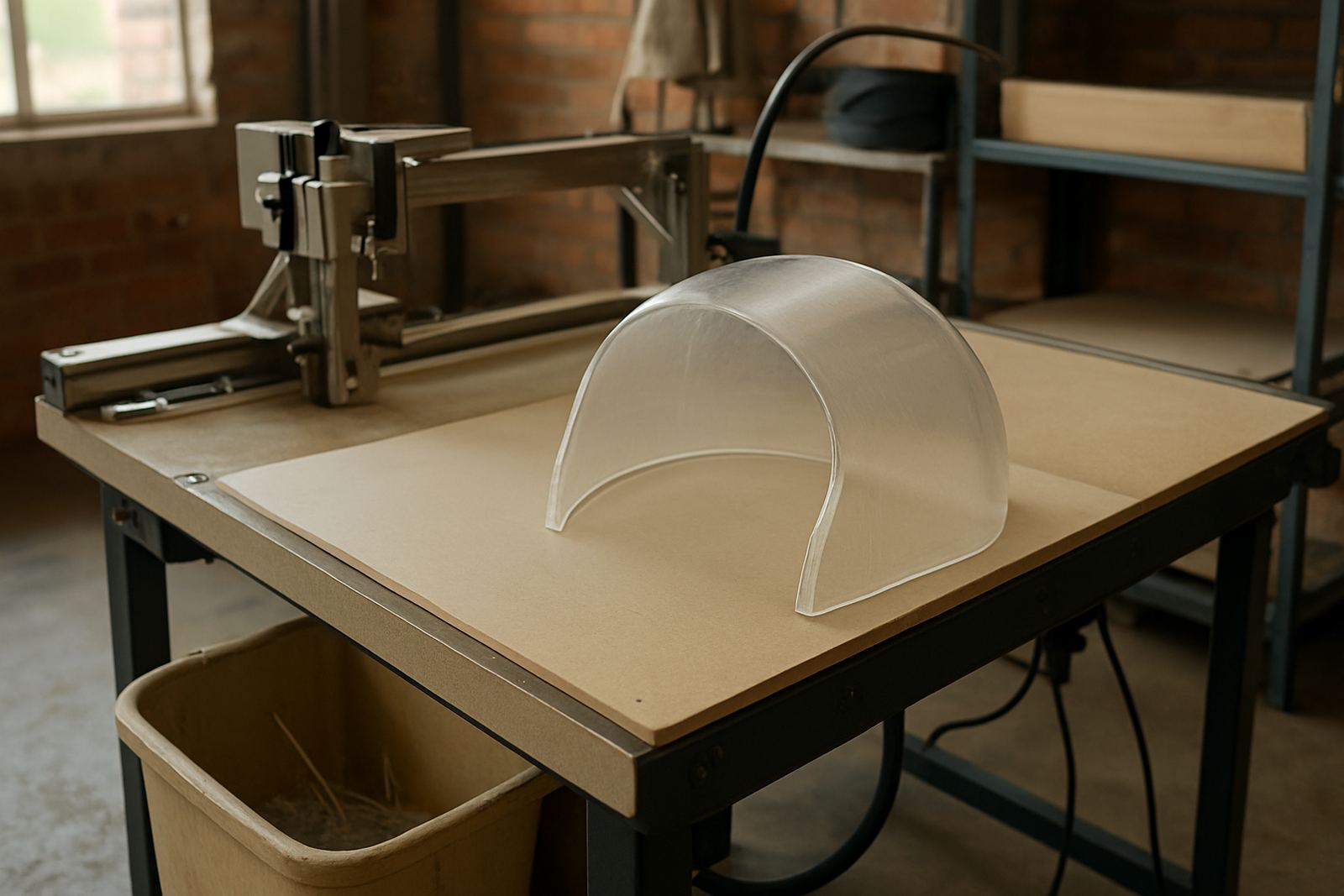
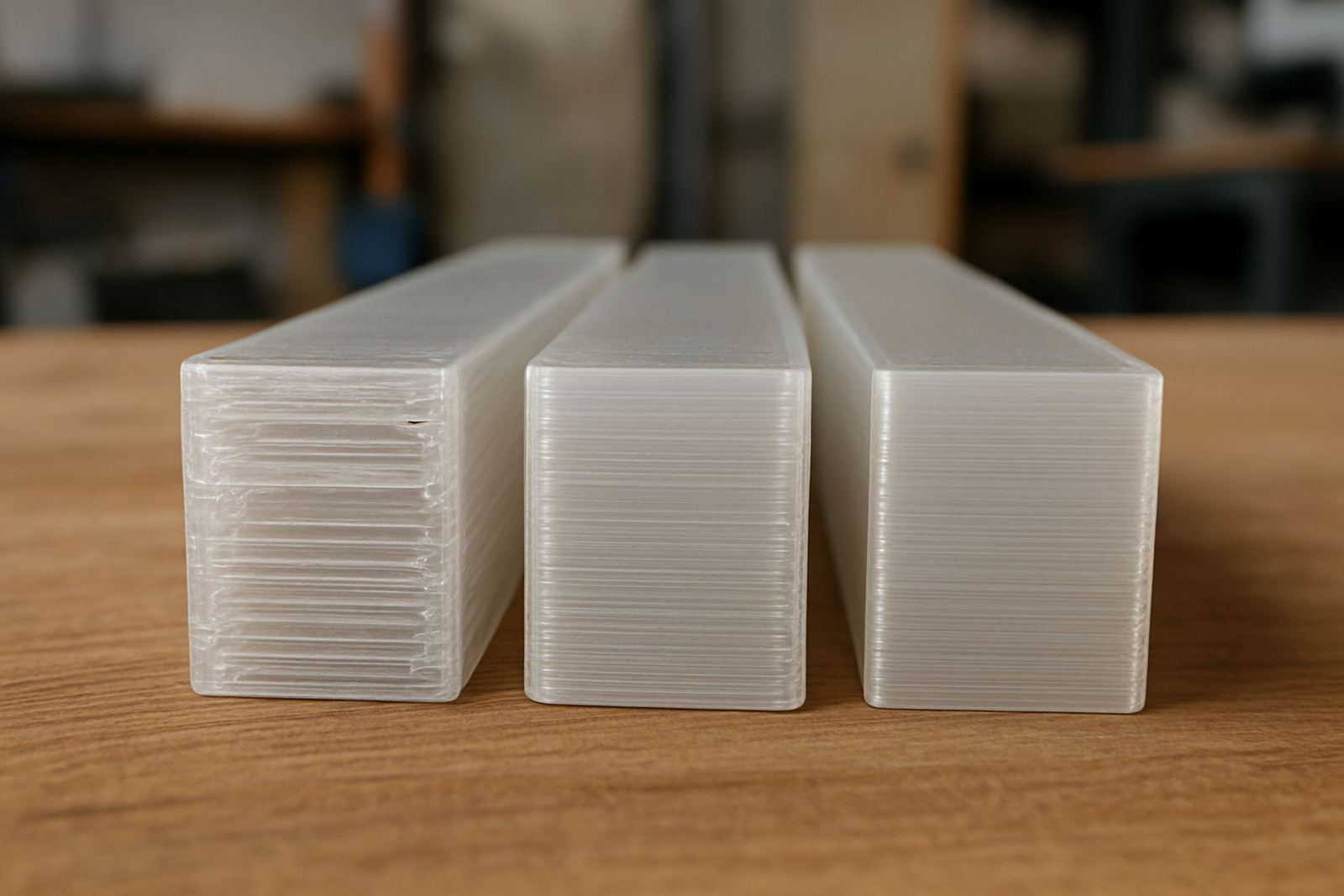
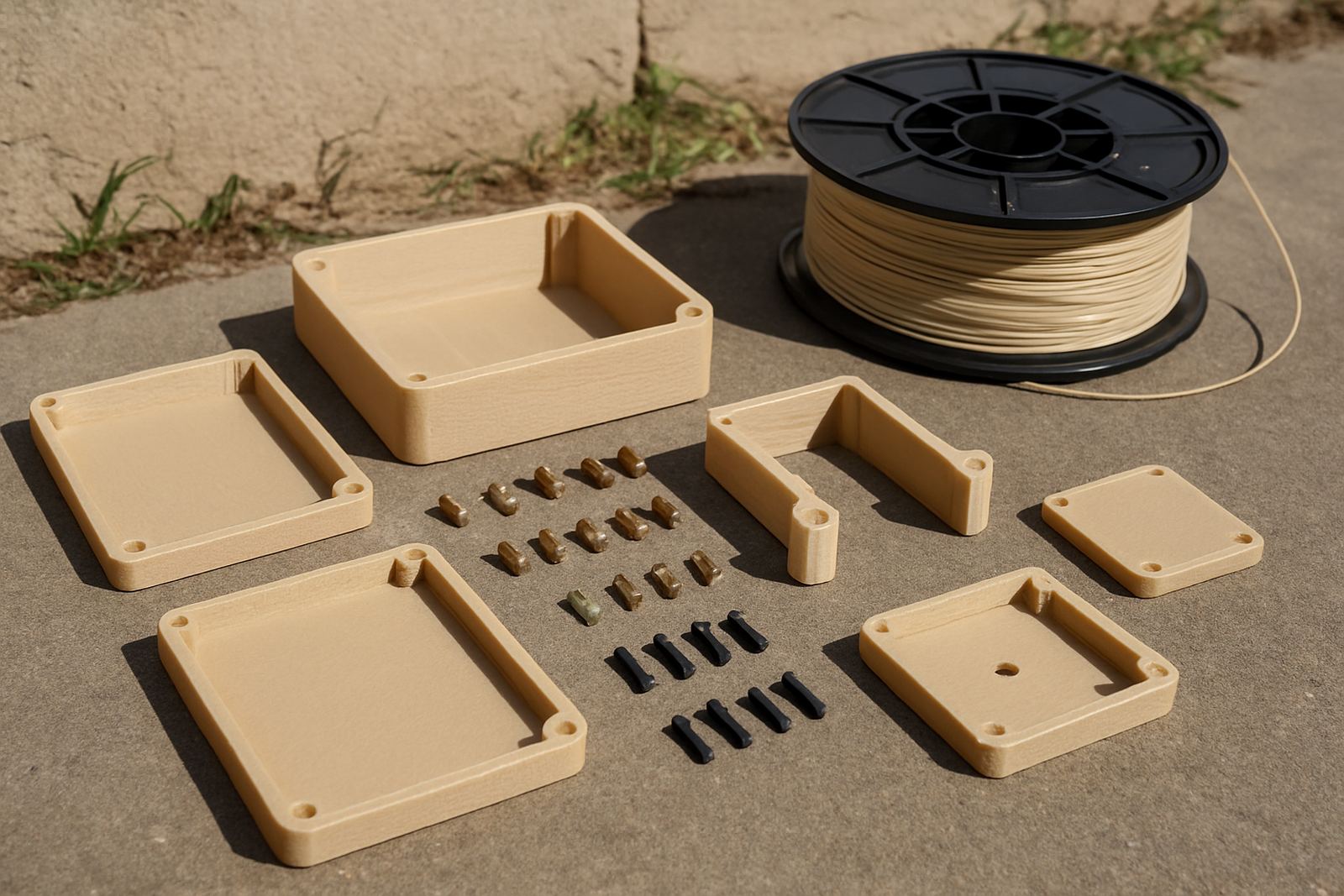
We supply sheet material from Epping, Cape Town and support cut to size work for local collection areas and couriered jobs. That means you can order a full sheet or ask for straight cuts, strip cutting, panel cutting and small batch cutting to suit your production run. This helps reduce waste and makes it easier to fit the job around your machine sizes or installation plan.
- Choose the sheet size that fits your frame, cover or enclosure with the least offcut
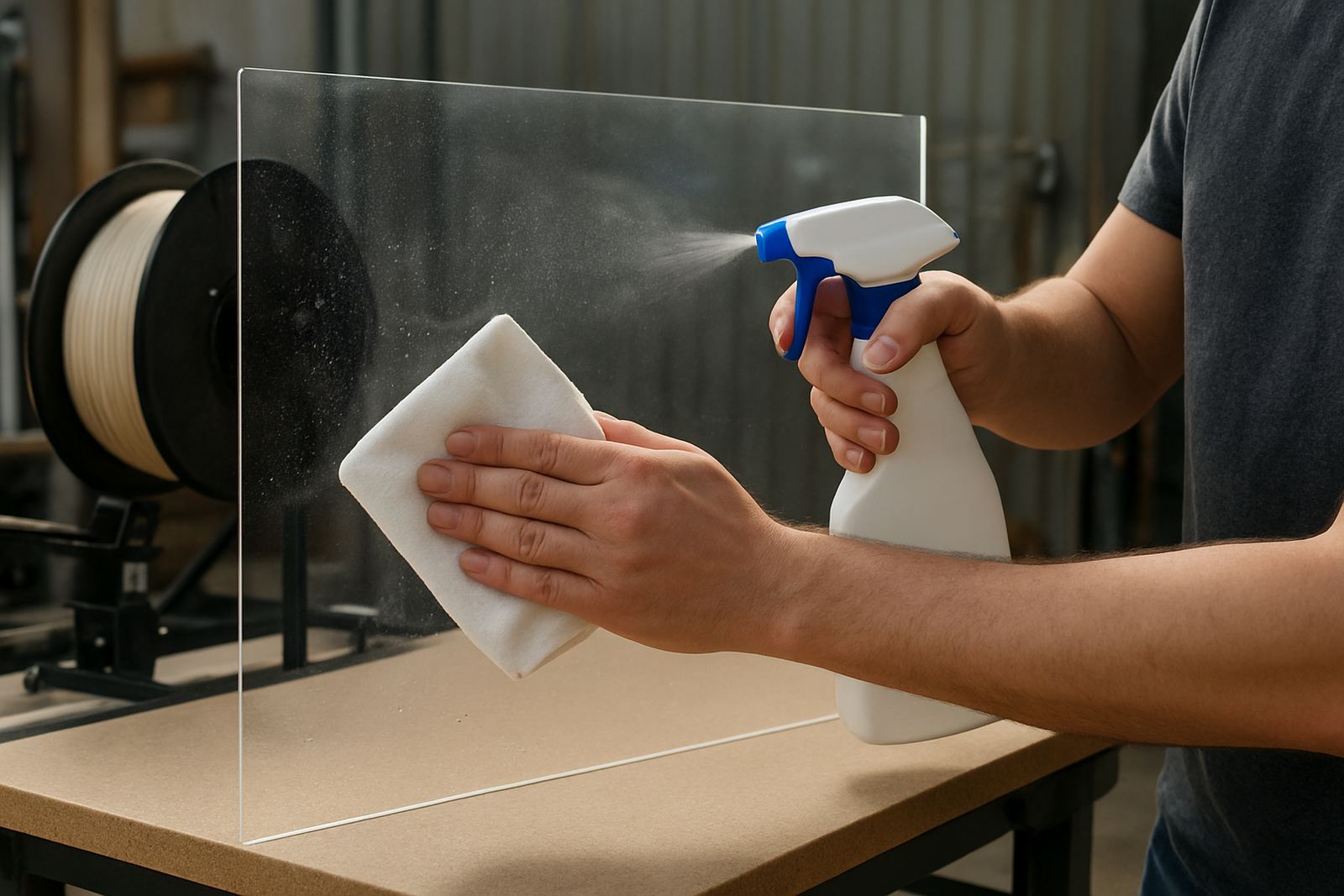
- Ask for film left on where you want extra surface protection during handling
- Use hole marking when parts must line up with fixings or standard mounting points
- Consider edge deburring for cleaner handling and a neater final result
If you are working to a schedule, careful labelling and courier packing can save a lot of back and forth, especially when the order is going to another branch, site or production team. A clear spec at the start avoids delays later on.
3D-printing filament for practical production
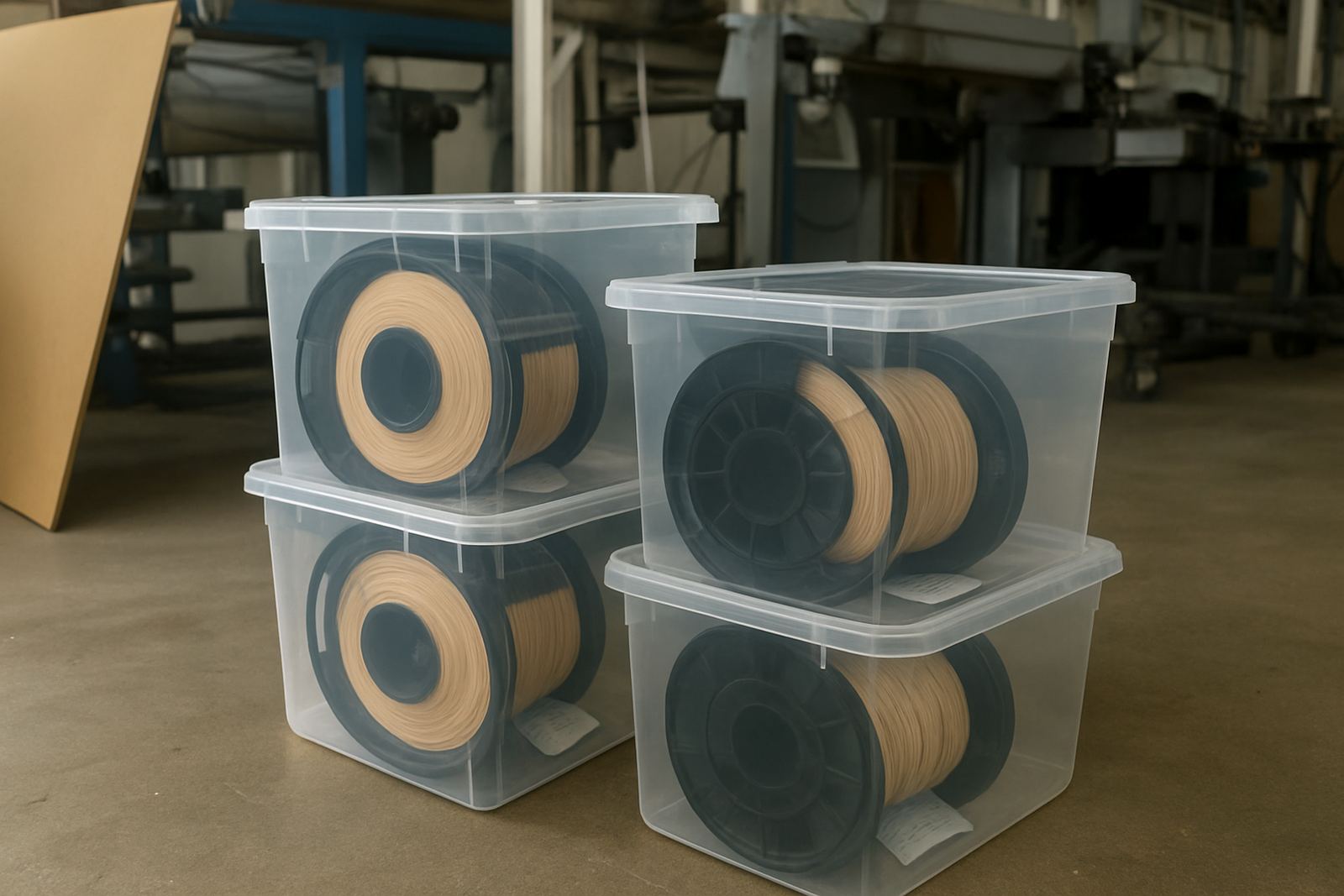
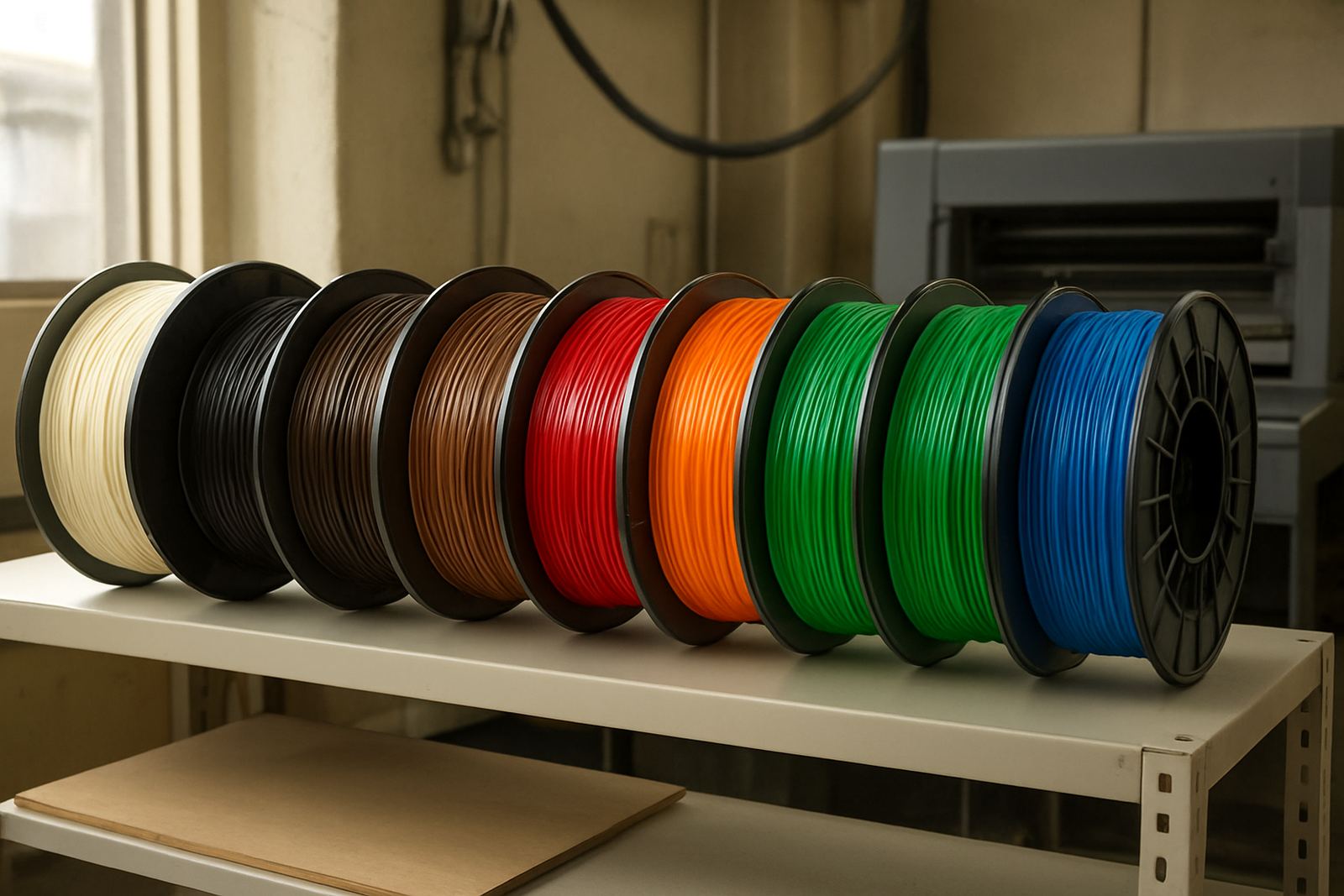
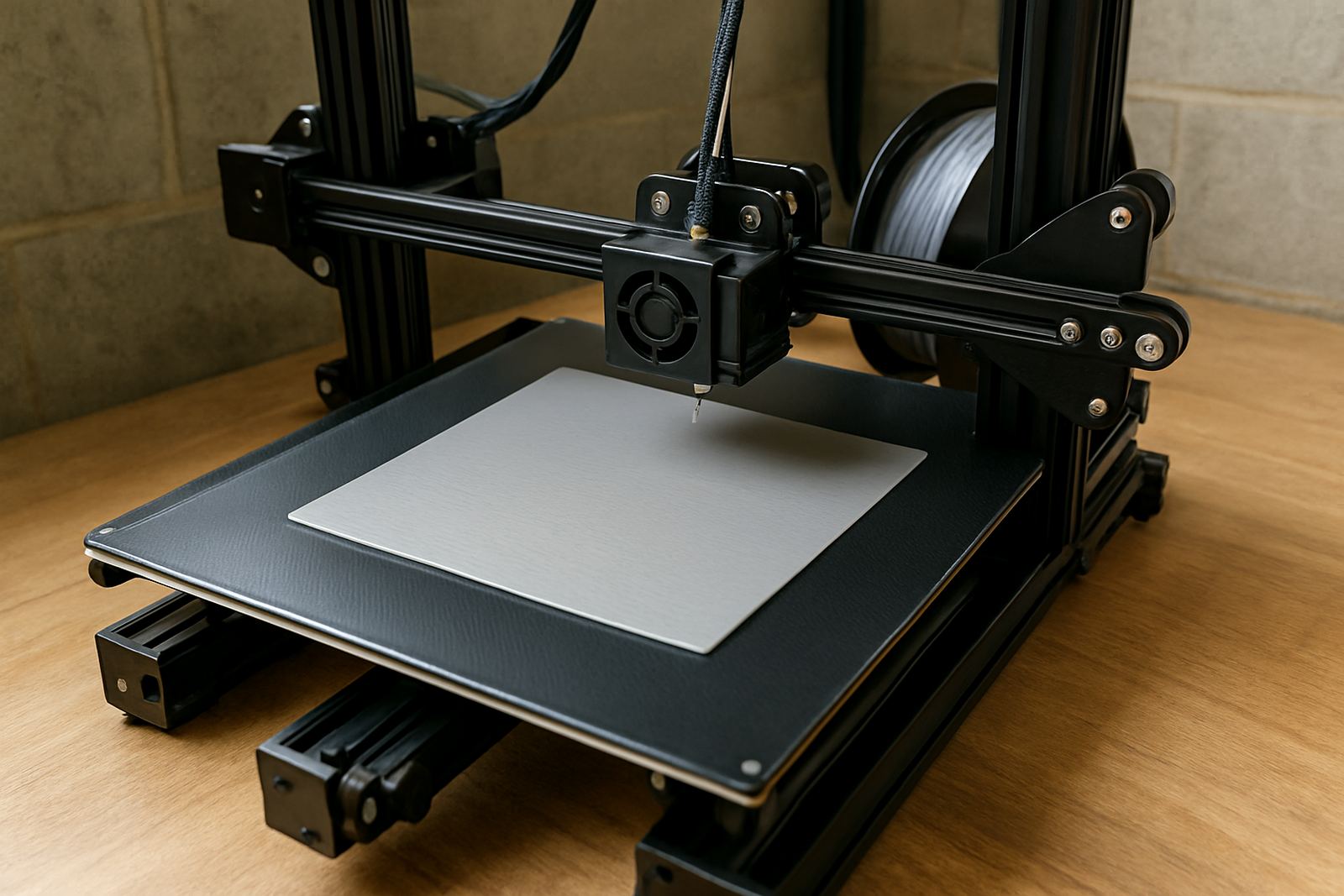
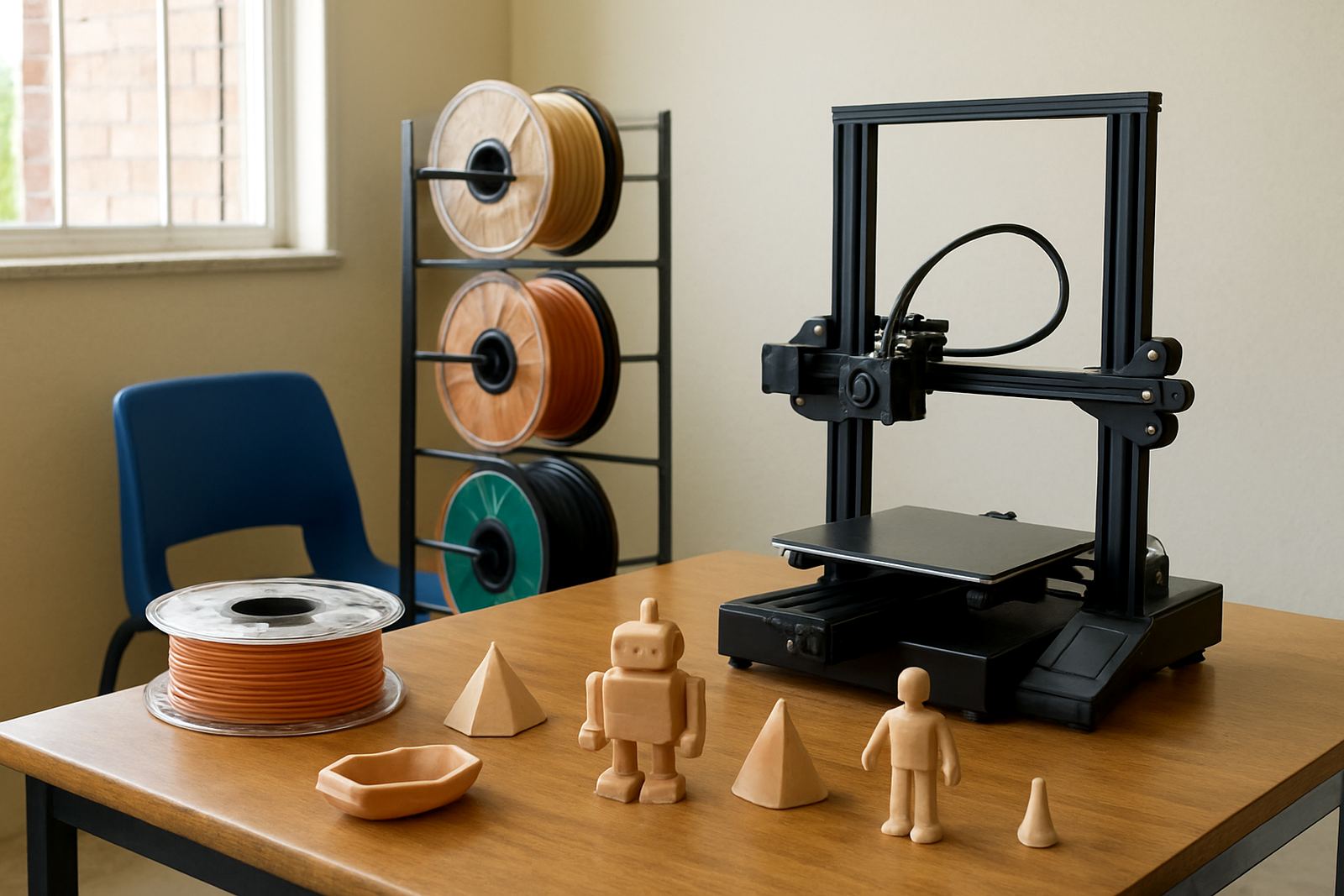
Filament buyers usually want consistency first. For repeat prints, the spool needs to feed properly, hold its diameter well and perform predictably from one job to the next. That matters when you are printing fixtures, display parts, jigs or short-run components for a client or internal workshop. Load-shedding can also interrupt long print runs, so stable setup and good storage really count.
Our filament is couriered nationwide, which helps teams outside Cape Town keep stock on hand without waiting for a local pickup. If you print often, it is worth keeping a small buffer for urgent work. A failed print at 11 pm can cost more than the material itself, and that is before you count machine time and operator hours.
Material advice for makers, shops and production teams
Different jobs call for different material choices. A design studio may want a clean finish and easy forming, while a manufacturing team may need repeatable sizes and less handling time. That is where practical material advice helps. Tell us the application, thickness, finish and quantity, and we can suggest a better route before cutting begins.
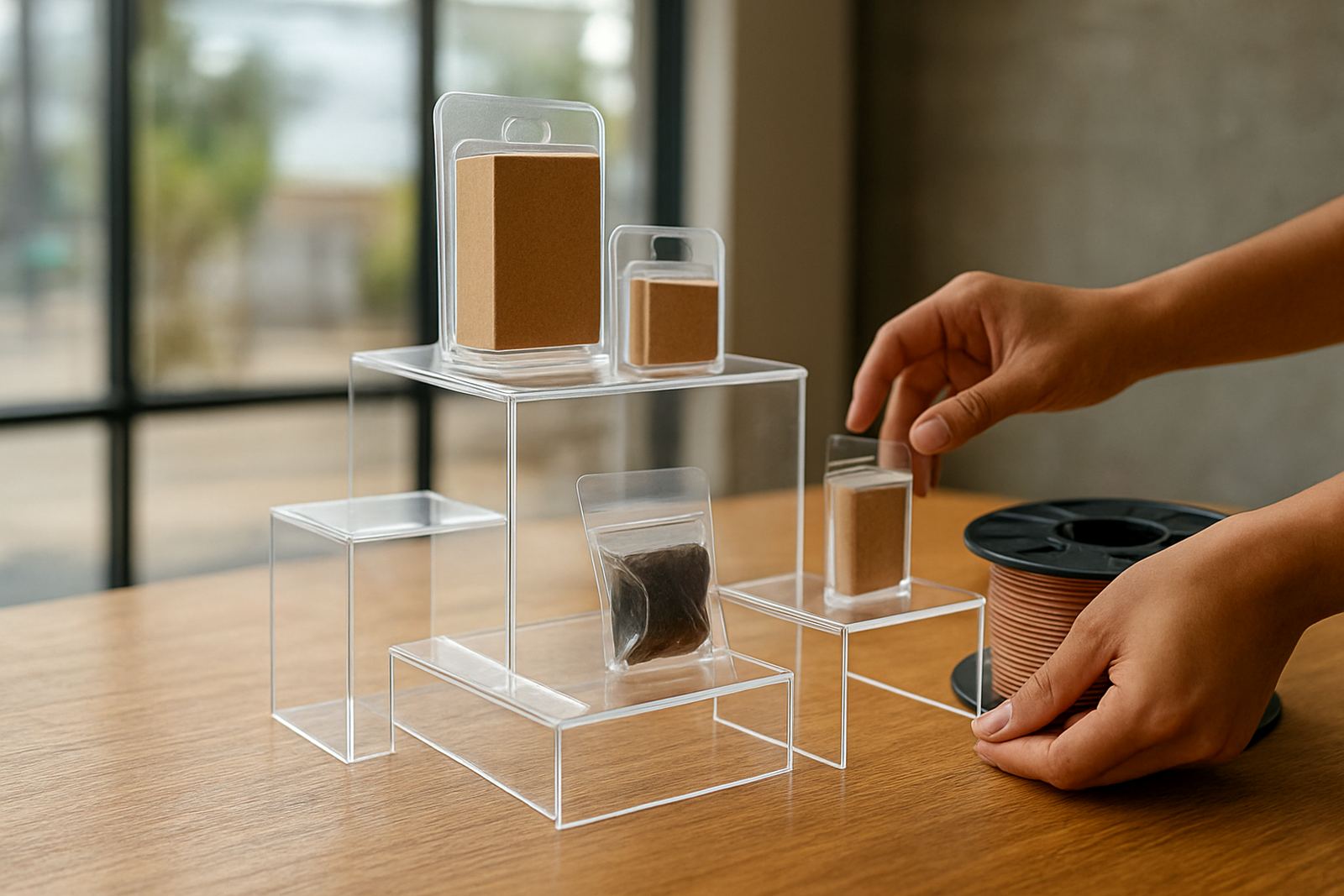
- For display and presentation work, clarity and surface finish usually matter most
- For workshop use, durability and easier handling often matter more than appearance
- For batch work, planning the cut list can reduce offcuts and save time
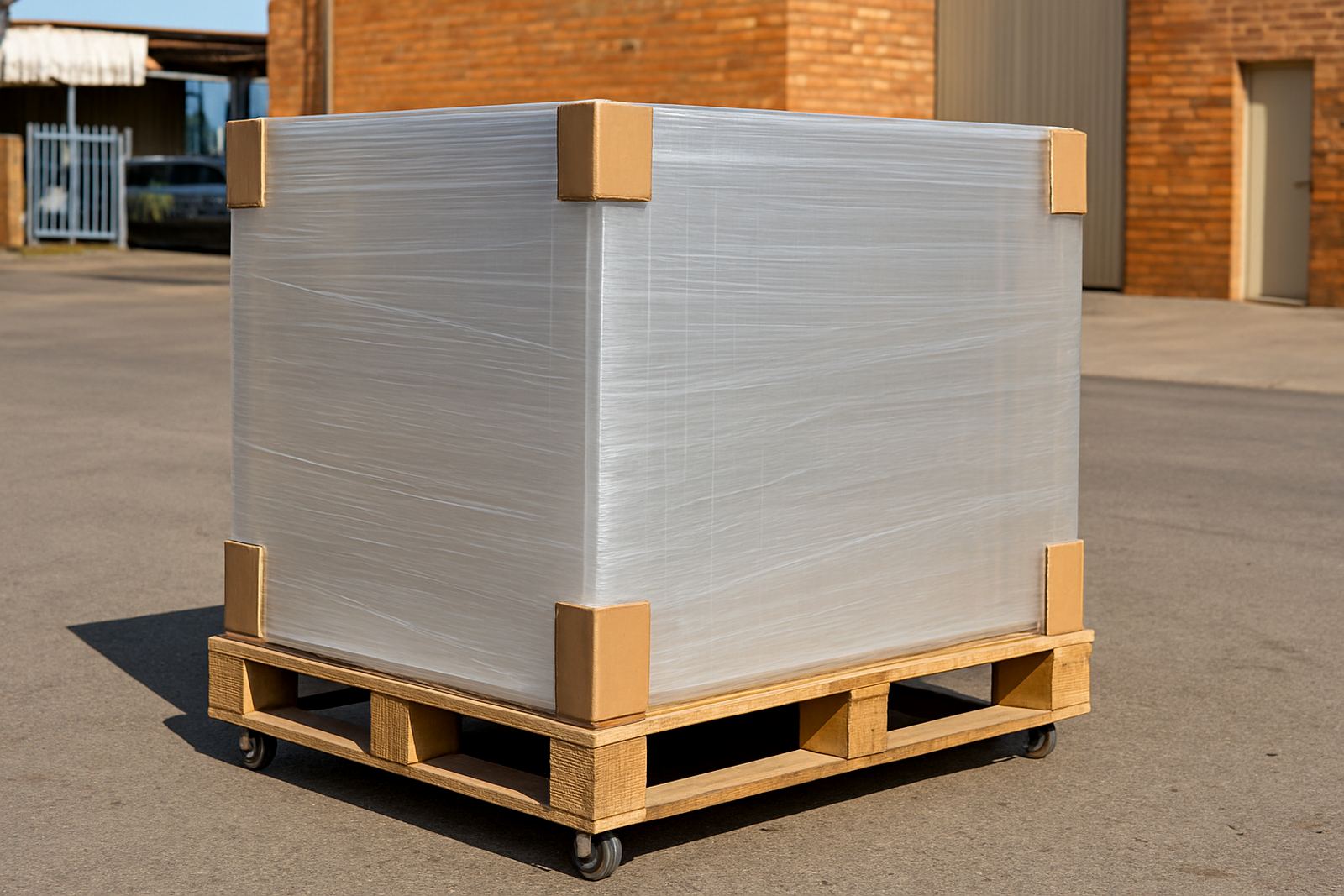
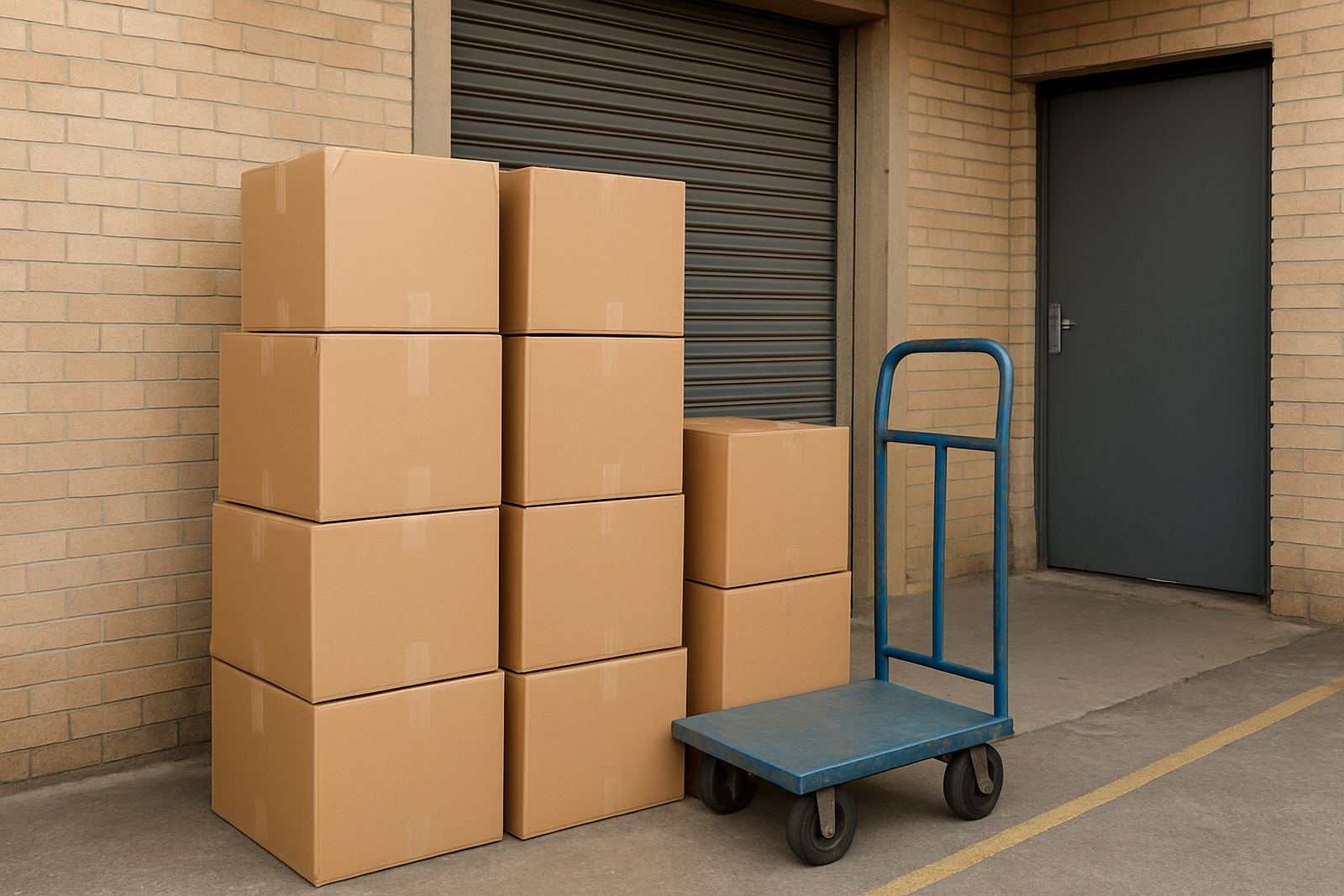
- For couriered orders, accurate labels and packing details help keep everything together
Some buyers only need one panel, while others need a few dozen parts for a larger run. Either way, it helps to work from the actual use case, not just the drawing.
Collection areas, courier routes and order handling
Clients collect from Epping and nearby service areas including Montague Gardens, Bellville, Parow, Somerset West, Paarl, Stellenbosch and Claremont. Filament is couriered nationwide, while sheet work can be arranged for collection or delivery depending on the order. For local trade work, that mix makes it easier to keep projects moving when deadlines are tight.
Orders are handled by a team that works with the material every day, from cutting and job labelling through to logistics. That matters when you need a clean handover, correct sizing and clear communication. If a municipal or site rule affects loading, access or delivery times, mention it early so the job can be planned properly.
What to look for before you place an order
Before you send your enquiry, note the thickness, colour, finish, quantity and whether you need any added work like hole marking or edge deburring. If the order is for a high-use area or a coastal installation, mention that too. Those details help match the material to the environment and reduce surprises after installation.
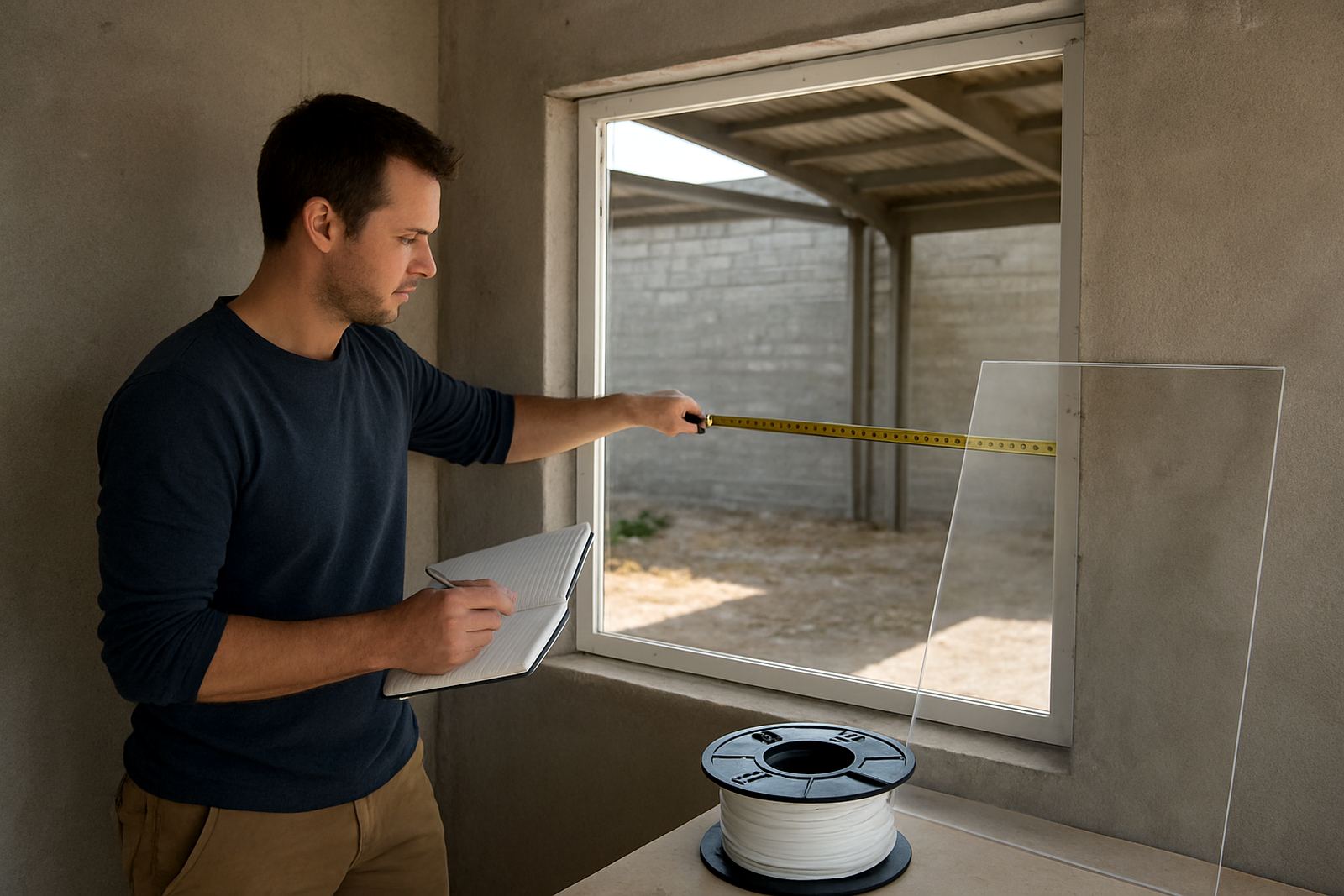
- Use exact measurements in millimetres where possible
- State whether the sheet must keep its protective film
- Confirm if the job is for collection, courier or split delivery
- Include the number of parts if you need small batch or large batch cutting
The best results usually come from a simple, clear brief. A few extra details upfront can save time, money and a second round of cutting.