
Why PETG Works in Busy Learning Spaces
In classrooms, workshops and labs, materials get touched, moved, cleaned and sometimes dropped. PETG is a practical option because it offers good impact resistance and stays clear enough for displays, guards, covers and learning aids where visibility matters. It also handles daily use better than many brittle alternatives, which makes it useful for schools that need items to last through several terms.
For educators, the main advantage is consistency. Once a project has been cut, drilled or printed, it keeps its shape well and does not need special handling for every lesson. That helps when you are producing repeat items such as display covers, experiment shields, lab trays or model parts for technical subjects.
- Useful for repeated handling by learners
- Suitable for transparent and coloured learning components
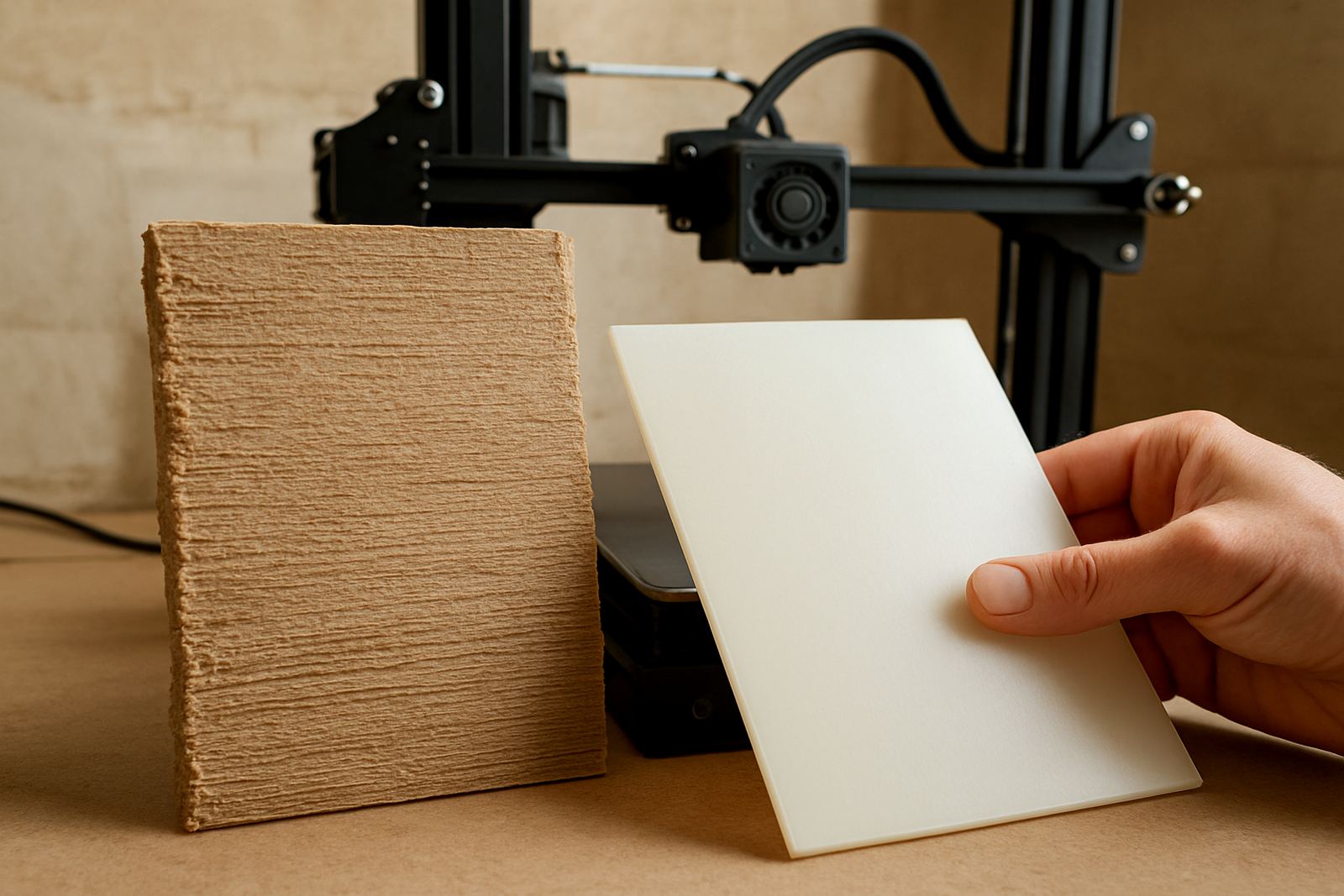
- Works for both flat sheets and 3D-printed parts
- Can be cut to size for standard classroom jobs
Common School Uses for PETG Sheets
PETG sheets are often selected for projects where strength and clarity matter at the same time. In a school setting that could mean protective guards for science demonstrations, labels for equipment, map covers, display panels, class organisers or lightweight parts for design subjects. Because the sheets can be supplied cut to size, teachers and workshop staff do not have to spend time trimming large stock on site.
In coastal areas such as Cape Town and the Southern Suburbs, moisture can be a factor in storage rooms and storeroom cupboards. PETG is a sensible choice for many indoor applications because it is easy to wipe clean and keeps its appearance well under normal classroom conditions. For a busy school, that means less replacement work and fewer interruptions to lessons.
- Science demo shields and guards
- Signage, labelling and display panels
- Project covers for technology classes
- Clear trays, inserts and small organisers
Using 3D-Printing Filament for Learning Projects
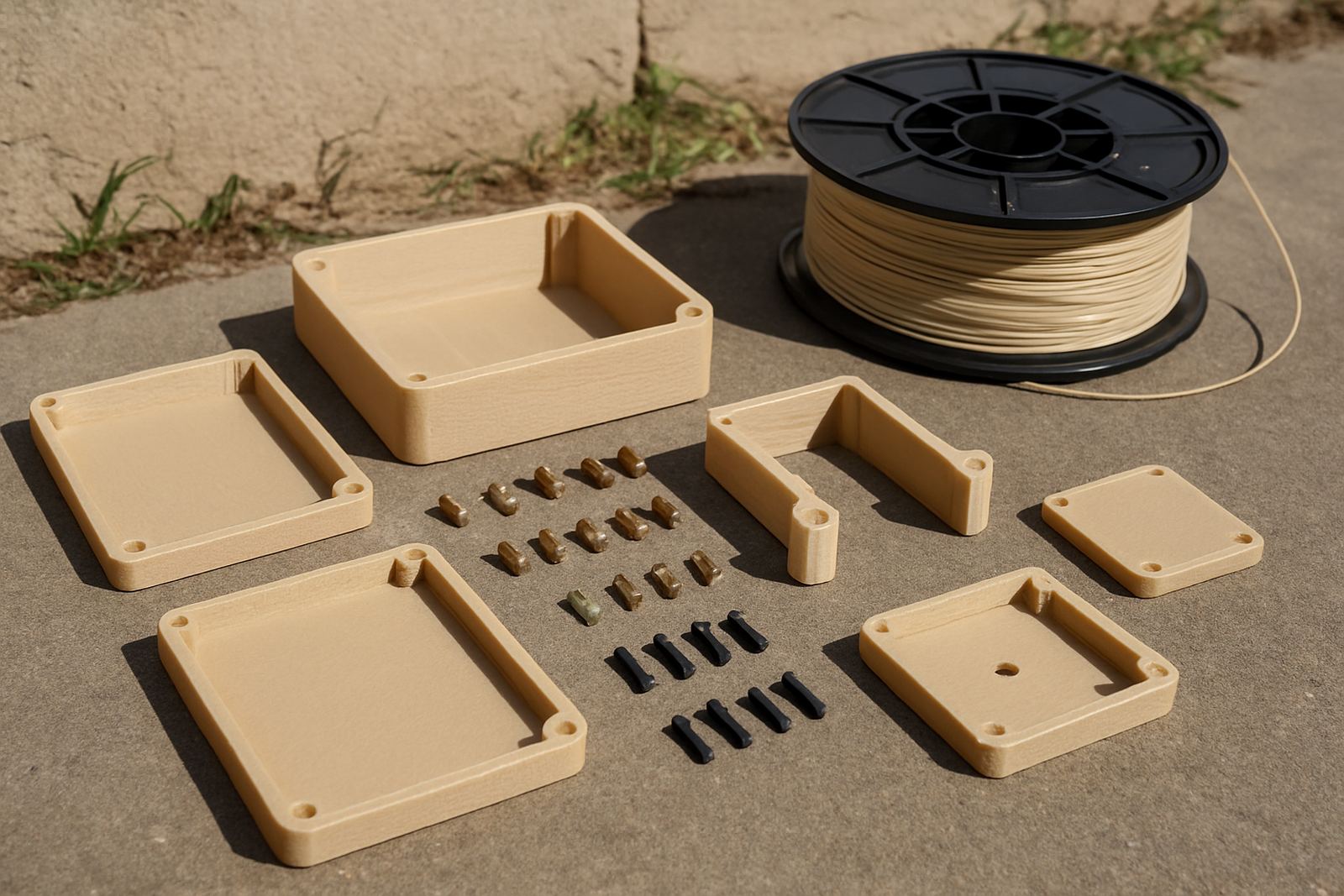
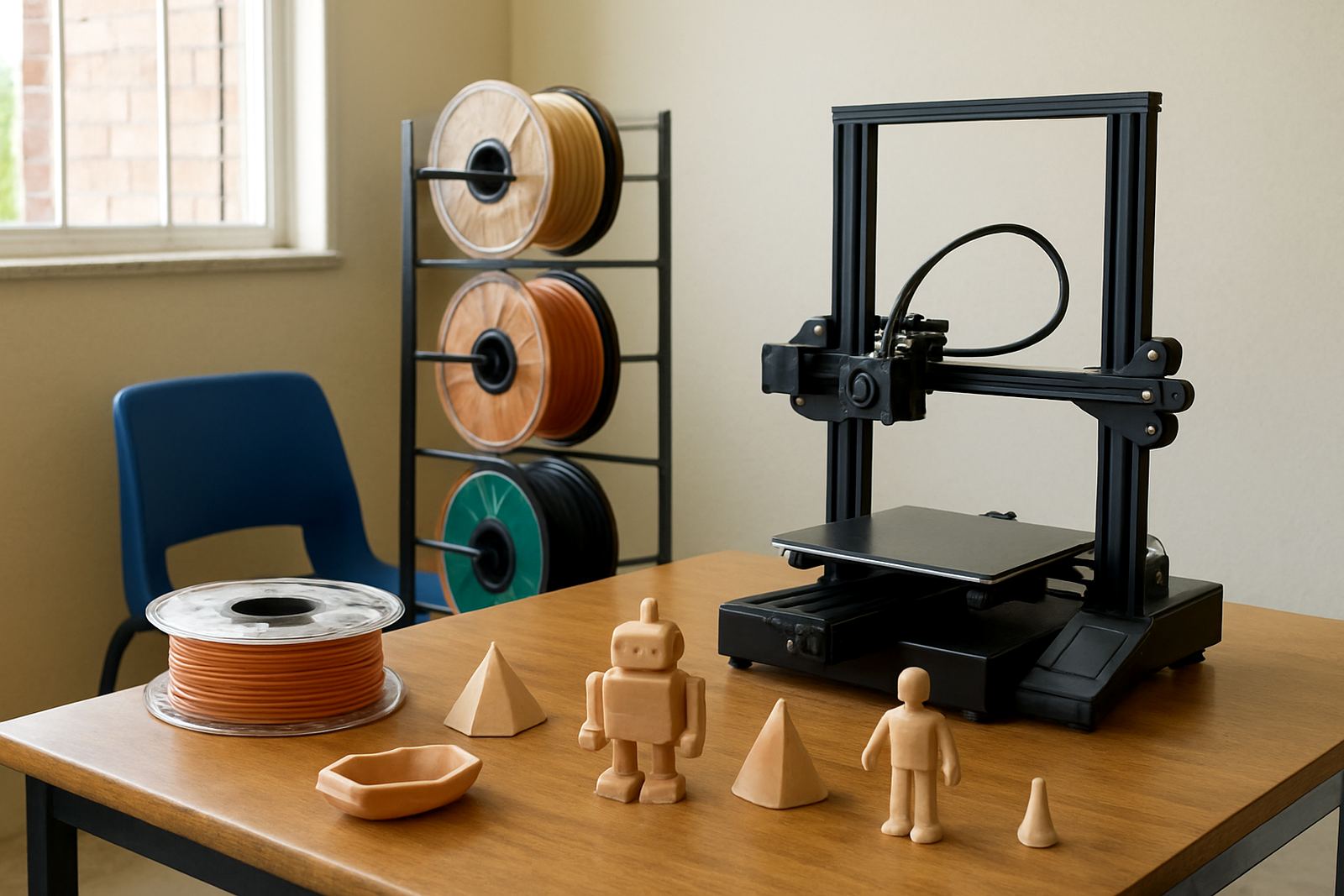
3D printing has become part of many technology and design programmes. PETG filament is a strong choice for schools that need parts with more durability than basic display models. It is useful for jigs, brackets, prototype housings, clips and functional pieces that learners can test, refine and remake. The material gives a good balance between printability and strength, which helps in busy training spaces where time and material waste matter.
For teachers managing several classes, the benefit is that filament projects can be planned in batches. This makes it easier to print multiple copies of the same component for group work, repair tasks or practical assessments. It also suits after-school maker spaces where learners want to build items they can actually use, not just look at.
- Prototypes for design and engineering lessons
- Functional parts for demonstrations and repairs
- Repeat prints for group assignments
- Useful for learners who need practical hands-on results
Practical Cutting and Finishing for Education Orders
Education projects often need a mix of standard sizes and custom pieces. That is where straight cuts, strip cutting, panel cutting and hole marking help. A teacher might need ten identical covers for a class set or one-off pieces for a model. With small batch cutting and large batch cutting available, schools can order what they need without buying more material than necessary.
Edge deburring also matters in a learning environment because students handle the finished parts. Clean edges make the material easier to use and safer to pass around in classrooms or workshop spaces. Film left on can be useful too, especially when items are being stored before a school event or practical assessment.
- Custom sizing for lessons and assessments
- Panel cutting for larger class projects
- Hole marking for mounting and assembly
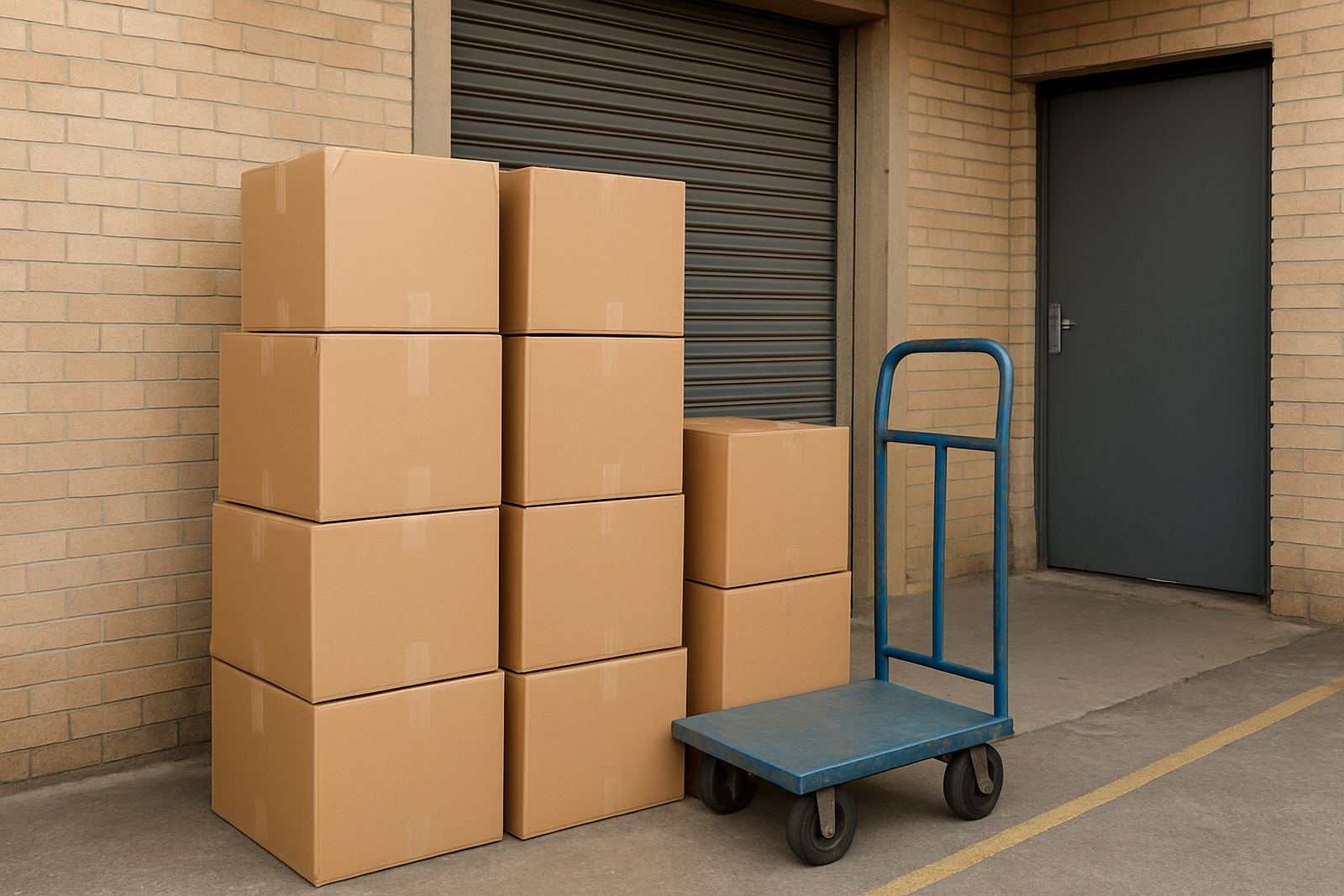
- Courier packing and job labelling for organised delivery
A Local Example from Cape Town Training Rooms
A training centre in Epping may need several clear panels for machine safety demonstrations, plus a set of printed parts for a design module and a few labelled covers for filing or display. In that kind of setup, one order can include sheet cutting for the workshop and filament for the 3D printer, all managed from the same local base. That saves time and keeps the practical work moving even when term schedules are tight.
For schools around Bellville, Parow, Claremont or Somerset West, collection is useful when a project is urgent and the next class is already booked. For schools further out, courier delivery of filament keeps supply simple. If a project needs to be split into sets for different classes or campuses, clear labelling and packing make handover easier for staff.
- Epping Collection for local pickup
- Courier delivery for filament nationwide
- Useful for schools in Cape Town, Stellenbosch and Paarl
- Ideal for multi-campus training organisations
How Educators Choose the Right Material for the Job
The best way to choose PETG for education is to start with the use case. If the part needs to be clear, tough and easy to clean, a sheet may be the right answer. If the project needs a shape that can be printed or repeated quickly, filament may be better. When in doubt, it helps to ask for material advice before placing the order, especially if the item will be used by younger learners or in a high-use workshop.
A few simple questions guide the decision: Will the item be handled daily? Does it need mounting holes or a smooth edge? Will it live near dust, heat or humidity? Answers to those questions help match the material to the classroom job so the finished piece lasts longer and performs properly.
- Choose sheets for covers, guards and displays
- Choose filament for printed parts and prototypes
- Check whether the item needs film left on for transport
- Plan batch sizes around the term calendar and class numbers
Reliable Supply for Schools and Training Centres
Educational buyers usually work to fixed budgets and fixed dates. That means material supply has to be predictable, with clear sizes and tidy packing. PETG is a good fit because it can be supplied in the form needed for the job, whether that is a cut sheet for a workshop bench or filament for a printer in a design room. When the order is labelled and packed properly, staff can get straight to the lesson instead of sorting through loose pieces.
For practical projects that need repeatability, durability and a neat finish, PETG gives schools a workable middle ground. It supports everyday teaching without demanding special treatment and that is exactly what most education spaces need.