
What gets checked before filament leaves Epping
Before a spool is handed over for couriering, it is checked for condition, quantity and labelling. That may sound basic, but it matters when a parcel is going from Cape Town to a workshop in Kimberley, a studio in Durban or a home setup in Polokwane. Spools are inspected for damage, loose wrap and any signs that the filament could have shifted during handling.
Each order is then prepared for the trip with the same practical approach used for our sheet cutting work. The aim is simple: keep the filament clean, keep the spool stable and make it easy to identify when it arrives. If the parcel contains more than one item, we label it clearly so there is less room for confusion at receiving.
- Spool condition is checked before packing
- Items are labelled for easy receiving
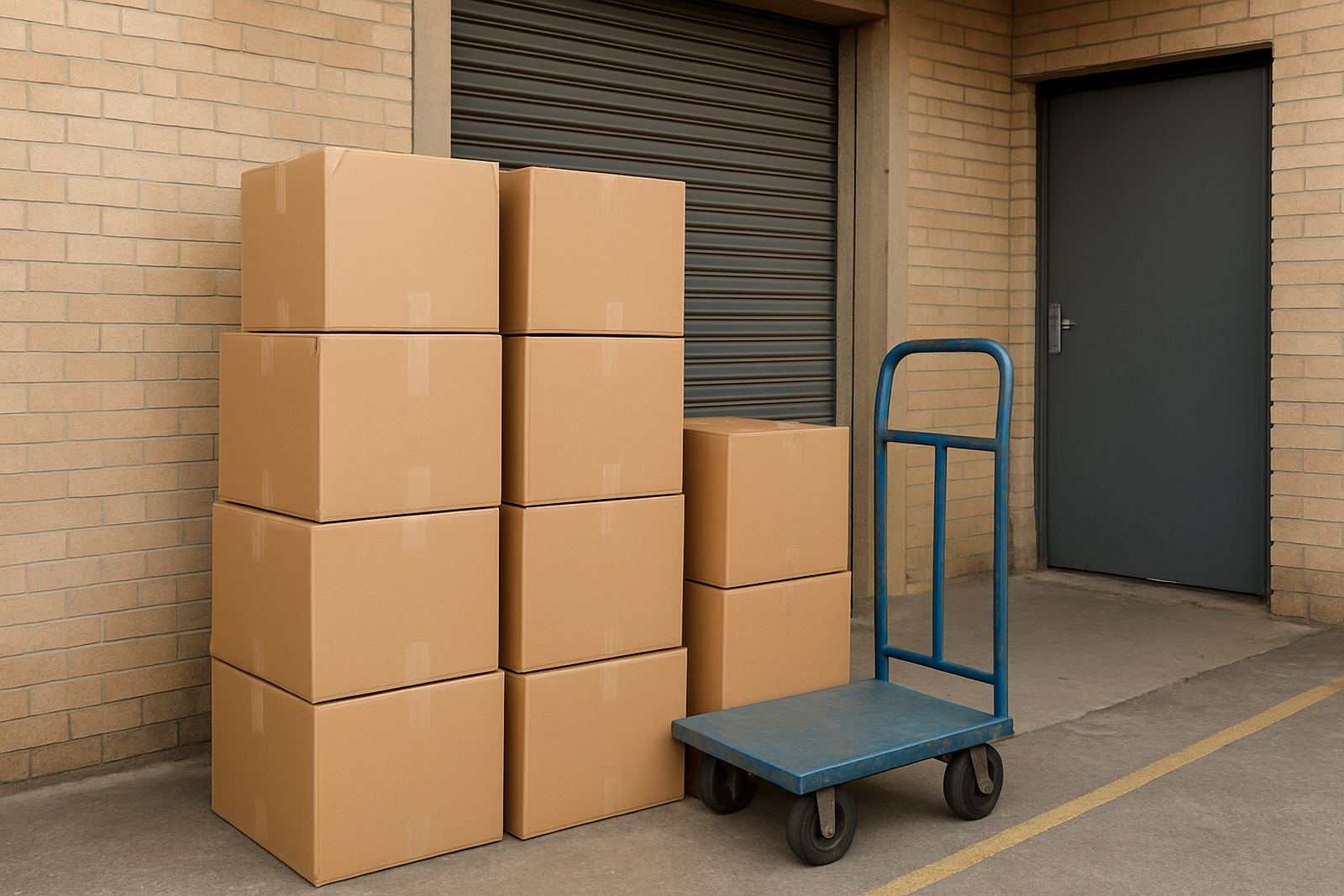
- Orders are packed to reduce movement inside the carton
- Courier details are matched to the correct delivery area
How packaging protects filament in South African conditions
Filament can be sensitive to rough handling, moisture and unnecessary pressure. That is why packing needs to be more than a quick wrap in a box. We use materials that help the spool stay in place and keep the filament protected from dust and scuffing during transit. Coastal humidity in places like Cape Town, George and Richards Bay makes that especially important.
South African courier routes are not all the same. A parcel going by road from Cape Town to the Highveld may be in transit for several days, and during that time it can be stacked, shifted and exposed to temperature changes. Good packing reduces the risk of the spool arriving deformed or the filament loose on the reel.
For customers who order multiple spools, we also keep the box weight sensible for handling. A parcel that is overpacked is more likely to get knocked about, so the goal is to balance protection with practical transport.
- Protection against dust and moisture
- Reduced movement inside the carton
- Better handling on road freight routes
- Clear external labelling for sorting and delivery
Courier timing, delivery areas and what to expect
Nationwide delivery does not mean the same lead time for every town. A delivery to central Cape Town or the northern suburbs will usually move faster than a parcel heading to a smaller town, a farm address or an area with limited access. Customers often ask why timing varies and the answer is usually simple, it depends on the courier line, the route and how easily the driver can reach the final stop.
We courier filament across South Africa, including larger cities and outlying areas. If a delivery needs to go to a business park in Montague Gardens or Bellville, it is often straightforward. If it is going to a home workshop in Somerset West or a project site near Paarl, then accurate address details help a lot. Clear suburb names, unit numbers and gate instructions can save a missed delivery and another day of waiting.
For local customers who prefer collection, we also support collection areas around Cape Town, but the focus here is on getting filament safely out to the rest of the country.
A practical example from Cape Town to the interior
Take a maker in Epping who orders several spools for a small production run. The order is packed on a Wednesday afternoon, checked against the job label and handed to the courier for an overnight route inland. By Friday, the parcel is at a workshop in Bloemfontein where the team needs to keep prototypes moving before a client meeting on Monday.
That is the kind of delivery pattern many South African businesses work with. The parcel does not need special treatment, but it does need proper preparation. If the carton is too loose, the spools can shift. If the label is unclear, the parcel can be delayed at sorting. If the customer has not given the right delivery instructions, the driver may waste time at the gate or security point.
In practice, the best deliveries are the boring ones. The box arrives, the spools are intact and the customer can get on with printing instead of chasing a courier.
How to prepare your workshop for a filament delivery
When filament is on the way, it helps to have your printer space ready before the box lands. That matters even more if you are working around load-shedding schedules or running prints overnight. A clean shelf, dry storage and a clear note of which spool goes into which job can save time when the parcel arrives.
If you work in a coastal area, keep the filament in a sealed container or cupboard once it is opened. If you are in a hot inland space, avoid leaving it in direct sun or near a window. These are small habits, but they make a difference to print consistency and reduce waste.
- Keep a dry storage box ready before delivery
- Check the spool label against your job sheet
- Allow time for the filament to settle in the workshop temperature
- Store open spools away from sun, dust and damp
When to ask for advice before you place the order
Not every filament order is the same. Some customers need one spool for a weekend prototype. Others need several spools for production, teaching, or a design office running repeated test prints. If you are unsure about the best quantity, the right packing method or whether a delivery address will suit courier access, it is worth asking before the order goes out.
That is especially useful for customers working with tight deadlines, municipal delivery restrictions or sites with controlled access. A little planning can prevent delays and make sure the filament arrives ready for use. For many South African businesses, the real value is not just the material itself, but the fact that it can be delivered in a way that fits the way they work.
Nationwide filament delivery should feel straightforward. The order is prepared carefully in Cape Town, packed for the route ahead and sent with the details needed to land at the right place on the other side.