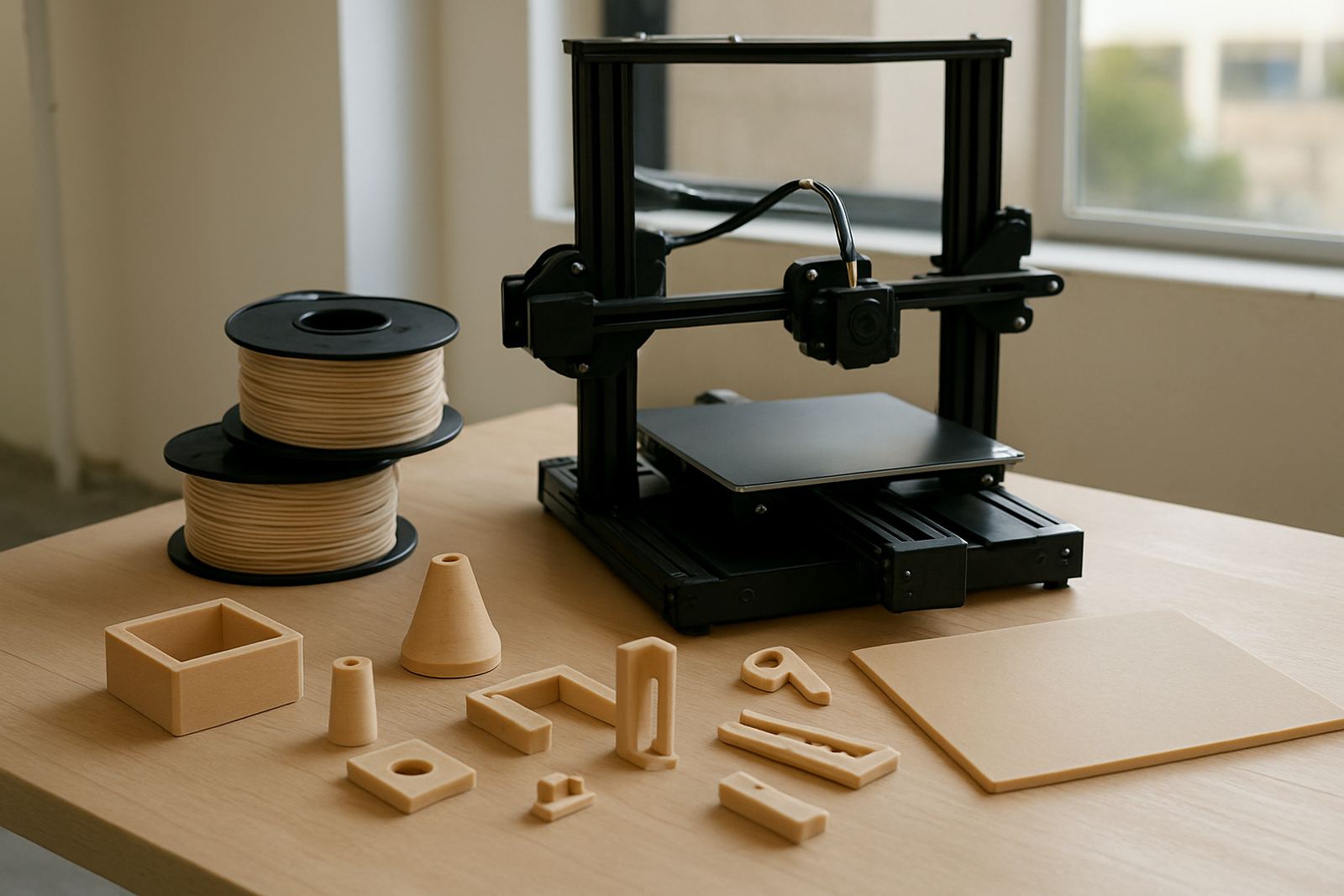
A practical filament for parts that must work
PETG is popular because it gives you a sensible mix of strength, impact resistance and finish. It is not the hardest filament on the market, but it is dependable for brackets, covers, housings, jigs and display parts that need to survive regular handling. In a Cape Town workshop with the doors open to a bit of sea air and a deadline on the wall, that kind of consistency matters.
For many South African users, PETG also solves a common problem: the part must look neat, but it cannot be too brittle. A prototype that cracks after one test fit wastes material and time. PETG holds up better than basic brittle options, and it often keeps its shape more reliably when there is a bit of warmth around it.
- Good for working parts, not just display models
- Better impact resistance than many brittle general purpose filaments
- Suitable for indoor and sheltered outdoor use
- Common choice for prototypes, covers and light duty production runs
Why the finish matters in client-facing work
When a part is going to be seen by a customer, a clean surface finish can be just as important as strength. PETG usually prints with a neat, slightly glossy look that suits presentation models, branded components and retail display pieces. It does not always hide layer lines completely, but it tends to give a tidier result than a lot of rougher materials.
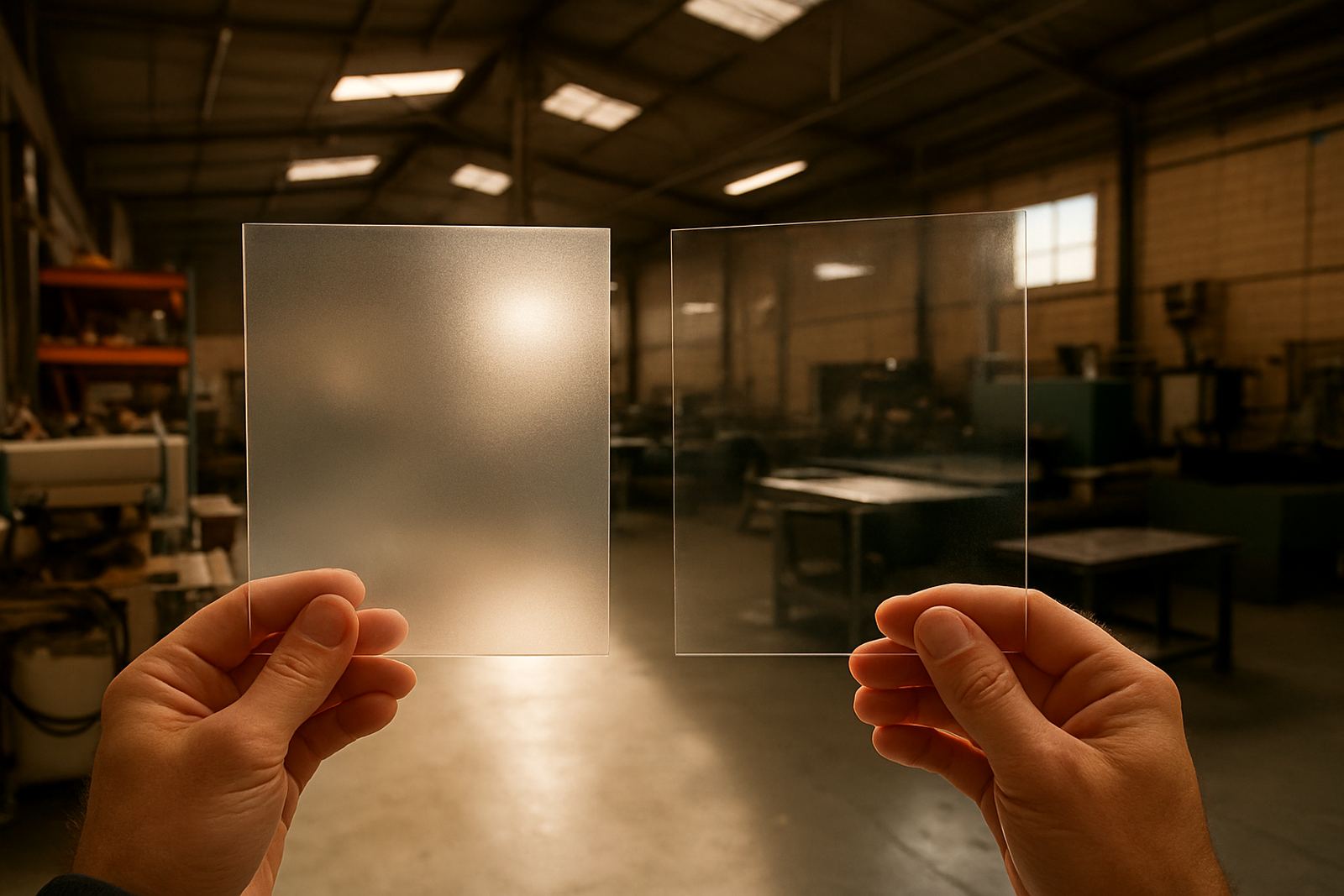
That matters if you are making items for architecture models, product samples or exhibition pieces. A good finish can save post-processing time, and less sanding means less labour. For some jobs, especially where a clear guard or front panel is needed, PETG can be a practical choice because it looks clean without needing excessive finishing work.
- Useful when the part will be handled by clients or staff
- Can reduce sanding and finishing time
- Works well for clear or translucent applications
- Suitable for prototype approval pieces and sample runs
Flexibility without giving up too much stiffness
PETG has enough flex to take a knock without snapping immediately, yet it still feels firm in use. That makes it a strong option for clips, guards, mounts and fittings where a little give is helpful. In practice, this balance is one of the reasons it is such a steady workshop material.
If you are printing parts that must fit together, a small amount of flexibility can be an advantage. It helps with snap fits, assembly and removal from jigs. At the same time, PETG stays stable enough for parts that need to hold alignment. You do not get the soft feel of a very flexible material, so it remains suitable for applications where shape is important.
For a small fabrication team in Epping or Montague Gardens, that balance can reduce failed prints and keep the work moving. When the power comes back after load-shedding and the job needs to continue, a material that behaves predictably is worth a lot.
Where PETG fits in local making and production
Across Cape Town, from Bellville to Somerset West, many businesses need parts that can be made quickly and put into service without fuss. PETG suits a wide range of these jobs because it is practical rather than specialised. It is often used for prototype batches, workshop aids, custom enclosures and presentation items for clients who want something more durable than a quick mock-up.
For local manufacturers and designers, the attraction is simple: the filament needs to print cleanly, hold detail and survive normal handling. That makes it suitable for short runs as well as one-off items. It is also useful when a team wants a repeatable result across multiple prints, especially where parts must match closely from job to job.
- Prototype parts for product development
- Workshop jigs, guides and holders
- Display pieces and sample components
- Functional parts for light industrial use
What to expect when printing PETG
PETG is not difficult, but it does reward sensible settings and a clean setup. It generally prints best when the bed adhesion is managed properly and the first layer is set carefully. Too much heat or too much squish can cause stringing or a messy surface, so a steady approach usually gives the best result.
Many users find that PETG likes a controlled print environment. Drafts, sudden temperature shifts and badly prepared build surfaces can affect the outcome. In a coastal area, humidity can also play a role, so keeping filament sealed when not in use is a good habit. Dry material usually gives you a more consistent print, fewer bubbles and a cleaner finish.
- Store filament properly to limit moisture pickup
- Use sensible cooling rather than overcooling
- Check bed adhesion before long prints
- Allow for neat removal of support material and stringing control
Choosing PETG for a job, not just for a printer
The best material choice starts with the job itself. If the part must be tough, neat and suitable for everyday handling, PETG is often the right middle ground. It is a practical material for people who need results, not experiments. That applies whether you are making a small batch of client samples or a set of fitted parts for a workshop in Paarl, Stellenbosch or Claremont.
At PETG in Epping, sheet cutting and filament supply sit alongside practical material advice, small batch cutting and courier packing for national delivery. If your project involves printed parts and you need to choose the right filament, it helps to think about heat, load, finish and how the part will be used after printing. That is where PETG often earns its place.
In short, print PETG when you need something that looks tidy, handles a knock and works in real use. It is not the answer to every application, but for many South African makers it is the material that keeps a job moving without making life difficult.