




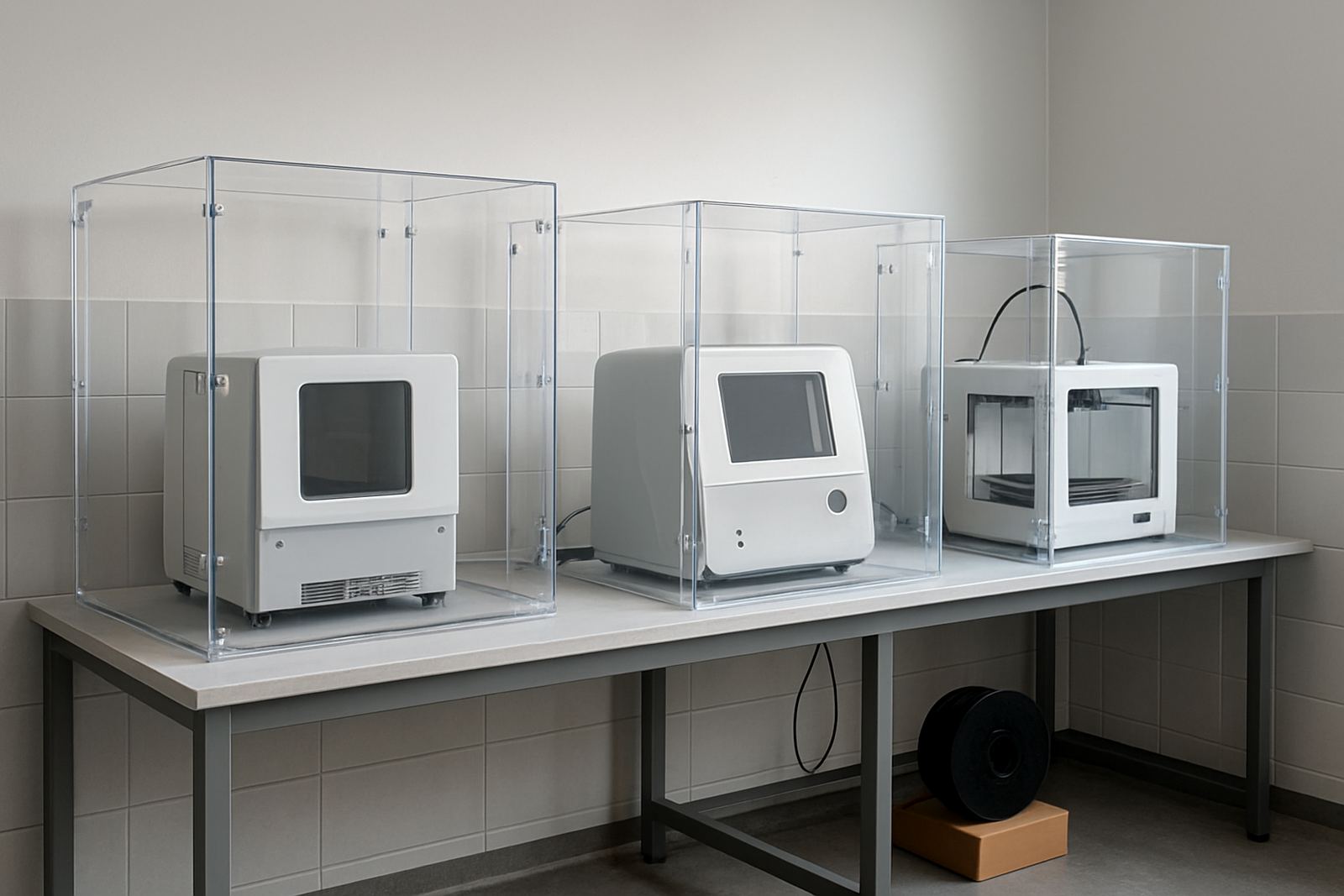
Choosing between sheet and filament for your job
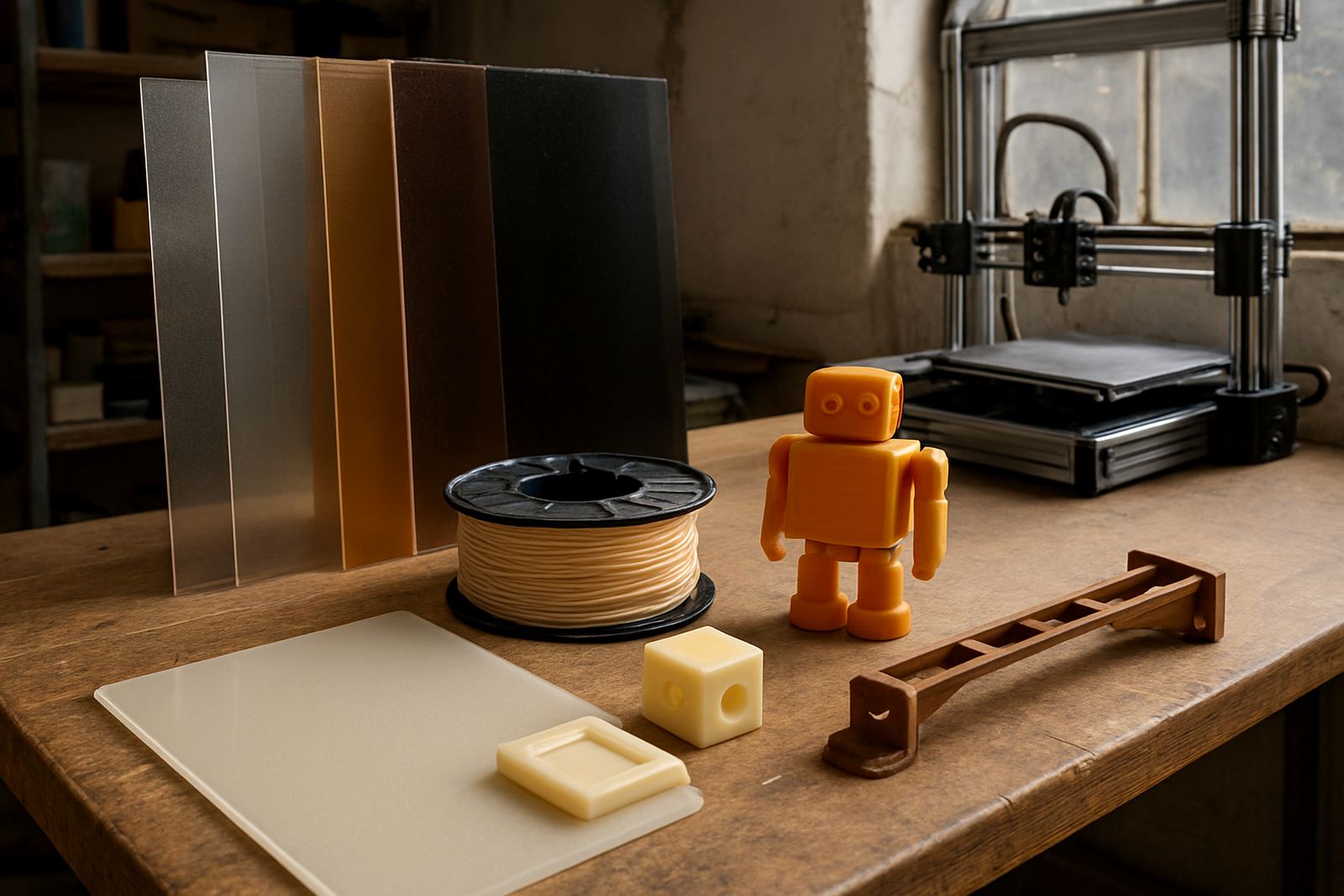
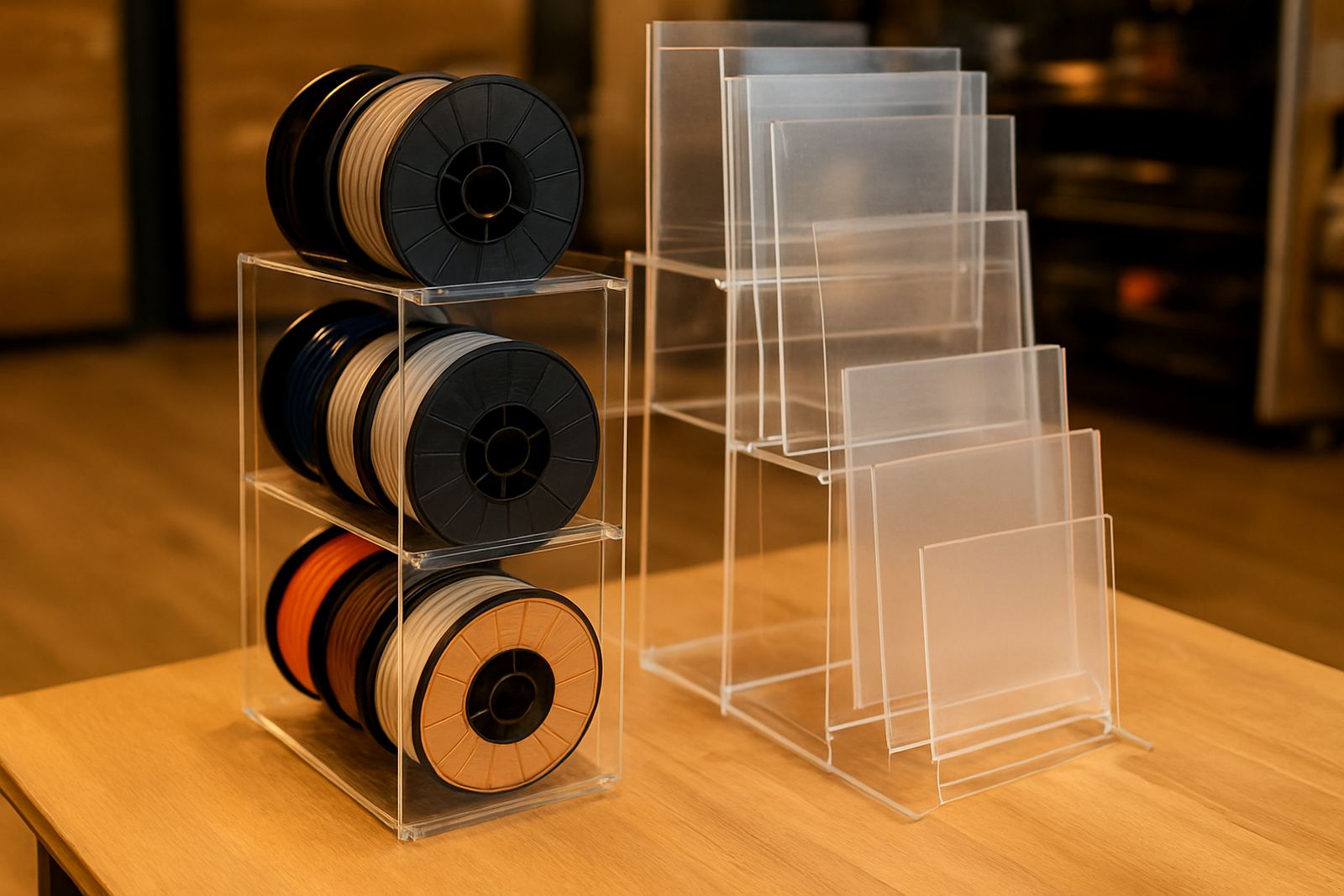
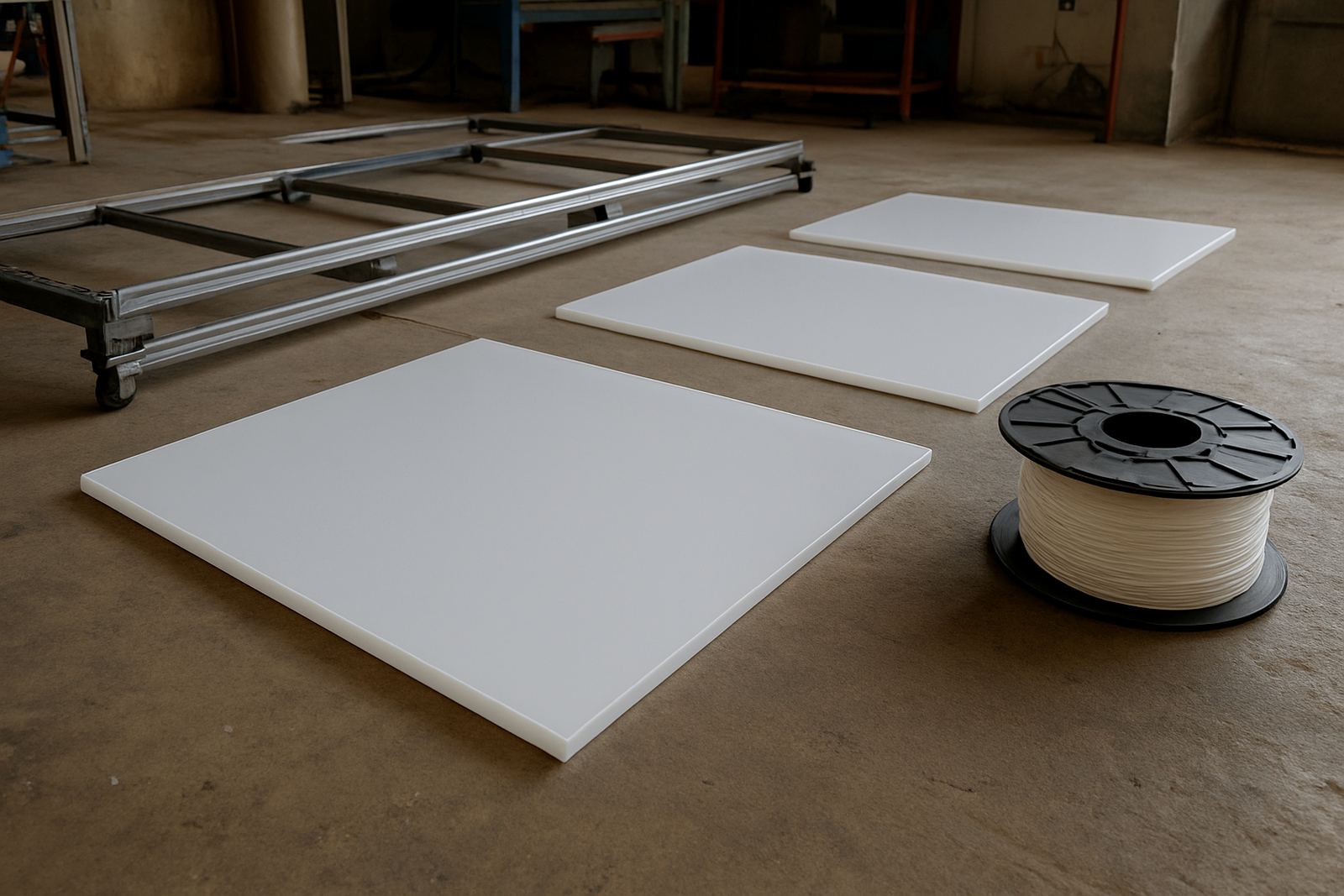
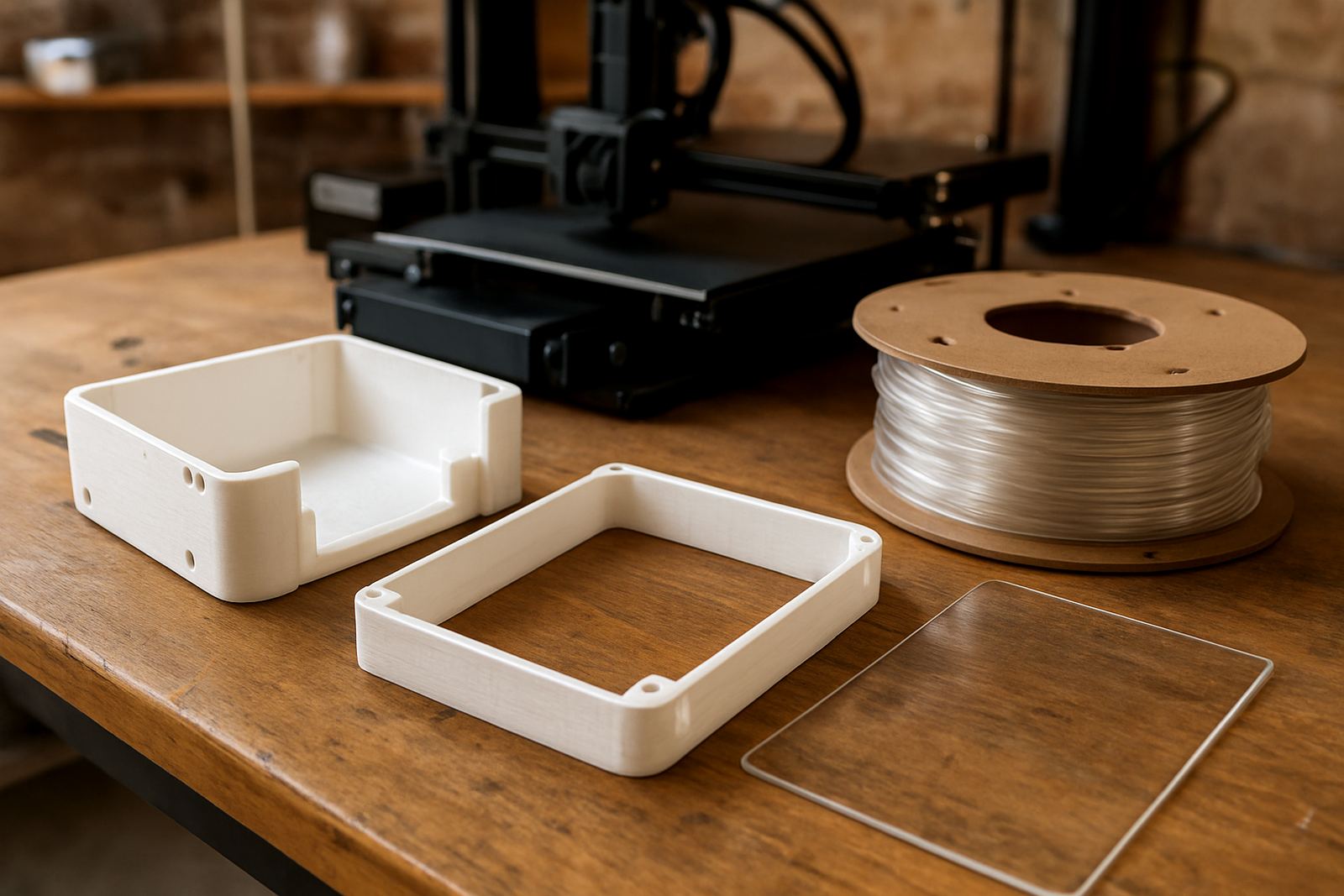
Start with the end use. PETG sheet is the better choice when you need flat parts, guards, covers, signage inserts, machine panels or formed components that can be cut to size in Cape Town. Filament is better when the part needs to be 3D printed, trialled quickly or adjusted in small steps before full production.
If you are working in manufacturing, design or prototype development, the decision usually comes down to shape, quantity and turnaround. Sheet is good for straight cuts, panel cutting and strip cutting. Filament suits brackets, jigs, fixtures and one-off parts where the model may change after the first print. In both cases, PETG gives you a practical balance of strength and ease of handling, especially when you need a clean finish without too much fuss.
- Choose sheet for flat or formed parts
- Choose filament for printed prototypes and custom pieces
- Choose cutting services when repeat sizing matters
- Choose couriered filament when the team is outside Cape Town
Where PETG sheet is commonly used
PETG sheet is popular in workshops, fabrication spaces and retail fit-outs because it handles day to day use well. It can be cut, marked and prepared for fitting, and it is useful where a clear or coloured panel is needed without the weight and handling issues of heavier materials. Around Cape Town, it is often specified for jobs that must cope with dust, coastal humidity and regular cleaning.
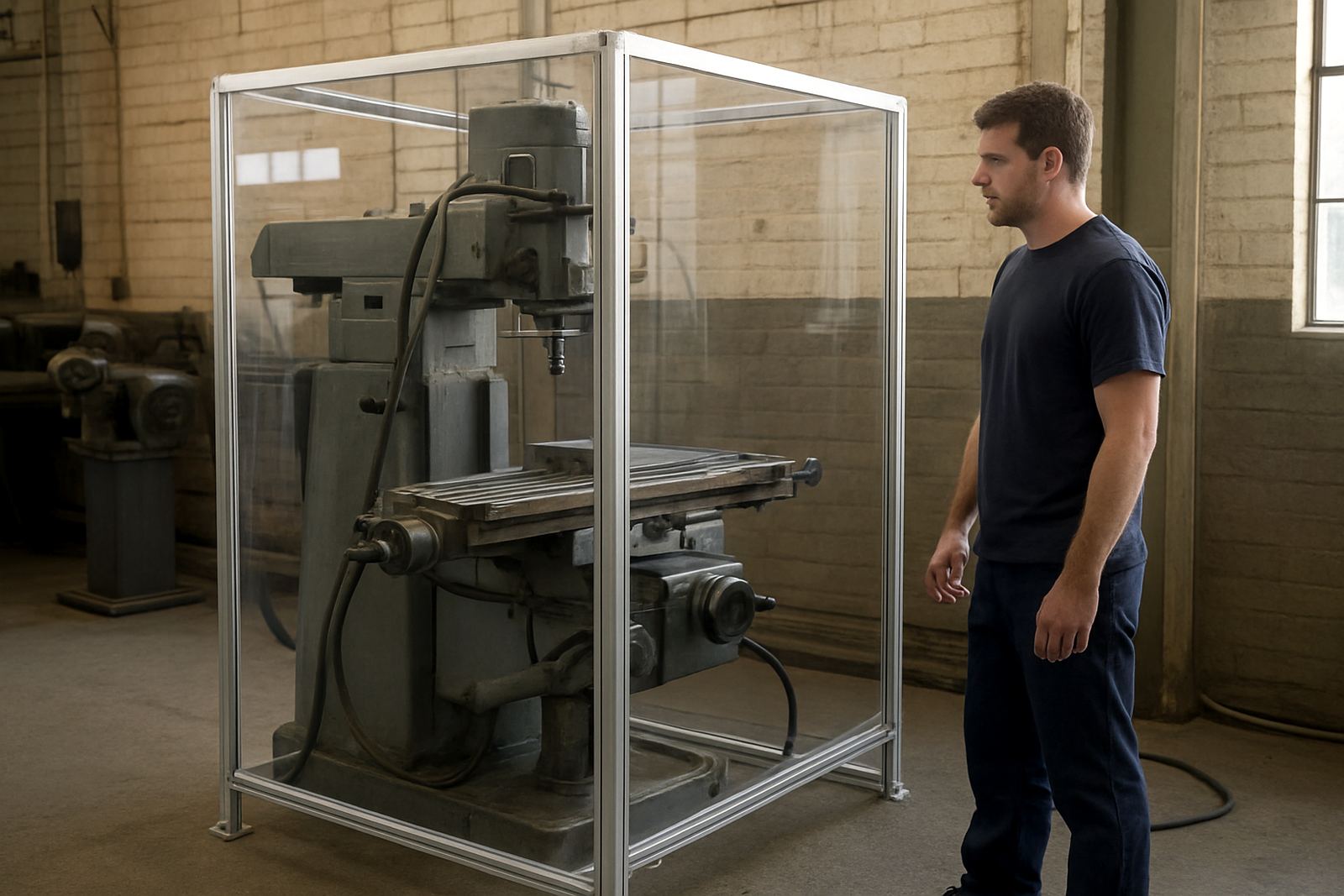
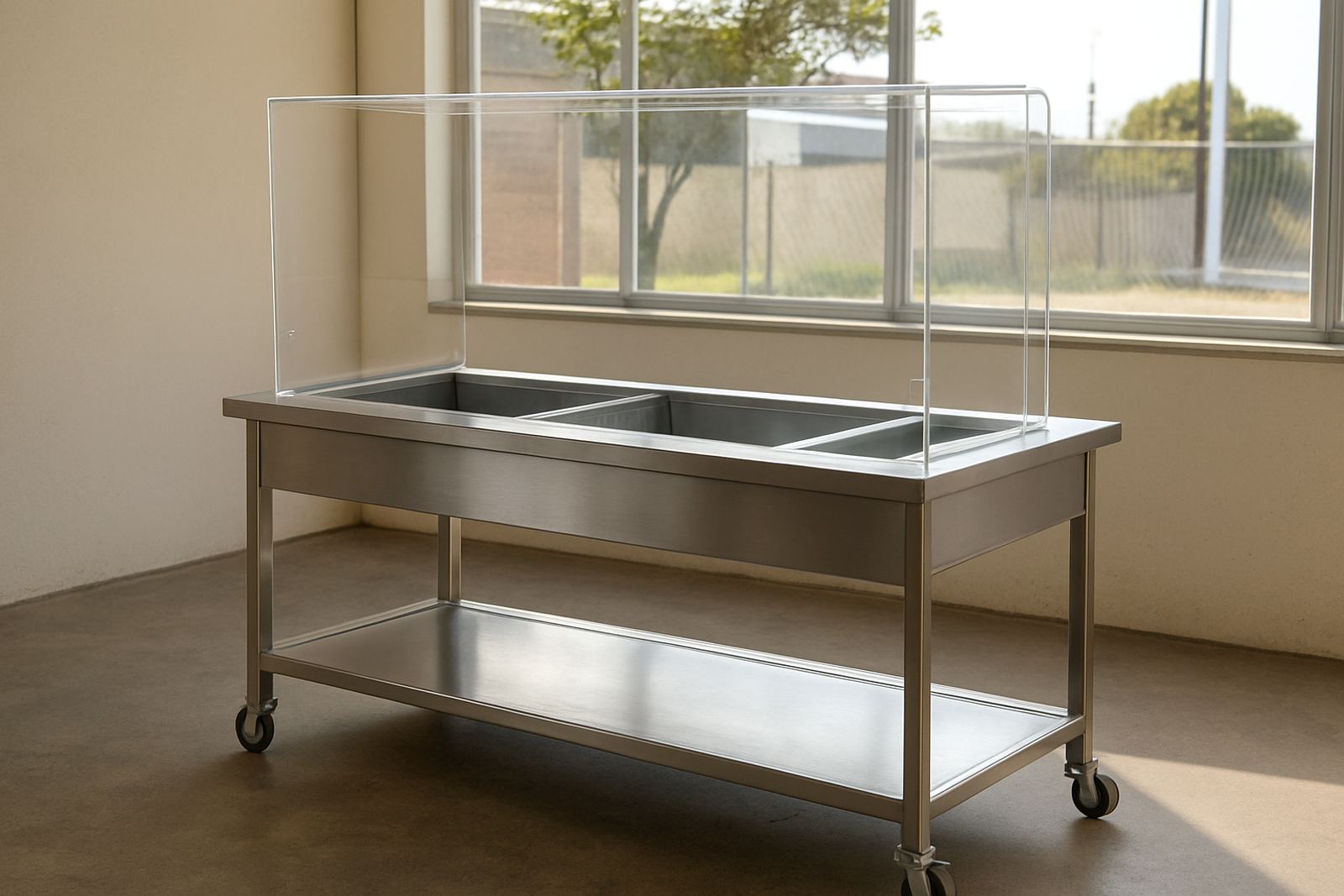
Common uses include protective screens, machine guarding, display panels, internal covers, packaging inserts and light duty fabrication work. For businesses in Epping, Montague Gardens and Bellville, sheet can be prepared to size so teams spend less time trimming on site. That helps when labour is tight, power interruptions affect workshop time, or the installation must happen quickly.
- Protective covers and guards
- Point of sale and display work
- Workshop panels and machine surrounds
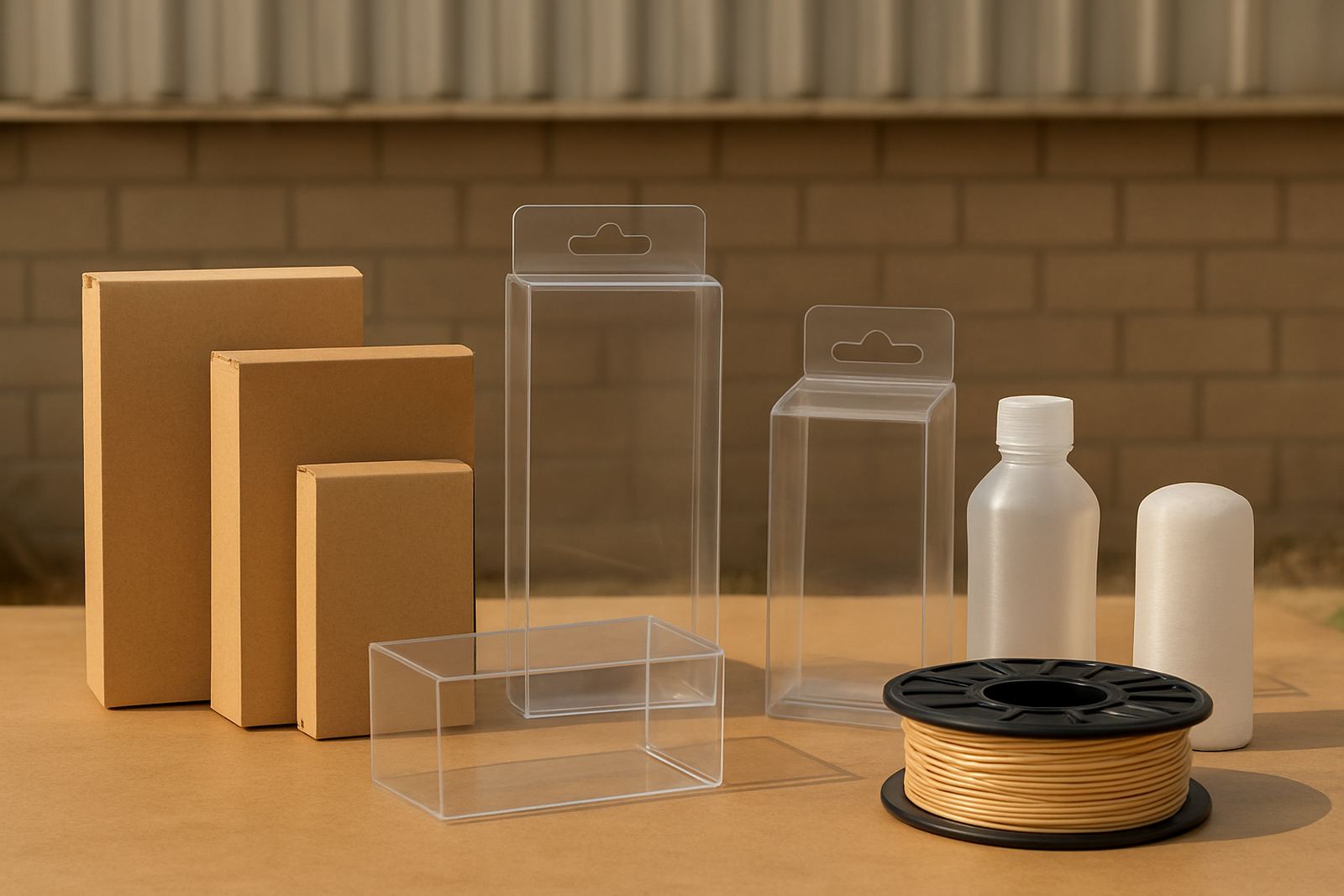
- Packaging inserts and fitted components
3D printing uses for PETG filament
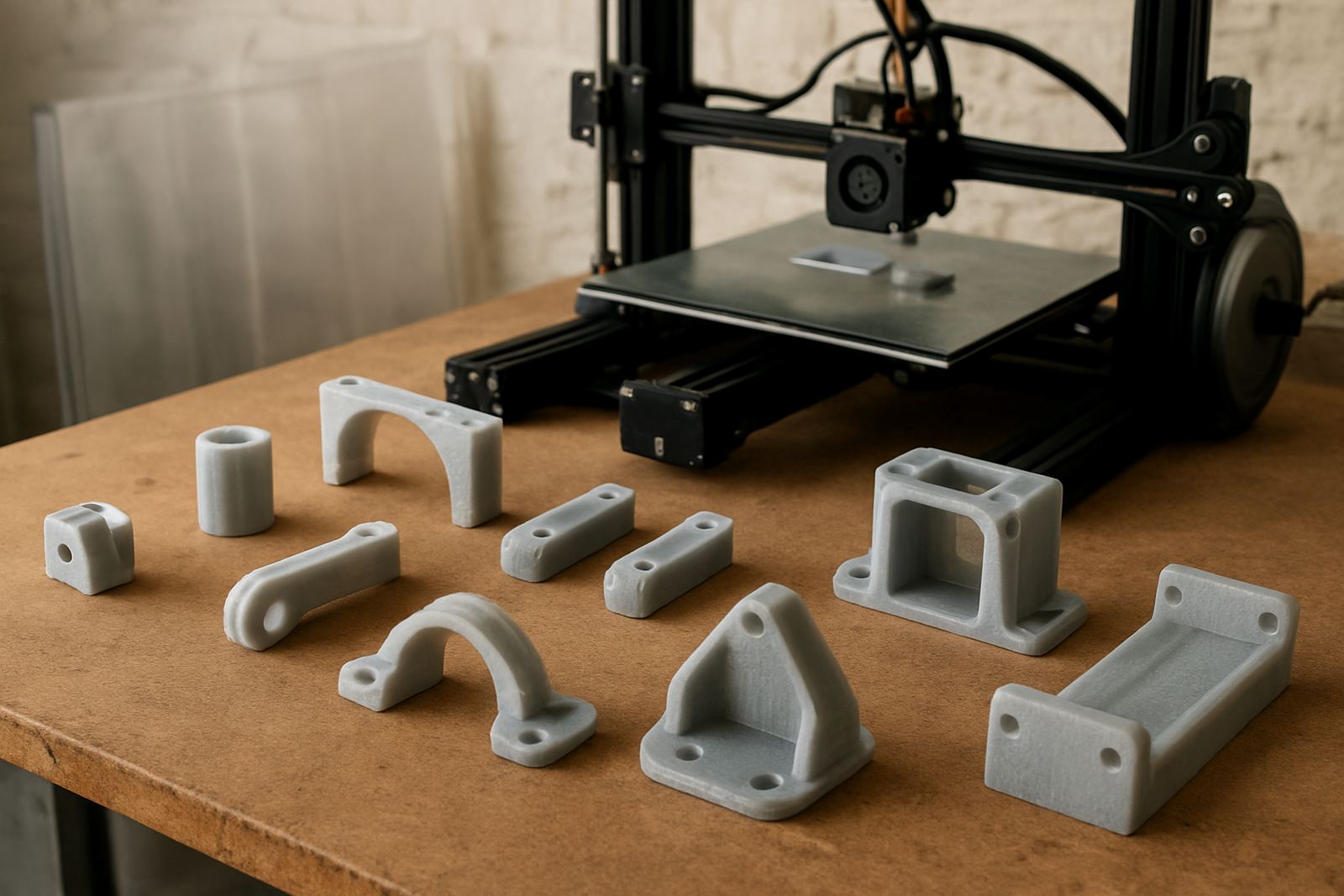
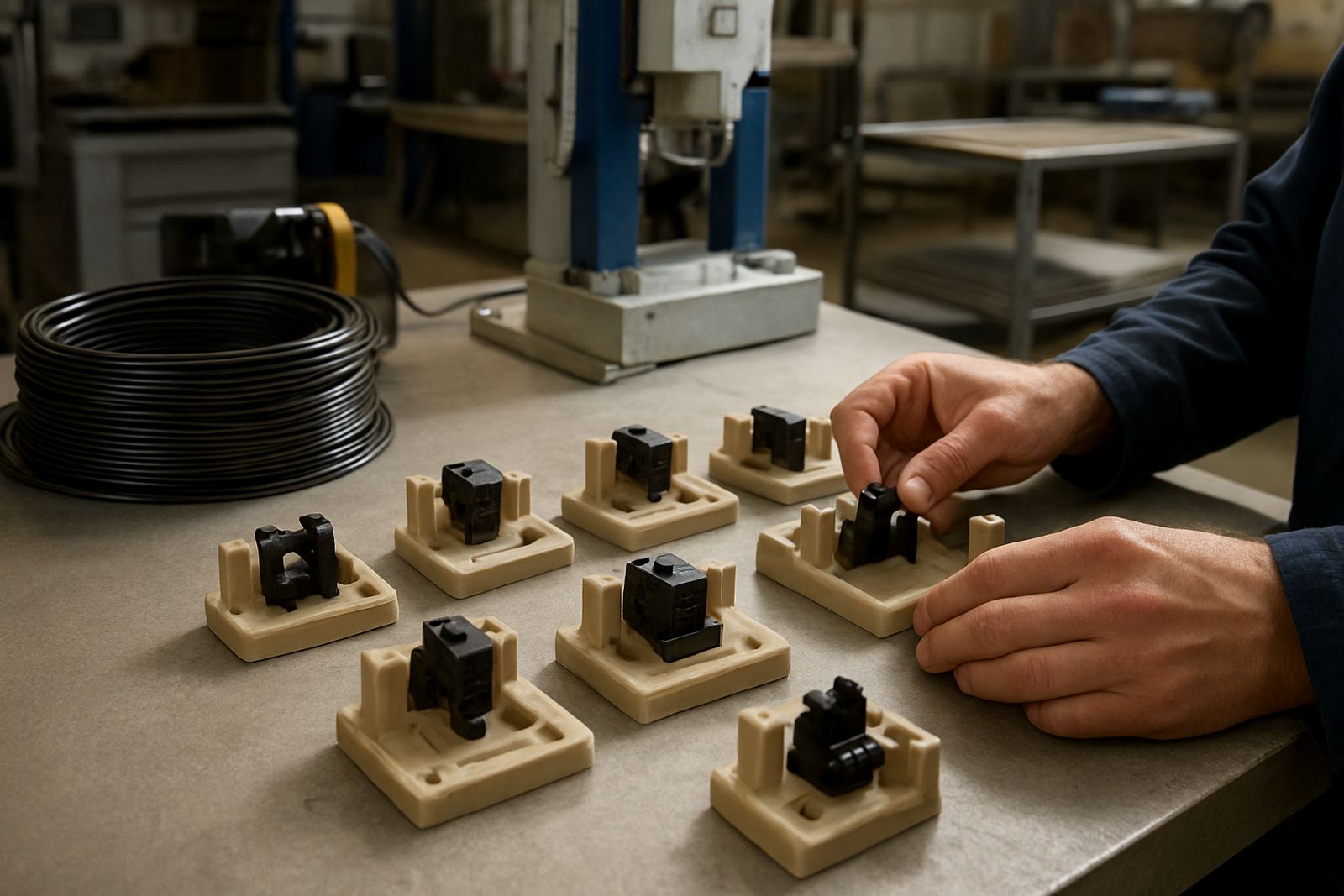
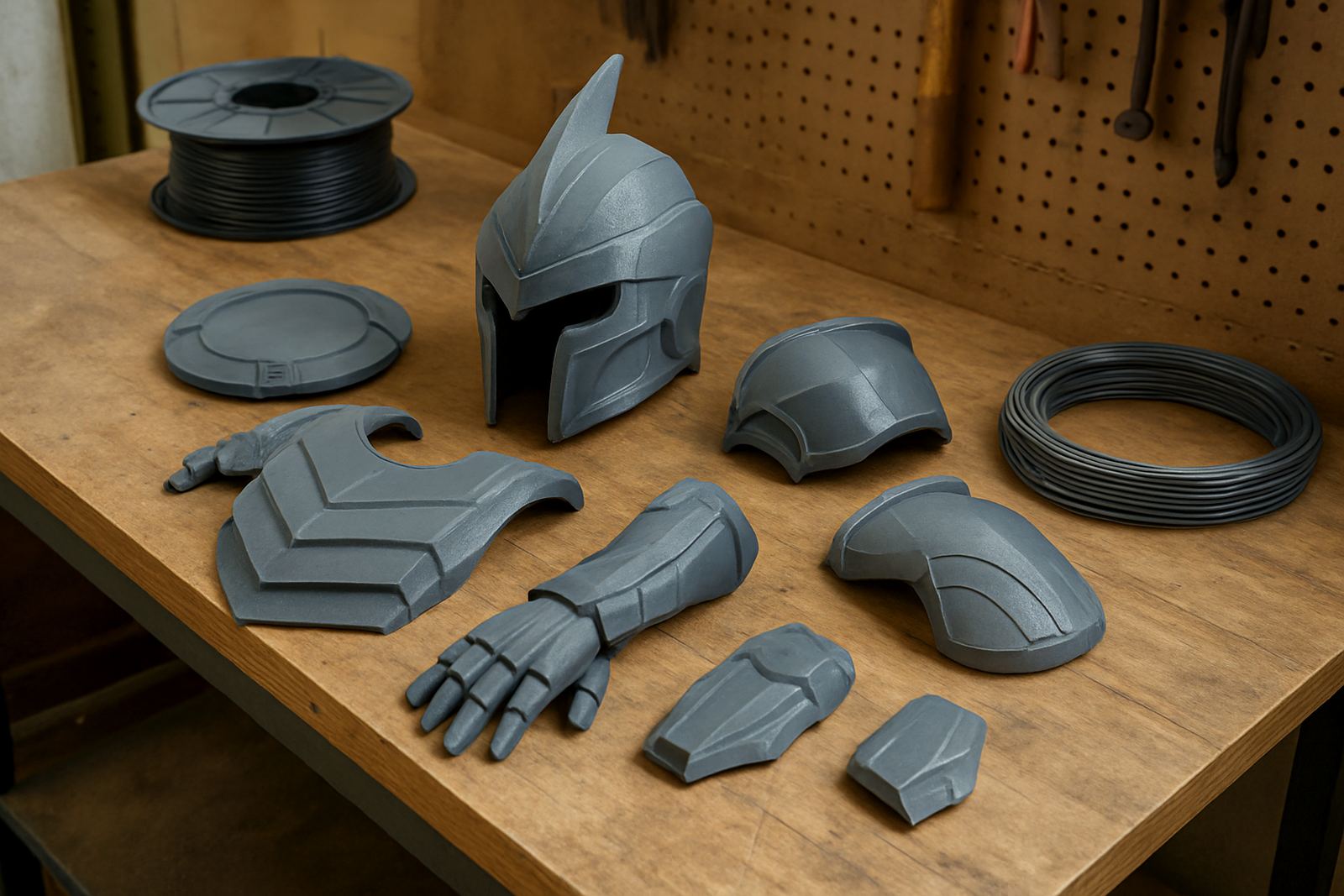
Petg filament is well suited to parts that need repeatable print settings and a dependable finish. Many users choose it for functional prototypes, tool holders, custom jigs and fixtures because it is practical for parts that must fit, hold shape and be checked before a larger run. If a design is still changing, filament lets you test dimensions without committing to full sheet fabrication.
For South African users, the real advantage is supply and support. Filament can be couriered nationwide, which helps teams in Somerset West, Paarl, Stellenbosch, Claremont and beyond keep printing without waiting for a local source. It also suits small batch work where one job may be a single prototype and the next may be a short production run.
- Functional prototypes
- Jigs, fixtures and holders
- Custom workshop parts
- Short run production pieces
Cut-to-size work for commercial and trade projects
When a job has to fit first time, cut to size material saves time. Our sheet service covers straight cuts, custom sizing, strip cutting, panel cutting and small or large batch cutting. That is useful for fabricators, installers and production teams that need consistent dimensions across multiple pieces. Film left on can also be kept in place where the surface must stay protected during handling.
Edge deburring and hole marking are useful on jobs that go straight from collection to assembly. This matters for shops working to municipal requirements, factory fit-outs or tidy retail installations where the final presentation counts. If you are collecting from Epping, Parow or Claremont, prepped sheets can reduce on site handling and keep the job moving.
Working conditions that PETG handles well
PETG is often chosen because it stays practical in ordinary workshop and site conditions. It handles moisture better than many basic plastics, which matters near the coast and in humid storage areas. It is also useful where parts may be handled often, cleaned regularly or moved between different work areas during a project.
That makes it a strong option for Cape Town and nearby towns where jobs can move from workshop to site in the same day. Whether the material is going into a retail display, a production line or a prototype for testing, the focus is on reliable use rather than overcomplicated materials. The aim is simply to get a part that fits, works and can be supplied again when needed.
How teams usually specify PETG for the next step
When you send through an enquiry, it helps to state the thickness or filament type, the required size, quantity and whether you need cutting, labelling or courier packing. If you are unsure about the best format, material advice can help you narrow it down before the order moves to production. That is especially useful for repeat work, where one small change can affect fit and finishing.
For buyers in manufacturing, design and prototyping, PETG is most useful when the goal is practical and measurable. You want a sheet or filament that arrives in the right form, is easy to work with and suits the job without extra waste. That is the standard that keeps work moving in South African conditions.