
Why PETG suits laboratory covers and guards
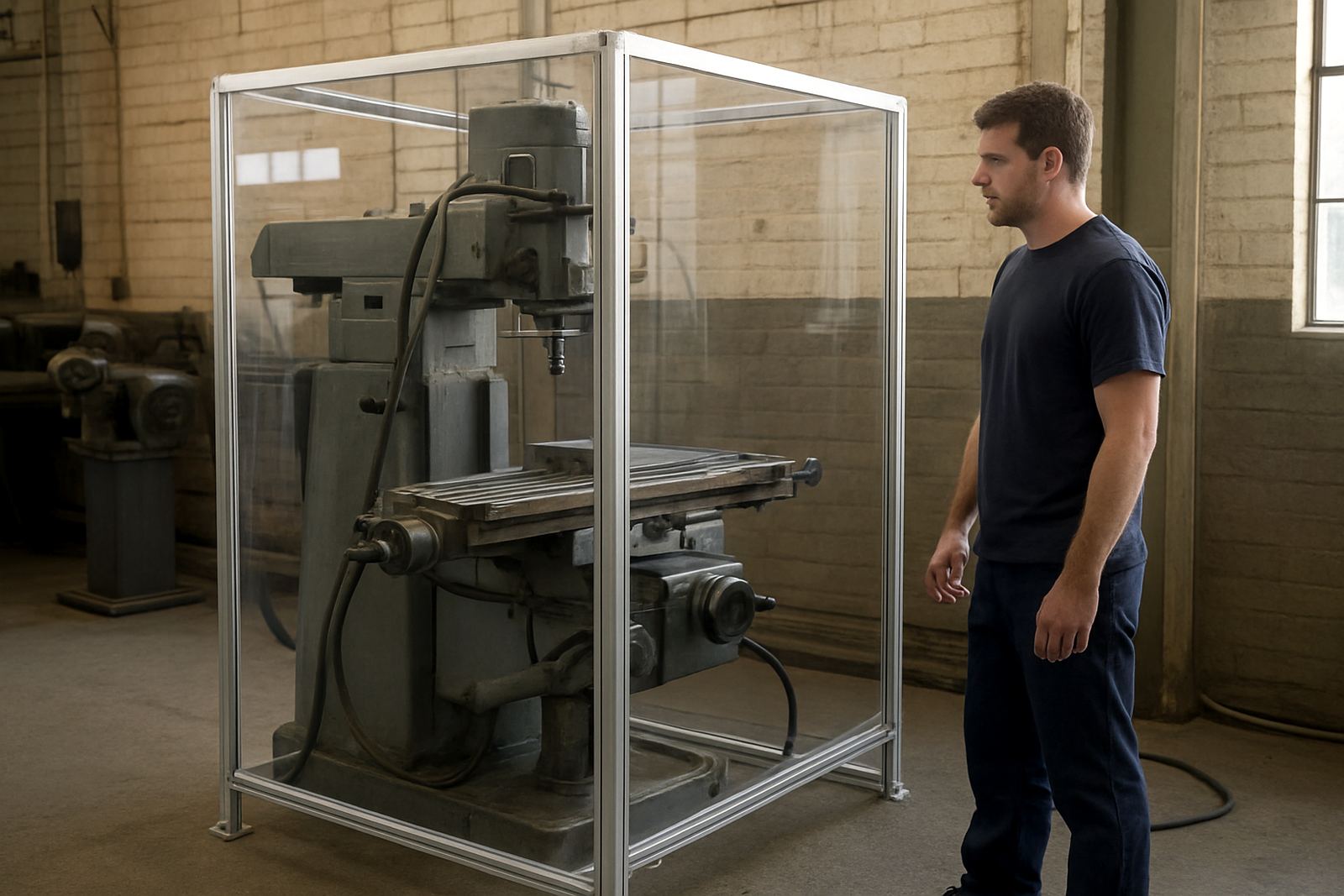
In a lab setting, covers have to do more than look neat. They need to stay clear, handle frequent wiping, and resist day-to-day knocks around benches, instruments and trolleys. PETG works well for these jobs because it is easy to cut, shape and drill while still giving a clean transparent finish. For many customers, that makes it a practical alternative when you need a cover that is lighter than glass and less brittle for handling in busy areas.
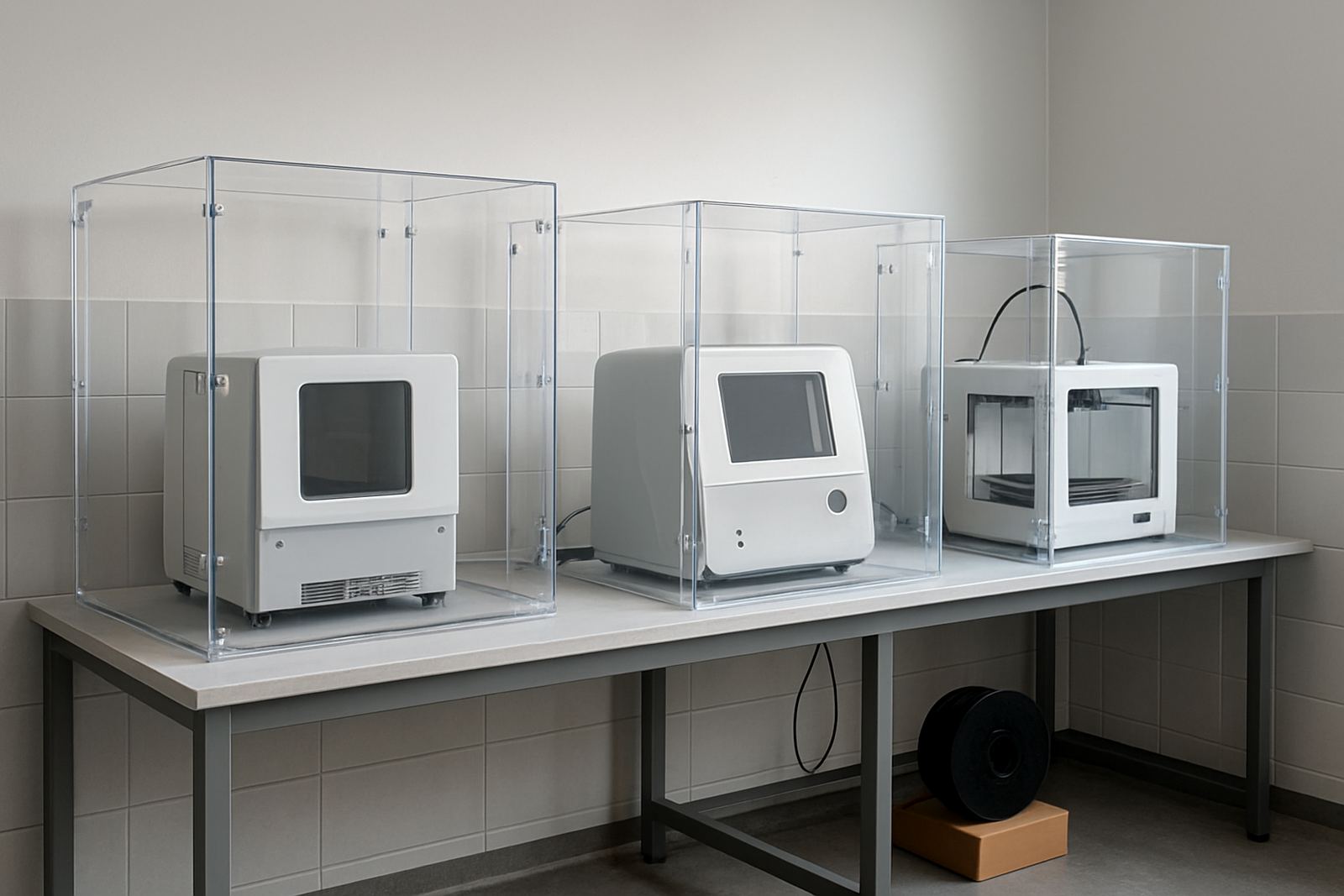
We supply sheet for clear lids, splash guards, dust covers, partition screens and machine covers used in research spaces, teaching labs, production rooms and sampling areas. Depending on the job, you can choose from different thicknesses and ask for film left on where a surface must stay protected during installation. If the cover is going into a humid room, near wash-up sinks or in a coastal Cape Town facility, PETG also holds up well when stored and fitted properly.
Typical thicknesses for lab covers often range from 1.5 mm to 6 mm. Lighter covers and guards can work in the thinner range, while larger spans or parts that must keep their shape may need thicker sheet. If you are unsure, our team can advise on the material and cut plan before you place the job.
Common lab cover setups we cut every week
Laboratory clients usually come to us with a mix of standard and custom pieces. Some covers are simple rectangles for benchtops or storage trays. Others need slots, hole marking, rounded corners or panels with folded edges for better rigidity. In some cases the cover is only one part of a larger assembly, so accuracy matters from the start.
- Clear splash guards for benchtops and sample prep stations
- Dust covers for balances, pumps and smaller instruments
- Equipment guards for monitoring screens and control areas
- Sliding covers for sample storage and display units
- Front panels for cabinets, racks and enclosed work bays
- Light shields and protective screens for teaching labs
For labs in Epping, Bellville, Parow and Somerset West, a lot of orders are picked up after cutting. For clients further afield, we courier packed sheets nationwide, with job labelling so each cover is easy to identify on arrival. That saves time when you have several benches, rooms or departments to fit out at once.
Planning the layout before you order cut sheets
The best lab cover jobs start with a simple layout plan. Measure the actual opening or surface, not just the cabinet size on paper. Allow for hinges, handles, pipe runs, cable points and any clips that sit proud of the frame. If the cover must sit flush against a wall or over a machine, note those offsets clearly so the finished piece does not bind or rattle.
For installation planning, it helps to think about how the cover will be cleaned and removed. If staff need to lift it often, add finger pulls, notches or access points. If the area is near a wash station or cleaning chemicals, tell us what the surface will be exposed to so we can discuss fit and finish. In some labs a straight cut is enough, but in others panel cutting and hole marking make the difference between a tidy installation and one that needs rework.
When you have multiple covers, group them by room or equipment set. This is useful for lab managers, procurement teams and maintenance staff because it keeps the order simple to install. It also helps when you need repeat pieces later for a second bench or a replacement after a breakage.
- Measure width and height at three points, then use the smallest accurate reading
- Check for fixings, hinges and vents before confirming the cut size
- Mark which edges must stay smooth and which can be drilled
- State if the sheet must arrive with film left on for final fitting
Mistakes that cost time and money on lab cover jobs
Most issues on lab cover orders come from small measurement errors or from not allowing for how the cover will be used. A sheet that looks right on paper can be too tight once hinges, clips or cleaning gaps are added. Another common problem is choosing a sheet that is too thin for a wide opening, which can lead to flexing or a cover that does not sit neatly.
People also forget to consider the environment. In coastal areas like Cape Town and the surrounding suburbs, repeated moisture and cleaning can affect hardware and supporting frames. That does not mean PETG is unsuitable, but the full setup needs to be thought through. In a lab, it is often the mounting method and support spacing that determine whether the cover performs well over time.
We also see jobs sent without clear marking for holes or cut-outs. If a cover needs access to switches, ports or service points, those details should be included from the start. It is much easier to cut accurately once than to try and adjust a finished panel later.
Budget ranges for lab covers in Rand
Lab cover budgets vary according to thickness, cut complexity, quantity and whether you need additional finishing. A small protective cover or simple clear panel can be relatively affordable, while larger screens with multiple cut-outs, hole marking or batch cutting will cost more. The good news is that PETG usually gives a practical balance between material cost and ease of processing.
As a rough guide, small simple covers may start from a few hundred Rand each, while larger custom cut pieces can move into the low thousands depending on size and thickness. A batch of identical pieces often works out better per unit than one-off jobs because set-up time is shared. If you are budgeting for a teaching lab, workshop or production area, it is worth asking for a grouped quote so you can compare options on the same specification.
Courier packing and nationwide delivery are available for filament and cut sheet orders, and we can advise on packing if the pieces need to travel to Durban, Gqeberha, Johannesburg or smaller towns. For local customers, collection from Epping is often the quickest route if the schedule is tight.
How we handle cut-to-size orders from Epping
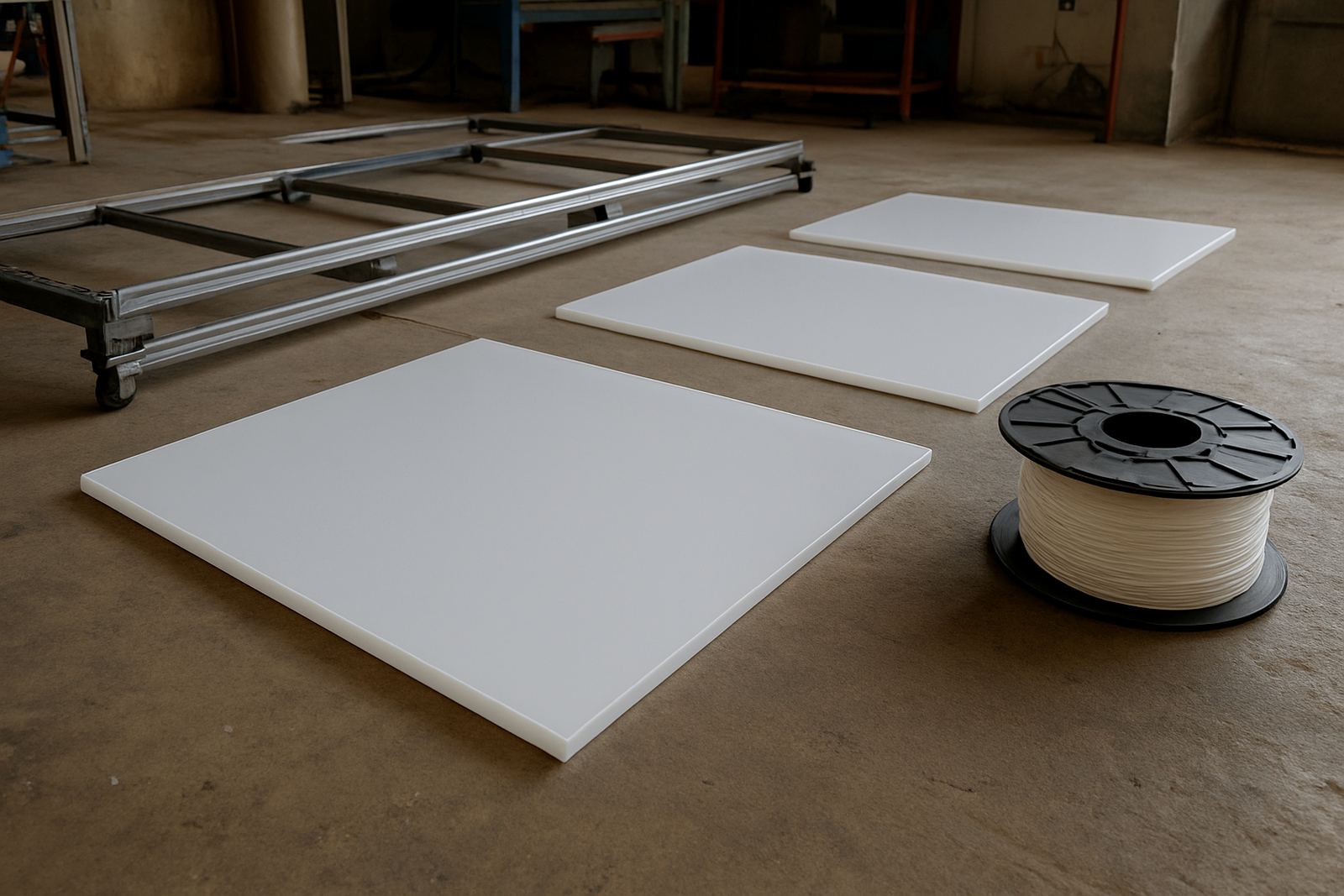
Our Epping team handles straight cuts, custom sizing, strip cutting, panel cutting, small batch cutting and larger batch work for lab-related applications. If you need the film left on, edge deburring or job labelling, say so on the enquiry form and we will work from the same notes through the order. That keeps the job clear from first quote to collection or courier.
For clients who need advice, we can talk through the intended use, the size of the opening and the type of cover or guard you are making. Sometimes a clean straight edge is enough, and sometimes you need a panel with more careful planning around support points. Either way, the aim is a cover that fits properly and is easy to live with in daily lab use.
Collection is available for Epping, Montague Gardens, Bellville, Parow, Somerset West, Paarl, Stellenbosch and Claremont, with courier support nationwide for fitted sheet orders and filament. If you are building a full set of lab covers, it is often simplest to send all measurements together so the pieces can be labelled by room or equipment set before they leave the workshop.