When PETG makes sense for sign faces
PETG is a practical choice when you need a sign face that stays clearer than many general plastics and is easier to work with on site or in the workshop. It is used for reception signs, shop fronts, lightbox covers, directional signs, menu panels and branded inserts where a smooth finish and consistent thickness make the job easier.
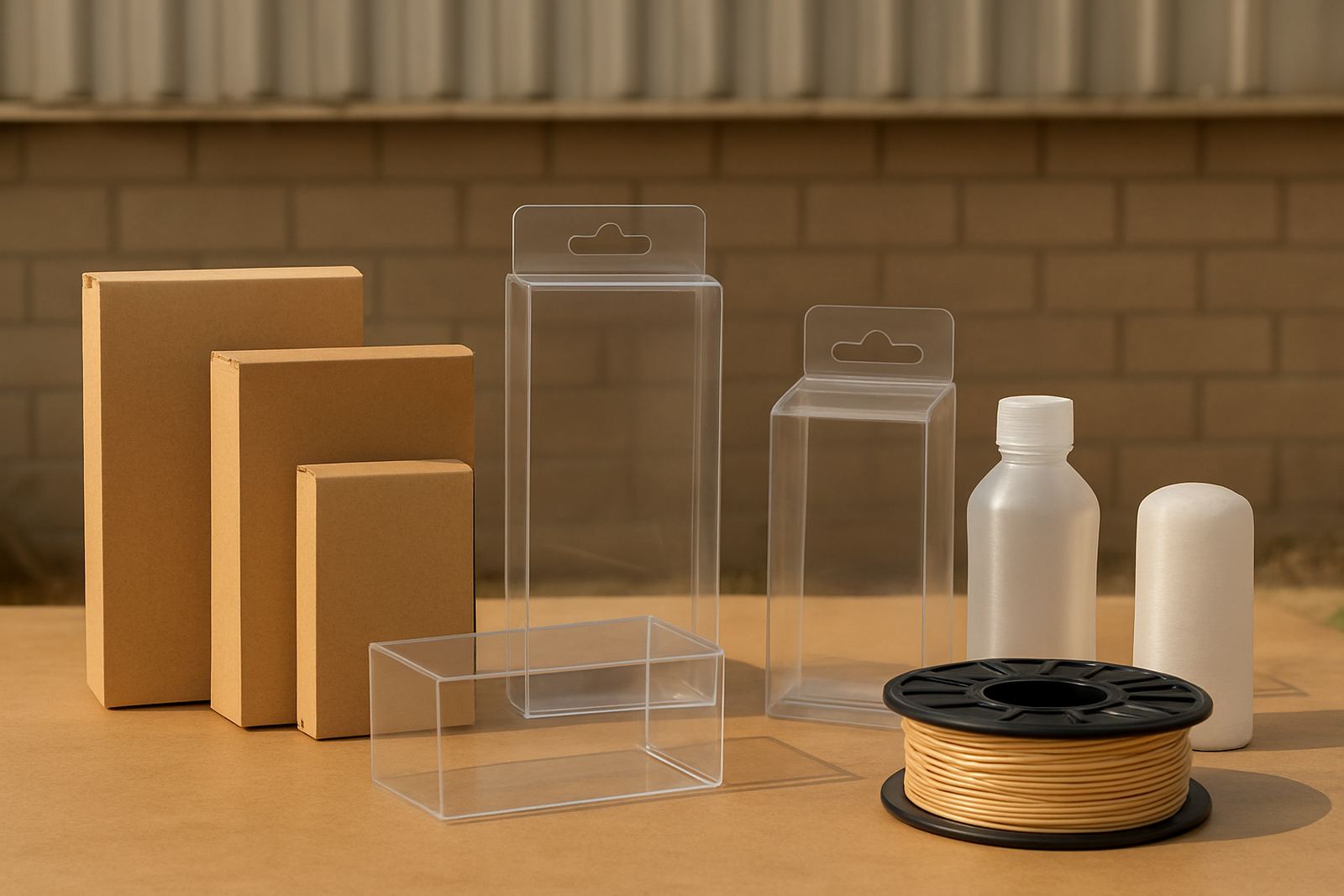
For Epping, Montague Gardens and other busy industrial areas, PETG is useful because it can be supplied cut to size, packed for collection or couriered to site. It handles normal handling better than brittle materials and is often chosen where a face panel may be lifted, cleaned or refitted during maintenance, especially when load-shedding affects production planning and install times.
- Good for indoor sign faces and sheltered outdoor use
- Suitable for flat panels, formed panels and insert graphics
- Available cut to size for quick fitting on framing and lightboxes
Typical equipment used on the job
Most signage faces are made with a combination of CAD planning, measured cutting and careful fixing. A sign maker will usually start with the frame opening, the fixing method and the lighting requirement if the panel is illuminated. The sheet then needs to be sized correctly so the face sits flush and does not buckle or rattle in the frame.
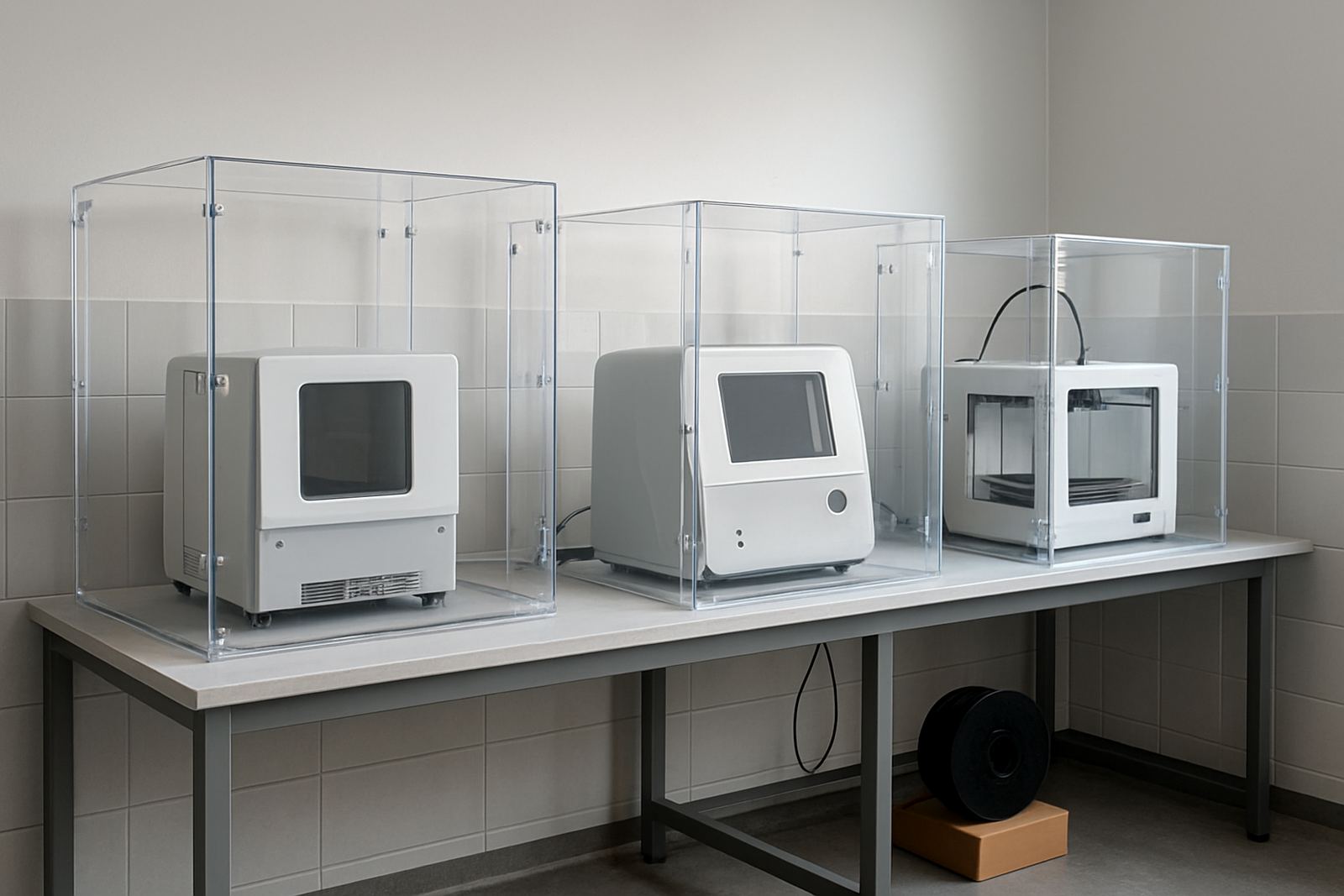
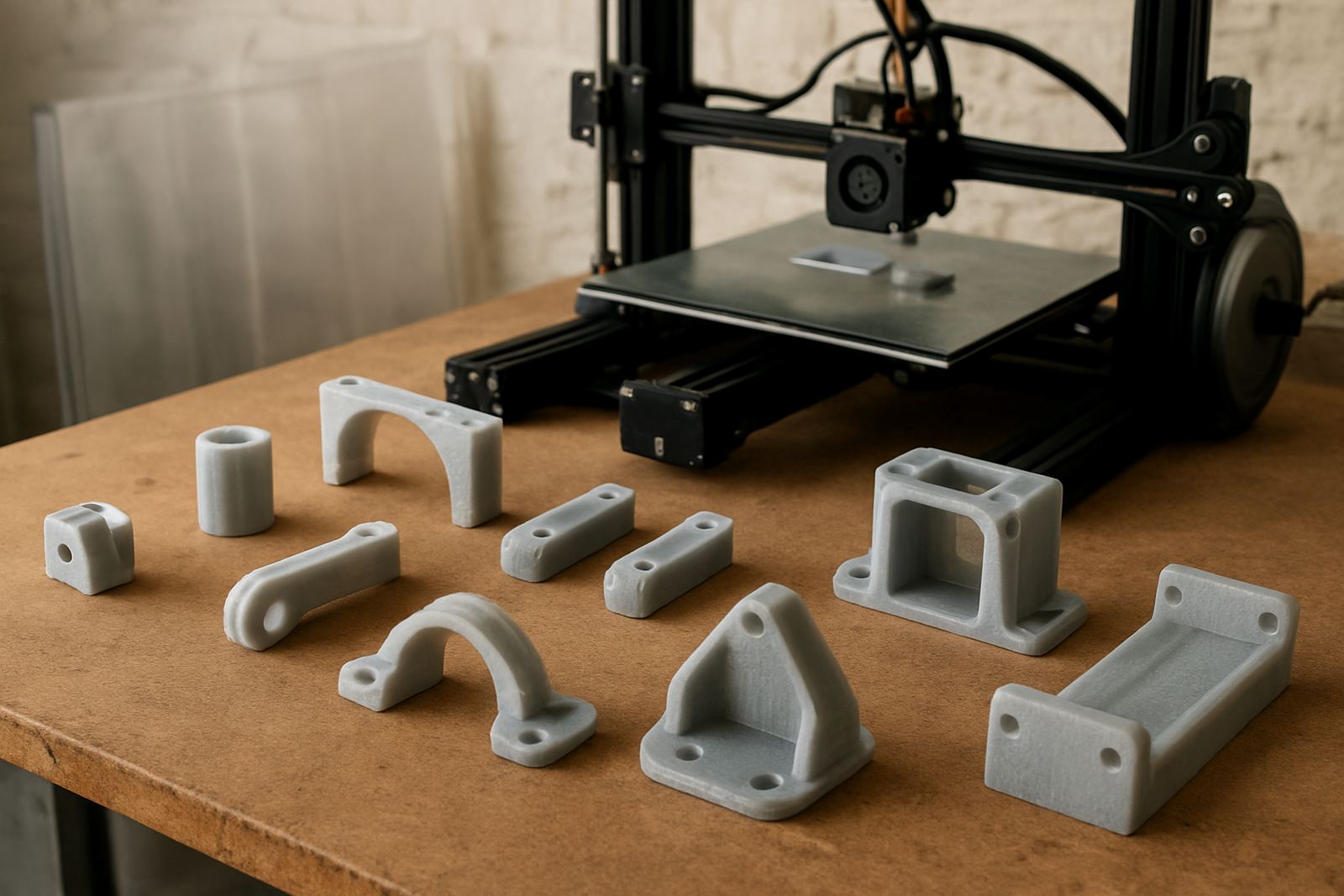
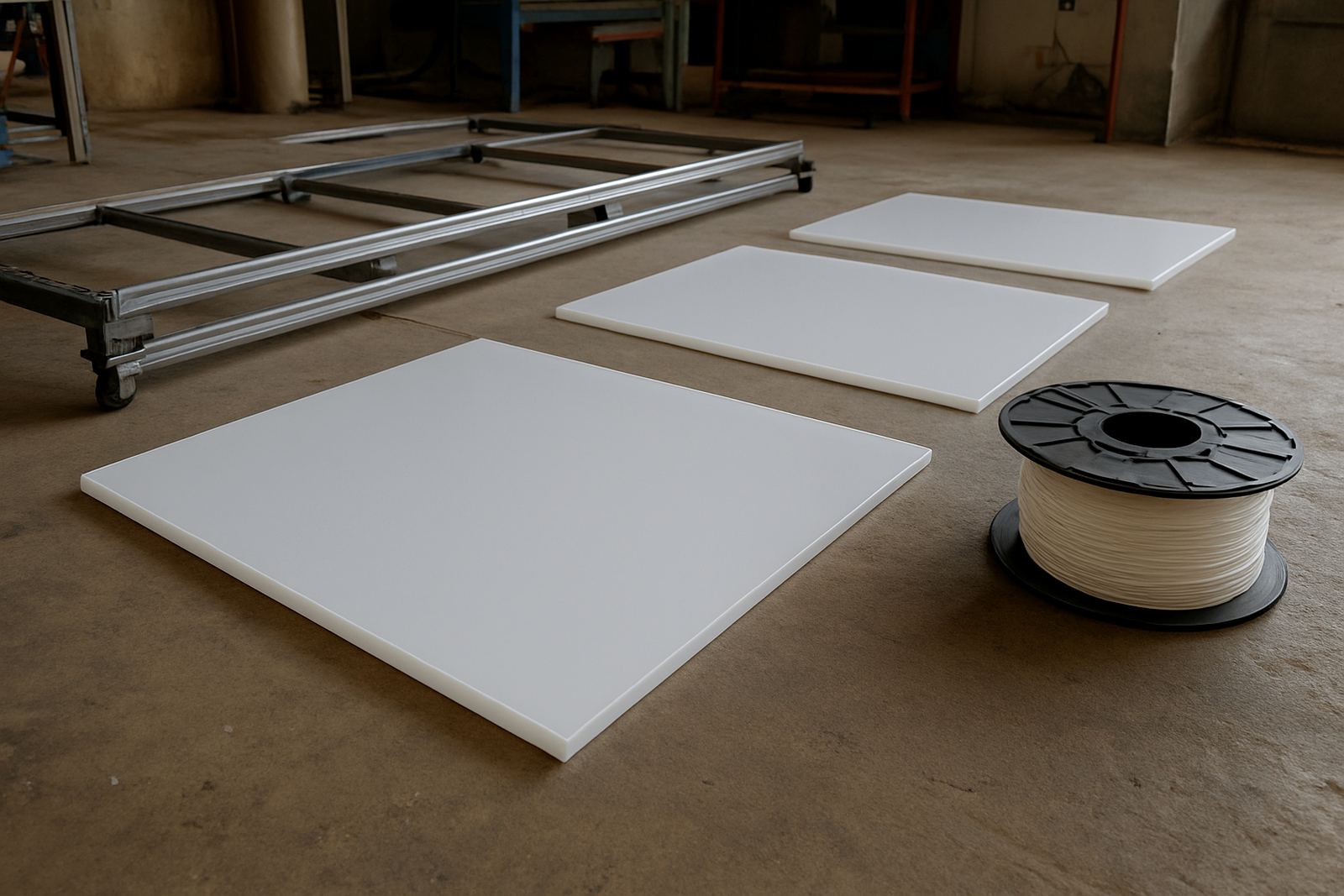
Common equipment includes flatbed cutters, panel saws, routing tables, drill jigs and standard hand tools for trimming and fixing. For larger runs, accurate labelling and batch control save a lot of time on site, especially when several branches need matching panels. If the job includes holes for screws, stand-offs or clips, those positions should be marked before cutting so there is no risk of chip-out or misalignment.
- Flat signs and lightbox faces
- Drilled inserts for branded panels
- Small batch and large batch production runs
Planning the panel so it fits first time
The best sign face starts with proper measurement, not guesswork. Allow for the frame rebate, the fixing method and any space needed for expansion. In coastal areas like Cape Town, humidity changes and salty air can affect the way a panel sits, so a small tolerance is worth discussing before cutting. If the sign will be lit from behind, the panel thickness and light spread should also be planned at the same time.
When you are preparing artwork, keep text away from fixings and make sure logos do not sit too close to corners or edges. If the face will be panelled into a box sign, think about whether the sheet needs film left on until after installation. That helps reduce scratching during transport and can make the final finish cleaner on site.
- Measure the visible opening and not just the outer frame
- Check fixing points, rebates and any curved sections
- Confirm whether the panel is for indoor, sheltered outdoor or full exposure
Illuminated signs and branded inserts
PETG is often chosen for illuminated panels because it can be cut accurately and presents graphics neatly once installed. For box signs, fascia panels and internal lighted displays, the sheet has to balance appearance with practical handling. The material should allow for clean edges, even light transmission where needed, and enough strength to survive installation without cracking at the holes or corners.
Branded inserts are another common use. These are often swapped out for seasonal promotions, tenant changes or event signage. In shopping centres around Somerset West, Stellenbosch and Claremont, that flexibility matters because landlords may require neat presentation and regular updates. For that reason, panel labelling and courier packing are just as important as the cut itself.
- Lightbox faces and backlit display panels
- Tenant inserts for retail centres and office parks
- Replacement faces for worn or damaged signage
Common mistakes that cause rework
One of the biggest mistakes is ordering by overall sign size instead of the actual panel size needed for the frame. Another is forgetting about fixings, which leads to holes that sit too close to the edge. That can cause cracking later, especially if the sign is opened for servicing or tightened too much during fitting.
People also underestimate how much handling a panel gets before it reaches the final wall. Without proper edge deburring and packing, corners can chip and the face may arrive marked. For outdoor signage, a second common error is choosing a panel without checking the exposure level. A sheltered canopy is very different from a wall facing the False Bay wind and afternoon sun.
- Wrong allowance for rebates, clips or screws
- Poor edge finishing before installation
- No plan for transport, cleaning and maintenance access
What signage faces usually cost in Rand
Pricing depends on sheet size, thickness, cut complexity and whether the job is a one-off or a batch run. Straight cuts and simple panels are the most economical, while drilled, labelled or multi-part jobs need more time. For a small single sign face, budgets often start from about R350 to R900 depending on size and thickness. Medium illuminated panels or cut-to-size faces commonly fall between R900 and R2 500.
For larger retail or multi-branch work, especially where there are repeated sizes and courier packing involved, the budget can move to R2 500 to R8 000 or more across the set. If you need panel cutting, hole marking, film left on and job labelling, it is worth asking for a full quote up front so the install team knows exactly what is arriving. That usually saves money later, and avoids last minute rework.
For local collection from Epping, Montague Gardens, Bellville, Parow, Somerset West, Paarl, Stellenbosch or Claremont, planning the order properly can cut delays and keep the install on schedule.
How PETG supports signage teams in practice
For sign makers, project managers and fitment crews, the value lies in getting a usable panel on time, cut accurately and ready for the next step. With sheet cut to size in Cape Town and filament couriered nationwide, PETG supports both workshop production and smaller prototype jobs. That matters when a client needs a replacement face before a launch, or when a production slot has to be managed around municipal rules, weather and site access.
Our team can help with material advice, small batch cutting, large batch cutting and courier packing so the job arrives in order. If you are comparing options for sign faces, ask for a spec based on opening size, fixing method and exposure conditions. That is usually the quickest route to a clean finish with less waste.