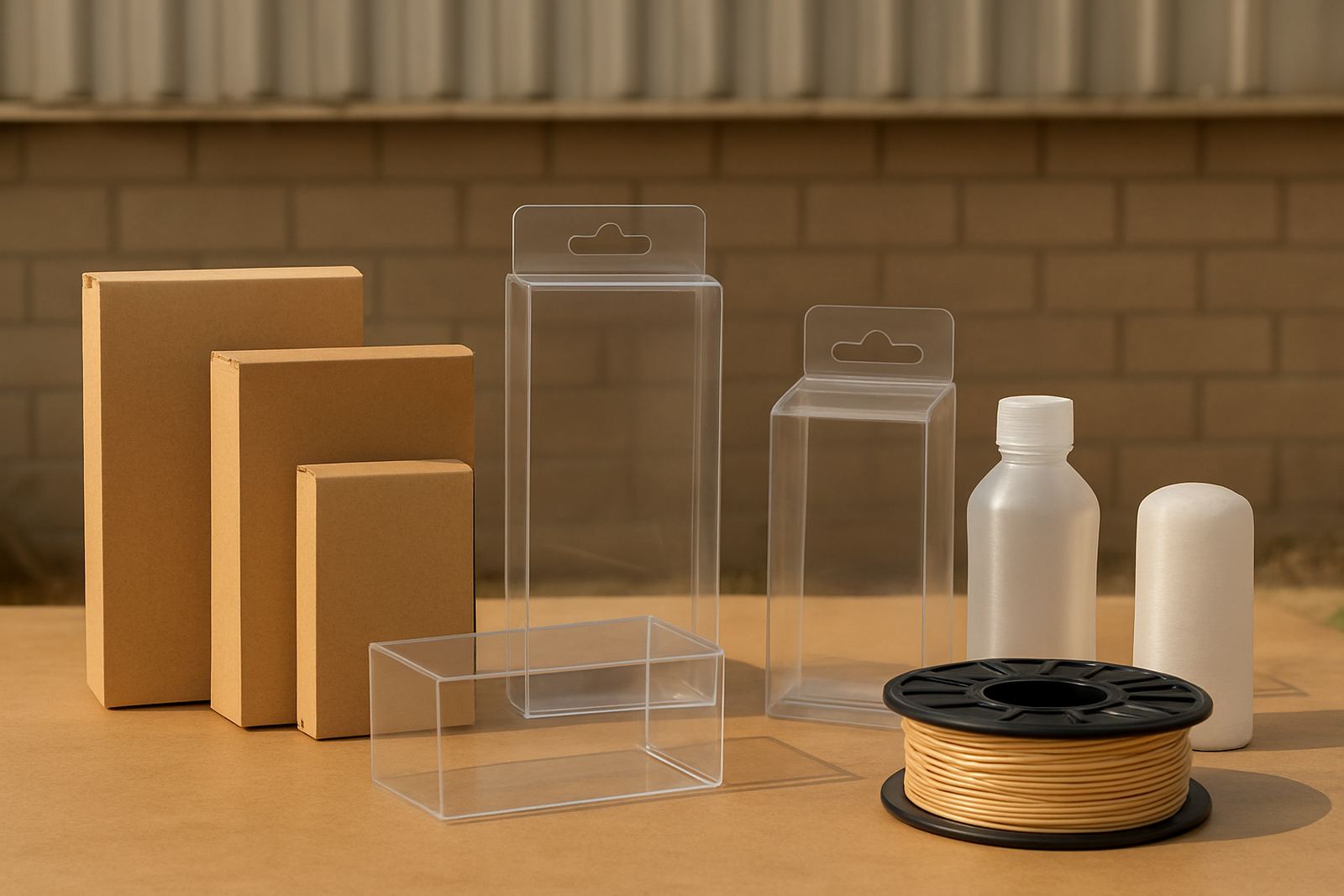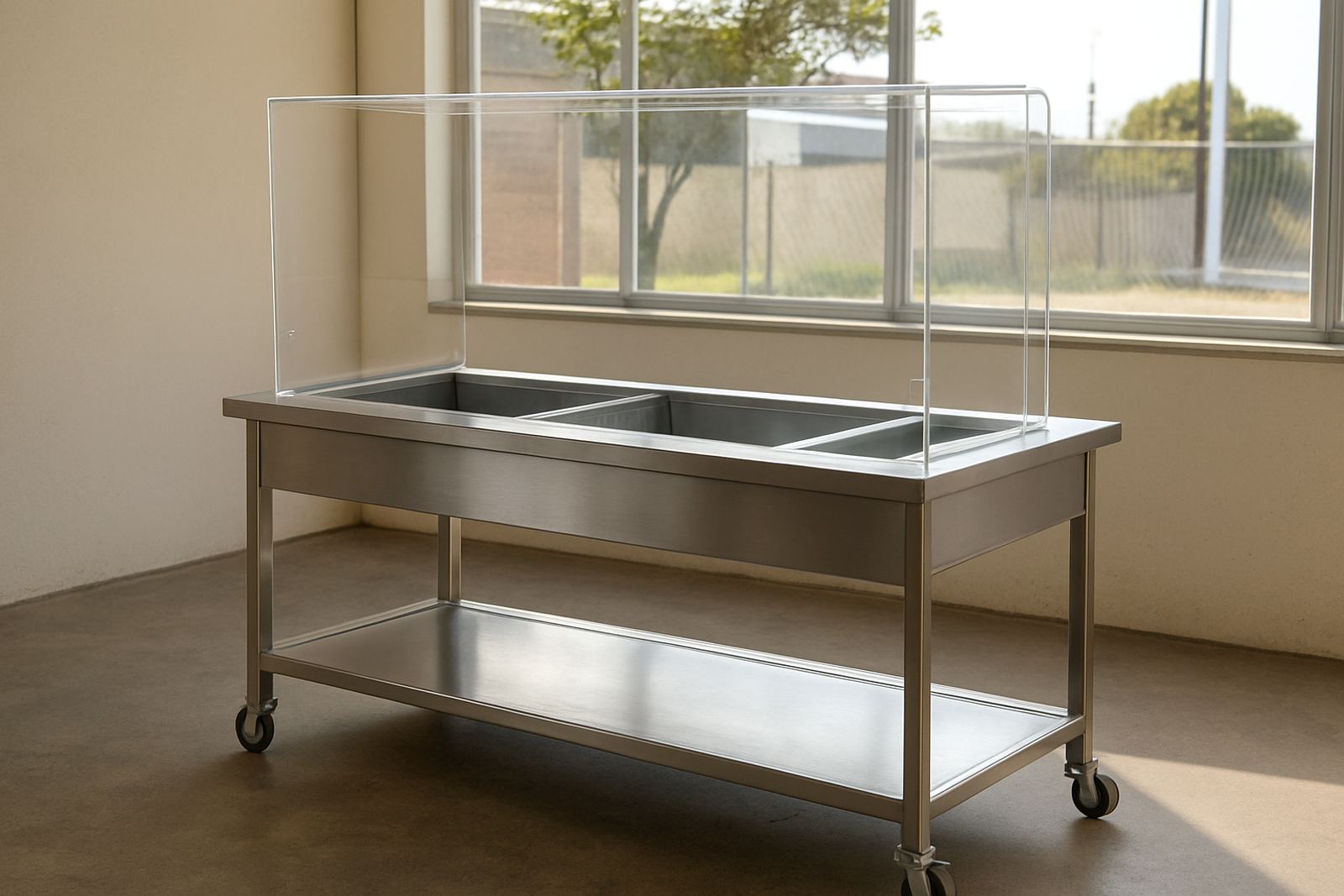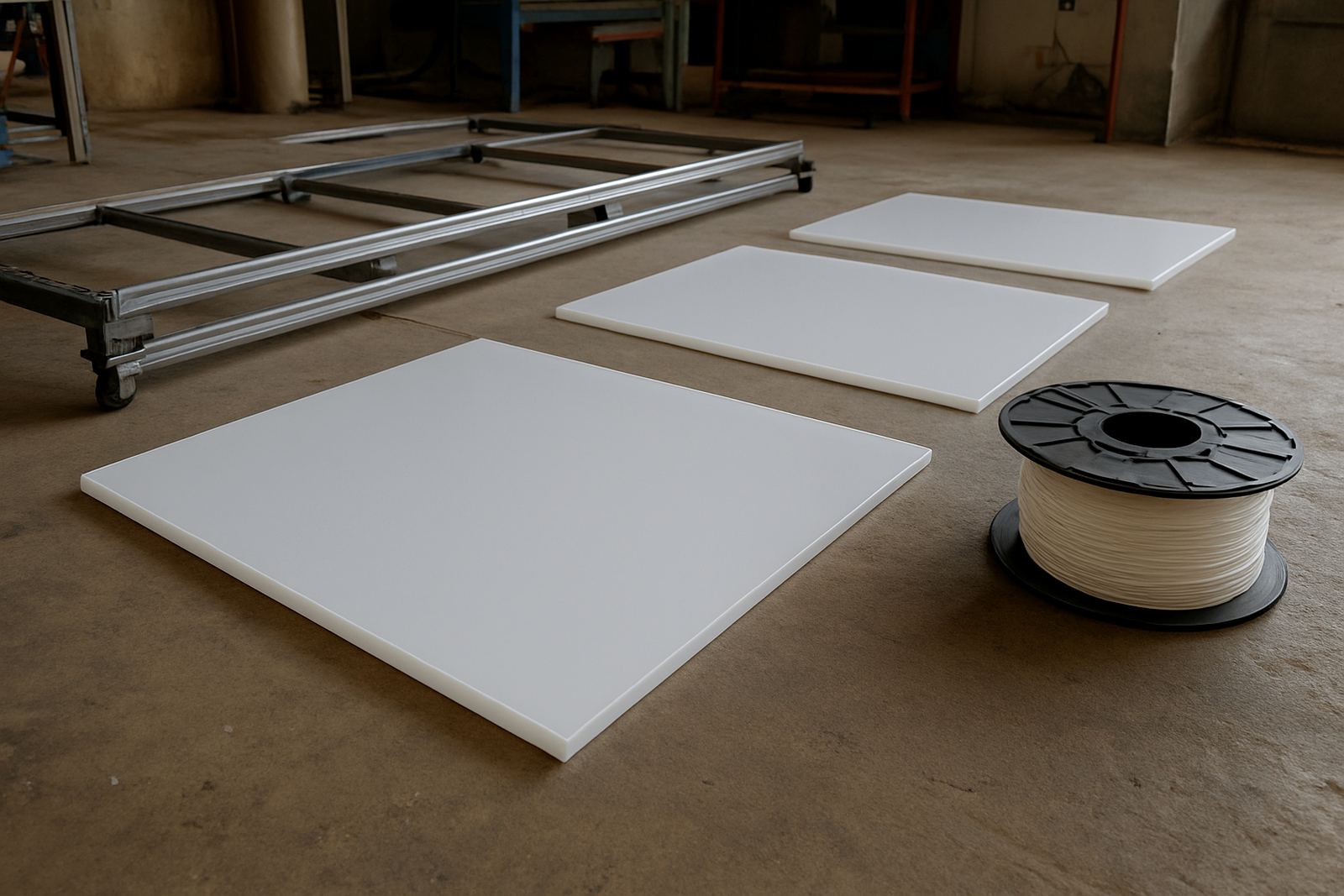

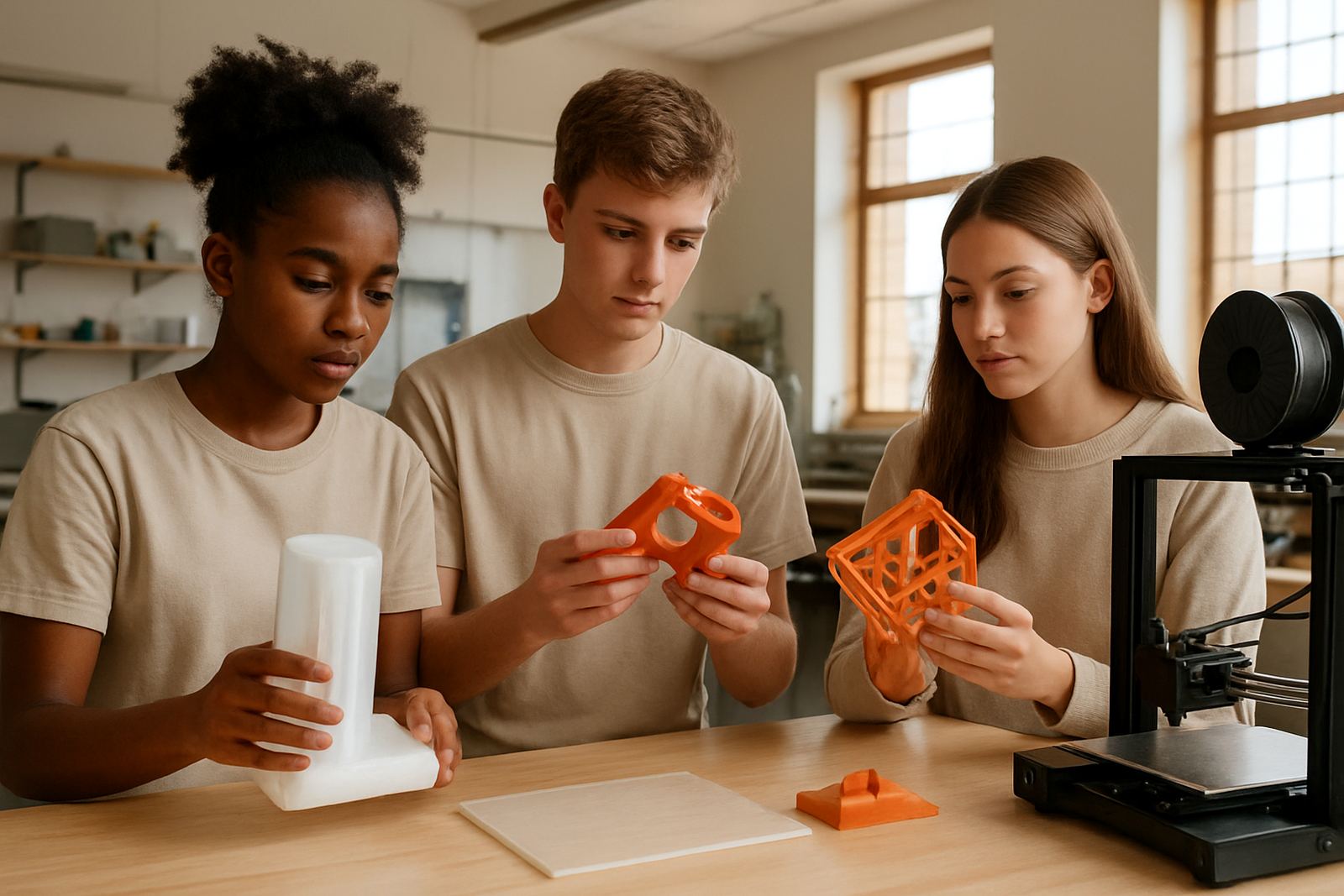
What schools usually need PETG for
For most school projects, the typical equipment set includes a benchtop 3D printer, a cutting mat, a craft knife, a ruler, calipers and simple hand tools for finishing. In schools with workshops, a small drill, files, clamps and a heat source for light forming may also be used. If the job is a sheet project, learners often need straight cuts, strip cuts, hole marking and edge deburring so the final piece fits properly and looks tidy.
Our Cape Town base in Epping suits schools that collect locally, while filament can be couriered nationwide for projects in the run-up to assessment week. If the school is working on a large class order, it helps to split the job by learner, subject and due date so nothing gets mixed up. Job labelling makes this much easier when there are 20 or 30 parts on the go.
- Set the printer profile before the class starts
- Keep filament dry and sealed, especially in coastal humidity
- Mark holes and bends before cutting the final piece
- Label each learner’s job to avoid mix ups
Layout and planning advice for classroom builds
Budget for school projects can vary a lot depending on the number of learners, the size of the model and whether the work is printed, sheet cut or both. Small individual projects can be kept fairly modest, while larger class assignments often need a better allowance for material wastage, test prints and spare pieces. A good starting point for a simple learner build is often around R150 to R450 per project, while more detailed prototypes or presentation models can move into the R500 to R1,500 range.
For group work, schools sometimes budget by batch rather than by single item. That makes sense when several learners use the same basic design, because setup time, cutting and packing can be shared. If the project includes courier delivery, add that into the total so there are no surprises near the due date.
- Simple learner parts: about R150 to R450
- Detailed prototypes or display pieces: about R500 to R1,500
- Batch school orders: price improves when items are grouped by size
- Courier costs should be included for out of town deliveries
Common mistakes that waste time and material
School projects often go wrong when learners start cutting or printing before checking the full layout. A few millimetres off at the start can mean a part will not align later. Another issue is using the wrong thickness for the job. Thin material may look fine on the bench, but it can bend or crack once the project is moved between classrooms, cars and home.
Dry storage matters too. In Cape Town and coastal areas, moisture can affect filament if it is left open for long periods, which can lead to poor print quality. It is also worth avoiding overly fine details on first-time projects, because the time spent cleaning up tiny failures can be greater than the time saved in design. For sheet jobs, do not skip edge finishing, since rough edges catch on bags and can chip during handling.
- Do not start before measuring twice
- Do not choose material that is too thin for the load
- Keep filament sealed between print sessions
- Finish edges and label parts before handing them out
Collection, delivery and support for school orders
Schools, parents and learners can submit enquiries through the contact page, and the team can advise on sizing, cutting and packing for the project at hand. Local collection is available in Epping, and collection arrangements can also suit nearby areas such as Montague Gardens, Bellville, Parow, Somerset West, Paarl, Stellenbosch and Claremont. Where the order is for filament only, nationwide courier delivery is available.
For school work, it helps to tell us the number of learners, the due date, the required finish and whether the parts must arrive ready to assemble. If you need straight cuts, custom sizing, small or large batch cutting, panel cutting, film left on, edge deburring, hole marking or job labelling, include that in the enquiry so the order can be prepared properly the first time.
When a project is part of an exam or display day, leave enough lead time for packing and a quick check before collection. That avoids last-minute panic and gives the school time to confirm every piece is there.