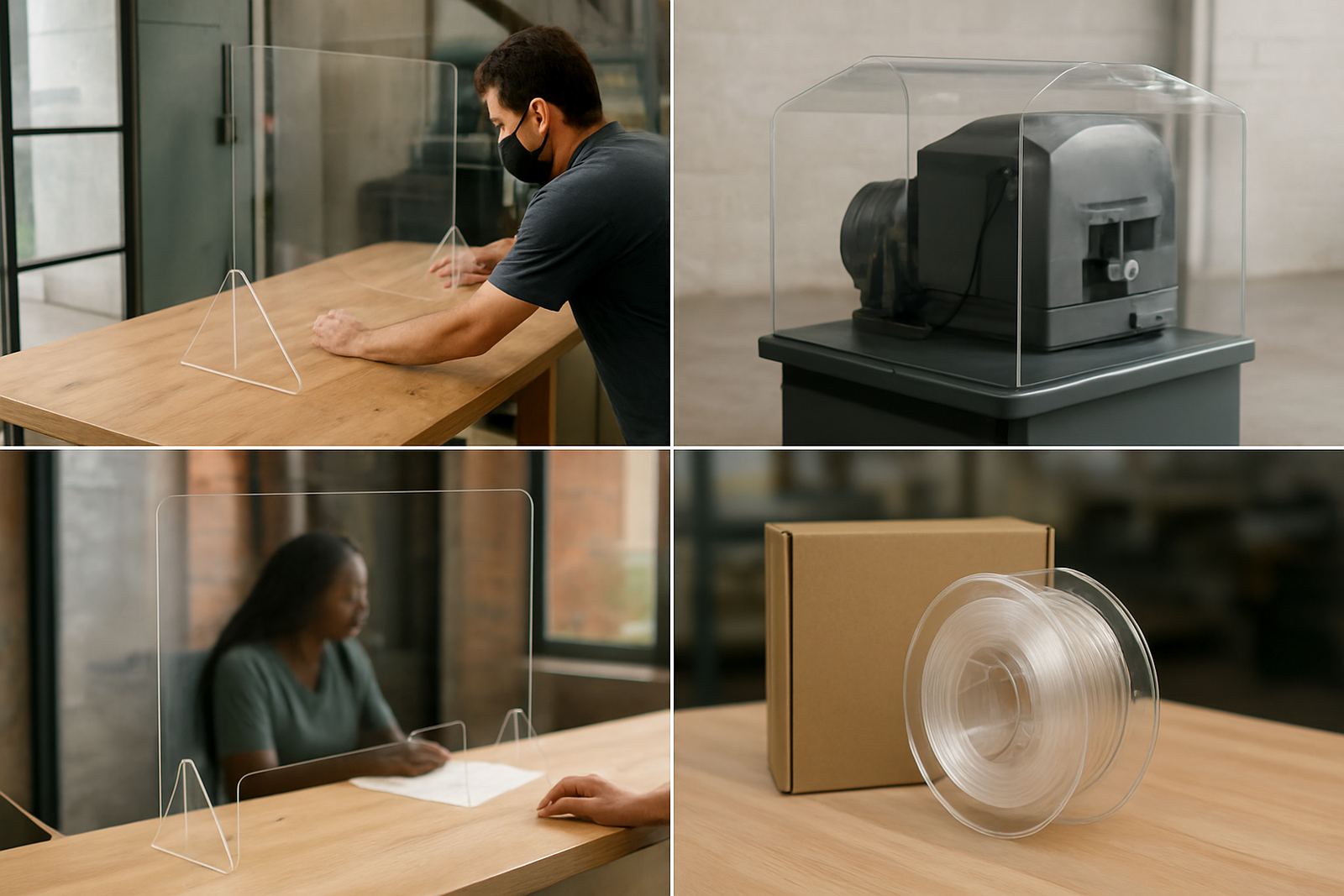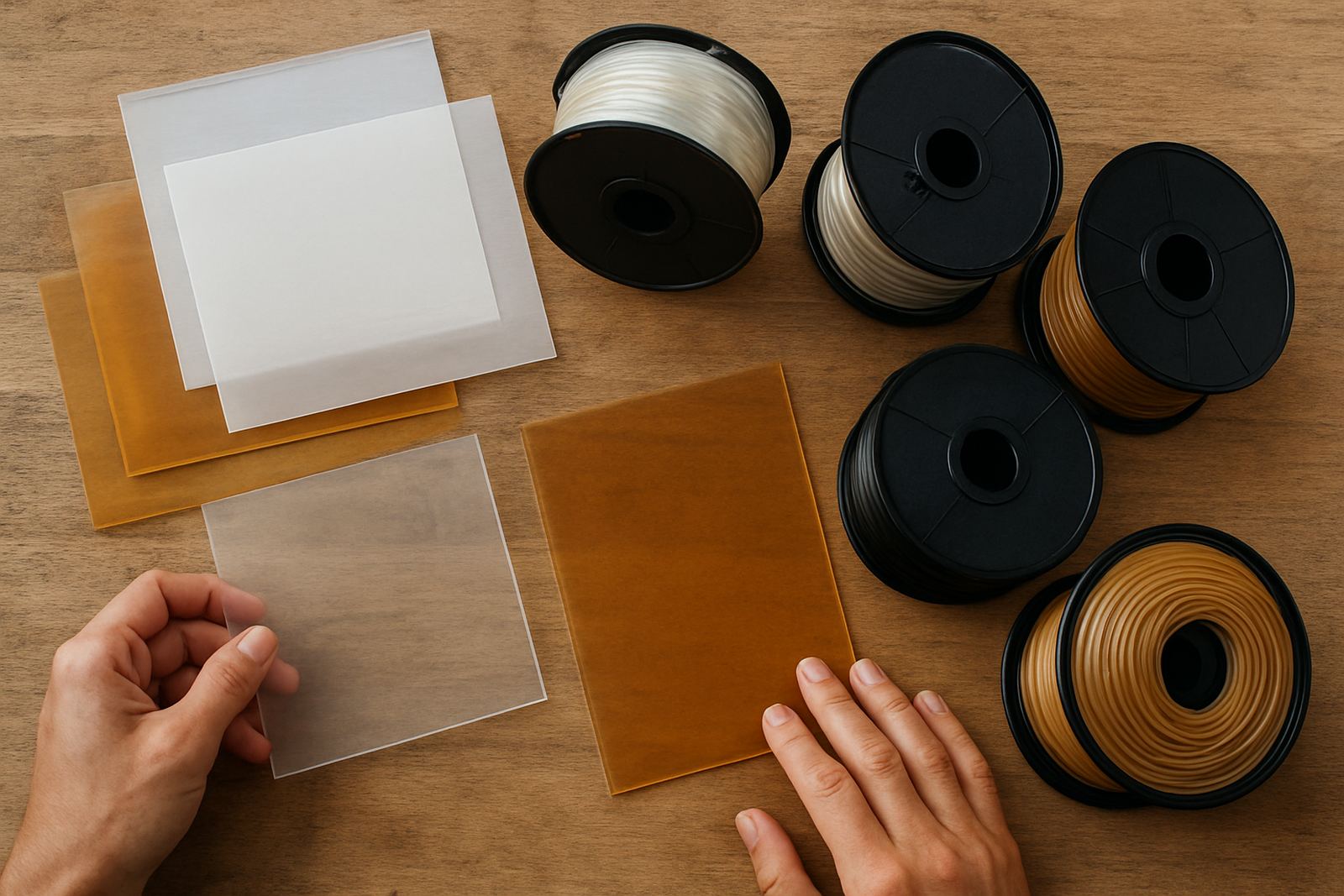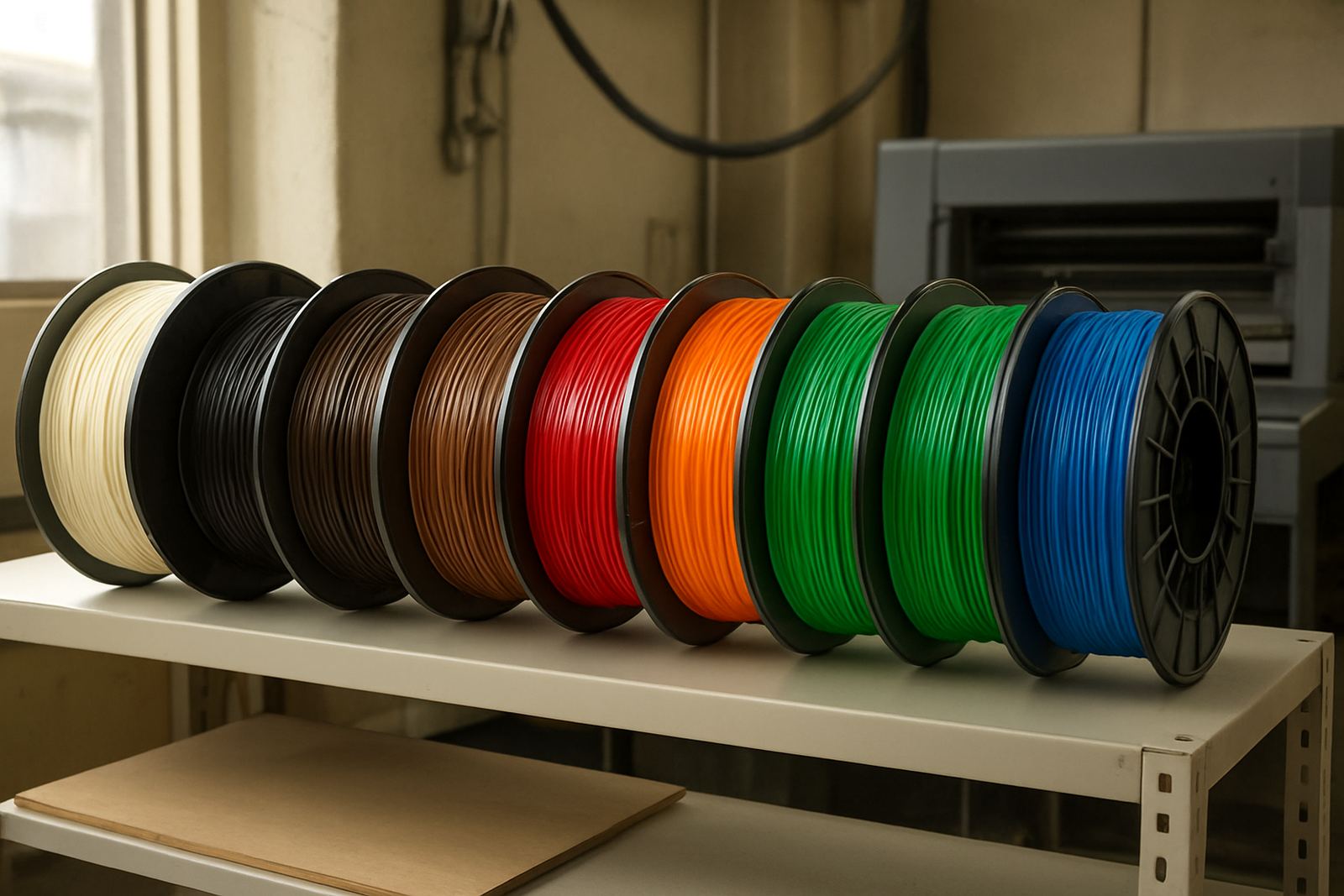

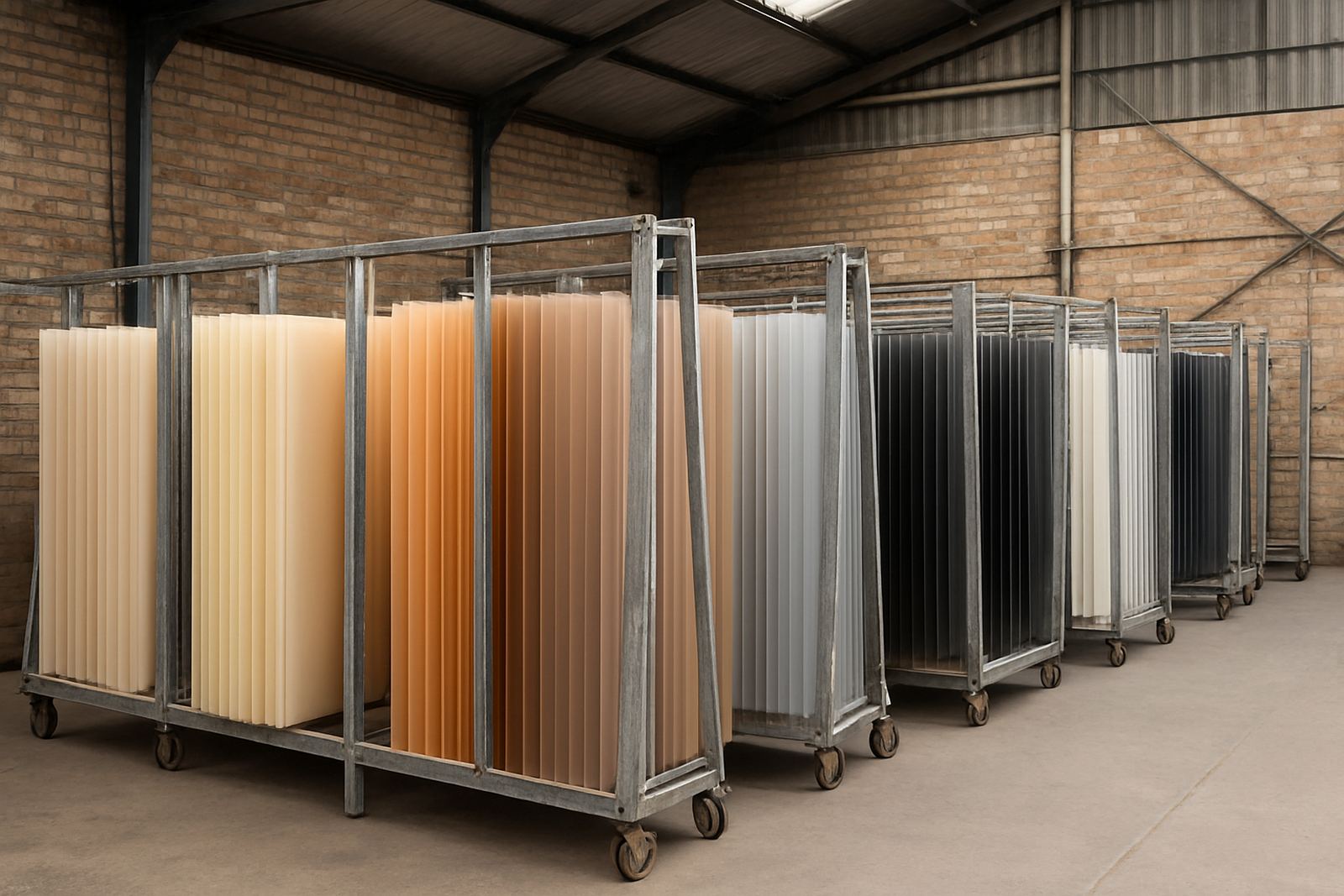
Start with a flat, dry storage area
PETG sheets perform best when they are stored flat on a level surface, away from direct sun, moisture and heavy traffic. In Cape Town, coastal humidity can creep into storerooms and workshops, so it helps to keep sheets off concrete floors and away from open doors where damp air moves in during the afternoon. A simple timber rack or a raised shelf makes a big differnce over time.
If you are storing full sheets in Epping, Montague Gardens or Bellville, choose a spot that stays fairly stable through the day. Avoid leaning sheets against a wall for long periods, because that can lead to bowing, edge stress and scratches from other items in the store room. Flat storage is the safest option for sheets you want ready for cutting, drilling or thermoforming.
- Keep sheets on a level rack or pallet, not directly on the floor
- Avoid areas near gates, loading bays and wash-down zones
- Do not stack sheet packs under heavy materials or offcuts
- Store in a part of the building with low dust and steady airflow
Keep the film on until you are ready to work
Many sheet jobs are easier when the protective film stays in place until the final stage. The film helps reduce scuffs, finger marks and light scratches during handling. For signage, fabrication and display work, keeping the film on also makes marking out cleaner, especially when you are setting out hole positions or trim lines on larger panels.
When sheets are moved around often, the corners take the most wear. If you know a pack will be in storage for a while, wrap the edges lightly or keep the original packing in place where possible. This is especially useful for cut-to-size stock that will move through the workshop in stages rather than being used straight away.
- Leave the film on during storage and early handling
- Remove the film only when the job is ready for final finishing
- Protect corners with cardboard or soft separators if sheets are being moved often
- Label the stack so staff know which side is protected
Separate sheets properly to prevent scuffing
Sheets stored one on top of another can rub if they are handled roughly or moved in a hurry. That is why separation matters. Thin sheets may need interleaving material, while thicker sheets should still be lifted, not dragged, when being taken from the stack. Even a small amount of grit between panels can leave marks, so clean hands and clean surfaces matter a lot.
In busy shops around Parow, Somerset West or Paarl, it is common for material to pass through more than one pair of hands. A simple rule helps: never slide a sheet across another sheet if you can lift it instead. When you need to sort stock by thickness or colour, do it on a clean bench with enough space to lay each panel down properly.
- Use clean interleaving sheets if panels are kept in a loose stack
- Lift sheets rather than dragging them across one another
- Keep sawdust, swarf and offcuts away from storage stacks
- Sort by thickness and size so the right sheet is easy to find
Manage temperature changes and workshop heat
PETG is practical for many applications, but it still benefits from sensible storage in a building that does not swing too wildly in temperature. In a workshop with afternoon heat, trapped air and load-shedding interruptions, materials can warm up unevenly and make handling more awkward. If sheets are stored near a warm machine room or sunny window, allow them to settle before cutting or shaping.
For best results, bring only the quantity you need into the work area. Keep the rest in a cooler, shaded section of the premises. This reduces the chance of warping and makes your stock easier to keep in order. If a sheet has been moved from a cold space into a warm one, give it time to acclimatise before making fine measurements or hole marking.
- Store away from direct sun and hot machinery
- Do not leave sheets in delivery vehicles for long periods
- Let sheets settle before precision cutting or marking
- Keep stock in a part of the building with fewer temperature swings
Use a clean system for offcuts and cut sheets
Good storage is not only about full-size sheets. Cut pieces and offcuts need a proper place too, otherwise they end up scratched, mixed up or lost behind the next job. A labelled offcut rack or a few marked bins can save time when you need a small panel for a repair, prototype or sample. It also helps keep the main storage area tidy, which matters in a working shop where people are moving materials all day.
If you have a lot of short strips or panels, store them by length and thickness. That way the team can find usable stock quickly without pulling apart the whole pile. A clean, labelled system also makes it easier to comply with workplace safety expectations, since loose sheets and awkward stacks can become a hazard during busy periods.
- Label offcuts by size, thickness or project type
- Keep short strips in bins or narrow racks so they do not bend
- Separate customer stock from general workshop material
- Clear dust and plastic shavings from storage shelves each week
Plan for coastal humidity and deliveries across South Africa
In Cape Town, humidity is part of daily life near the coast, and that means storage needs a little extra attention. Even when the sheets themselves are fine, moisture, dust and handling marks can affect how neat a job looks when it reaches the customer. For businesses in Epping that send material to Stellenbosch, Claremont, Gauteng or further afield, proper packing matters as much as storage at source.
When sheets are leaving the workshop, stack them flat, protect the edges and keep the bundle secure for courier transit. A well-packed sheet arrives cleaner and easier to use, which saves time on site. The same applies to local collections from areas such as Bellville, Somerset West and Paarl where customers often need material that can go straight into production. Good storage at home base makes the whole process smoother, and it cuts down on avoidable damage.
If you need cut sheets, strip cutting, panel cutting or job labelling before collection or courier delivery, keep the storage plan linked to the work order. That way each sheet is easy to identify and ready when the job reaches the next stage.