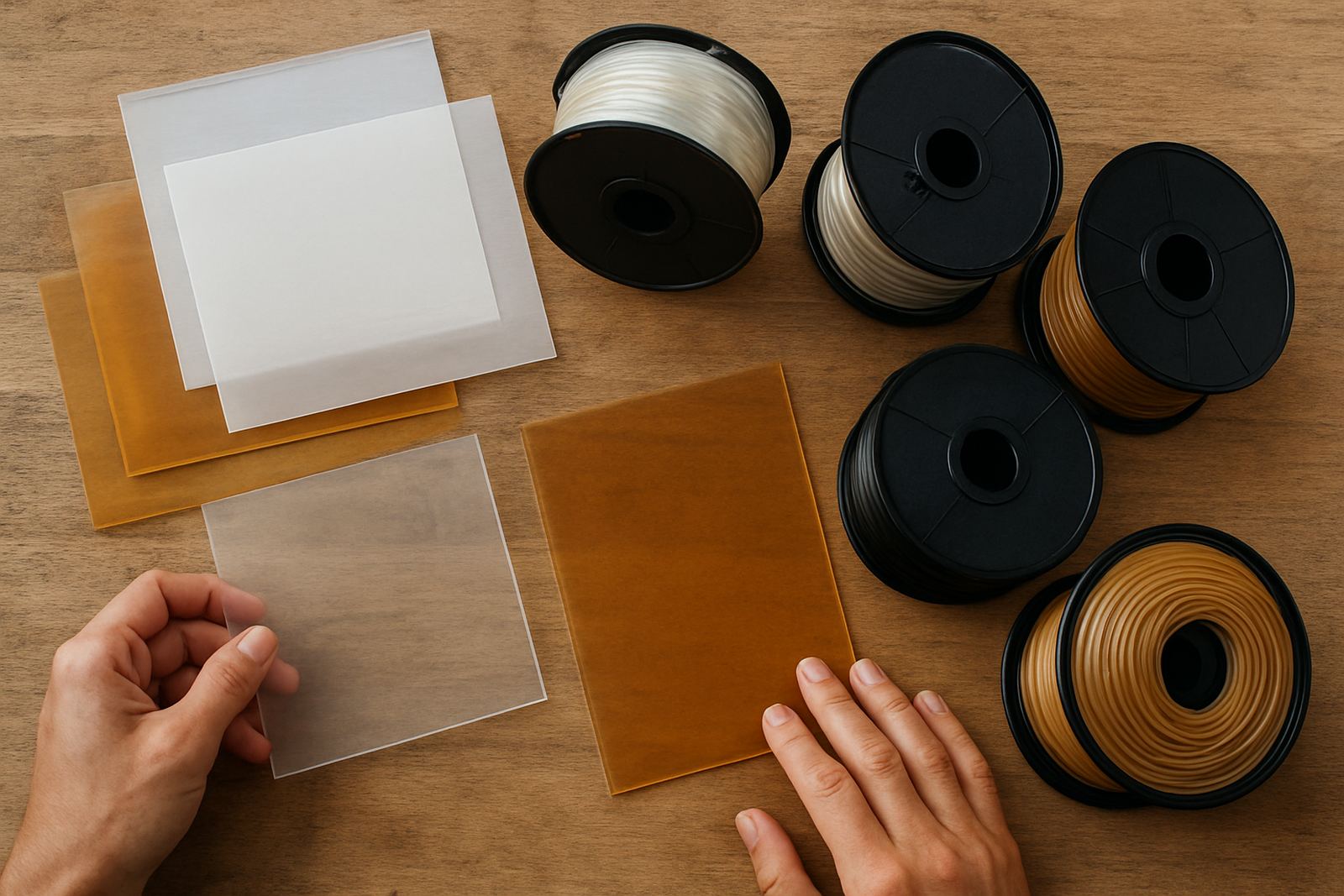
PETG explained in plain terms
PETG is a thermoplastic, which means it softens with heat and hardens again when it cools. That makes it useful for both flat sheet applications and 3D printing, because it can be formed, cut and printed into useful shapes without needing complicated processing.
In simple terms, PETG sits between brittle plastics and very flexible ones. It is clearer and tougher than many general-purpose materials, yet it still works well for fabrication jobs where you need a clean finish. For shops, workshops and makers in South Africa, that balance is often the reason PETG gets specified instead of glass, acrylic or a more rigid engineering plastic.
It is also a sensible choice when you want something that can handle everyday knocks, light chemical exposure and regular cleaning. In a coastal city like Cape Town, that can matter because humidity and salt air can be hard on lower-grade materials. PETG gives a practical middle ground for indoor and some light outdoor uses.
Where PETG sheet is used day to day
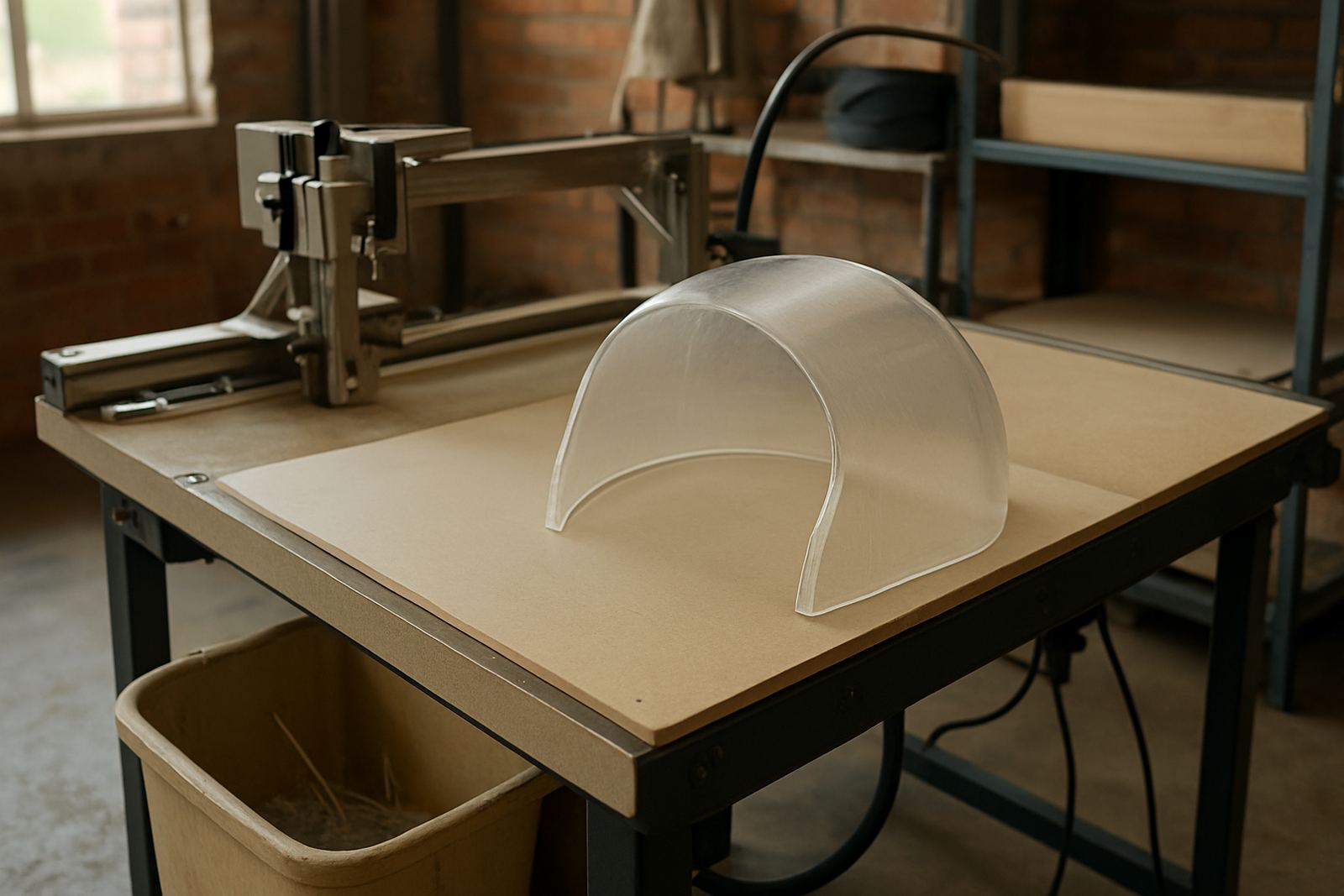
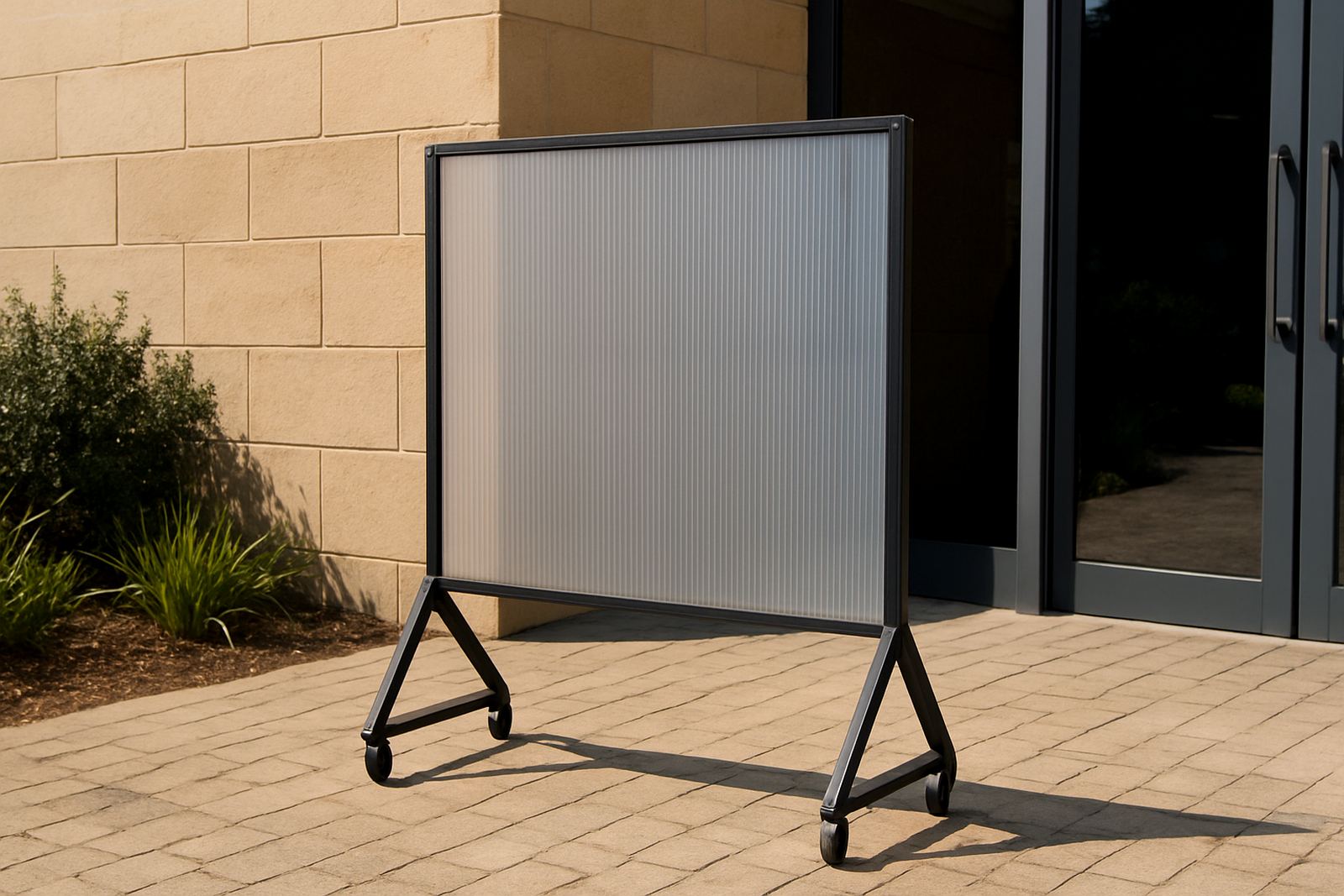
PETG sheet is often used when a project needs transparency, impact resistance and a neat edge. It is common in product covers, machine guards, food-safe display barriers, brochure stands, retail fittings, point-of-sale items and protective panels. Because it can be cut to size, it suits both one-off jobs and repeat runs.
At our Epping base in Cape Town, sheet work is often requested for customers who need straight cuts, panel cutting, hole marking or edge deburring. A local fabricator in Parow may need clear guards for a machine room. A designer in Claremont may need a few custom panels for a display build. The material is the same, but the finish and sizing need to match the job exactly.
- Clear panels for covers, guards and separators
- Printed signs and display elements
- Prototype housings and sample parts
- Packaging inserts and presentation pieces
- Light-duty parts where toughness matters more than absolute stiffness
For businesses working under time pressure, PETG is useful because it can be supplied in practical sizes and cut down without wasting material. That is especially handy when municipal fit-out rules, site access limits or tight installation windows mean you cannot afford rework.
Why PETG filament works well for 3D printing
PETG filament is used when a printed part needs better strength and durability than basic hobby filament usually offers. It is popular for jigs, brackets, prototype enclosures, clips, holders and short-run functional parts. Many users choose it because it prints more predictably than some tougher plastics, while still giving a serviceable finished part.
For print shops, design studios and product developers, PETG can save time because the finished item is often usable straight off the printer with less post-processing. It can also be a good option for parts that must cope with sunlight, light moisture and routine handling. That is useful for South African conditions, where a part might move from a cool office into a hot vehicle, warehouse or workshop.
- Functional prototypes that need real-world testing
- Jigs and fixtures for manufacturing or assembly
- Replacement clips and brackets
- Display parts for retail and exhibitions
- Custom holders for tools, cables or samples
Load-shedding can interrupt production schedules, so many customers plan filament jobs in batches. That way a workshop can prepare the print queue, run the machine when power is available and still keep small production moving without waiting on a full office turn-around.
How PETG behaves compared with other plastics
People often ask how PETG differs from acrylic, polycarbonate or basic plastic sheet. The short answer is that PETG is usually easier to work with than many stronger engineering materials, while still giving better impact resistance than more brittle clear plastics. It is not the answer for every application, but it is a very practical choice when cost, appearance and durability all matter.
Compared with brittle clear sheet, PETG is less likely to crack during handling. Compared with some harder plastics, it is generally easier to cut and form. That makes it suitable for trade work where a sheet may need to be measured, trimmed and fitted quickly. If a job needs a clean appearance and a reasonable amount of toughness, PETG is worth considering first.
The right material still depends on the use case. If the part will face high heat, heavy structural load or constant outdoor exposure, another material may be better. But for many signs, panels, guards and prototypes, PETG gives a balanced result without unnecessary complication.
What to check before ordering PETG
Before you order PETG sheet or filament, it helps to be clear about the end use. Size, thickness, quantity and finish all affect the result. A panel for a shop front is different from a machine guard, and a prototype bracket is different from a presentation display. Getting the detail right at the start saves time later.
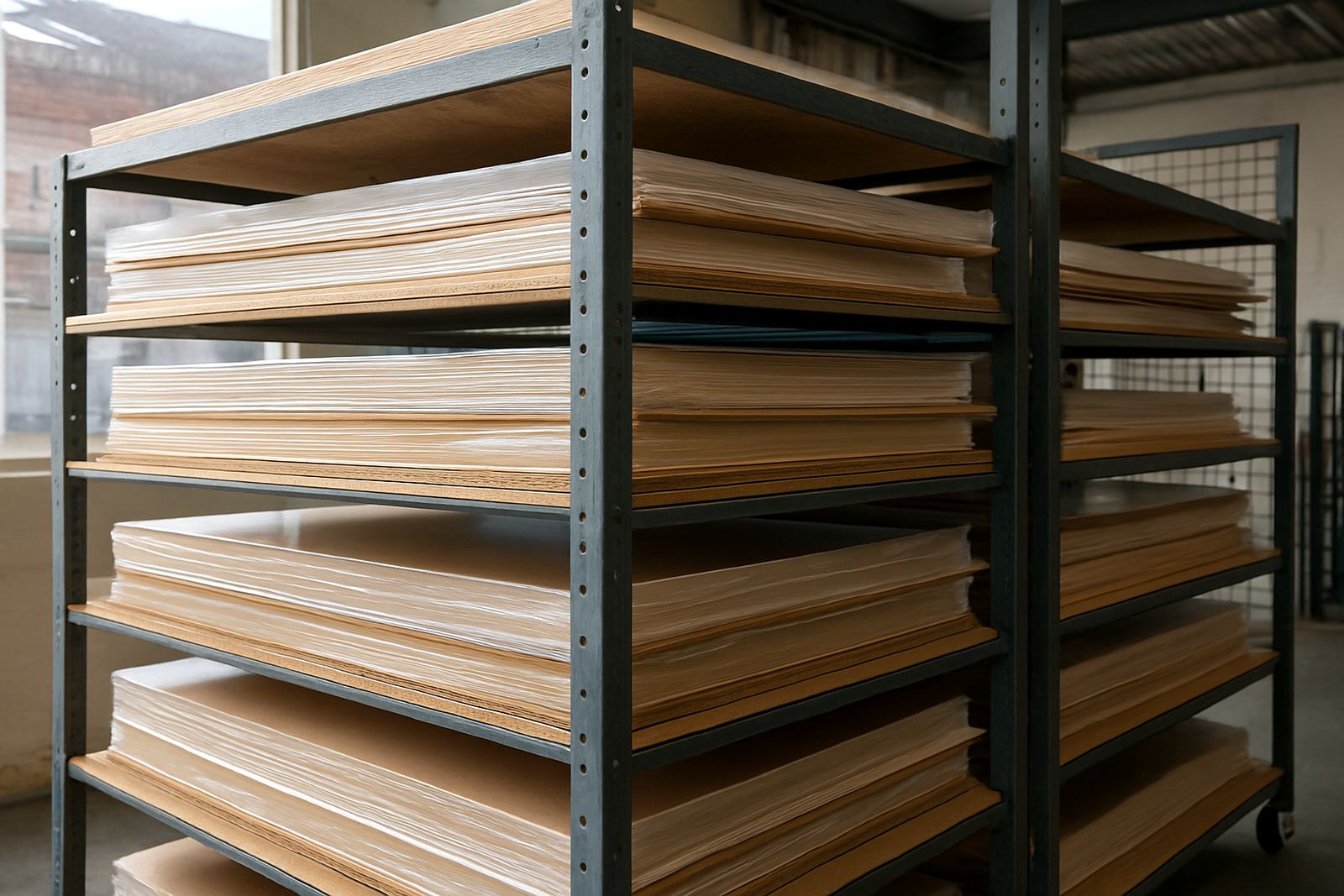
We often help customers decide whether they need straight cuts, custom sizing, small batch cutting or large batch cutting. Film left on can help protect the sheet during handling, while job labelling and courier packing are useful when materials are going out to multiple sites. For customers in Somerset West, Paarl or Stellenbosch, that can make collection or delivery simpler to manage.
- Measure the finished size, not just the rough opening
- Confirm thickness against the application
- Ask whether holes or deburring are needed
- Decide if the sheet should stay protected with film left on
- Plan courier packing if the order is heading nationwide
If you are unsure, material advice is usually the best starting point. A small change in thickness or cut pattern can make a big difference to how the finished item fits and performs.
A practical Cape Town example
Picture a small manufacturer in Epping needing clear machine guards and a few prototype covers for a production line. The site has limited downtime, the parts must fit first time and there is no room for rough edges. PETG sheet is a sensible choice because it can be cut to size, labelled and prepared for installation without much delay.
If the same business also needs replacement clips for a test rig, PETG filament can be used for quick printed parts while the sheet stock covers the flat panels. That combination is common in workshops because it keeps the workflow moving. A single material family can support both display work and functional shop-floor parts.
For customers around Bellville, Montague Gardens, Claremont or Parow, collection options can reduce waiting. For everyone else, filament can be couriered nationwide and sheet orders can be prepared for collection or dispatch from Cape Town. That local handling matters when you are trying to keep a job moving without extra stops.
In practice, PETG is less about being flashy and more about being useful. When a material can be cut, printed, packed and used without fuss, it earns its place in the workshop.