
Start with a clean receiving area and clear hands-on rules
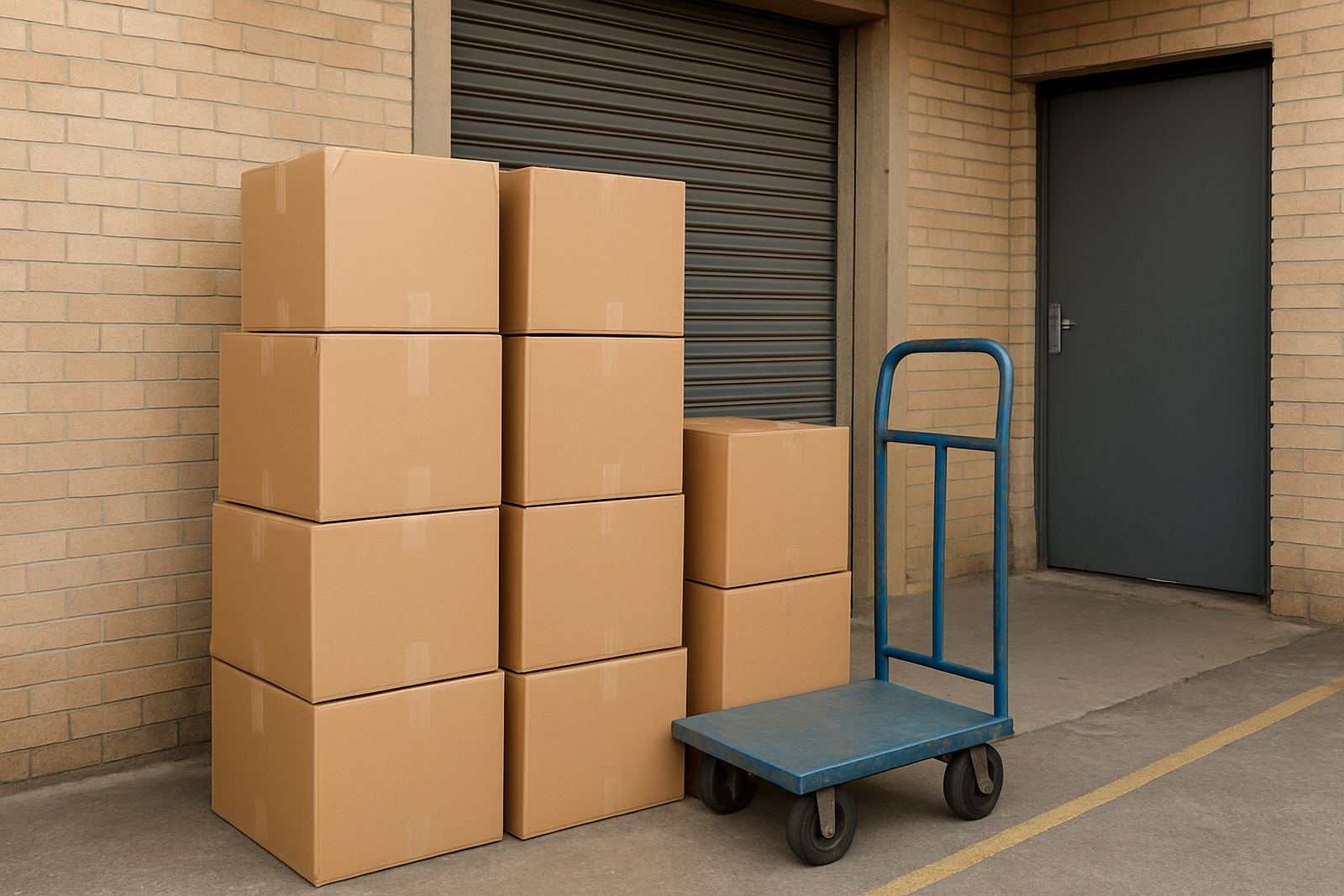
The first scuff often happens the moment a sheet is unloaded. Dust on a pallet, grit on a worktable, or a rough edge on a steel trolley can mark a surface before anyone notices. When sheets arrive at a workshop in Cape Town, the receiving space should be swept, dry and free of offcuts, screws and sand. That matters even more near the coast, where fine moisture can hold dust against the surface and make rubbing marks worse.
Set a simple rule for the team: no dragging, no leaning sheets against rough walls, and no stacking them flat on a dirty floor. Use two hands for smaller pieces and a second pair for larger panels. If a sheet must be moved across a site, carry it upright with the finished faces protected. It sounds basic, but these habits reduce the marks that later show up under lighting in a showroom, medical room or retail display.
- Clear the receiving area before unloading begins.
- Keep gloves clean and dry, with no sharp tools in pockets.
- Move sheets upright where possible, not across rough surfaces.
- Separate finished faces from concrete, metal and timber offcuts.
Keep the protective film on for as long as possible
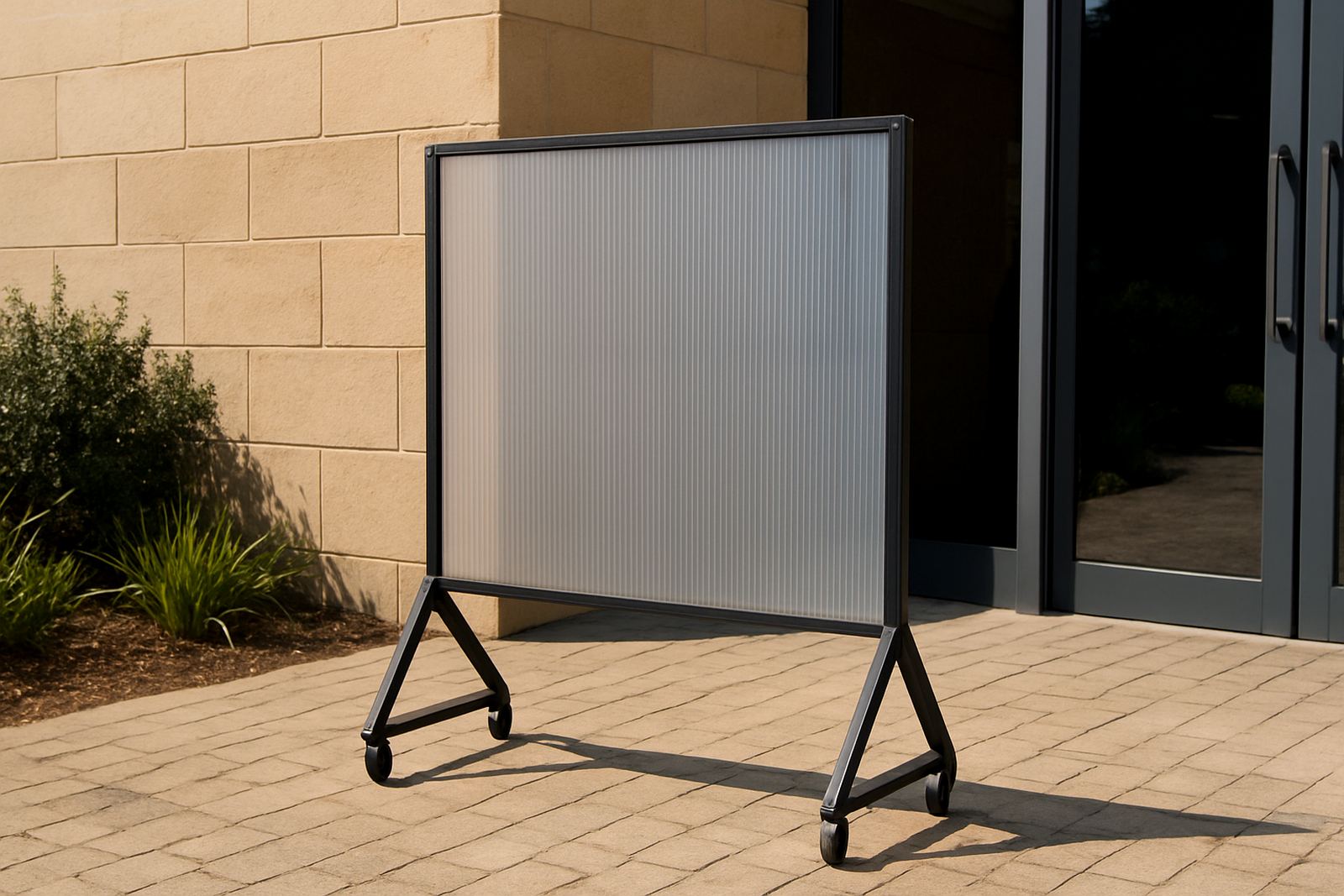
Film protection is there for a reason. If the job allows it, leave the film on until cutting and fitting are complete. This is one of the easiest ways to protect sheet surfaces during handling, drilling and trial assembly. For display work, fabrication jobs and small runs, leaving the film on also helps reduce fingerprints, adhesive transfer and accidental tool marks.
Do not peel the film back early just to check the surface unless you really need to. If inspection is needed, lift a corner only in one small spot and refit it neatly. On warm days, especially in areas like Montague Gardens or Bellville where sheets can sit in a vehicle for part of the morning, film can soften and trap dust. So if you see grit under the film, stop and clean before continuing.
- Leave the film on until the final stage where possible.
- Use a clean cloth to remove dust before refitting film edges.
- Store film faced sheets away from direct sun and heat.
- Avoid sticky tape on visible faces unless it is absolutely necessary.
Stack sheets flat, dry and fully supported
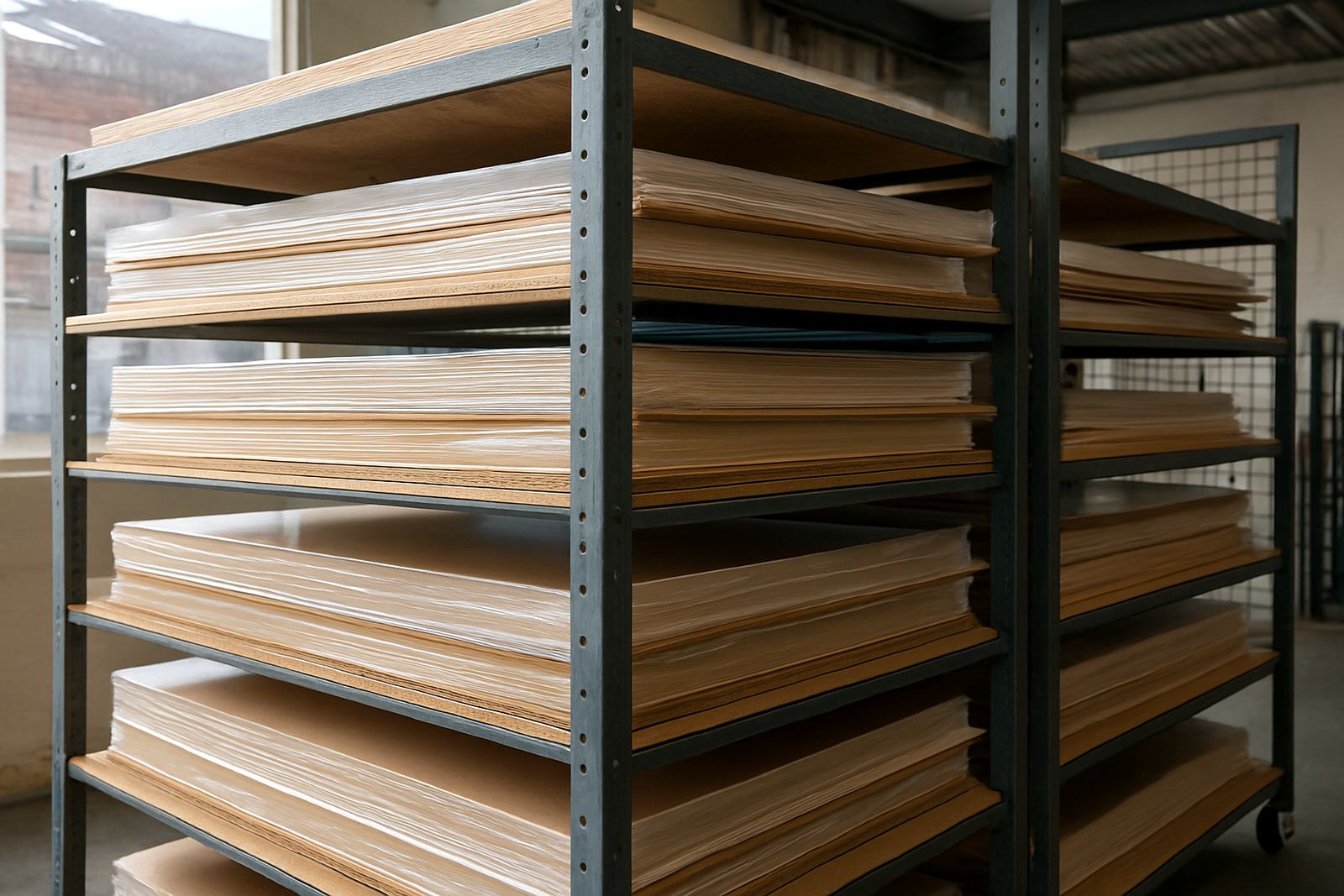
Scratches often come from poor stacking. A sheet that bends under its own weight can rub against another piece and leave a mark. Flat storage is safer, but only if the base is level and fully supported. Use a clean pallet, board or rack with no raised nails, chips or rough grain. If the stack is near a loading bay in Epping or a workshop with constant foot traffic, put a barrier around it so that trolleys and people do not clip the edges.
Moisture is another issue. In coastal areas, damp floors and morning condensation can make sheets stick slightly, then scuff when separated. Leave a small air gap under the stack and keep the area dry. If the sheets are thin, place clean interleaving between layers. That small step is worth it on jobs where visible finishes matter.
- Support the full sheet, not just the corners.
- Use clean interleaving where sheets may rub during storage.
- Keep stacks away from floor moisture and wall damp.
- Do not overstack thin material, as it can bow and mark.
Use the right tools during cutting and fabrication
Tool choice plays a bigger part in surface protection than many people think. A blunt blade, dirty router table or rough saw bed can leave lines that look like scratches. Before cutting, wipe down the machine bed and check that clamps, stops and guides are smooth. Any grit caught under a clamp can press a mark into the sheet as soon as the cut starts.
When working on a batch, keep cut pieces separated from the main stack. One loose offcut can slide back and score the next panel. If holes are being marked or drilled, check that the sheet is fully supported from below so it does not chatter. In busy production runs, it helps to label each job clearly so the right piece is handled only when needed. That reduces unnecessary lifting and re-stacking.
- Clean cutting tables before each run.
- Check clamps, stops and support pads for grit or burrs.
- Keep cut parts separate from uncut sheets.
- Use controlled pressure when marking, drilling or deburring.
Pack for transport as if the road is the workshop
Transport is where many good sheets get spoiled. A delivery van going from Cape Town to Somerset West, Paarl or Stellenbosch can bounce enough to create rub marks if the load shifts. Sheets should be packed with edge protection, restraint and padding at the contact points. Do not let a sheet sit against a metal tie-down buckle or a rough timber corner. Even one short trip can leave a faint line that becomes obvious later under shop lighting.
For nationwide courier work, packing matters even more. The load needs to be stable enough for hand-sorting and the vibration of long-distance travel. Use courier packing that keeps the corners square and protects the faces from abrasion. If the shipment includes multiple sizes, group them carefully and label the stack clearly so items are not opened and rewrapped more than once. Every extra handling step adds risk.
- Use corner protection and clean padding points.
- Prevent sheets from moving during braking or cornering.
- Keep ties firm, but not so tight that they print into the sheet.
- Mark fragile loads clearly for collection and courier teams.
Plan the cut list before the sheet leaves Epping
Good planning cuts down on handling. If a sheet is going to be cut to size, strip cut or panel cut, final dimensions should be confirmed before the material is moved from storage. That way the team handles it once instead of lifting it three or four times while measurements are checked again. In a practical workshop, fewer moves mean fewer chances for scratches, chips and edge damage.
For local collections in Epping, Bellville, Parow or Claremont, it helps to arrive with the cut list settled and the collection method ready. When people know the size, the number of pieces and the order of loading, the job is quicker and cleaner. The same logic applies to fabrication projects where holes, deburring and job labelling are part of the process. Clear instructions reduce handling and keep the finish in better condition.
- Confirm dimensions before collection or production starts.
- Group similar sizes together to reduce re-handling.
- Label each piece so it reaches the right site in the right order.
- Use small batch cutting when the job needs tighter control.
What to do when a mark appears anyway
Even with care, a light scuff can still happen. The main thing is not to make it worse. Stop and inspect the mark under good light. Sometimes what looks like a scratch is only dust on the film or a transfer mark from packaging. Wipe it gently with a clean, soft cloth before reaching for anything more aggressive. Harsh cleaners and rough pads can turn a small issue into a permanent one.
If the mark is real, isolate that sheet from the rest of the stock so it is not moved around and scratched again. Keep the protective film intact if possible, and note where the damage occurred. That makes it easier to change the handling method next time. In a busy production environment, the lesson is usually simple: the surface stays good when the team treats the sheet as a finished product from the start, not only after cutting is done.
For teams working in manufacturing, design or prototyping, this discipline saves time, reduces waste and keeps jobs looking neat when they leave the workshop.