
What food contact means in day to day use
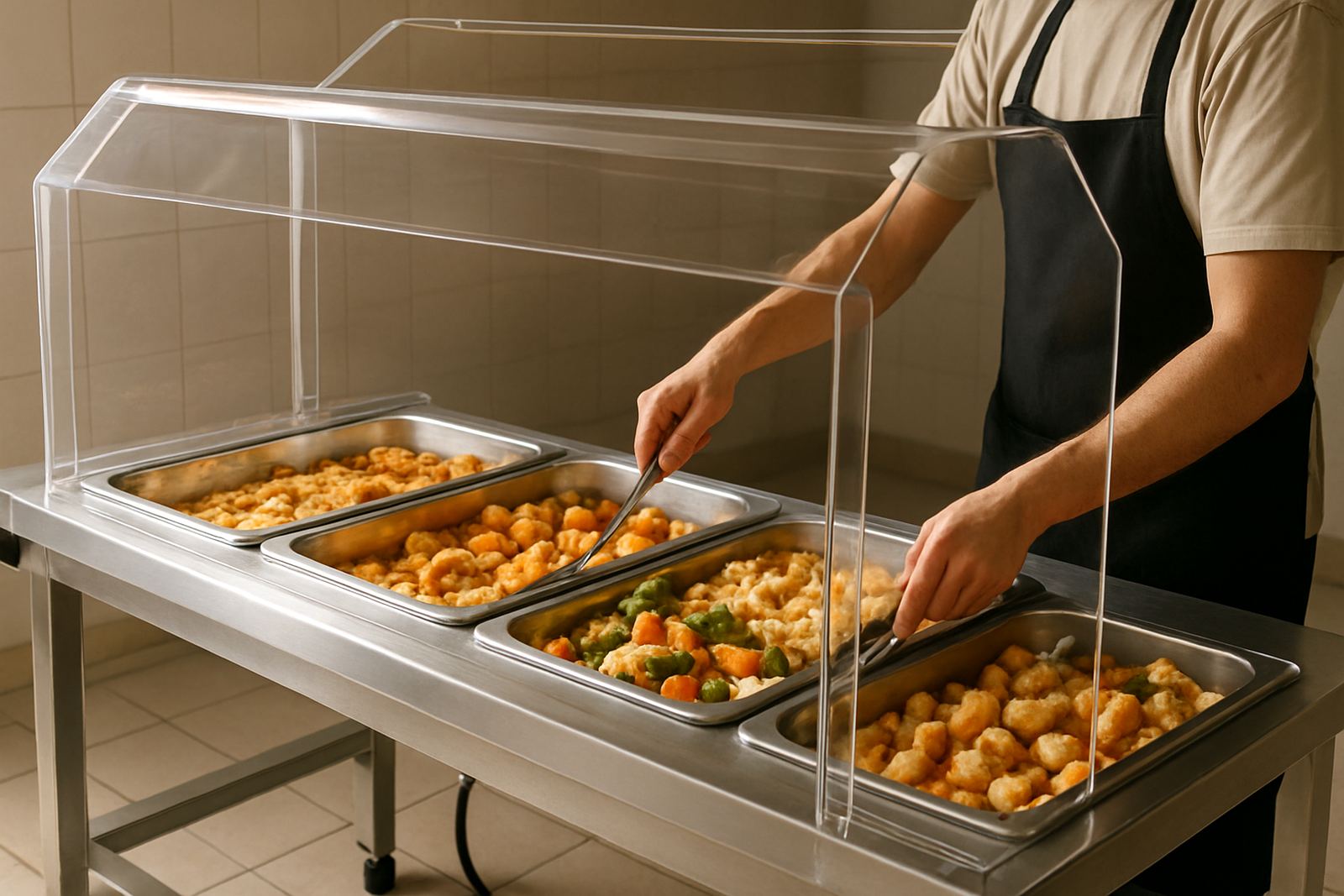
Food contact does not only mean a container that touches food directly. It also includes sneeze guards, serving covers, prep barriers, display fronts and machine guards where crumbs, splash or handling are part of the job. In a bakery in Bellville or a takeaway counter in Somerset West, the aim is the same: keep products protected, visible and easy to clean.
PETG is often chosen for these jobs because it is clear, tough and easy to cut to size. For many South African sites, that matters more than a fancy finish. You need a panel that can handle daily wiping, a bit of movement and the warm conditions around kitchens and packaging areas. If the sheet is too thin, it bows. If it is too thick, it becomes heavy and awkward to fit.
A practical food related panel should be selected with the full environment in mind. Think about steam, dust, salt air near the coast and whether staff will remove the panel often for cleaning. A panel that looks fine on day one can become a nuisance if the edges are rough or the size is wrong.
Choosing the right PETG thickness for barriers and covers
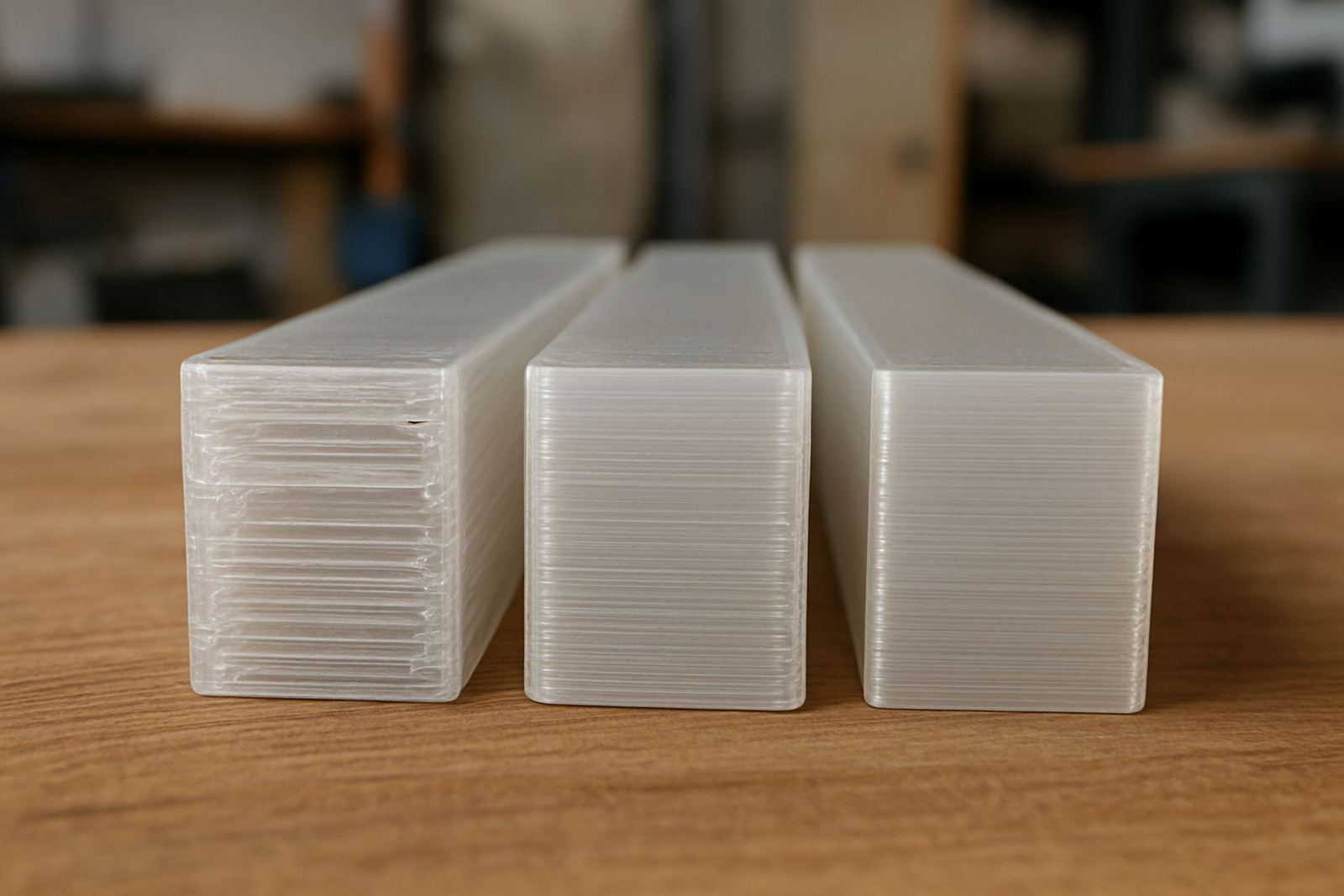
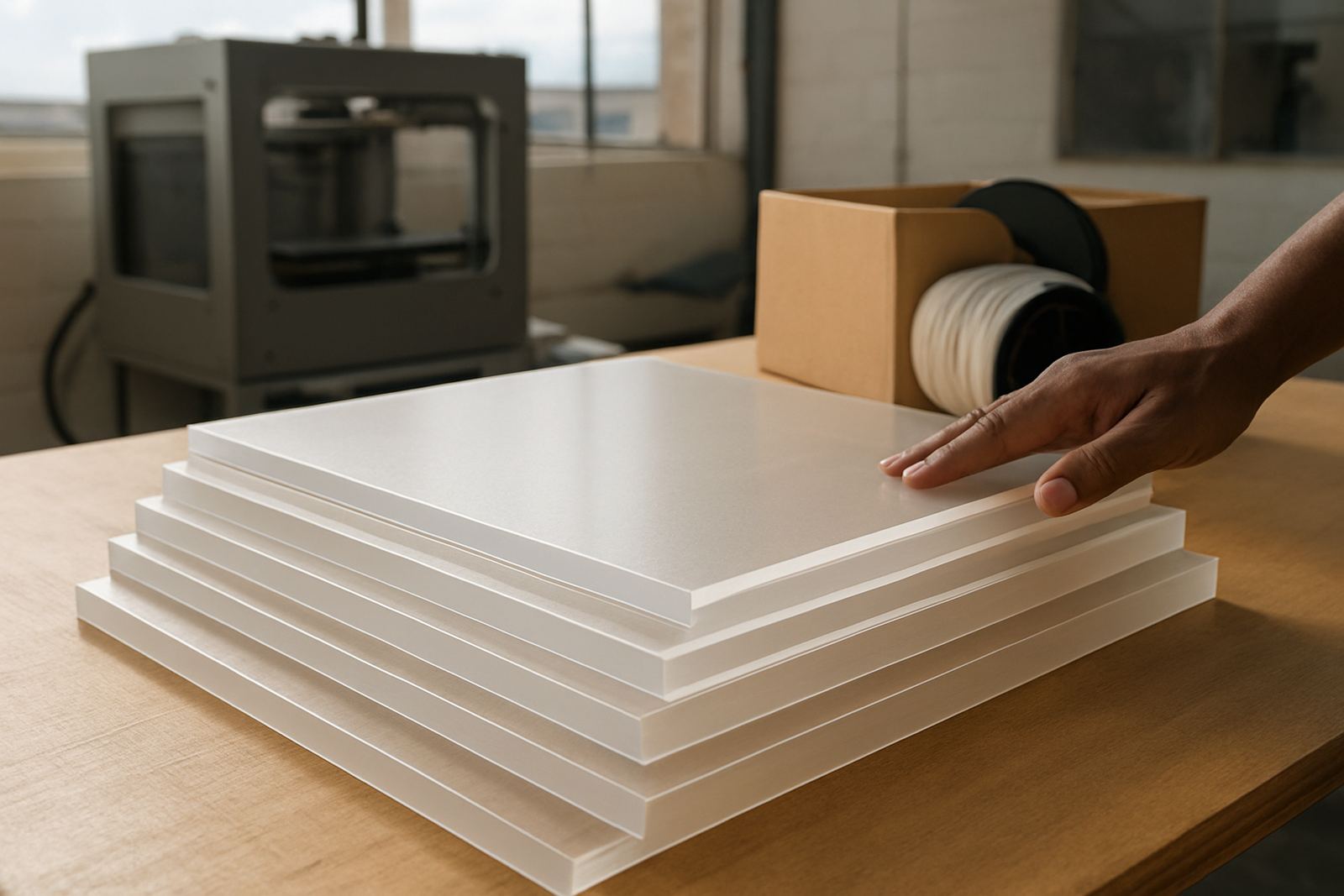
Thickness is one of the first things to get right. For small display fronts and lightweight covers, thinner sheet may be enough. For larger sneeze guards, service barriers or covers that span wider openings, a thicker sheet gives better support and less flex. The right choice depends on the span, the fixing points and how often the panel will be handled.
- Thinner sheet suits light-duty covers, internal display inserts and compact food signage.
- Medium thickness works well for counter shields, prep area dividers and most retail food displays.
- Heavier sheet is better for wide spans, taller barriers and panels that must stay straight in busy areas.
At our Epping base, we often see customers ask for one size and then realise the opening has slight variations once the frame is measured properly. That is normal. A few millimetres can make the difference between a panel that slots in neatly and one that rattles or needs trimming on site.
For food areas, it is usually better to order to the exact opening rather than forcing a standard size. Custom sizing also helps where there are brackets, hinges or folded edges to account for.
Why clean cutting and edge finishing matter near food
Food spaces are not the place for rough edges. A cleanly cut sheet is easier to wash down, less likely to catch cloths or gloves, and more comfortable for staff to handle. If a panel is being used as a barrier or lid, edge quality becomes part of hygiene and safety.
We regularly cut sheets for clients who need straight cuts, strip cutting, panel cutting and hole marking for practical installation. Film left on during transport can help protect the surface, and edge deburring reduces the chance of sharp corners. For food contact basics, that finishing work is not cosmetic, it is part of making the panel useful.
- Ask for edge deburring where staff will touch the sheet often.
- Use hole marking if the panel must be fixed with screws or spacers.
- Choose courier packing for larger jobs going beyond Cape Town.
- Keep the protective film on until final installation and cleaning is complete.
In a coastal area like Muizenberg or Strand, clean edges also help because moisture and salt can collect in rough spots. A smoother finish is simply easier to maintain over time.
Direct food contact versus barrier use
There is a practical difference between a panel that protects food and a panel that actually touches food. A display cover over baked goods, for example, has different demands from a tray insert or a lid that rests against packaged items. Before choosing material, decide whether the sheet is serving as a barrier, a cover or a contact surface.
For indirect food protection, clarity and durability usually come first. For direct contact, the application needs more care around cleaning routines, temperature exposure and whether the sheet will be reused frequently. If food is oily, warm or acidic, check that the sheet and the cleaning method are both suitable for the job.
It also helps to think about the rest of the setup. If the frame is timber, metal or powder coated steel, the panel should fit without forcing. A panel that is under strain can bow, crack at the fixing points or become difficult to remove for washing. That is not ideal in a busy kitchen before a lunch rush.
Local examples from bakeries, canteens and production spaces
A small bakery in Paarl might need a clear front panel for a cake display, with a few simple holes for mounting and a width that matches the counter exactly. A school canteen in Parow may need a taller guard for serving lines, where staff can wipe the panel quickly between shifts. A food packing room in Epping may need barrier sheets to separate stages of handling without blocking light.
These jobs sound different, but the decision process is often the same. Measure the opening carefully, decide how the panel will be fixed, then choose the thickness that matches the span. If the site has frequent load-shedding and staff rely on natural light, a clear sheet can help keep the workspace bright without adding clutter. That can make a real difference in small prep rooms.
- Measure width, height and any bracket positions before ordering.
- Allow for cleaning access if staff need to lift or remove the panel.
- Consider airflow around warm equipment so condensation does not build up.
- Check whether the panel should be one piece or split into manageable sections.
For larger batch work, labelling each piece helps avoid mix-ups on site. That is useful when a customer in Stellenbosch needs several panels for one premises, or when a chain site wants matching sizes across more than one branch.
Cleaning, handling and storage in South African conditions
Once installed, the panel still needs sensible care. Use mild cleaning methods and avoid harsh abrasives that can cloud the surface. In food areas, consistency matters more than aggressive cleaning. A soft cloth, regular wipe down and proper drying is usually enough for day to day use.
Storage before fitting also matters. In a hot storeroom or a vehicle parked in the sun, panels can be stressed if they are stacked badly. Keep sheets flat where possible, away from sharp items and direct heat. In Cape Town, the shift from cool mornings to warm afternoons can also affect handling, especially if panels are being collected and fitted the same day.
If a panel is for a coastal site, check it after a few weeks of use. Salt air and humidity can reveal issues with fittings, not just the sheet itself. Loose screws, poor spacers or a bad edge cut are often the real problem. The material gets blamed, but the installation is usually where the issue starts.
When to ask for advice before you order
If the panel is going near open food, serving lines or prep equipment, it is worth checking the full detail before cutting starts. The most common mistakes are simple ones: the opening was measured at the wrong point, the fixing holes are off by a few millimetres, or the panel is too thin for the span. Getting the advice right early saves time and waste.
Our team handles material advice, custom sizing and courier packing for clients across South Africa, with collection available in Epping and nearby areas such as Montague Gardens, Bellville, Parow, Somerset West, Paarl, Stellenbosch and Claremont. Whether the job is one cover or a batch of barriers, the aim is to match the sheet to the real use on site.
For food related work, the best result is usually the plainest one: the right size, the right finish and a panel that stays easy to clean. That is what keeps a display practical day after day.