
Start with the real exposure, not the idea on paper
Before choosing PETG for an outdoor job, work out exactly where the sheet will sit. A shaded stoep panel in Somerset West faces a very different load to a sign insert on a west-facing wall in Bellville or a machine cover near the coast in Milnerton. Direct sun, reflected heat from paving, wind lift, and salt air all change the way the material behaves over time.
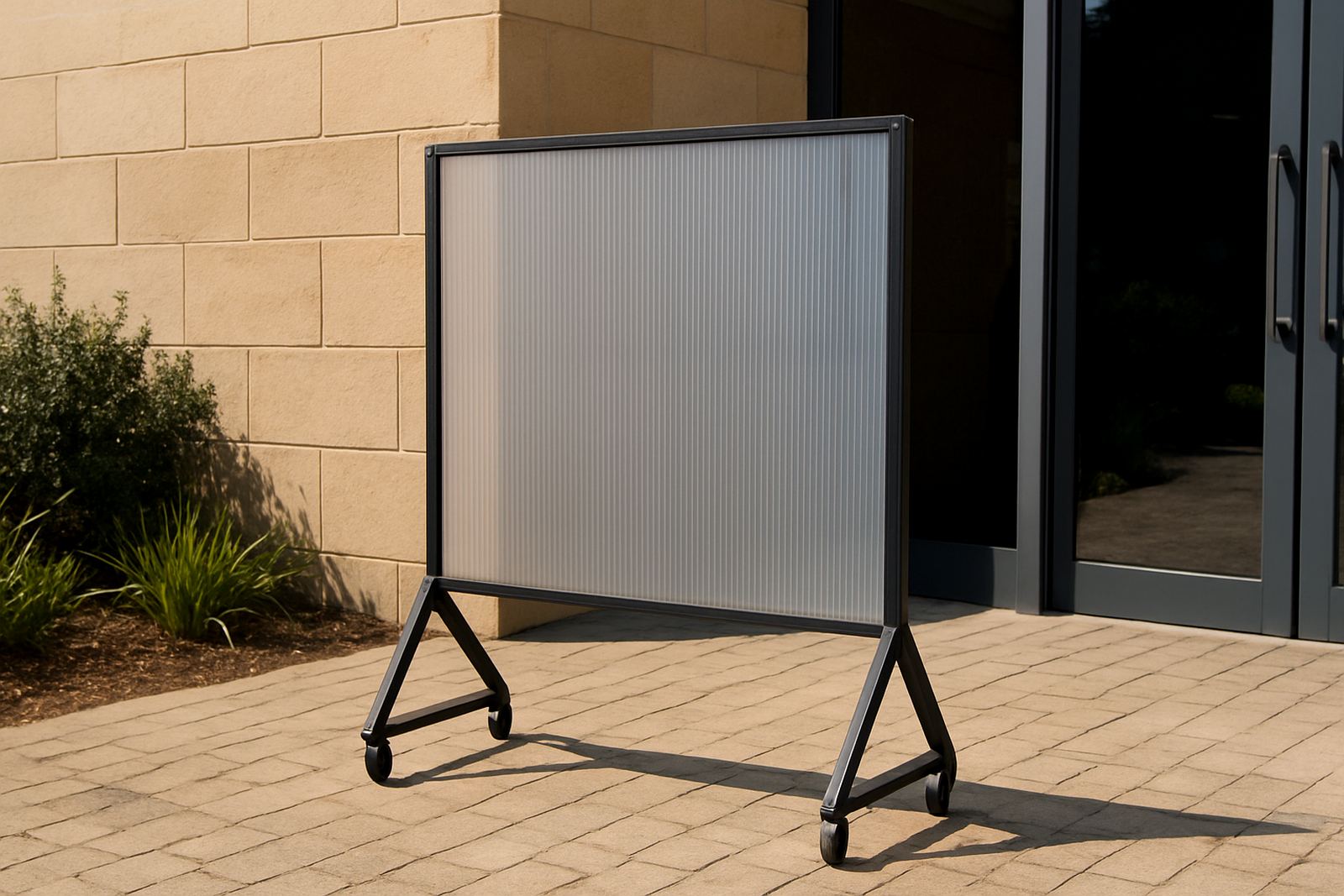
For short-term outdoor use, PETG is often a practical choice because it machines neatly and offers a clean finish. For longer exposure, the design must account for movement, fixing points and the fact that clear sheet can take a lot of heat from the sun. If the panel is behind a frame or canopy, the risk drops quite a bit, but if it is fully exposed, the spec needs a closer look.
- Check whether the sheet is fully exposed or partially sheltered
- Allow for strong afternoon sun on west and north facing surfaces
- Consider salt in the air near the coast, especially on exposed fixings
- Think about wind loading on larger panels and signs
Choose thickness for the span and fixing method
Outdoor sheets fail more often from poor support than from the material itself. A thin panel across a wide opening can flex, chatter in the wind and crack around holes. The right thickness depends on the span, the size of the cutout and whether the edge is fully supported. For small covers and guards, lighter sheet may be fine. For larger panels, thicker material usually gives a more stable result.
At our Epping base we see many jobs where the client only knows the outer size, not the load the panel must carry. That is where practical sizing helps. Straight cuts, panel cutting and hole marking all matter because the holes need to sit cleanly and the finished piece should fit without forcing. If the sheet must be mounted under pressure, that pressure needs to be planned for not left to chance.
- Use thicker sheet where the span is wide or the panel is unsupported
- Keep hole positions accurate to reduce stress around fixings
- Leave room for thermal movement around the frame
- Avoid over-tightening screws, washers or clamps
Heat, sunlight and movement need allowance
PETG can handle daily use well, but outdoor heat changes its size slightly and that movement must be allowed for. On a hot midday surface in Paarl or Stellenbosch, a sheet can expand more than many people expect. If it is cut too tight into a frame, it may bow or push against the mounting points. That is why custom sizing matters so much on outdoor work.
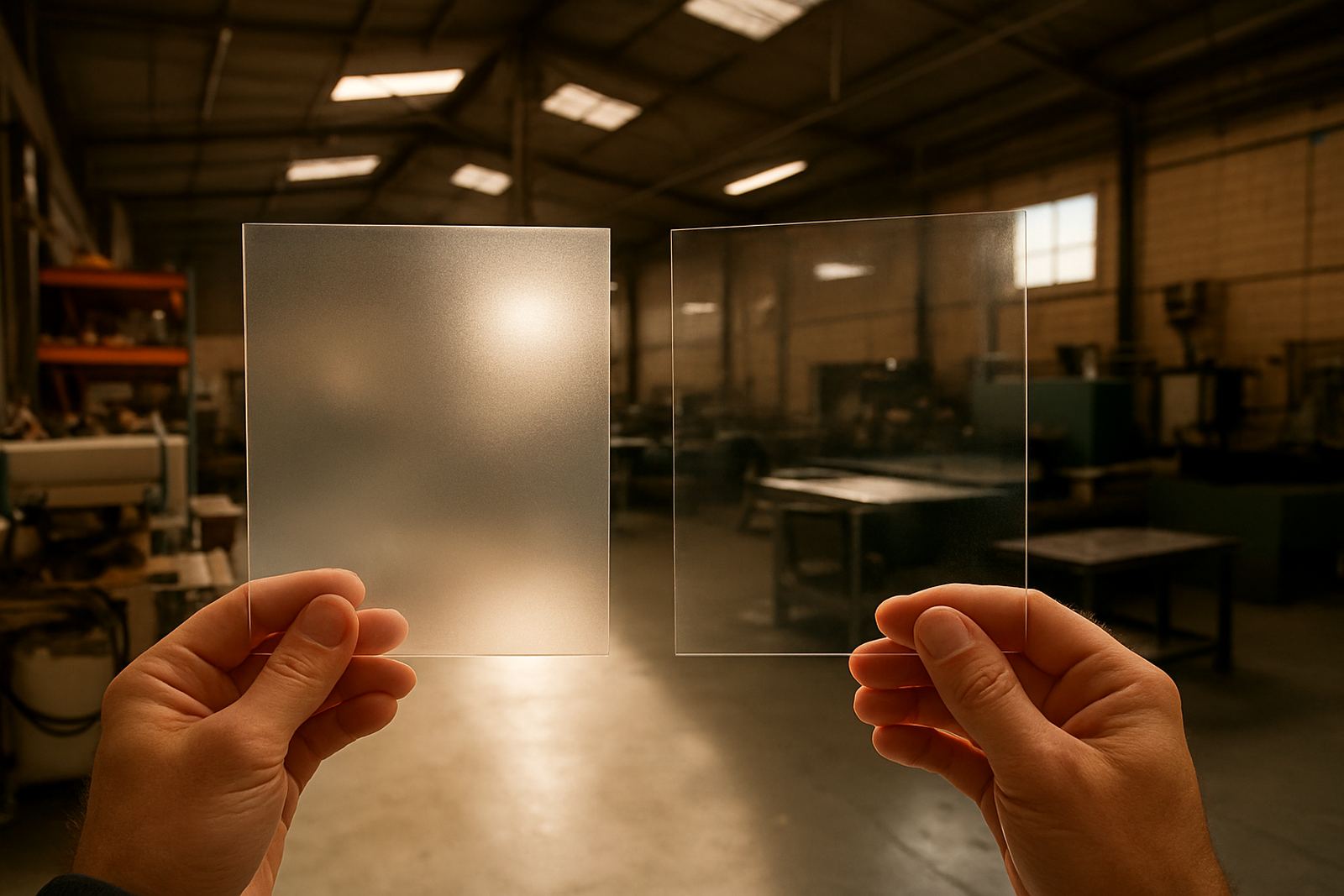
Clear sheet also needs a clean edge and the right handling during cutting. Film left on helps reduce surface marks during installation and transport, then it can be removed once the job is fitted. For jobs with repeated sun exposure, it is smart to keep edges neat and avoid sharp corners where stress can build up. A small radius can make a real difference on a long panel.
Where possible, choose a mounting layout that allows the sheet to float a little rather than locking every side rigidly in place. That is especially important on coastal work where daytime heat and evening cooling can be quite sharp.
Coastal weather asks more from fixings and edges
Cape Town coastal conditions are hard on outdoor materials. Salt air can affect metal fixings, brackets and frames before the sheet itself shows trouble. If the support system is the weak point, the panel can loosen, rattle or stain even when the sheet is still sound. For this reason, outdoor PETG should be matched with suitable hardware and proper edge treatment.
Edge deburring helps remove roughness after cutting and reduces the chance of cracks starting at sharp points. On larger jobs, clean strip cutting or panel cutting gives a more controlled finish, which is especially useful when the piece needs to sit inside aluminium or timber framing. Around surf zones or open industrial yards, it is also worth checking whether the installation can be cleaned easily because grime builds up fast.
- Use fixings that suit coastal conditions
- Deburr edges so stress does not start at sharp corners
- Keep drainage paths open so water does not sit in the frame
- Plan for easy cleaning if the panel is near dust, spray or grease
Outdoor use for prototyping, covers and temporary installs
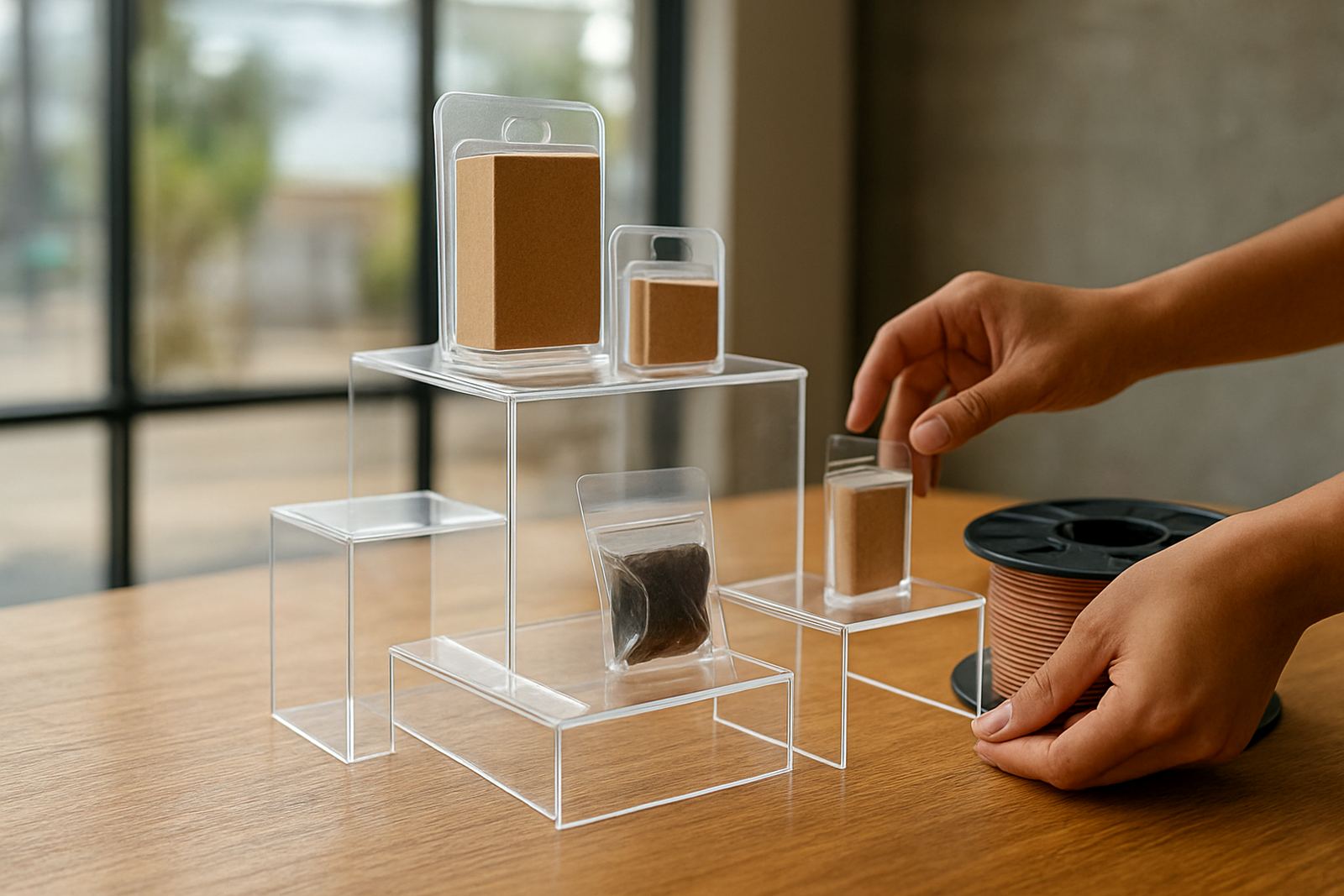
PETG sheet is often used outdoors for short-term covers, display guards, prototype housings and fabrication jobs where speed matters. In these cases, the key is to match the sheet to the life of the project. A temporary site panel in Claremont or a small run of machine guards in Montague Gardens may only need months of service, not years. That changes the spec quite a bit.
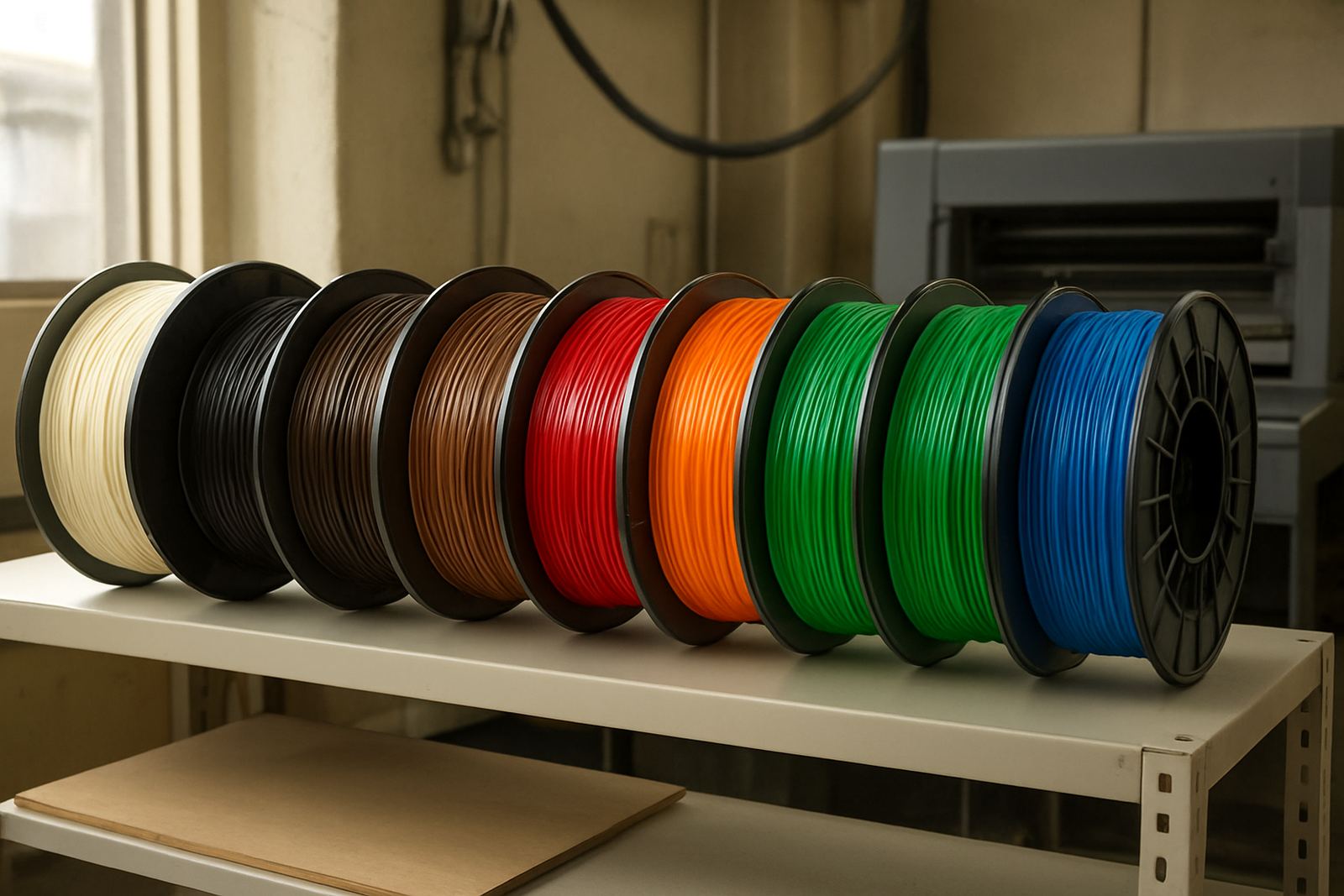
For one-off or small batch work, it helps to talk through the use case before cutting starts. Material advice can save time later, especially if the panel needs hole marking, courier packing, or repeat sizing for a job that will be installed at several sites. The same is true for 3D-printing filament used in outdoor prototypes because the printed part may be tested in sun before the final production item is made.
In many workshop settings, the best outdoor result comes from a simple rule: keep the design practical, keep the fixing points sensible, and do not ask the sheet to carry more than the frame can support.
A local example from Epping to a Somerset West site
A client in the Somerset West area recently needed clear covers for an outdoor equipment bay at a light industrial site. The panels had to be cut to size, labelled for each opening and packed for courier delivery from Cape Town. The bay sat in open sun for most of the afternoon and was also exposed to coastal air drifting inland on windy days.
Rather than supply a single generic size, the job was split into measured panels with accurate hole marking and edge finishing. That made fitting quicker on site and reduced the chance of forcing the sheet into position. The client also asked for film left on during transport so the surfaces stayed clean until installation day. It was a simple job, but it showed how much difference a few practical decisions can make.
For outdoor use, the lesson is clear: the material choice matters, but so does the cut, the frame and the way the panel gets handled from the workshop to the final fix.
What to check before you place the order
When you are ready to order outdoor PETG, have the basic information in hand so the job can be cut properly first time. Measure the opening carefully, note whether the panel is shaded or full sun, and think about how it will be fixed. If you are collecting from Epping, Bellville, Parow, Somerset West, Paarl, Stellenbosch or Claremont, it helps to know whether the sheets need straight cuts, panel cutting or small batch work. For national jobs, courier packing should be planned around the final size and edge protection.
- Final opening size and any tolerance needed
- Indoor, shaded outdoor, or fully exposed location
- Fixing type and hole positions
- Need for film left on, labelling or packing for courier
- Expected life span of the installation
If you are unsure, ask for material advice before the cut is made. Outdoor work leaves little room for guesswork and the best results usually come from getting the details right before the first sheet is trimmed.