
Why PETG works so well on the sales floor
When a display needs to carry product, signage and customer traffic all at once, the material choice matters. PETG is used for risers, shelf talkers, brochure holders, product guards and branded presentation parts because it keeps a neat appearance while still handling knocks better than many brittle plastics. In busy stores, showroom counters and exhibition stands, that extra toughness makes a difference.
For retail fit-outs in Cape Town, Durban or Gauteng, the same point applies: a display should look clear and tidy under bright lights, then survive daily wiping, moving and re-stocking. PETG sheets are easy to cut to size, shape and drill, which helps when you need a clean result without waiting too long for special fabrication.
It also helps that PETG has good light transmission, so product stands and face panels do not look dull or milky. When a cosmetic tester, phone accessory or premium food item needs to be seen properly, the material should not fight the display. That is where PETG earns its place.
Best display uses for PETG sheets
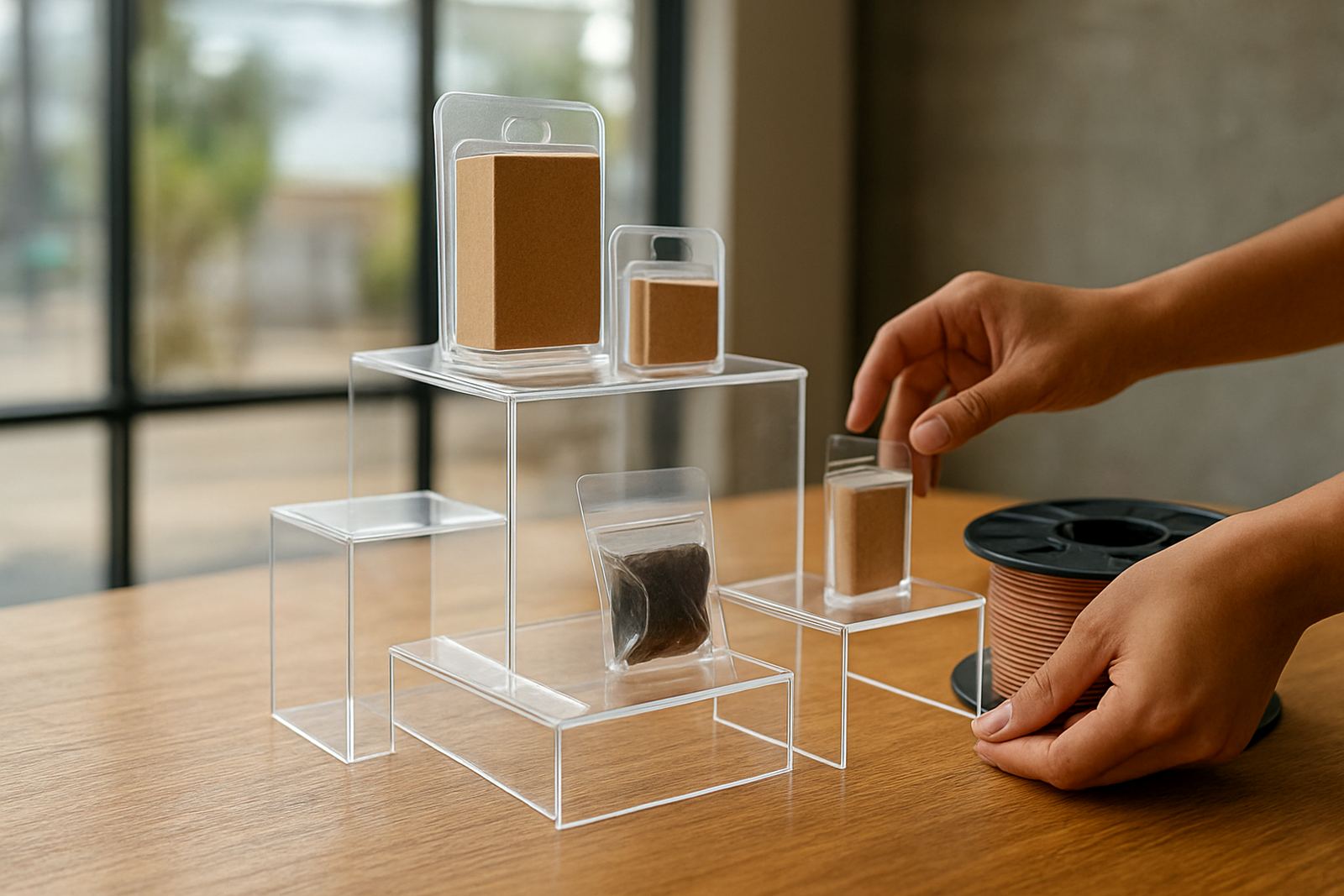
For display work, PETG suits a wide mix of components. It is often chosen where the part must be visible, easy to wipe down and stable enough for repeat use. Depending on thickness and layout, the same sheet can be used for small components or larger retail panels.
- Point-of-sale stands for counters and till points
- Tiered risers for cosmetics, sweets, electronics and gift items
- Product dividers and shelf inserts
- Clear guards and sneeze screens for serving areas
- Brochure holders and ticket pockets
- Menu covers and price display panels
- Prototype parts for exhibition displays and launches
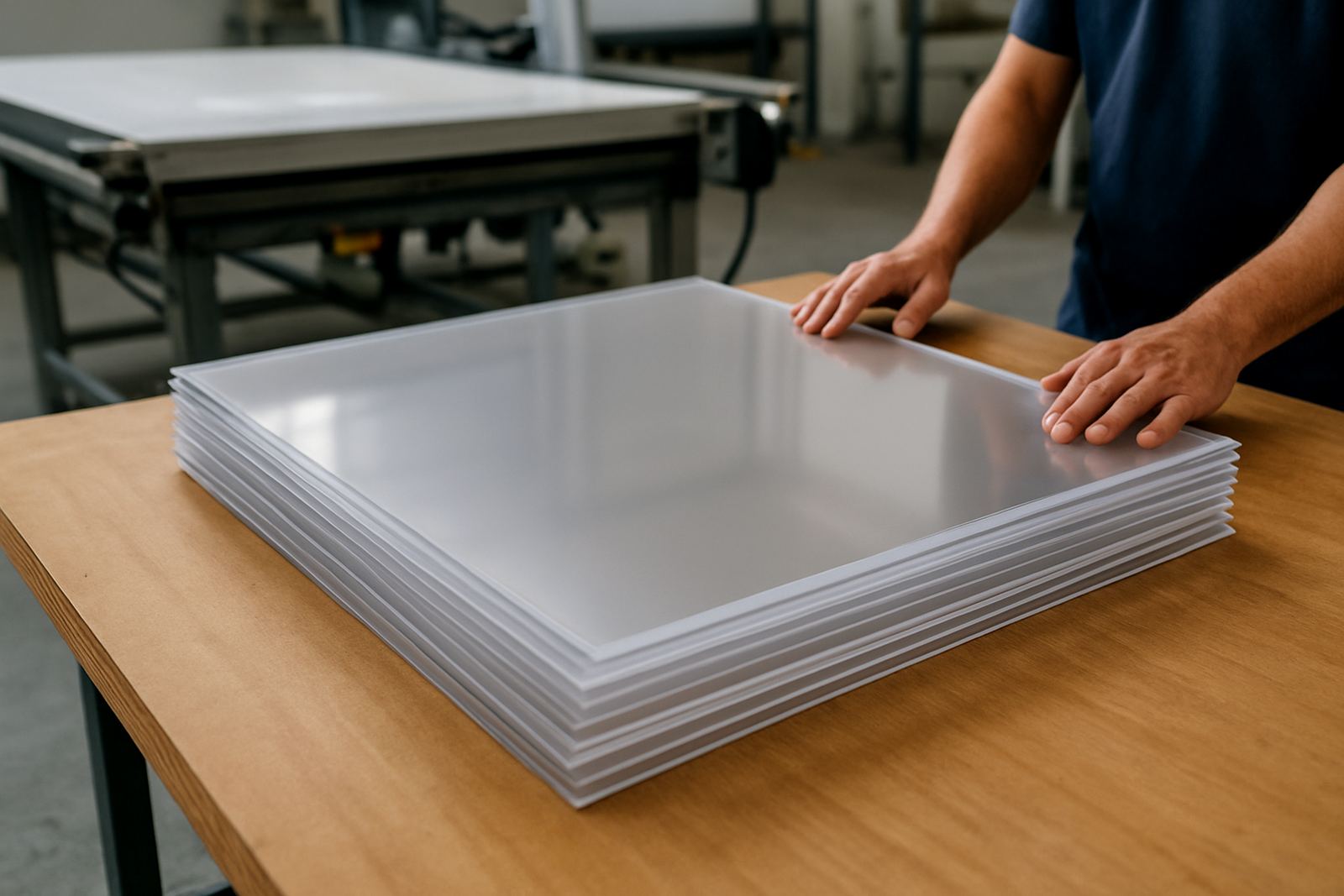
For some jobs, film left on during cutting is useful because it keeps the face cleaner while the part is being handled. That matters if a display has to go straight into installation or travel to another branch. If the final fit needs neat edges, edge deburring can help too.
Practical advantages over common display materials
In display fabrication, people often compare PETG with acrylic or other rigid plastic options. The main advantage is that PETG usually gives more impact resistance and is less likely to crack when a shelf gets bumped or a panel is handled during cleaning. That is useful in stores with regular foot traffic, school canteens, reception counters and showroom floors where things get knocked around.
PETG also behaves well during forming and cutting. It can be used for straight cuts, custom sizing, strip cutting and panel cutting, which makes planning easier when a client wants a batch of the same part. For larger display programmes, small batch cutting and large batch cutting help keep the parts consistent from one run to the next.
There is another point worth noting for South African conditions. Coastal humidity in areas like Cape Town and Somerset West can be unkind to some materials over time, especially when parts are cleaned often. PETG is a solid option when the display needs regular maintenance and a decent service life. It is not magic, but it does hold up well in normal commercial use.
- Less likely to crack from light impact
- Good clarity for visible product presentation
- Easy to machine and trim to exact size
- Suitable for repeatable batch work
- Works for both temporary and longer term displays
Getting the thickness and finish right
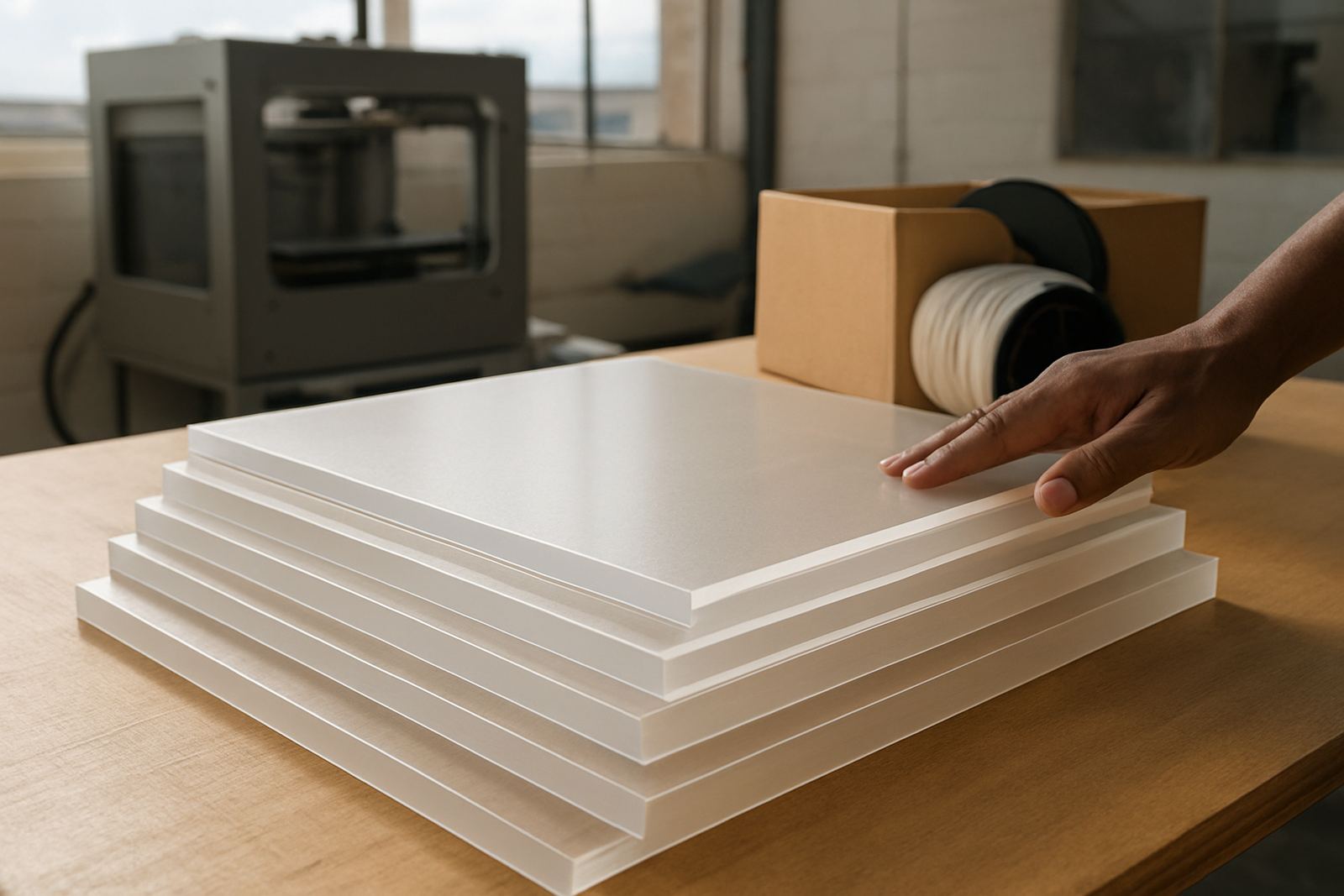
The right sheet thickness depends on what the display must do. A small counter riser does not need the same material as a full panel divider or a product guard at a busy till point. Thin sheet can work for inserts and labels, while thicker sheet is better for load-bearing presentation parts and free-standing stands. If the display will carry heavier items, it is worth checking the dimensions and support points before cutting.
Material advice is especially useful when a design has both visual and structural demands. A neat-looking display that bows or shifts is not much help on a sales floor. In practice, the cut must suit the use. Straight cuts are fine for many retail parts, but hole marking may be needed for fixings, standoffs or tie-down points. For custom presentation pieces, panel cutting can speed up production while keeping the sizing accurate.
Some clients prefer the protective film left on until installation, particularly on clear display faces. That can reduce scratching during packing and courier transit. If the part is going to be branded or added to a stand later, keeping the face protected is a simple way to keep the finish tidy.
Display production in Cape Town, with collections and couriering
Based in Epping, Cape Town, PETG supplies cut to size sheet work for local clients and couriered filament nationwide. For display makers, that is useful when a rush job comes in from a store rollout, an exhibition builder or a design studio. A team can collect in Epping or arrange collection from nearby areas such as Montague Gardens, Bellville, Parow, Somerset West, Paarl, Stellenbosch and Claremont.
Local production matters because it reduces the back and forth that often slows down a job. If a retailer needs extra risers before a product launch, the cutting, labelling and courier packing can be handled in a more organised way. That is especially handy when load-shedding affects workshop timing and you need the job planned properly rather than left to chance.
For a practical example, think of a Cape Town pharmacy fitting out a new front counter. The display team may need clear risers, branded product trays and a small guard for sanitiser testers. PETG is a sensible option because the parts need to look neat, be easy to wipe down and arrive ready for installation. With careful sizing and labelled batches, the installer spends less time sorting parts on site.
How to brief a display job so it comes out right
A good result starts with a clear brief. The display will work better if the supplier knows the final use, the size limits and whether the parts must be packed for courier delivery or collected in person. For larger runs, it helps to state if the job needs job labelling, courier packing or repeated parts that must match exactly.
Before sending a display project through, it helps to confirm a few basics:
- Final dimensions in millimetres or metres
- Thickness required for each part
- Whether the edges must be clean or polished
- If holes, slots or fixing points are needed
- Whether the film should stay on during transport
- How many pieces are needed in the batch
That kind of detail makes it easier to get the job done right the first time. It also saves time on rework, which matters when a store opening or trade event has a fixed date. If there is any uncertainty, material advice at the start is usually better than adjusting parts after cutting.
A material that supports the product, not the other way round
A display should put the product first. If the stand is too heavy, too cloudy or too fragile, it distracts from the goods on show. PETG gives display makers a practical balance of clarity, toughness and workable fabrication. That is why it turns up in point-of-sale work, risers, guards and presentation parts where the finish has to stay clean under daily use.
For South African businesses, the value is simple: a sheet that can be cut accurately, packed properly and delivered where it is needed, whether that is a Cape Town showroom or a branch in another province. When the display must look neat and keep working, PETG is a sensible place to start.