
Why pre-cut sheets change the job before it starts
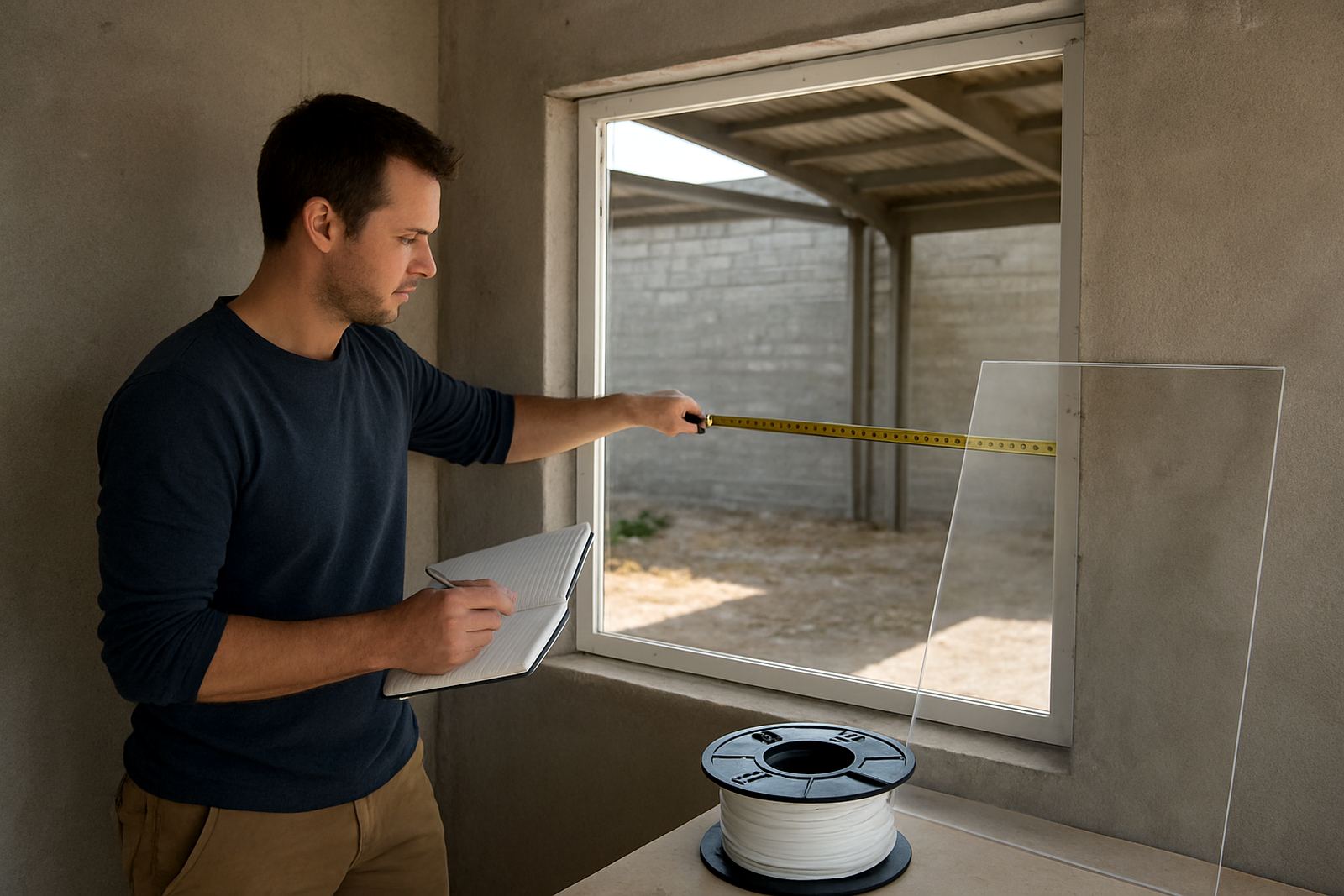
Most project delays do not come from the material itself, but from what happens after delivery. A full sheet can still mean measuring, marking, shifting panels around the workshop and making extra passes on the saw. Cut to size removes much of that labour before the job reaches your floor, which is useful whether you are producing signage, machine guards, display parts or internal fit-outs.
For local businesses in Epping, Montague Gardens or Bellville, this also means less material sitting around waiting for the next person to trim it. Orders arrive in the size you need, so your team can move straight to drilling, forming or mounting. That matters when turnaround is tight and the loading bay is full.
It also helps with planning. If you know each panel is already close to final dimensions, you can estimate labour more accurately and reduce the chance of rework from a marking error. A small mistake on a full sheet can cost a lot more than the same mistake on a correctly cut panel.
Where cut to size saves money on real jobs
Buying larger sheets and cutting everything in-house can look cheaper at first, but the hidden costs add up. There is machine time, blade wear, offcut handling, labour and the risk of damaging a panel during handling. Cut-to-size supply is often the better choice when the team needs repeatable parts or only a limited number of panels.
- Less waste from over-ordering full sheets when only certain sizes are needed
- Lower labour time on measuring, cutting and cleaning edges
- Fewer handling marks and less chance of scratched surfaces
- Better control over job costing on small batch production
For workshops that already work with tight margins, even a small reduction in wasted material can help. If the job only needs 12 panels, there is no point paying for 12 panels plus the extra offcuts that will sit in the corner until someone finds a use for them.
Cleaner installation and fewer site adjustments
Cut-to-size material streamlines installation because the installer is not trying to shape the part on site. That is a big advantage on jobs in shopping centres, factories and municipal spaces where cutting dust, noise and time on the floor must be kept under control. A panel that is already cut, labelled and packed is easier to carry, easier to check and quicker to fix in place.
It also reduces the chance of onsite mistakes. When a piece is cut in the workshop, it can be checked against the drawing before it leaves. Once it reaches the site there is less pressure to improvise with a hand tool or make a last-minute adjustment. That saves time and avoids the kind of rework that turns a simple install into a second visit.
In Cape Town, where weather and access can change quickly, this can make a real difference. A morning sea mist in Paarden Eiland or a windy afternoon in Somerset West can slow a job down, so arriving with panels ready to fit is practical not just convenient.
Better results for prototyping and repeat production
Design teams and manufacturers often need more than one version of the same part. Cut to size helps when you are testing fit, checking clearances or running a small batch before moving into larger production. It keeps dimensions consistent from one piece to the next, which is important when the part needs to line up with brackets, housings or printed components.
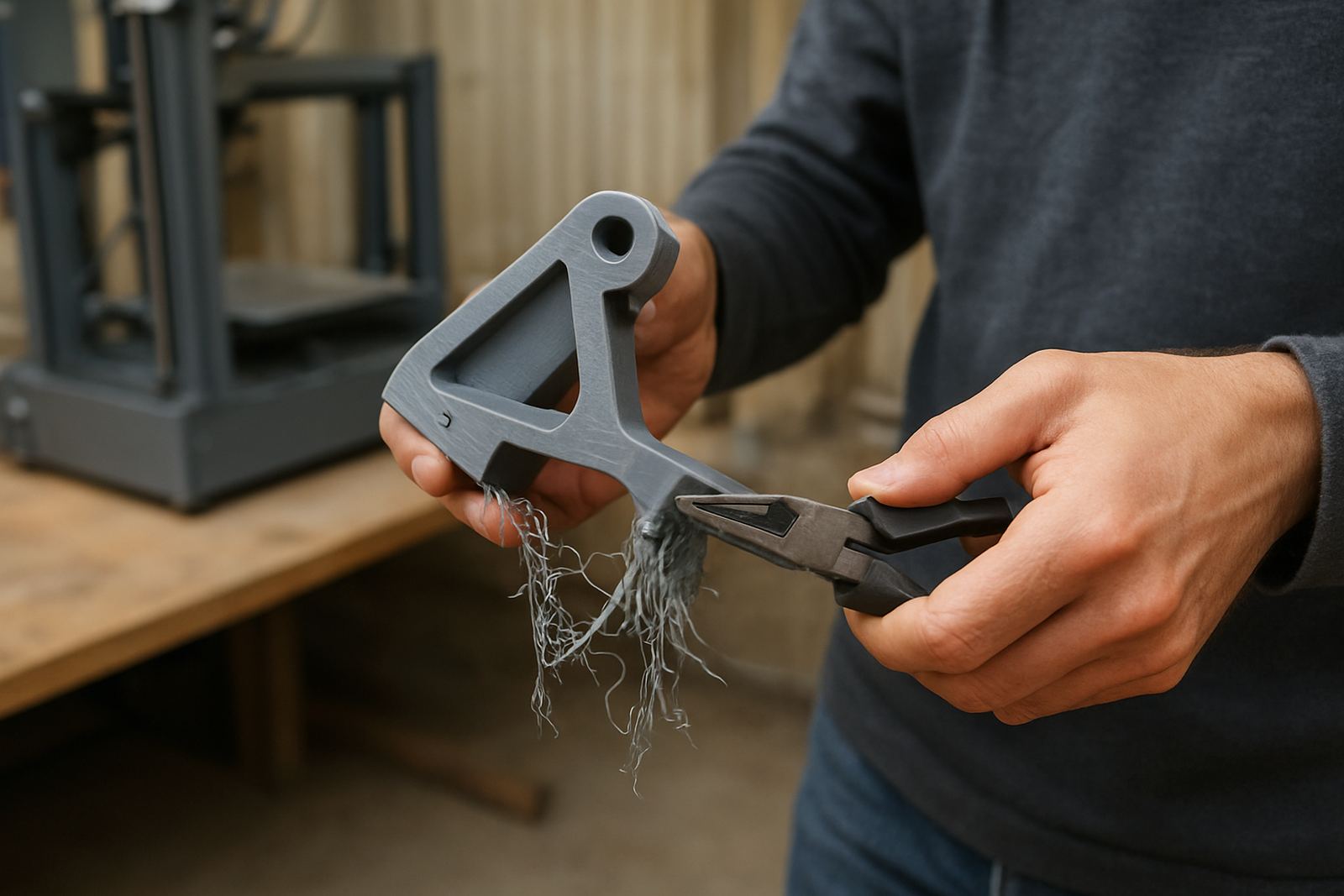
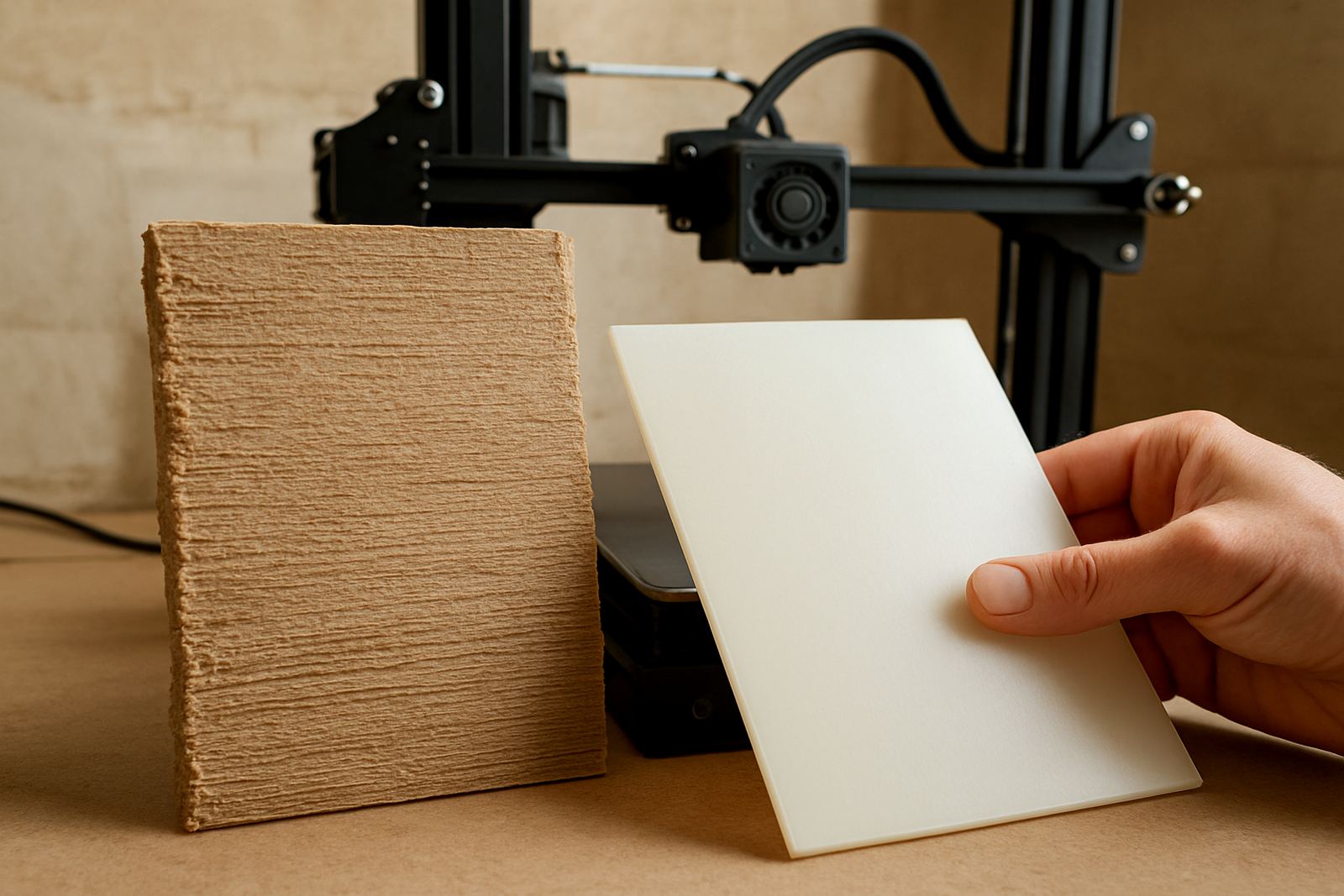
This is also useful for customers who work with 3D printing. PETG filament and PETG sheet often end up in the same workflow, especially where brackets, covers or display components need to match. When the sheet arrives pre-cut, the printed parts can be checked against a cleaner, more accurate substrate, and that makes the whole process easier to manage.
- Small batch runs stay consistent from piece to piece
- Prototype checks happen faster because the base material is already prepared
- Repeat orders are simpler to track when each job is cut to the same spec
Why local cutting suits Cape Town conditions
South African workshops deal with familiar constraints: load-shedding, limited floor space, coastal humidity and jobs that must move quickly between quoting and delivery. Local cut-to-size supply helps reduce those pressure points. If the order is being prepared in Epping, there is less waiting around for material to arrive from elsewhere and less risk of the job stalling while your team stands by.
Coastal humidity can also affect how material is handled and stored. Keeping stock moving in the right size for the job helps reduce unnecessary storage time and keeps the workshop tidier. That is useful in areas close to the harbour, and it is just as useful for sites further inland where space is already limited.
When a customer in Paarl or Stellenbosch needs panels for a display or an enclosure, cut-to-size ordering means the job can be collected or couriered with less fuss. The same applies to Somerset West, Claremont and Parow where access, parking and short delivery windows often matter more than people expect.
How a cut-to-size order is planned at PETG
The process starts with the dimensions, the quantity and how the material will be used. Straight cuts, strip cutting, panel cutting and hole marking each suit different jobs, so clear instructions matter. If the sheet needs film left on for protection during handling, or if the edges need deburring before delivery, that should be noted early so the job is prepared correctly.
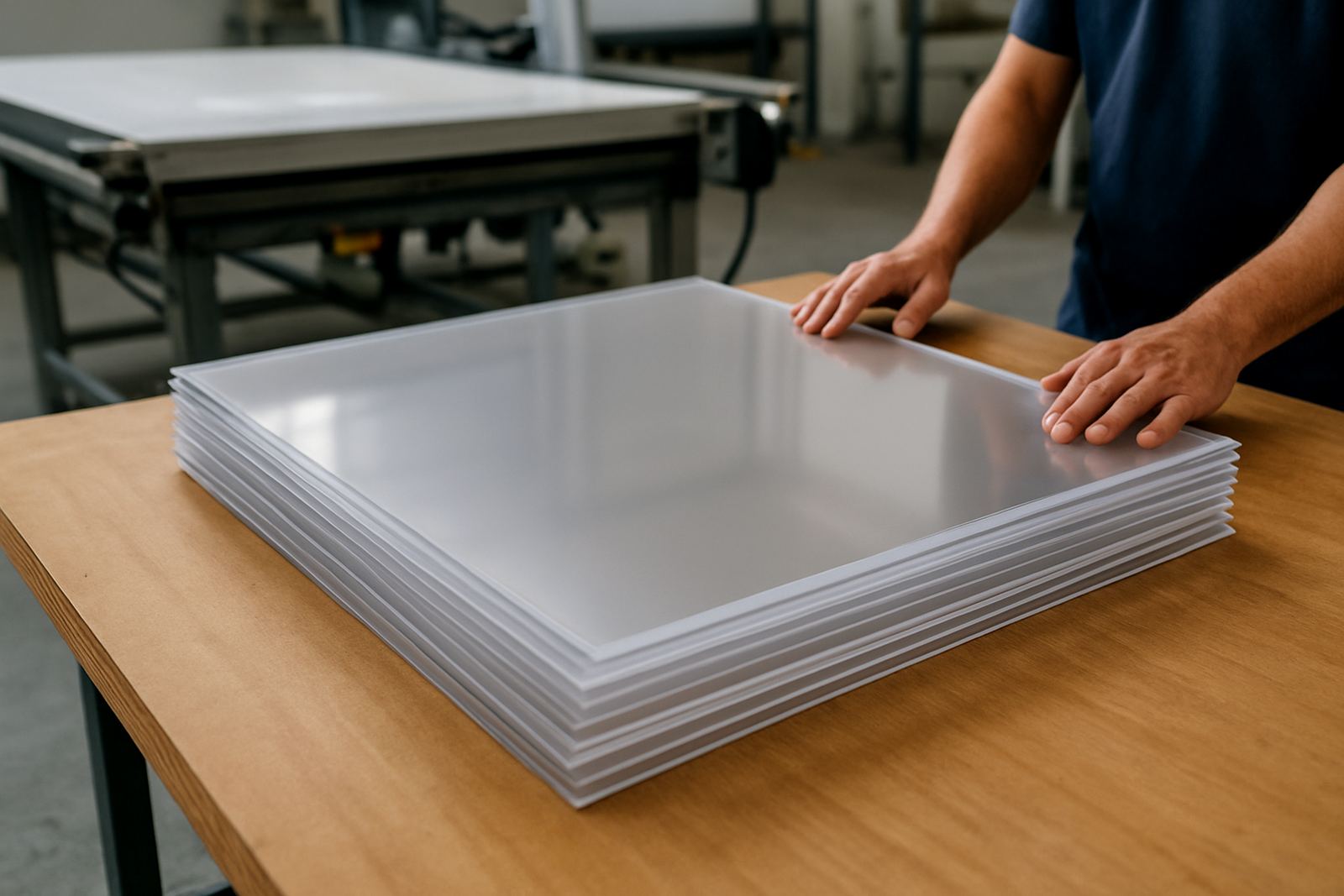
For larger batches, good labelling saves time at the receiving end. It helps installers, fabrication teams and stores staff know exactly what is in each pack without opening every bundle. Courier packing is also part of the job because a well packed panel is less likely to arrive damaged and that matters on nationwide deliveries where the parcel may be transferred more than once.
A practical order is usually the one with the fewest surprises. Measure once, confirm the finish, and send the cut list in a format that matches the job on site. That is how you keep the project moving without wasting hours on re-cutting.
When cut to size is the better call
Not every order needs full sheets. If the job involves repeated dimensions, limited space, a fixed install date or a team that is already stretched, cut to size is usually the smarter route. It saves labour, cuts down waste and makes delivery easier to manage. For many businesses, that is worth more than keeping extra stock in the workshop.
It is especially practical for customers who want reliable material without adding another cutting stage to their own workflow. Whether the job is a one-off prototype or a regular production run, prepared sheets help the team work faster and with fewer errors. In a busy Cape Town industrial area, that time saving is often the difference between finishing before the next load-shedding slot or carrying the job into tomorrow.
If you need PETG sheets cut to size or filament couriered nationwide, start with the sizes you actually need and build from there. The order will be simpler, cleaner and easier to install.