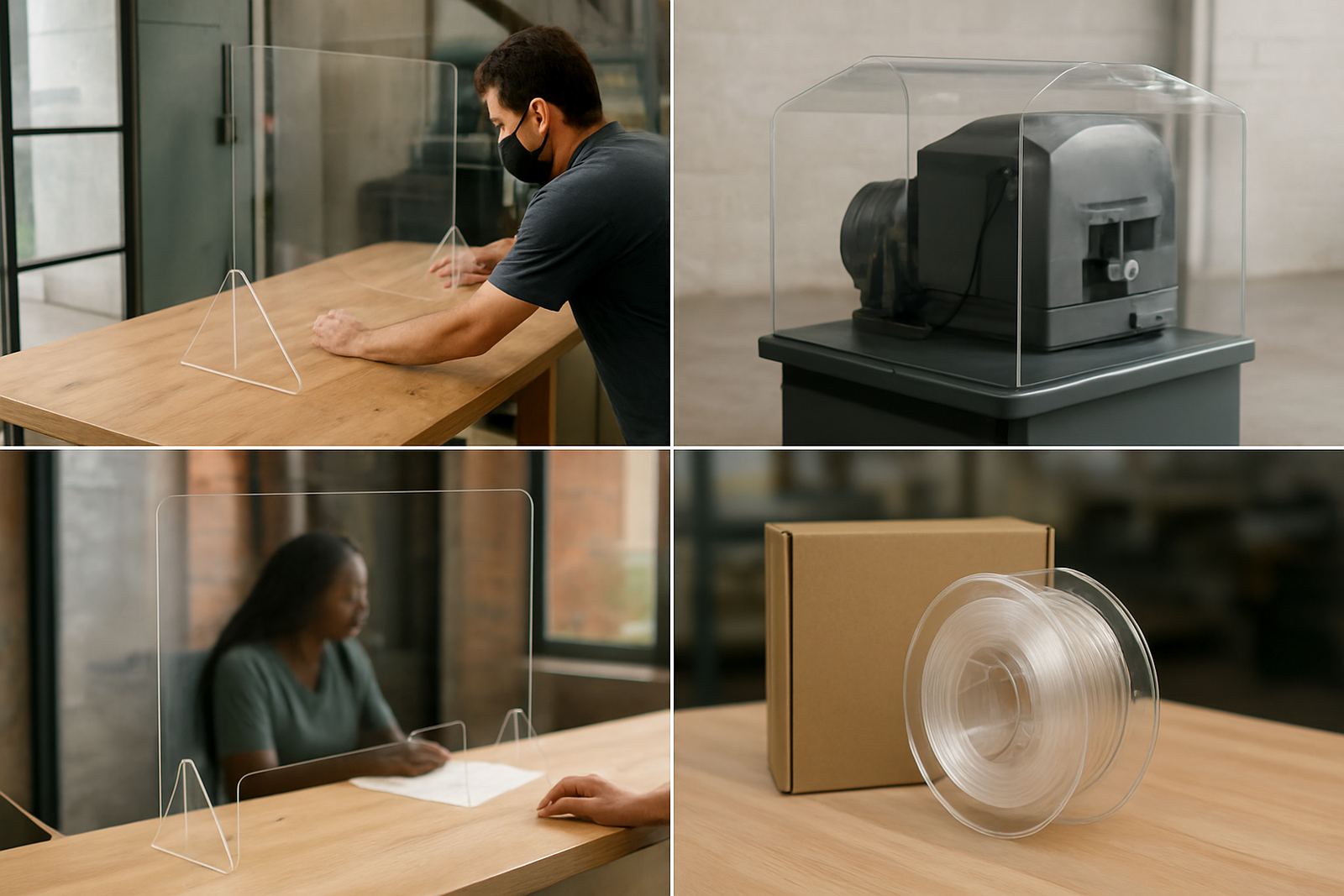
When clear PETG makes more sense than glass or acrylic
Clear PETG is often the right call where people need a clean view through the sheet and a material that can take handling better than brittle alternatives. It is lighter than glass, easier to move around on site, and far less likely to chip during fitting or transport. For many Cape Town jobs, that matters when a sheet has to get from Epping to a site in Bellville or Somerset West without damage.
It is also a sensible option where the sheet may be wiped often, bumped by stock trolleys, or exposed to changes in temperature. In South Africa, that can mean a workshop that gets hot by mid-morning, a retail counter near the coast with salt in the air, or a shed where load-shedding means the space is not always climate controlled. Clear PETG gives you visibility with useful toughness, which is why it is used in practical jobs rather than only display work.
If you are choosing between clear sheet materials, think about the job first. For a protective cover, light guard, or display panel, you usually want something that stays clear and can be cut to size without fuss.
Shop displays, counter shields and product covers
One of the most common uses for clear PETG is in retail and point-of-sale work. It keeps products visible while still giving them a barrier against dust, handling and everyday contact. In a shop in Claremont or Paarl, that might be a display front for cosmetics, stationery, small electronics, or a cover for a special item that needs to stay clean on the shelf.
Because the sheet is clear, it works well where the customer must see the item from the front, side or above. It is also useful for simple screens and guards that need a neat appearance without making the space feel closed off. When the sheet is cut to the correct size and edge-finished properly, it can look tidy on counters, shelves and cabinets.
- Display fronts for retail shelves
- Counter shields and sneeze-type barriers
- Dust covers for sample products
- Protective panels for point-of-sale counters
For shops in busy areas like Montague Gardens or Parow, the main benefit is that the sheet keeps its job simple: let people see the product, while helping protect it from daily handling and dust.
Machine guards and workshop protection
Clear sheet is widely used in light industrial settings where visibility matters. A guard that is fully opaque can be safe, but it is not always practical if operators need to watch the process behind it. Clear PETG is useful for machine covers, inspection windows, splash guards and separation panels in workshops around Epping and the broader Cape Town industrial area.
In a working environment, there are two things to balance: access and control. The sheet needs to stay in place, but the team must still be able to see what is happening behind it. That helps with monitoring output, spotting blockages and checking alignment without opening the setup too often. It can also help reduce dust spread in light fabrication spaces.
- Light-duty machine guards
- Inspection windows on equipment housings
- Splash guards around spray or wash areas
- Clear separators for work zones
For these jobs, the details matter. Straight cuts, panel cutting, hole marking and edge deburring all help the sheet fit properly and handle regular use. If the panel is going into a fixed frame, accurate sizing saves time on site and gives a cleaner finish.
Prototyping, model making and design work
Designers, makers and fabricators often choose clear PETG when they need a material that can be cut neatly and still show the shape, layers or components behind it. It is used for prototypes, model covers, presentation pieces and test parts where the final layout must stay visible. That is useful in studios, small workshops and production spaces where ideas move quickly from drawing to physical sample.
For prototyping, transparency helps with review. You can check spacing, alignment and movement without stripping the piece apart. A clear cover on a test assembly can also show how the parts will sit once fully built, which helps avoid wasted time and extra material.
Common uses in this area include:
- Concept models and presentation boards
- Clear housings for test assemblies
- Protective covers for sample equipment
- Signage mock-ups and display pieces
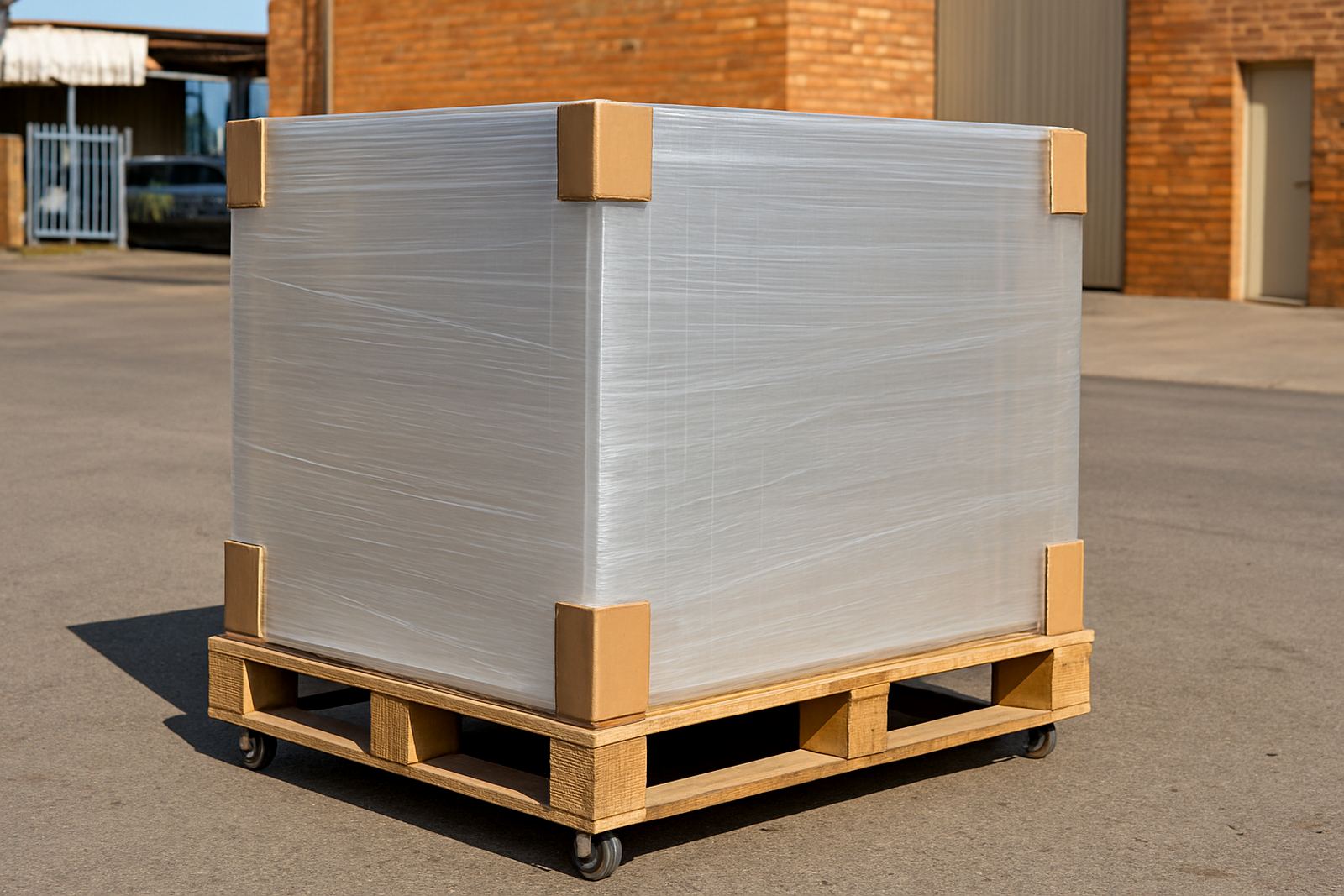
When the work needs to be couriered to another town, packing becomes part of the service too. A well-labelled, properly packed sheet job is easier to receive in Stellenbosch, Somerset West or any area beyond Cape Town, and there is less risk of corners getting damaged in transit.
Why thickness, cut quality and edge finish matter
Not every clear sheet job needs the same thickness. A small cover for a product display is different from a larger panel used in a workshop or on a counter. The right thickness depends on the span, the fixing points, and how much handling the sheet will get. If the panel is too thin it may flex. If it is too thick, you may pay more than you need to and make the fitting harder.
Cut quality matters just as much. Clean straight cuts help when the sheet must sit tight in a frame. Small batch cutting is useful when you need a handful of parts for one site, while large batch cutting works better when several branches or counters all need the same size. Film left on can also help keep the surface cleaner during transport and handling, especially on jobs that are going out by courier.
Useful options for practical jobs:
- Custom sizing to match the opening exactly
- Hole marking for fixed installations
- Edge deburring for a cleaner finish
- Courier packing for fragile or larger sheets
For businesses near the coast, careful handling is worth paying attention to. Humidity and salt air can make a tidy install last better when the edges are prepared properly and the panel is not forced into place.
A local example from Epping to the rest of the country
A practical example is a Cape Town workshop in Epping that needs clear protective panels for a small production area and a few counter shields for a client-facing space. The workshop team measures each opening, sends the sizes through the enquiry form, and has the panels cut to fit. One batch stays local for collection, while another is packed for delivery to a customer in Paarl and a third to a site in Gqeberha.
That is where clear PETG works well in everyday South African conditions. It can be cut to size, labelled for easy installation, and packed so the receiving team knows which piece goes where. If the job needs repeated sizes, a supplier that can handle strip cutting or panel cutting saves a lot of time later.
The value is not only in the sheet itself, but in getting the right sheet to the right place with the right finish. For clear applications, that means visibility, cleaner presentation and a material that stands up better to normal use than many people expect.