
Why panel protection matters on local runs
Large sheets do not need a long trip to get damaged. A short run through Epping traffic, a lift on the back of a bakkie, or a quick stop in Bellville can be enough for dust, scuffing and edge knocks to show up. Once a panel picks up a bend or a hard mark, it often shows in the final installation and the whole job looks untidy.
For customers collecting from our Cape Town base, good packing also makes handling safer. A clean, labelled pack is easier to move through a yard, into a van, or through a narrow side gate in Claremont without dragging the corners on the ground.
- Protects the visible face from scratches and rubbing
- Helps keep edges square during lifting and stacking
- Makes collection faster when there are several sheets in one order
- Reduces the chance of damage from dust, moisture and pressure marks
How we prepare sheets for collection and courier
When a sheet is cut to size, the packing should suit the route it will take. A panel going by courier to Johannesburg needs different handling from one being collected in Somerset West. We work on the simple rule that the panel should arrive as clean as it left the cutting area, with the face protected and the corners supported.
For large or awkward pieces, we keep the pack neat and easy to identify. That matters when a customer has ordered more than one size, or when a batch is going out with other jobs on the same day. Clear labelling helps avoid mix-ups and saves a second trip.
- Film left on where needed to guard the face during transport
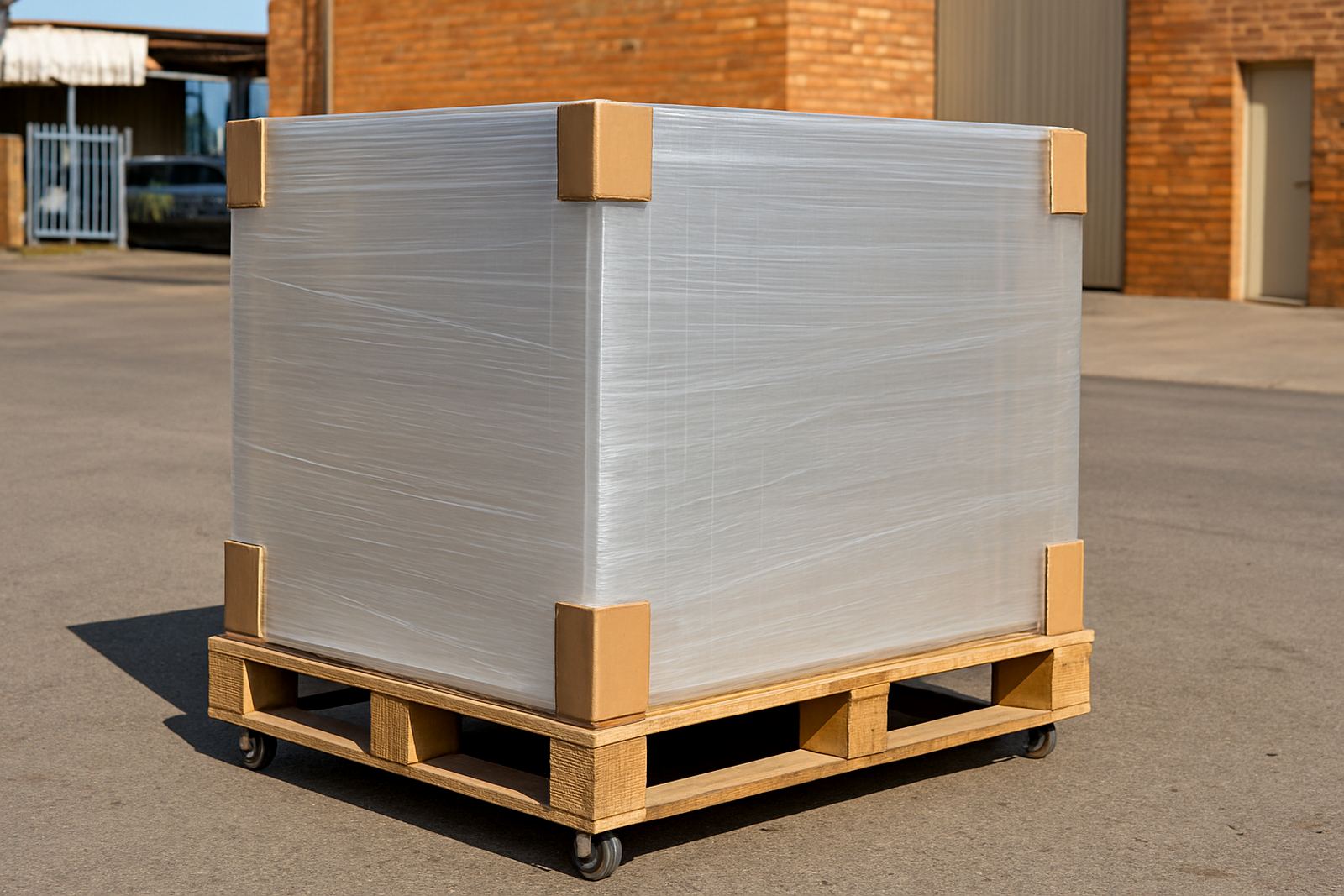
- Corner protection for sheets with exposed edges
- Job labelling for easier identification at collection point
- Courier packing that keeps the pack stable in transit
What causes damage before the panel is even used
Most panel damage happens during handling rather than on the road. A sheet that is stood on a rough floor, leaned against a wall with grit behind it, or lifted by one corner can pick up marks very quickly. In coastal areas like Cape Town, humidity can also affect how materials sit in a vehicle if they are left open to damp air or morning mist.
On site, the risk goes up when the job is rushed. A panel may be placed on top of tools, rested on unclean racks, or stacked with heavy items on it. Even if the material is strong, it still needs sensible care. A good pack is only part of the answer, the crew must also handle it properly.
- Dragging sheets across concrete or timber floors
- Stacking mixed sizes without separators
- Leaving panels uncovered in dusty or windy conditions
- Loading them beside loose tools, offcuts or hardware
Packing methods that work for bigger formats
Large panels need support across the full length, not only at the ends. If the material is left hanging between two points it can flex and put stress on the middle. The safest approach is to keep the sheet flat, supported and restrained enough that it cannot shift during transport. That is especially important for strip cutting or panel cutting jobs where several parts are travelling together.
For bigger orders, it helps to think in layers. The main face should stay protected, the edges should not rub against each other, and the pack should be easy to lift without changing shape. If the job is going on a courier vehicle, the outer pack should also be neat enough to withstand loading and unloading at depots and drop-off points.
- Keep large panels flat with even support underneath
- Separate sheets where surface finish must stay clean
- Use job labels so the pack can be identified without opening it
- Mark fragile edges or special handling notes clearly
Collection tips for customers coming to Epping or nearby areas
Customers collecting in person often underestimate how awkward a large panel can be once it leaves the cutting table. A sheet that fits neatly in the yard may still be difficult to load into a small bakkie or van, especially if there is a roof rack, toolboxes or other cargo in the way. Planning the collection point matters, particularly for busy areas like Montague Gardens, Parow and Bellville where time on the curb is limited.
If you are collecting, bring enough space in the vehicle and think about the route home. A long panel can catch wind on open roads, and a rushed load can damage both the sheet and the vehicle interior. In some estates and workplaces, access rules mean the pack must also be easy to carry through a security gate or up a staircase.
- Measure the load space before collection
- Bring straps or tie-down points for secure transport
- Keep the pack clear of loose screws, tools and grit
- Allow room for safe lifting at the collection point
Couriering large panels across South Africa
When a panel leaves Cape Town by courier, the main goal is to keep it stable from loading to final handover. Long trips across provinces can mean more vibration, more handling points and more opportunities for damage. A well packed sheet travels better, and it is easier to receive in one piece if the outer layers are marked and secured properly.
For national orders, the size of the pack and the condition of the edges matter just as much as the material itself. A clean pack lowers the chance of claims, delays and rework. It also helps the customer at the other end know exactly what has arrived, which is useful for production schedules that are already tight.
- Use stable packing that suits the route and vehicle type
- Keep the surface protected from rubbing inside the parcel
- Make the pack easy to identify when it reaches the receiving bay
- Choose a format that suits the final installation area
Practical advice from the cutting floor
The simplest rule is this: pack the panel the way you would want it handed to you. If the sheet is for a manufacturing line, a design studio or a prototype job, the pack should save time rather than create extra work. Straight cuts, custom sizing, hole marking and batch work all benefit from tidy packing because the parts are easier to count and less likely to be mixed up.
At PETG, the team on the floor knows that a good pack starts with the cut itself. Clean edges, sensible labelling and the right handling notes make a real difference when orders are moving through Epping and out to clients across South Africa. A bit of care at the start can avoid a damaged sheet, a delayed install or a second trip later.
- Match packing to the size and route of the order
- Keep labels readable from the outside of the pack
- Use material advice early if the job will travel far
- Do not leave large panels loose in a vehicle or on the floor