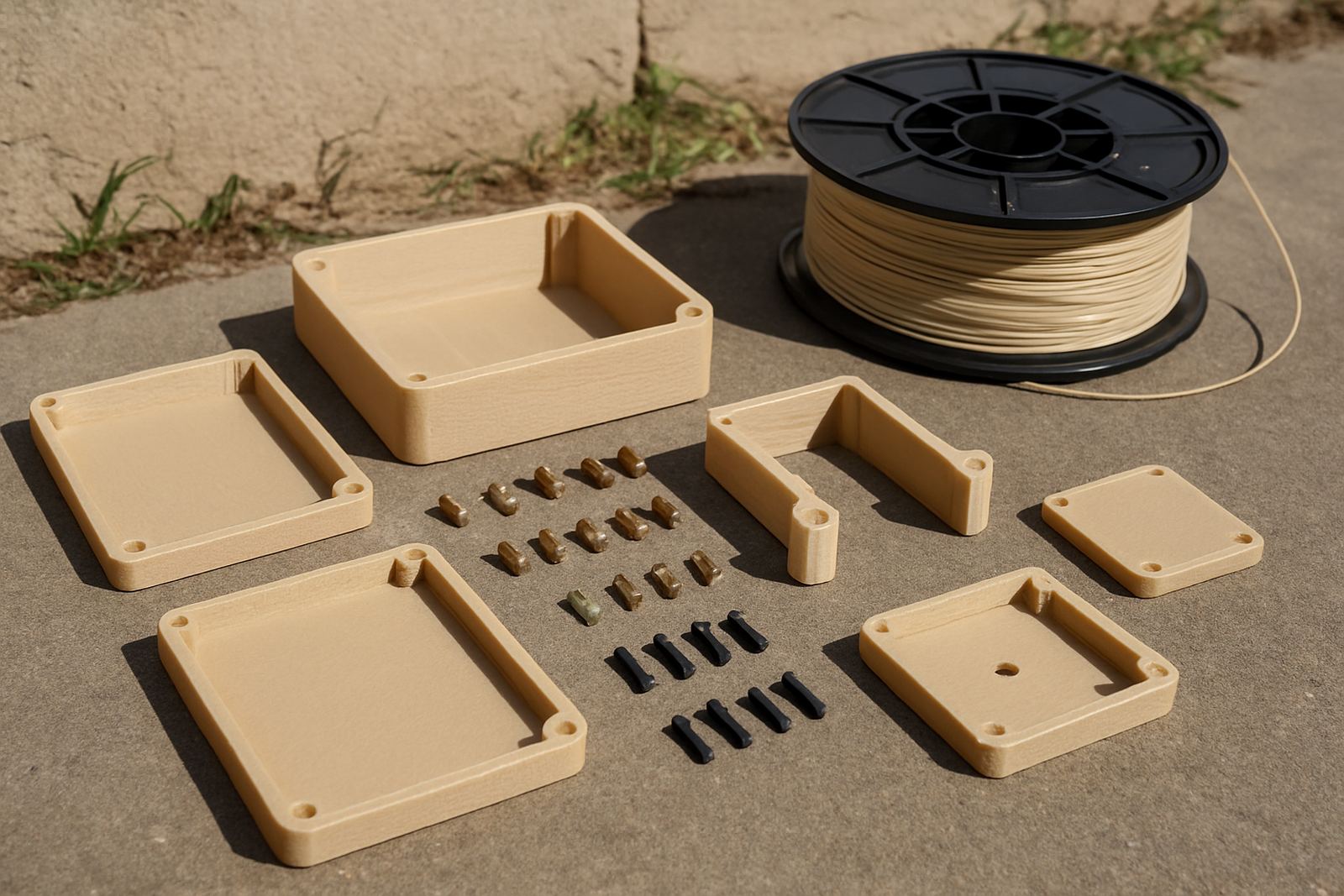
Why PETG suits protective housings
PETG is a practical choice for many printed housings, instrument covers and protective electronic cases because it sits between easy printing and useful toughness. It is less brittle than common rigid plastics, so it copes better with knocks during installation, transport and routine servicing. For enclosures that are opened and closed often, that extra give matters.
In South Africa, that can be the difference between a case that lasts and one that starts splitting around fastener points after a few weeks. In Cape Town, coastal humidity can also affect stored materials, while in inland areas heat build-up in workshops and delivery vehicles can make thin parts distort if the material is not handled properly. PETG is not a cure for poor design, but it gives you a better base to work with.
- Good impact resistance for covers, guards and service boxes
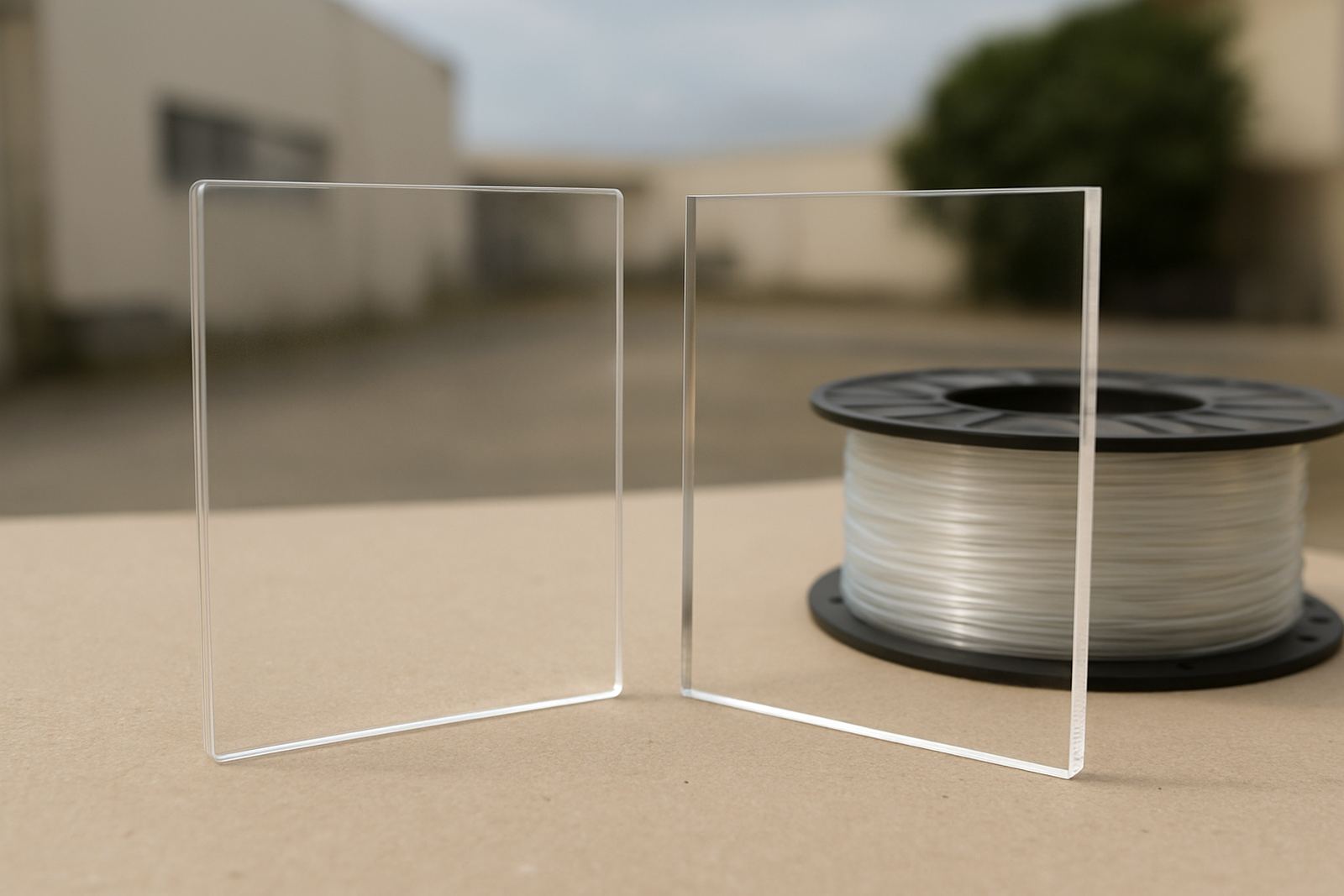
- Useful clarity for see-through inspection windows and indicator panels
- Better tolerance for handling than more brittle sheet options
- Suitable for printed parts that need screw bosses, clips or cable access
Designing enclosures for real use, not just the drawing
When you are making a printed enclosure, the shape on screen is only the start. You need to think about wall thickness, access points, cable entry, heat rise and how the part will be fixed in place. If the unit will sit in a plant room, workshop or retail counter, it should be easy to open without forcing the corners or stripping the screw holes.
A common mistake is making walls too thin to save material. That often leads to flex around hinge points and cracked corners near mounting screws. It is better to build in proper ribbing, keep radii generous and leave enough room for cables, connectors and airflow. If the enclosure is for electronics, planning for service access now can save a lot of time later.
- Allow space for connectors, glands and small clearances around internal parts
- Use rounded internal corners where possible to reduce stress
- Keep wall thickness even so the part cools more predictably
- Plan mounting bosses and lid overlaps before final sizing
Sheet applications for panels, guards and view covers
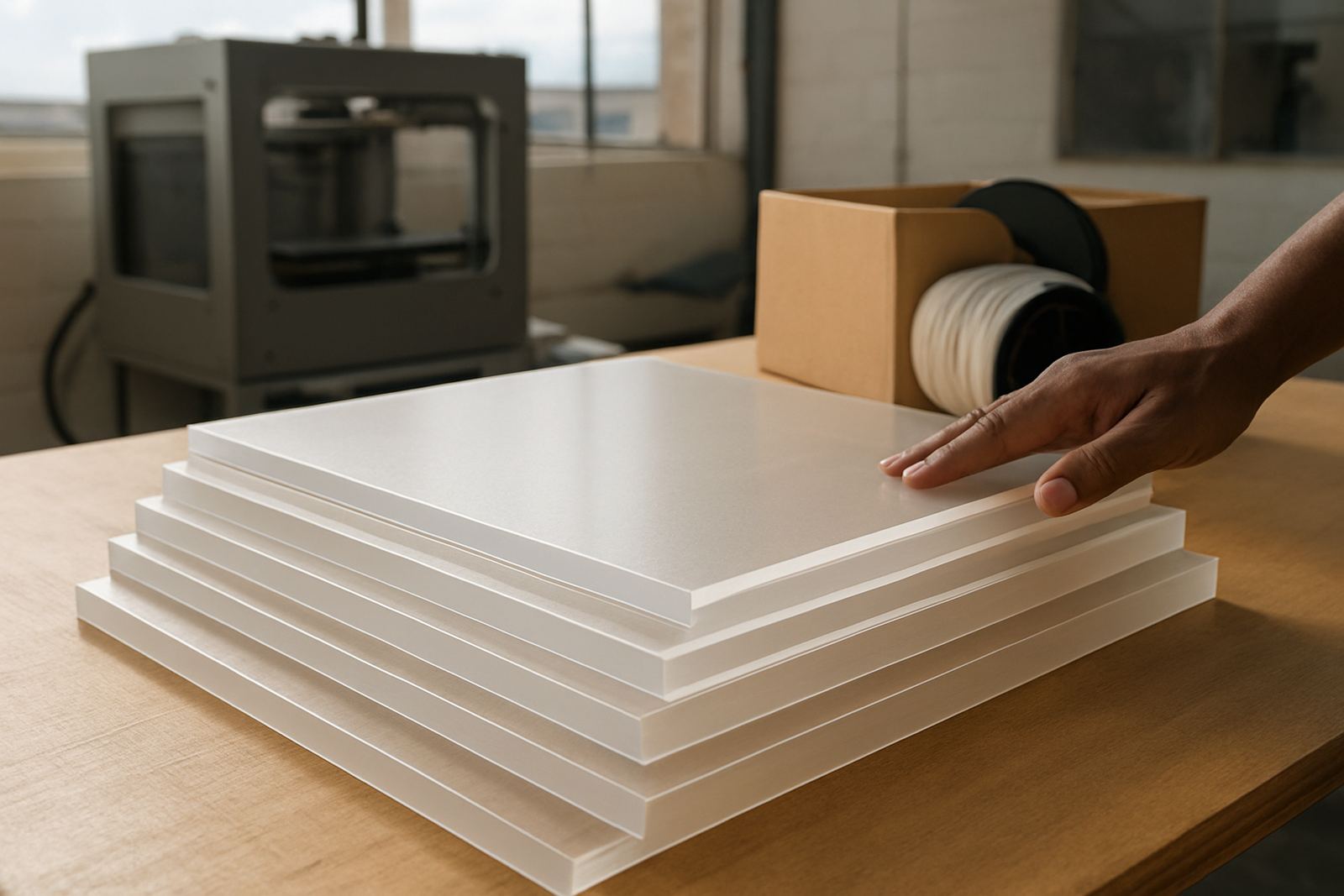
Not every enclosure needs to be fully printed. PETG sheet works well for front panels, inspection windows, machine guards and custom covers where you want a cleaner finish and quicker turnaround. In many workshops, a cut-to-size panel is the simplest way to protect switches, displays or control components without changing the whole design.
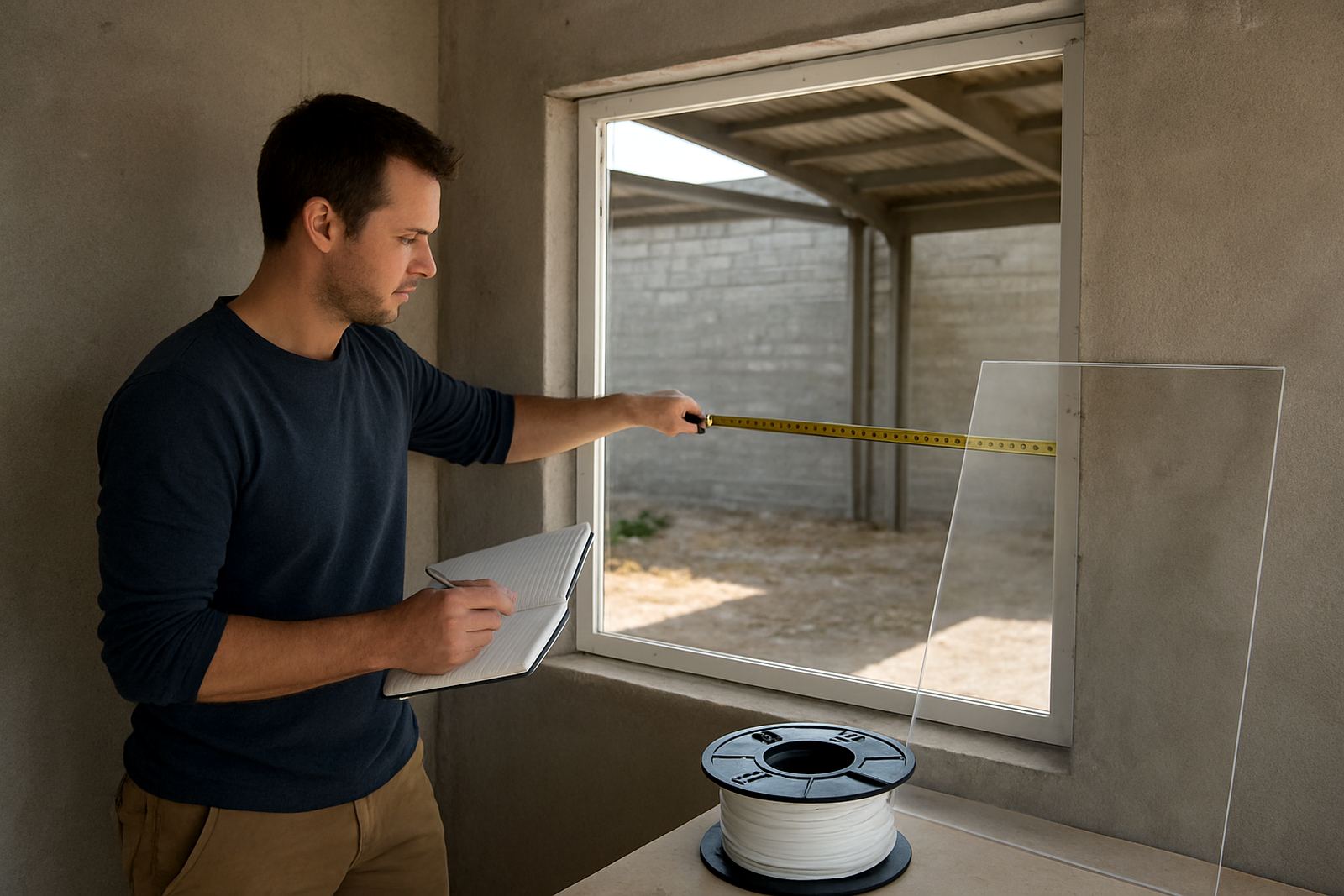
For job shops, OEM assembly work and prototyping, sheet can be cut to suit a specific opening, then marked and finished for mounting. That is useful when you need consistent sizing across a batch, especially if the end product will be installed on site in Johannesburg, Durban or regional towns where installers do not have time to trim parts on the day.
- Straight cuts for simple panels and covers
- Custom sizing for one-off boxes and repeat production runs
- Hole marking for switches, displays and cable points
- Edge deburring for safer handling and cleaner fitment
Where PETG helps most in South African conditions
South African sites can be hard on protective housings. Load-shedding means electronics may cycle on and off often, which can expose weak enclosure design through repeated heat changes. Coastal areas bring humidity and salt air, while inland workshops can have dust, vibration and rough handling all in the same week. A well-made PETG enclosure handles that daily pressure better than a thin, brittle alternative.
For example, a small automation contractor in Somerset West may need a series of instrument covers for gate control units and sensor junctions. The housings need to be neat enough for a client-facing install, yet tough enough for a service technician to remove and refit during maintenance. PETG is useful here because it supports both appearance and practical durability without making the job more difficult than it needs to be.
It is also a good fit for:
- Testing housings for electronics and control modules
- Protective covers for retail fittings and point-of-sale units
- Industrial guards and inspection windows
- Low-volume production parts where repeatability matters
Cutting, labelling and packing for repeat jobs
For enclosure projects, the quality of the prep work matters as much as the material itself. Clean cuts, accurate hole marking and sensible job labelling help avoid mistakes when a batch is split across different sites or fitters. If you are ordering several panels for a production run, it helps to keep each set clearly identified so the right part lands in the right box.
At PETG, sheet can be prepared for collection in Cape Town or couriered nationwide for projects that need the material sent straight to site. That is useful for manufacturers, fabricators and design teams who want a tidy result without having to chase different suppliers for cutting and packing.
- Small batch cutting for prototypes and trial installs
- Large batch cutting for repeat production
- Film left on where surface protection is needed during handling
- Courier packing and job labelling for easier receiving on site
Choosing the right finish for installation and service
The finish on an enclosure should match the job. If the part will be visible to customers, a clean edge and accurate cut-out make a strong first impression. If it is going into a plant room or under a counter, practical fit and service access matter more than appearance, but the edge quality still affects safety and handling. In either case, good material advice at the start can save rework later.
Think about whether the part needs to be clear, tinted or opaque. Also consider whether you need film left on during installation to protect visible faces from fingerprints and scratches. For a contractor working in Bellville or Parow, that can be helpful when panels are being fitted at different times and kept in the van between calls. The right setup reduces damage, speeds up installation and keeps the final result neater.
If you are building enclosures for a client, it also helps to ask a few basic questions first: Will the unit sit in direct sun? Will it be opened often? Will it carry a label, display or warning marking? Once those points are clear, it is easier to choose the right thickness, cut pattern and finish for the job.