Clarity is where acrylic usually wins
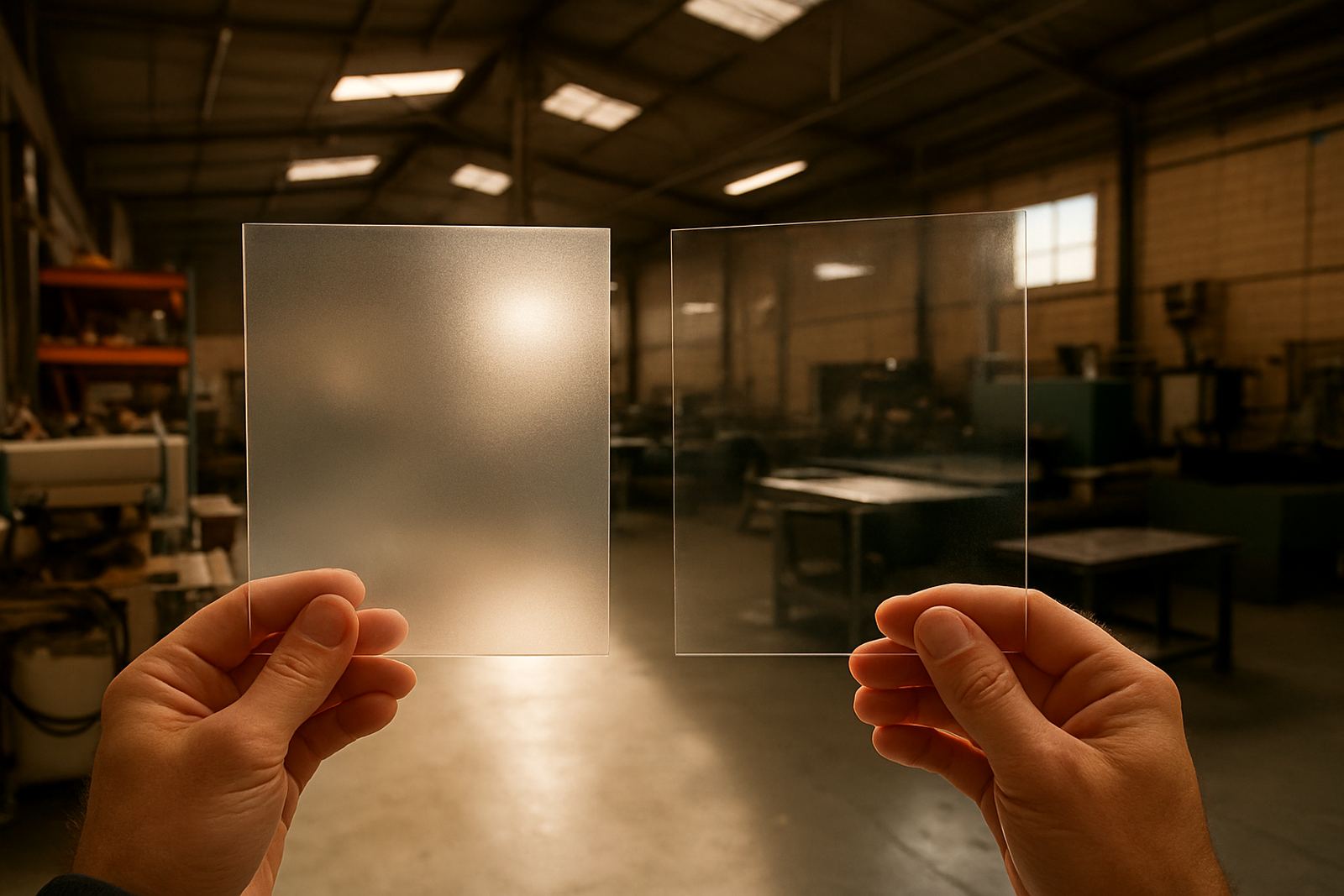
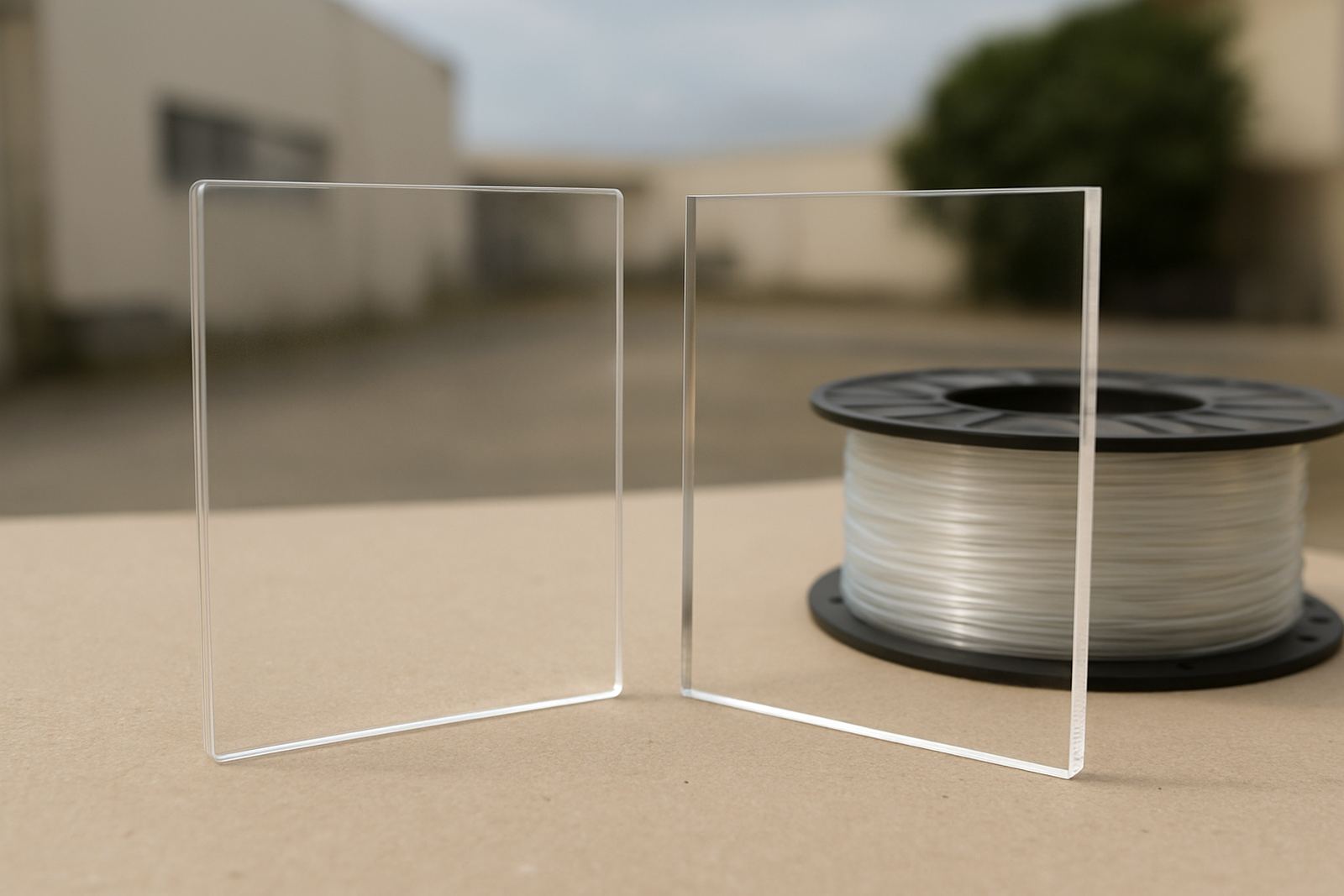
If your first priority is optical clarity, acrylic is often the go to. It gives a crisp, glass-like appearance and suits display panels, light covers, product stands and decorative pieces where the finish must look sharp from a distance. In a Cape Town showroom or a Paarl retail space, acrylic can make a clean impression when the item is handled lightly and kept indoors.
PETG still offers very good clarity, but it has a slightly softer visual character. That is not a fault, it just means the sheet is better known for practical performance than showpiece brightness. For many shops and factories, that trade-off makes sense because the material is easier to work with and less likely to crack during fabrication.
- Acrylic gives a higher polish and a glass-like look.
- PETG gives strong clarity with better impact behaviour.
- For display work, the final handling conditions matter as much as appearance.
Toughness and impact resistance favour PETG
When people ask which sheet is tougher, PETG usually comes out ahead. It bends more before it breaks and handles knocks better than acrylic, which is useful for machine guards, fitted covers and busy retail fittings. If a panel may be bumped by trolleys, tools or everyday handling, PETG gives more forgiveness.
Acrylic is harder and more brittle. It can perform well in a calm indoor environment, but it can chip or crack if the fixing holes are too tight or if the sheet gets stressed during installation. That is why some fabricators prefer acrylic only where the design is simple and the risk of impact is low.
- PETG handles knocks and vibration better.
- Acrylic is more rigid but can crack from stress.
- For guards and covers, PETG is usually the safer choice.
Cutting and drilling behaviour changes the job
On the workshop floor, the difference between PETG and acrylic is easy to see. Acrylic cuts cleanly, but it likes sharp tools and careful feed rates. If the blade is blunt or the feed is too fast, the edge can chip. Drill too aggressively and you may see breakout around the hole. That means the operator has to keep an eye on speed, pressure and support.
PETG is more forgiving on many jobs. It is less likely to crack during drilling, and it tolerates small production variations better, which helps on batch work. For edge deburring and hole marking, this can save time because the sheet is less temperamental. Still, good technique matters, especially on thicker sheets or longer runs.
- Acrylic demands sharper tooling and tighter control.
- PETG is easier to handle for repeated cutting and drilling.
- Both materials need support during fabrication to reduce stress.
Heat, weather and day to day use in South Africa
South African conditions matter. In coastal areas like Epping, Montague Gardens and Somerset West, humidity and salt in the air can affect storage and handling. In hotter inland sites, direct sun and heat build-up can change how a sheet performs once installed. Acrylic stays very clear, but it is still a brittle material and can be sensitive to stress under fixed installation points. PETG copes better with impact and general handling, which is useful in workshops that do not have perfect climate control.
For outdoor use or bright interior spaces, both materials need proper design. Expansion holes, correct spacing and suitable support points are important. If the sheet is fitted too tightly, either material can misbehave, especially where load-shedding has interrupted production and work needs to be completed in shorter windows with less room for error.
- Coastal humidity calls for careful storage and dry handling.
- Heat and sun exposure should be considered before installation.
- Allow for movement and avoid tight fixing points.
Which material suits which application
The better choice depends on the job, not just the name on the sheet. Acrylic is often the preferred option for presentation pieces, polished displays and parts that are unlikely to be hit or flexed. PETG is better where the part must take a knock, be drilled, cut in batches or handled by staff who need a material that is less likely to crack during fabrication.
For prototyping, PETG is often the more practical choice because it behaves well when you need to make changes. For final display pieces where appearance matters more than toughness, acrylic can still be the right call. A local example would be a Cape Town manufacturer making protective covers for a packing line. If the cover sits near moving staff, PETG is usually the better fit. If the same business needs a polished point-of-sale panel for a showroom, acrylic may be the better match.
- Choose acrylic for high-gloss display and presentation work.
- Choose PETG for guards, covers and impact-prone parts.
- For prototyping, PETG usually gives fewer fabrication surprises.
How to brief a cutting job properly
Good results start with a clear brief. State the thickness, finished sizes, quantity and whether you want film left on. If holes must be marked, say where they go and how much edge distance you need. For larger runs, it helps to ask for job labelling so each set is easy to sort on site.
If you are ordering from the Cape Town area or using courier delivery nationwide, think about how the sheets will be packed and received. Long panels need protection in transit, and small batch cutting can save a lot of trimming at installation. Straight cuts, strip cutting and panel cutting all suit different jobs, so the material choice should match the process too. Sometimes the material that looks best is not the one that works best once the tools come out.
- Give exact sizes and thicknesses on every order.
- Ask for deburring if the finished edge will be handled often.
- Plan for transport, storage and installation before production starts.