
Start with how often the printer actually runs
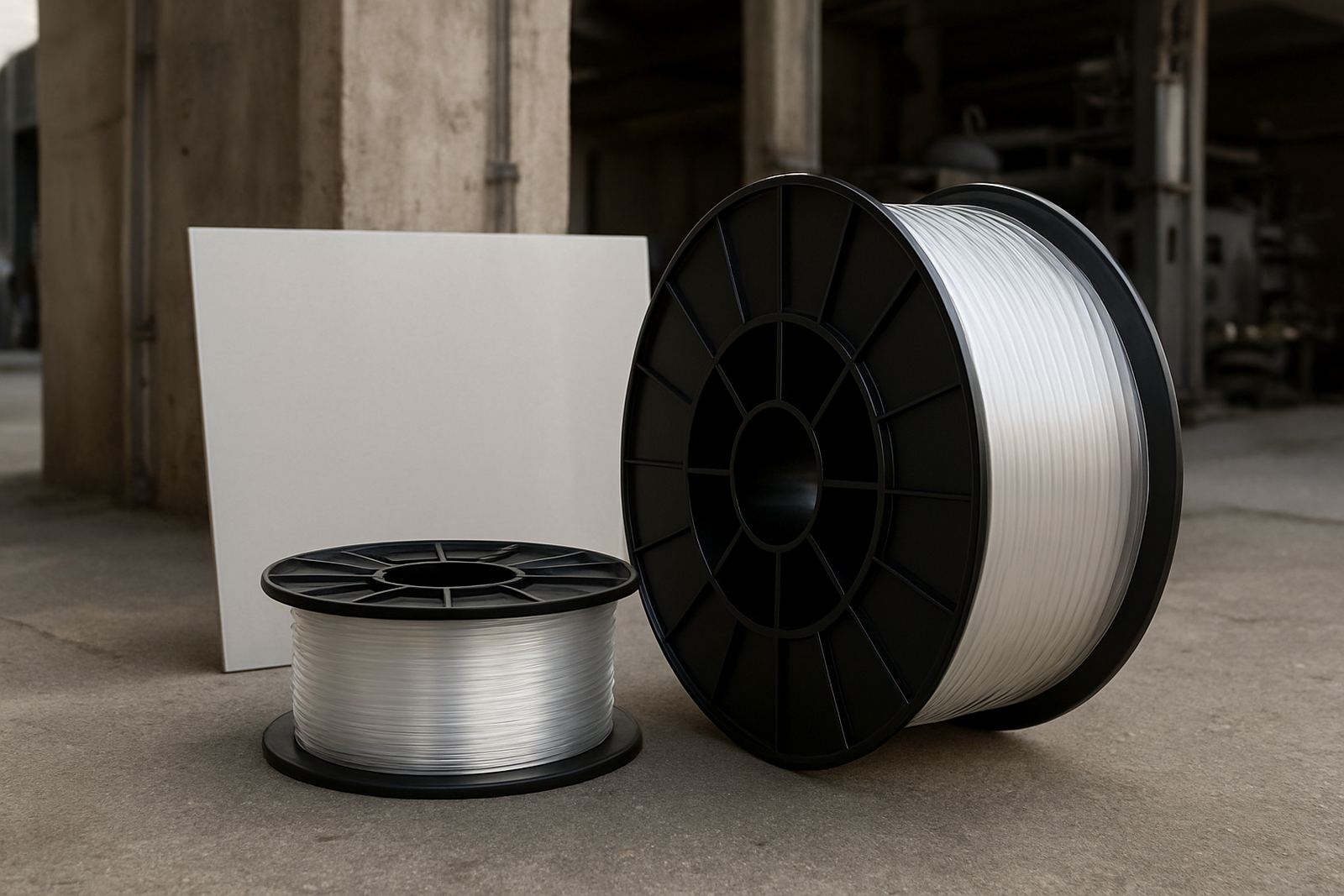
The right spool size depends less on the label and more on your workload. If you are printing sample parts, low-volume fixtures, or the odd replacement bracket, 1kg usually covers the job with less risk of material sitting open for weeks. If the printer is working most days, a 3kg spool can save time because there are fewer spool swaps and less stop-start between runs.
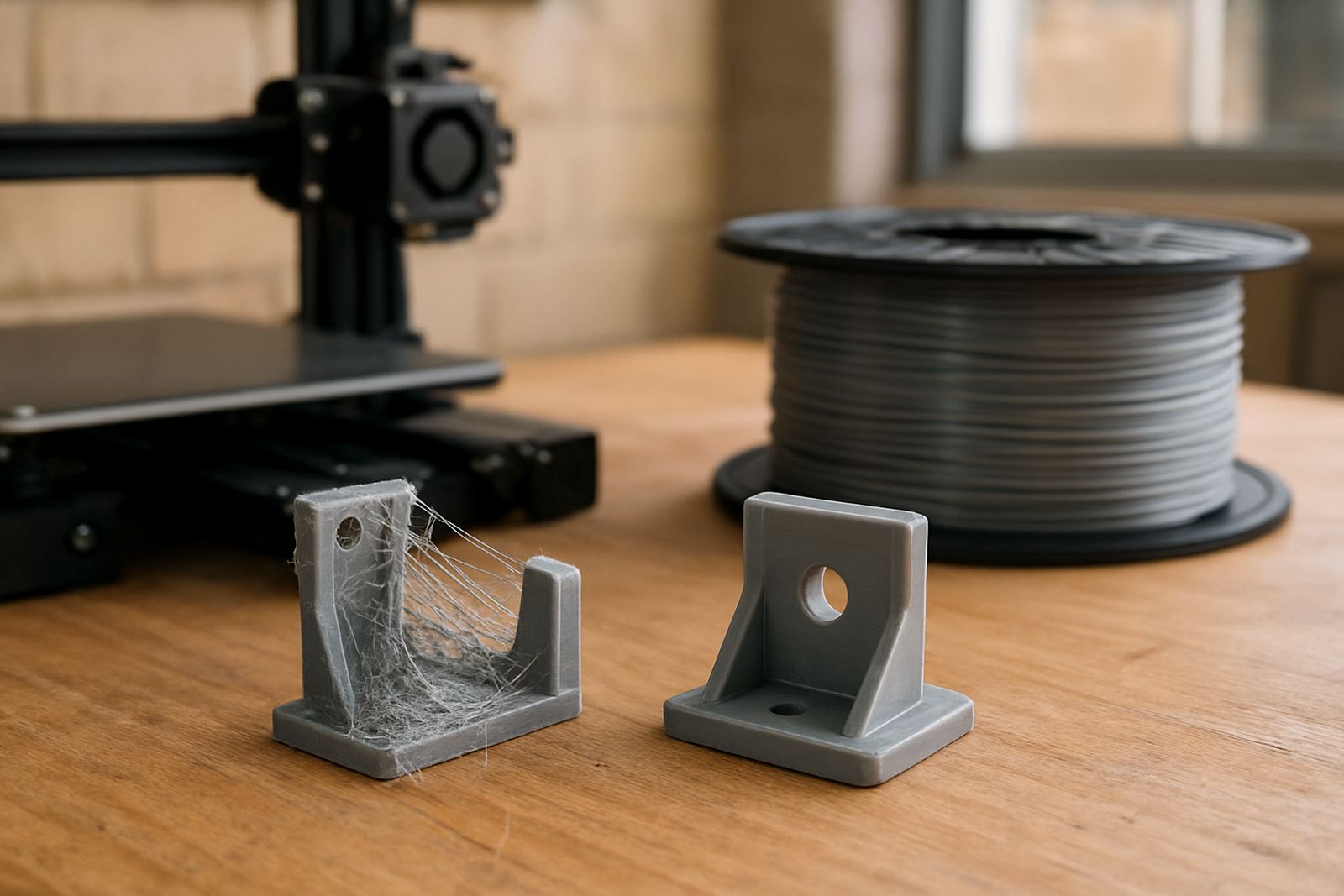
In Cape Town and along the coast, moisture matters too. PETG keeps its print quality best when the spool is stored properly, especially in humid areas like Somerset West, Stellenbosch and the northern suburbs after a wet spell. A spool that sits open in a workshop for too long can start giving you stringing, popping, or dull surfaces, so the size you choose should suit your storage habits as much as your output.
- Choose 1kg for sampling, one-off parts and lighter workshop use
- Choose 3kg when the printer runs daily or the same part is repeated in batches
- Buy the size you can store cleanly, dry and off the floor
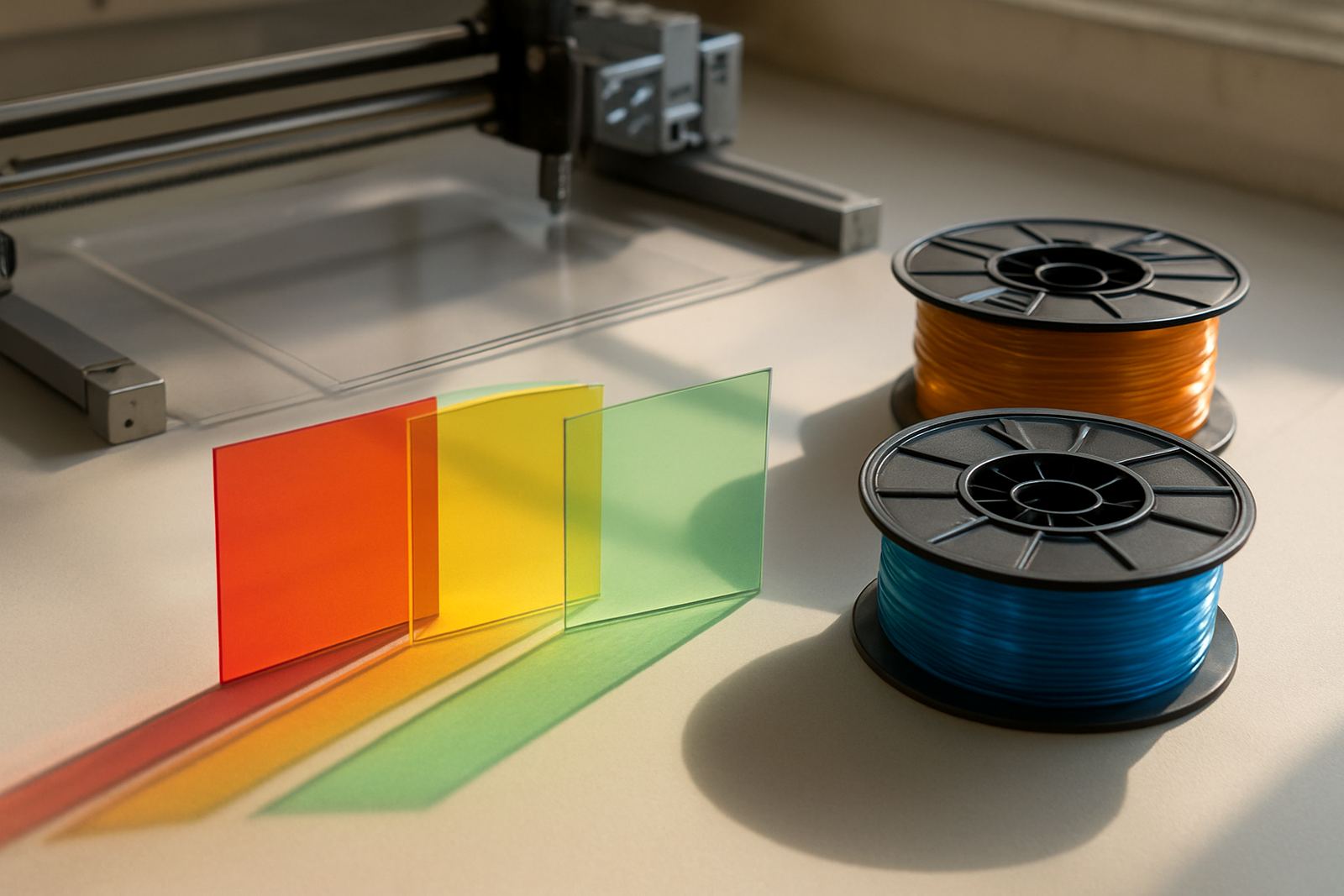
Why 1kg works well for mixed jobs and colour changes
A 1kg spool is the safer choice when your work changes often. Many customers print in more than one colour, or switch between design approvals and final runs. In that case, smaller spools keep stock flexible and make it easier to carry just the colours you need without overbuying.
For makers, model builders and small workshops, 1kg is also easier to handle on compact printers. It is lighter to mount, simpler to store on a shelf, and easier to courier if you need a top-up from Epping to a site in Bellville, Parow, Claremont or Paarl. There is less waste if a trial project gets cancelled, and less money tied up in a colour that may not move quickly.
- Better for colour testing and prototype work
- Easier to rotate stock across several printer bays
- Lower risk if a project changes halfway through
When 3kg starts making financial sense
If your team prints repeat parts, jigs, covers or production aids, 3kg can work out better on cost per metre of filament used. The bigger spool reduces interruptions, and that matters when a machine is running through a long overnight print or when load-shedding has already broken the day into pieces. Fewer swaps mean fewer chances to knock the printer, lose time, or mix up a job label.
It also suits workshops that process the same profile over and over. A fabrication shop in Montague Gardens, for example, may run through a full spool on a weekly cycle. In that setting, 3kg helps keep the line moving and reduces admin around reordering. Just make sure the printer can hold the spool securely and that the feed path is smooth, because a heavier reel needs proper support.
- Useful for repeat production and longer uninterrupted runs
- Helps reduce changeovers on busy days
- Can lower handling time where the same part is printed often
Check the printer, not just the material
Not every setup is equally happy with a larger spool. Before buying 3kg, check the spool holder, the filament path and the space around the machine. A heavier reel can create drag if the holder is too narrow, too high, or badly aligned. That becomes a problem on longer prints where steady feed is important.
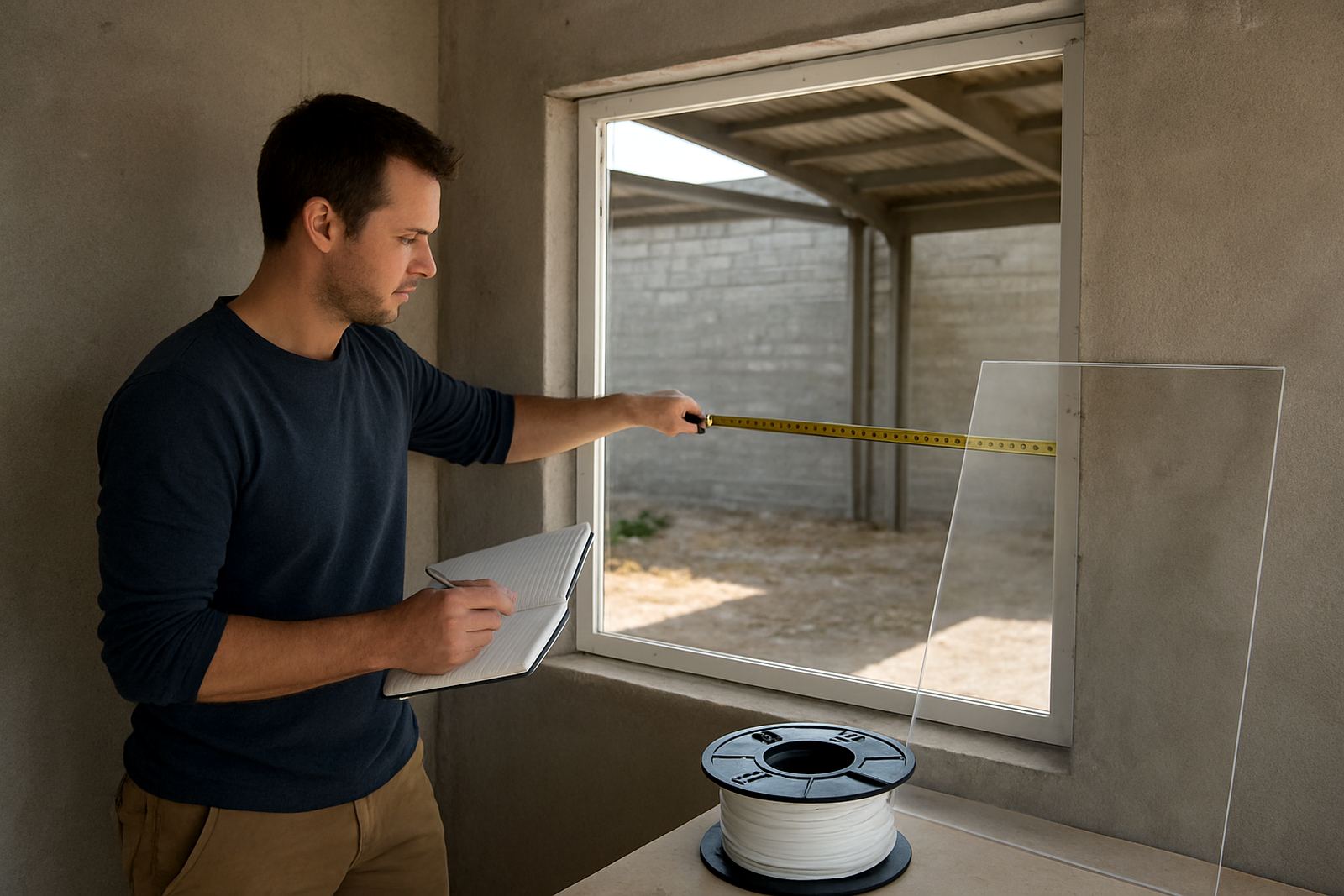
Some printers handle large spools with no issue, while others need a side-mounted holder or a guide to keep the feed smooth. If your printer sits on a crowded bench, measure the footprint first. The last thing you want is a spool bumping into a wall, a cable or another machine half way through a print, especially in a busy production corner where every metre of space counts.
- Confirm the holder can support the spool weight safely
- Check clearance around the printer for rotation and feed
- Make sure the filament path stays straight and low-friction
Storage, humidity and stock rotation in Cape Town
Coastal humidity changes the decision more than many people expect. In Epping, Bellville and the Atlantic side of the city, filament stored near doors, windows or loading bays can pick up moisture if it is left open. That can affect the finish and the consistency of the print, which is why the size of the spool should match how quickly you use it.
If you print slowly or only once in a while, 1kg is often easier to rotate before it starts sitting around. If you have a dry cabinet, sealed tubs or a controlled storage room, 3kg becomes more practical. The aim is simple: keep the material dry, keep it labelled, and use the oldest stock first so you are not left with half-used reels in the back of the workshop.
- Store spools sealed when not in use
- Keep them off the floor and away from open doors
- Rotate stock so older reels are used first
A practical local example from Epping to Somerset West
Say a signmaker in Epping is producing small brackets, light covers and sample pieces for three clients at once. A 1kg spool makes sense because the work shifts from one colour to another and the orders are not all the same size. Now compare that with a prototyping team in Somerset West printing repeated enclosure parts for a field test. There, a 3kg spool is easier because the same part runs over and over and the machine does not need to be stopped as often.
That is the main rule to remember. Choose 1kg when you need flexibility, lower risk and simpler stock control. Choose 3kg when you need fewer interruptions, longer runs and better value on busy production days. If the job is mixed or uncertain, start with 1kg. If the machine is already busy most weeks, the larger spool usually earns its place.
For cut sheets and filament couriered nationwide, PETG can help with material advice, job labelling and courier packing so the order reaches site ready for use, whether it is going to a collection point in Claremont or a workshop in Paarl.