
Why PETG storage matters in Cape Town conditions
PETG is a dependable material for parts that need a bit more toughness than standard decorative plastics, but it still dislikes damp air. Around Epping, Montague Gardens and the coastal side of Cape Town, moisture can creep into open reels faster than many people expect, especially in summer when the air feels heavy and the garage door stays open.
Once a reel has absorbed too much moisture, you may notice popping at the nozzle, stringing, cloudy surfaces or weak layer bonding. The filament can still be used, but the finish becomes less predictable and the print may need more cleanup. If you are printing parts for displays, light covers, clips or prototypes, that inconsistency adds extra work.
Good storage is not complicated. The goal is simple: keep the reel dry, keep it clean and keep it easy to use when the machine is ready. That matters just as much for a one-off sample as it does for repeat production runs.
The best way to keep reels dry between print jobs
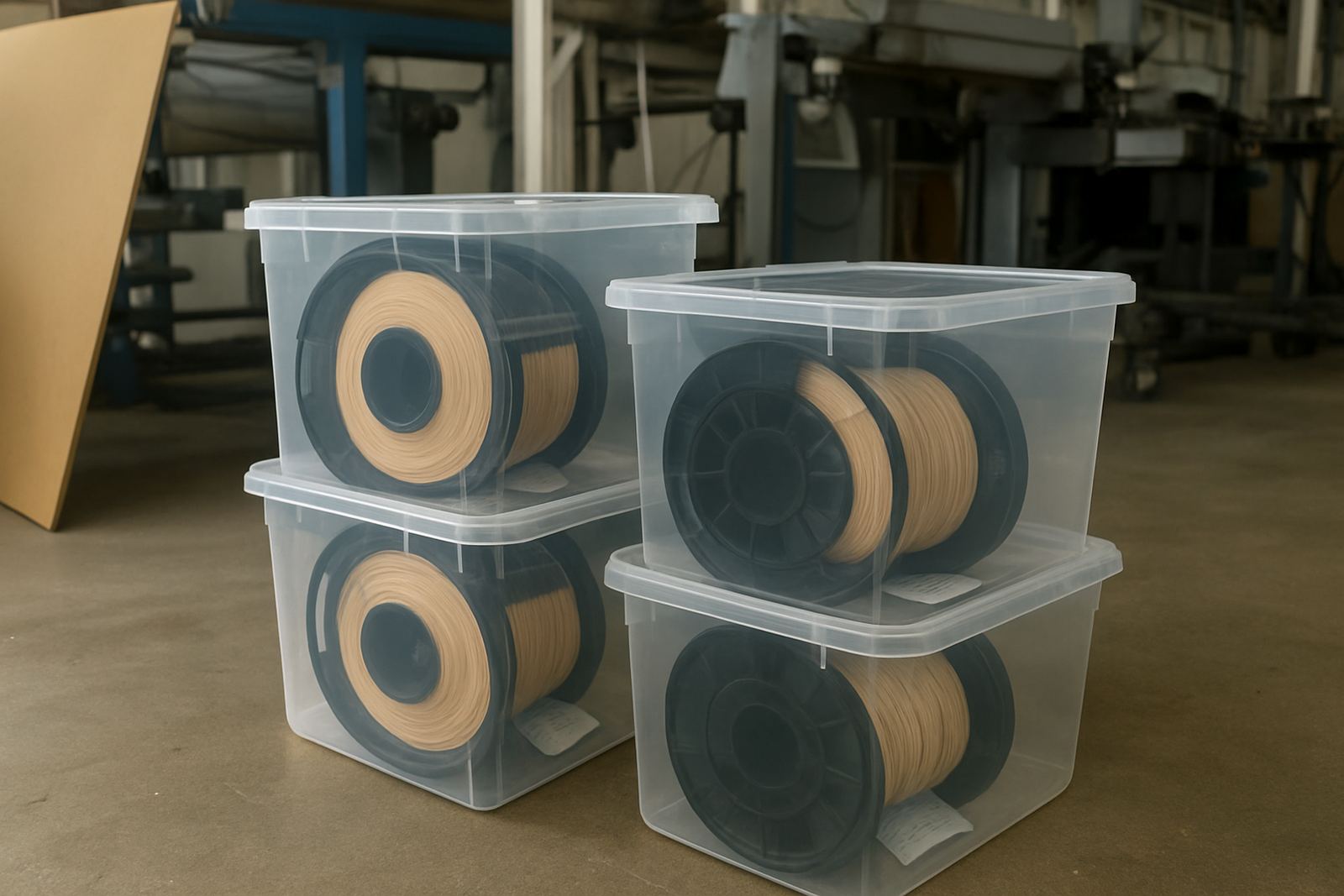
When a reel is not on the machine, put it straight back into a sealed container or storage bag with a fresh desiccant pack. A box with a tight lid works well, as long as it closes properly and is stored off the floor. Concrete floors can hold cold and damp, so a shelf or rack is a better choice.
- Keep unopened reels in their original sealed packing until needed.
- Use airtight tubs, vacuum bags or sealed cabinets for open reels.
- Add desiccant and replace it when it stops doing its job.
- Label each reel with the opening date and colour if you use more than one.
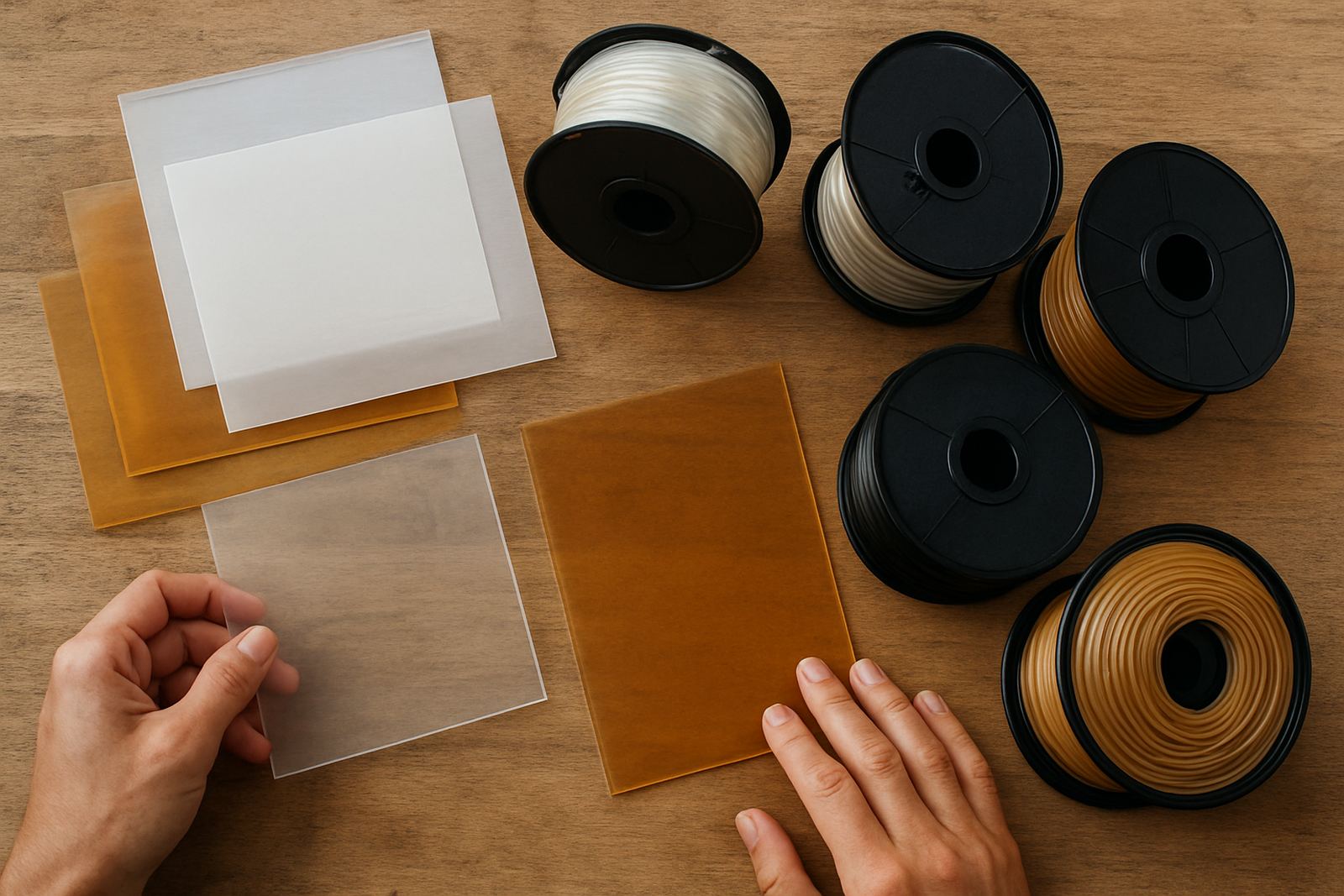
If you run small batches for design work or prototyping, it helps to store reels with the job sheet or job label nearby. That way the right material is on hand and there is less chance of mixing up colours or diameters. It sounds minor, but it saves time when a printer is waiting.
How to manage storage during load-shedding and power cuts
Load-shedding can interrupt a print halfway through, then the reel sits on the machine or in a warm enclosure until power returns. That does not automatically ruin the filament, but it is worth checking the setup before starting again. If the printer has been idle for a while, keep the filament covered and avoid leaving the spool in a hot, closed space for long periods.
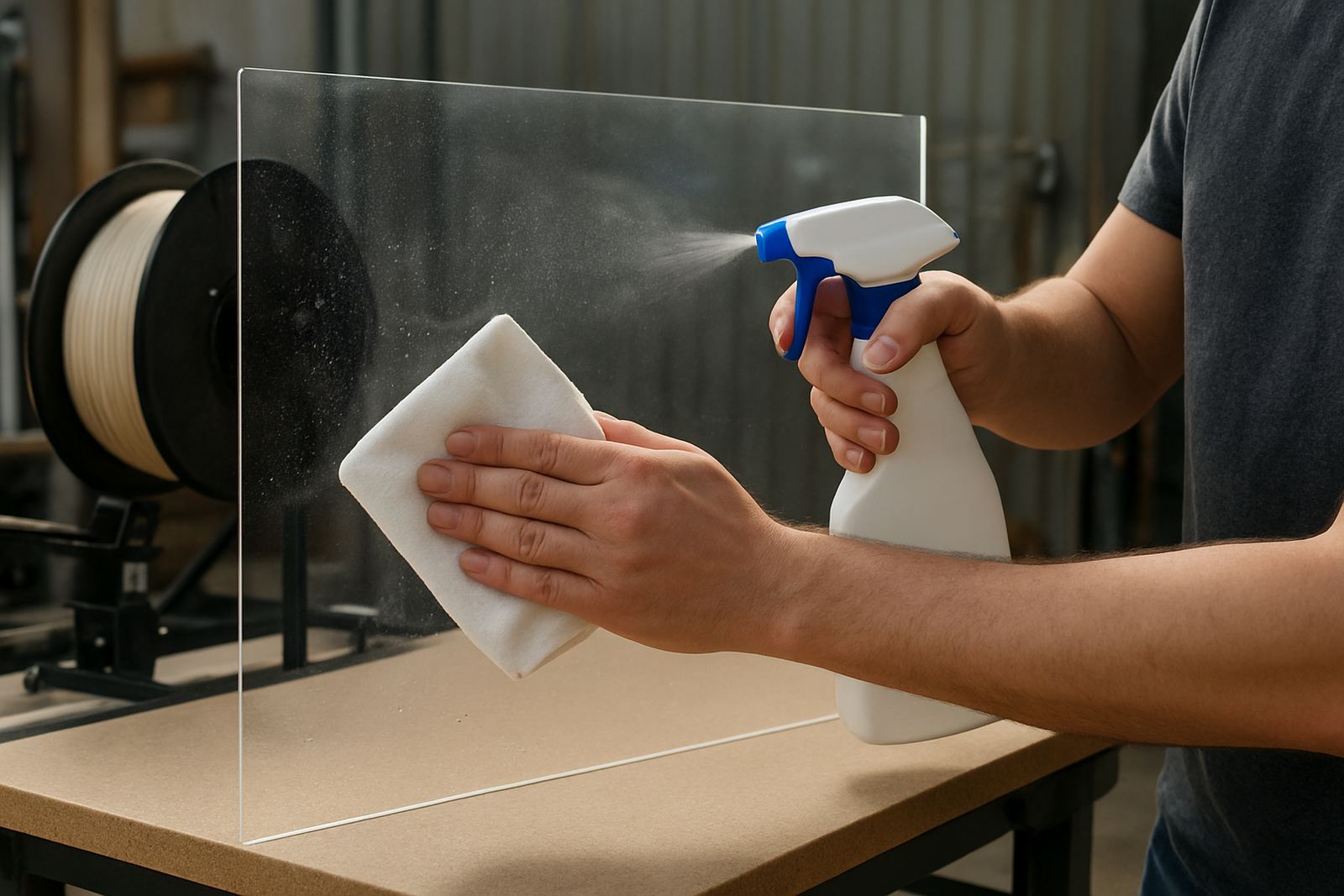
For workshops in Bellville, Parow or Somerset West where production may be split across the day, it helps to keep a small ready-use storage kit next to the printer. Include a sealed bag, a few desiccant packs and a clean cloth for wiping dust from the reel edges. If the area is near a workshop door or loading bay, fine dust can build up quickly, so cover the reel when it is not feeding.
- Do not leave reels near heaters, sunny windows or vehicle exhaust areas.
- After a long power cut, inspect the filament path before restarting the job.
- If a reel has been left out overnight, check for surface dust or moisture before printing.
Signs a PETG reel needs drying before use
Not every reel needs drying, but there are clear signs when moisture has gotten in. You may hear crackling from the nozzle, see tiny bubbles in the extruded line, or notice extra stringing between sections. Sometimes the print still finishes, yet the edges look rougher than usual and small details lose definition.
If this happens often, do not assume the printer settings are wrong. First check the reel, especially if it has been open for weeks in a humid room near the coast. In our experience, reels stored in sealed tubs tend to stay ready longer than those kept on open shelving. A dry reel feeds more smoothly and gives more repeatable results, which is what most users want whether they are making samples or functional parts.
- Look for popping or sizzling during extrusion.
- Check for stringing that appears worse than usual.
- Watch for dull, uneven finish on the first few layers.
- Feel for brittle or inconsistent feed when the spool turns.
Storage habits for workshops, makers and production teams
Different users need different storage routines. A maker doing weekend projects may only need one sealed box and a few labelled reels. A small production team in Epping or a school workshop in Stellenbosch may need a proper shelf system with stock rotation, colour coding and clear batch notes. The principle stays the same: keep the material traceable and easy to access.
For teams that courier filament nationwide, packaging matters too. Each reel should be packed so it cannot shift around in transit. If the reel arrives after a long trip to Durban, Bloemfontein or George, leave it sealed until the machine is ready. Opening it too early just gives the reel more time to pick up air moisture again.
Good storage also reduces waste. When reels are easy to identify and protected from damp, you are less likely to scrap a half-used spool or waste time re-checking settings. That is useful whether you are cutting parts to size, making short production runs or just keeping a few spares on the shelf.
A practical routine that keeps PETG ready to print
A simple routine beats complicated storage every time. At the end of each job, wipe the reel if needed, return it to a sealed container, and store it away from direct sun. Check the desiccant from time to time and replace it before it stops absorbing moisture. If a reel has been sitting unused for a long time, inspect it before loading the printer.
For many South African users, that routine is enough to keep PETG ready through hot spells, damp mornings and power interruptions. The key is consistency. If you treat each reel the same way, your print results become easier to predict and you spend less time chasing faults that start with poor storage rather than the printer itself.
For clients in Cape Town who collect from Epping, or those who need couriered stock sent out fast, storage advice is part of keeping the material usable from the first print to the last. Dry filament gives you a cleaner result and less rework, and that saves time on the floor.