Why model makers choose PETG for clear parts and strong details
When you are building scale models, display pieces or working prototypes, the material has to do more than look neat. It must print cleanly, hold its shape and stay usable after sanding, drilling or repeated assembly. PETG suits that work because it gives you a good balance between clarity, strength and ease of use.
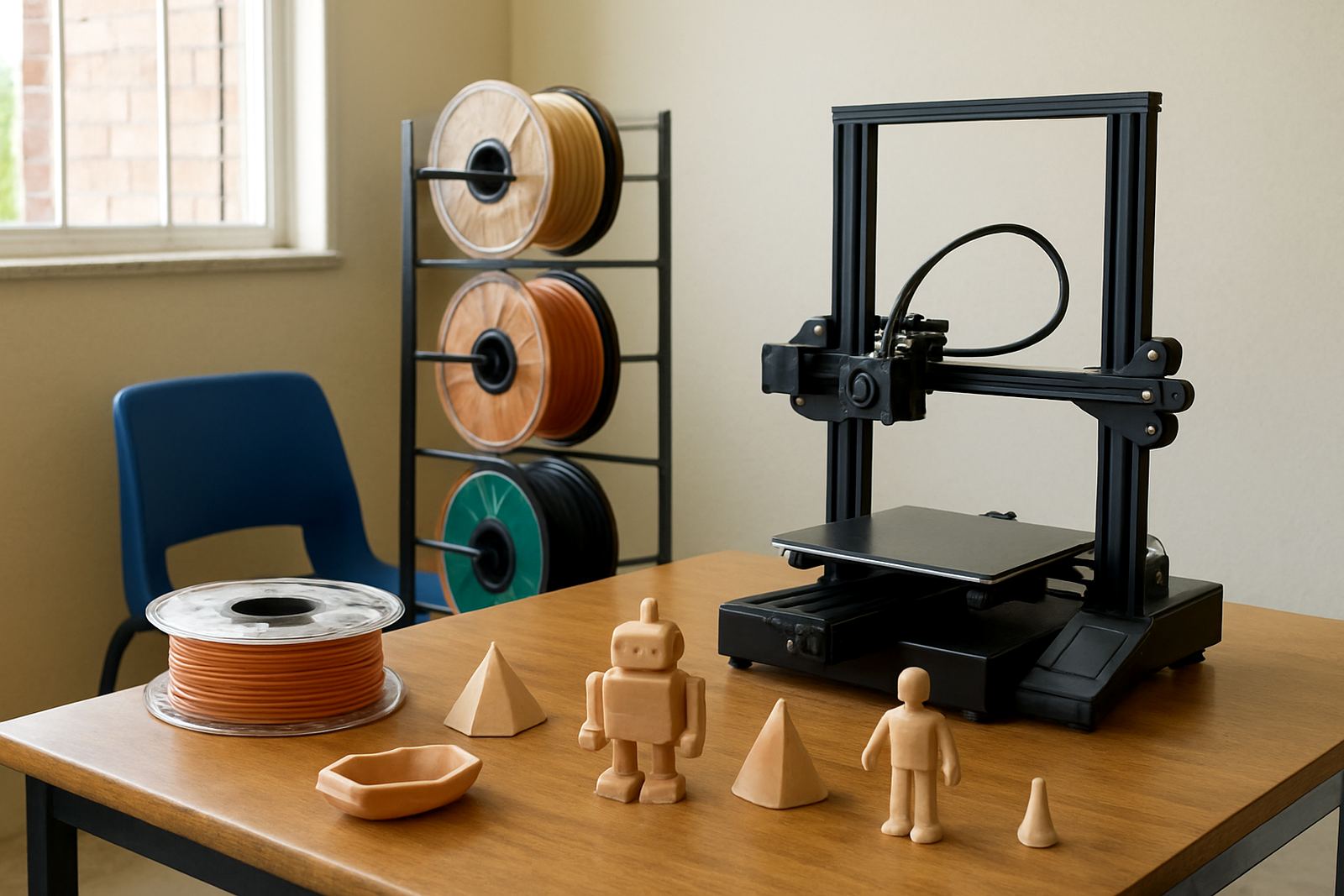
For transparent windows, covers, light guards and viewing panels, PETG is often a better fit than brittle plastics that crack during handling. It also has enough toughness for clips, brackets and small structural parts that get taken apart more than once. That matters for model builders in Cape Town, where a part may be printed in the morning, fitted in the afternoon and adjusted again the next day.
Compared with materials that warp more easily, PETG is generally calmer on the printer bed and less prone to splitting at corners. For small workshop jobs, that means fewer failed prints and less wasted filament. In practical terms, you get a material that behaves well when you need a part to look tidy and still do a job.
- Clear enough for covers, lenses and inspection windows
- Tougher than many brittle hobby plastics
- Suitable for repeated fitting, trimming and drilling
- Useful for both display models and functional prototypes
Getting the best finish on printed model parts
For model work, finish matters just as much as size. Even a strong part can look rough if layer lines are too visible or if the print settings are not matched to the job. PETG can give a neat result when you slow the print down a little and pay attention to cooling, wall thickness and first-layer adhesion.
If you are making a display model, use the material where you need strength and reserve other methods for the finest surface work. PETG is a good choice for frames, housings, brackets, housings for LEDs and support pieces hidden under the skin of the model. For clear sections, a lighter print pattern can help preserve transparency, though you may still need light sanding or polishing depending on the finish you want.
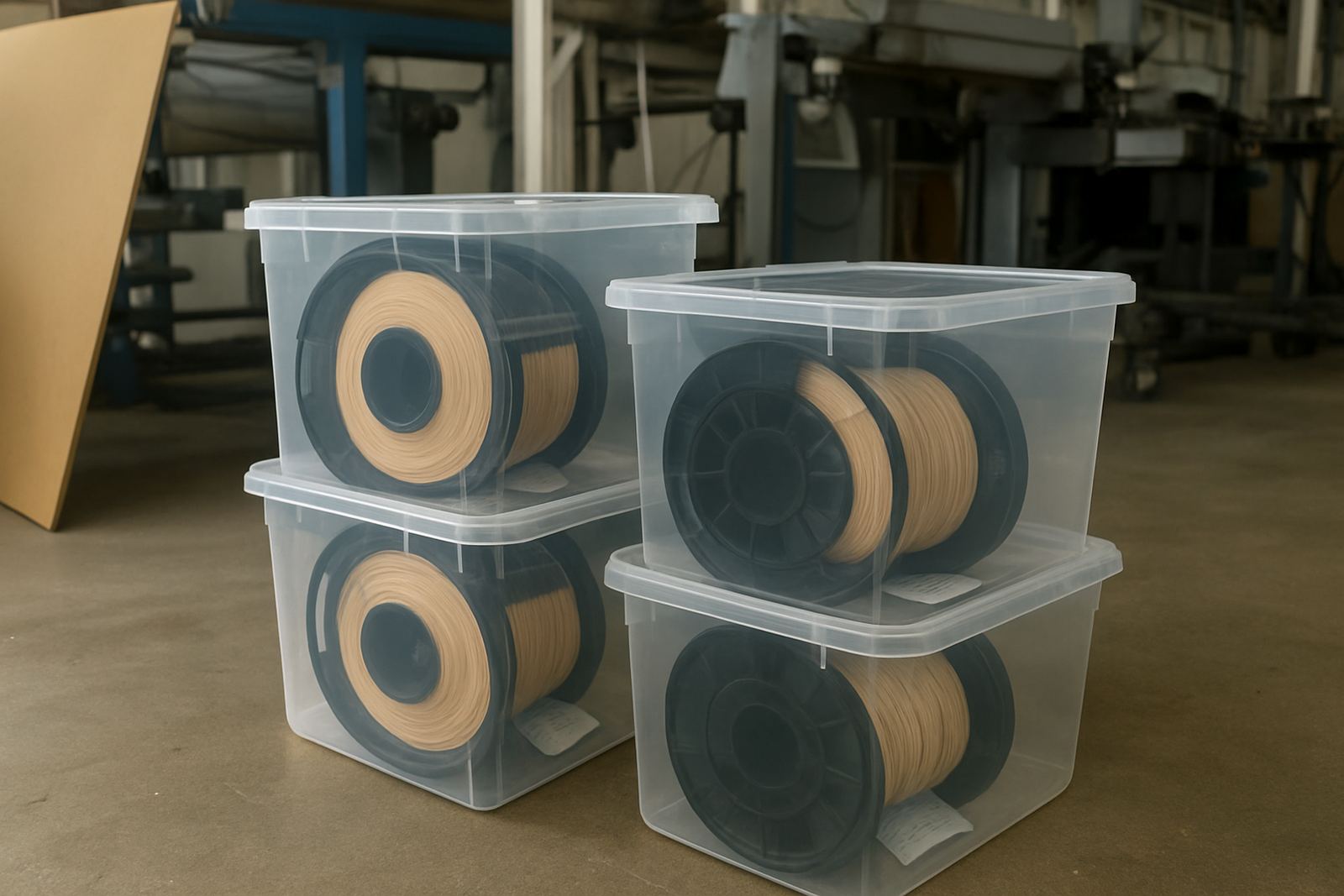
Local conditions also matter. In coastal areas like Epping and the wider Cape Town side, moisture in stored filament can affect print consistency. Keep reels sealed when not in use, especially in summer humidity. If a spool has been standing for a while, drying it before a long run can help avoid stringing and weak layers.
- Use steady bed adhesion for first layers
- Store filament in sealed packaging when not printing
- Allow for light sanding on visible edges
- Test small parts before starting a full batch
Sheet cut to size for model bases, covers and templates
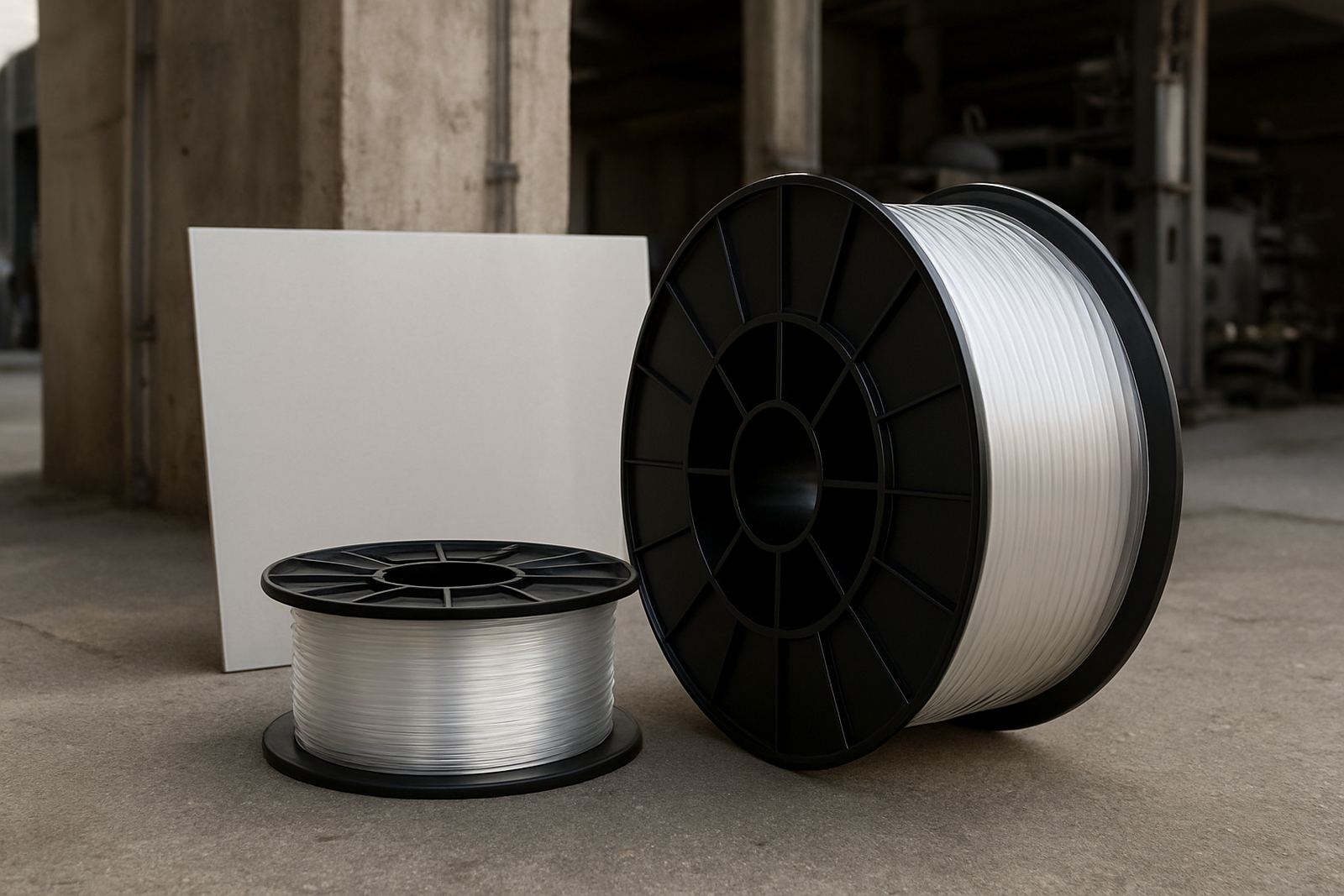
Model makers do not only need filament. PETG sheets are useful for clear covers, base plates, protective shields and template work where a flat, uniform piece is easier than printing every component from scratch. Cut-to-size sheet work saves time and helps keep edges square, which is important when parts need to line up cleanly.
In a workshop setting, custom sizing is useful when you are working to an existing plan or fitting into a cabinet, display box or school project case. A sheet can be cut into small panels for layered builds, signage mock-ups or transparent guards around moving parts. If you need strip cutting or panel cutting, it is often quicker to start with the correct size rather than trimming on site.
For model makers in Stellenbosch, Paarl or Somerset West, having sheet material cut to the right dimensions can avoid waste and reduce the number of offcuts lying around the bench. That is helpful when you are trying to keep a clean layout for assembly and finishing.
- Clear covers and windows
- Base plates and display panels
- Templates for repeat cutting
- Protective guards for prototypes
A practical Cape Town example: one model, many parts
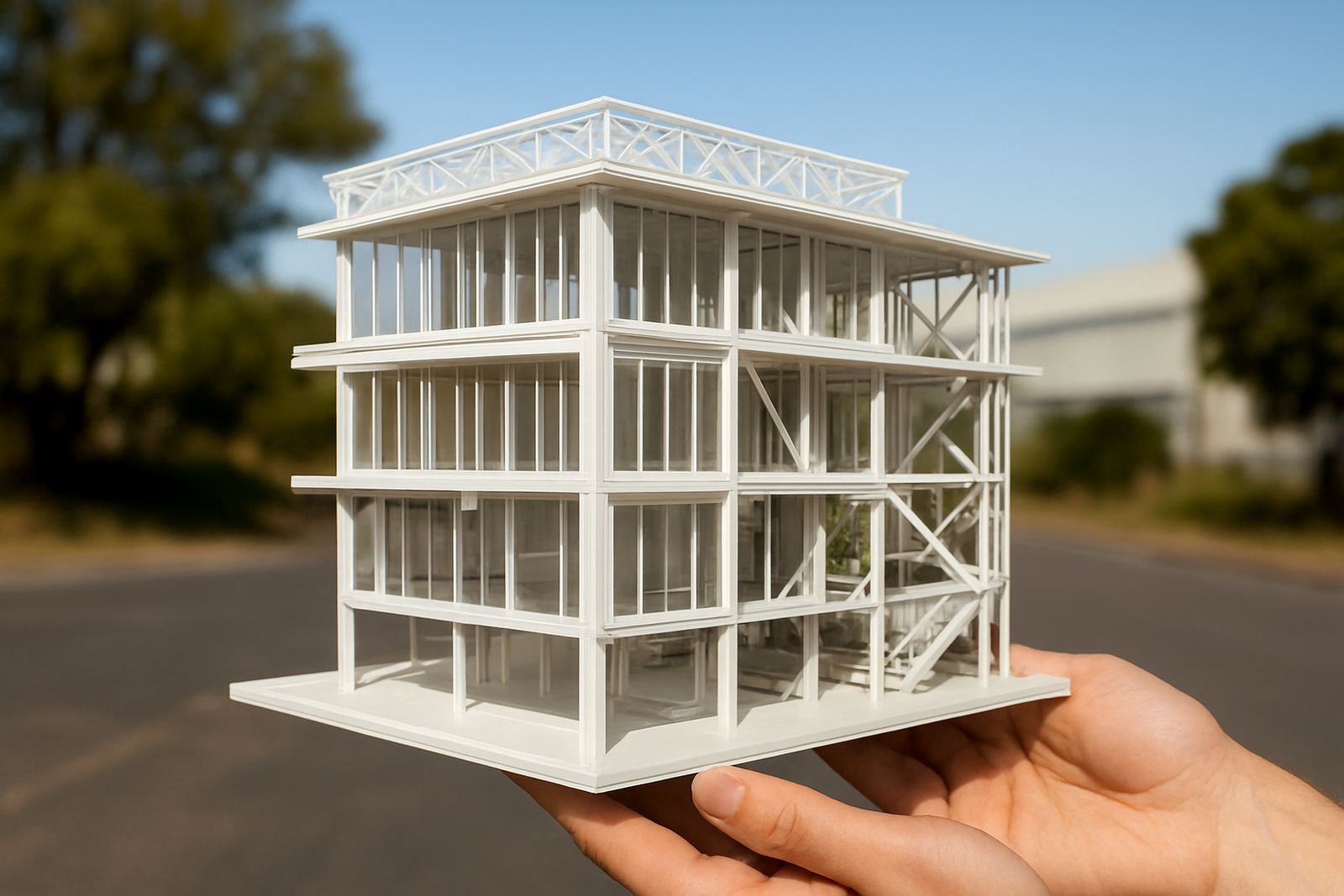
Take a local architectural model being prepared for a client presentation in Bellville. The builder may need a clear cover over the structure, a solid base board, internal supports for the roofline and a few smaller printed pieces such as vents or brackets. PETG lets that same project move between sheet and filament work without changing material family every time.
For the cover, a cut sheet keeps the edges straight and the finish tidy. For the small clips and fittings, filament makes it easier to print details quickly and replace parts if the client asks for a revision. If the work is going to a site in Claremont or collected from Montague Gardens, the parts need to be packed properly so they do not arrive scratched or bent.
That is where job labelling, courier packing and edge deburring matter. A model project often has many small components, and the difference between a clean handover and a messy one is usually in the preparation. If a part has to be marked, drilled or adjusted later, it is better to do that before collection than on the client’s table.
Support for repeated builds, small batches and careful planning
Some model work is one-off, but a lot of it is repeated. A classroom set, retail display or prototype run may need the same part cut or printed several times with small changes. PETG works well in that environment because it holds up across small batches and gives a reliable starting point for repeat orders.
If your project needs material advice, it helps to explain what the part must do, where it will be used and whether it will be handled daily or only for display. A thin decorative piece has different needs from a clip that will be removed every week. For model makers, that kind of practical guidance often saves time and reduces waste.
Collection is available in Epping and selected areas around Cape Town, while filament can be couriered nationwide. That makes it easier to keep a project moving, whether you are working from a studio in Parow or sending parts to another town for assembly. Customers usually reach out through the enquiry form on the contact page, which keeps job details together and easier to track.
- Small batch cutting for repeat model parts
- Large batch cutting when a project scales up
- Job labelling for mixed components
- Courier packing for parts travelling further afield