
Start with the least aggressive clean
Most PETG surface marks are caused by dust, fingerprints, packaging residue, or a cleaner that is stronger than the job needs. In a workshop, showroom, or on a site in Epping, the first step is always a dry wipe with a soft microfibre cloth to lift loose grit before anything else touches the sheet. That small step matters because a grain of sand dragged across the panel can leave fine lines that stay visible in strong daylight.
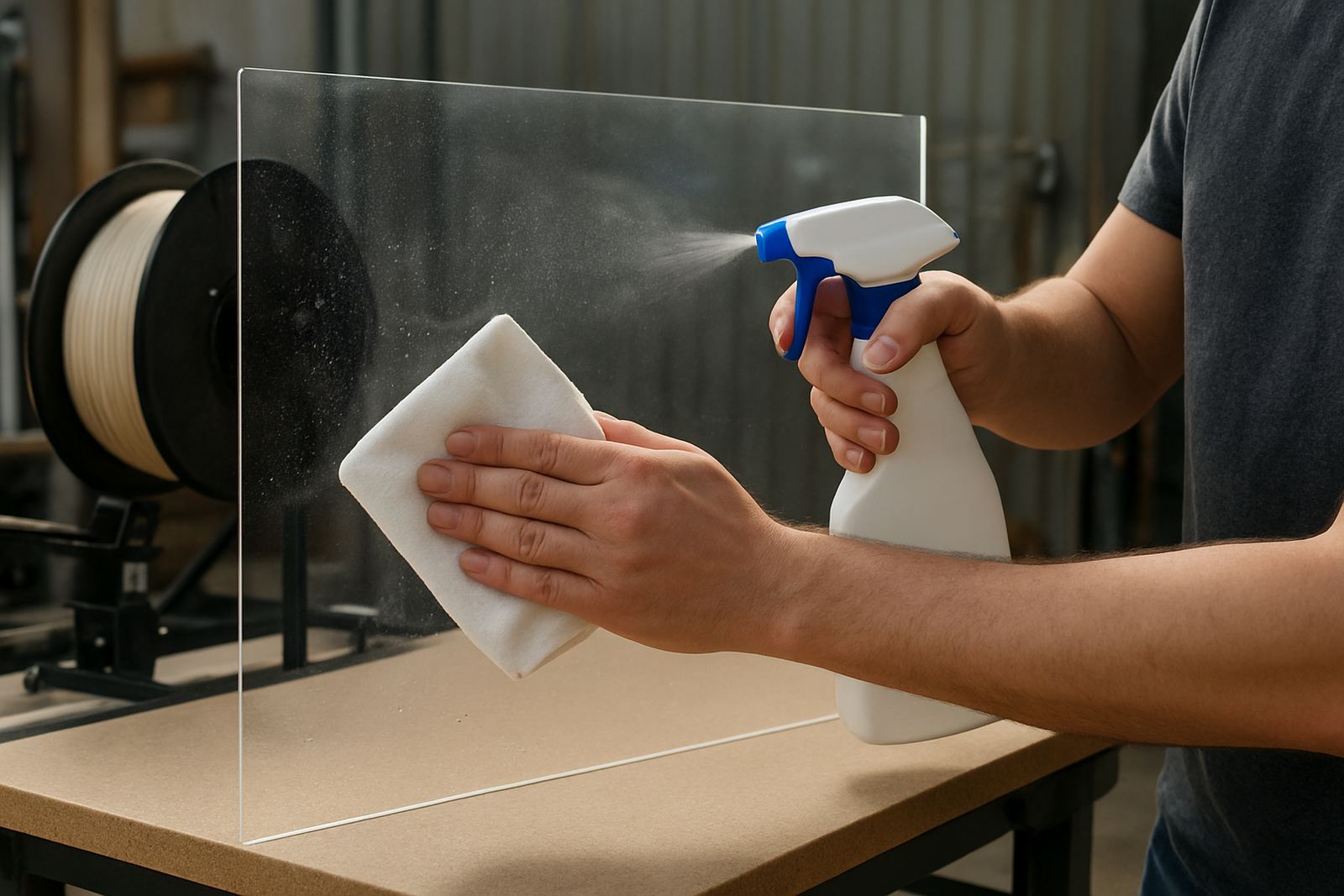
For everyday cleaning, use lukewarm water with a mild soap. Apply the solution to the cloth, not straight onto the sheet, then wipe in one direction with light pressure. Rinse with clean water and dry with a second soft cloth so water spots do not settle along the edges. If the sheet is already cut to size, be extra careful around corners and any drilled points because dirt tends to collect there.
- Dust first, then wash
- Use soft cloths only
- Keep pressure light
- Dry the surface after wiping
What to avoid on PETG sheets
Some cleaners that work on glass or metal can mark PETG, haze it, or leave the surface looking patchy. Solvent heavy liquids, coarse pads, and stiff brushes are the main risks. Even a paper towel can leave fine swirl marks if it is used on a dirty panel, so it is better to keep a dedicated cloth for each cleaning pass.
Where the sheet is used in a retail display, factory guard, or internal cover, make sure everyone handling it knows what not to use. This is especially useful in shared spaces where one person may reach for a general purpose spray without checking the label. If the panel is near a loading bay, roadside workshop, or open yard, wash it more often rather than scrubbing harder. Dirt from the wind usually comes off with water and gentle soap, it just needs a bit of patience.
- No abrasive pads
- No harsh solvents
- No dry rubbing on gritty surfaces
- No scraping with metal tools
Managing fingerprints, tape marks and workshop residue
Fingerprints show up quickly on clear and translucent sheets, especially when the weather is warm or humid. Around Cape Town and the coast, that can happen fast if the panel is handled after cutting or installation. The best way to deal with prints is to clean them soon after they appear. Left too long, body oils collect dust and become harder to remove cleanly.
Tape marks are another common issue. If masking tape or protective film has been left on for too long, remove it slowly and keep the pull angle low. If adhesive residue remains, test a small hidden area first before using anything stronger than soapy water. In many cases, a second pass with warm water will do the job. For workshop residue such as cutting dust, use a damp microfibre cloth and work across the full panel so you do not leave streaks in one spot.
- Clean fingerprints soon after handling
- Remove tape slowly at a low angle
- Test any stronger cleaner on a small area first
- Use a fresh cloth when residue builds up
How to clean cut edges and drilled areas
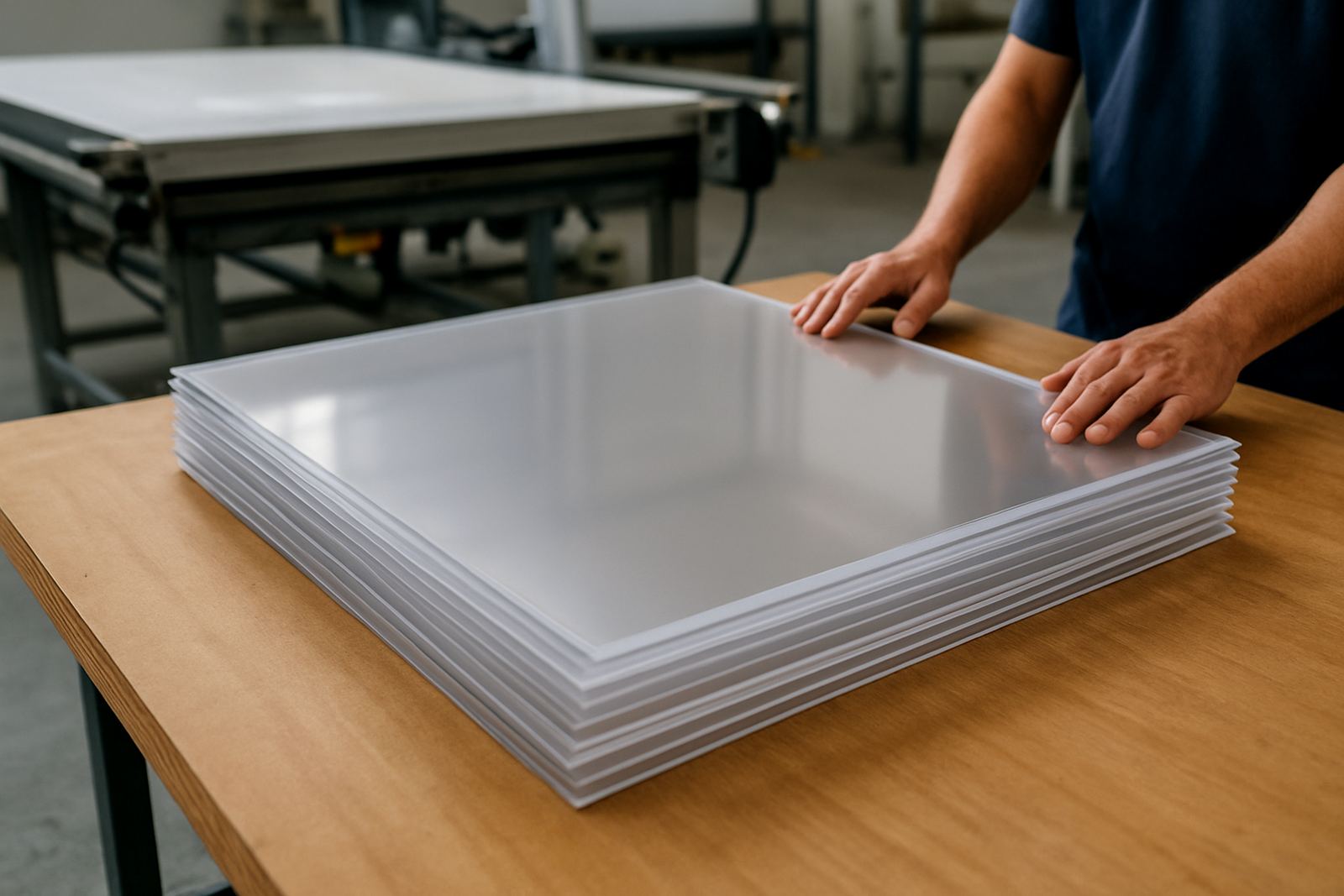
Cut edges can hold fine dust, especially after straight cuts, strip cutting, or panel cutting. If the sheet has been supplied with film left on, keep that film in place until the final clean and fitment stage. That helps protect the face while the panel moves between the workshop, the vehicle, and the installation point. Once the film comes off, give the whole sheet a gentle clean and pay attention to the edge line where dust likes to sit.
For drilled holes or marked points, wipe around the area with a folded cloth rather than pressing down with a fingertip. The corners around fixings can trap grime, so a small cotton bud or soft detail cloth may help if the opening is tight. This is useful on sign panels, machine guards and display covers where a tidy edge finish matters as much as the clear face.
- Keep protective film on until final fitment
- Wipe cut edges with a folded cloth
- Use soft detail cloths around holes
- Do not force dirt out with hard tools
Cleaning after transport, storage and coastal conditions
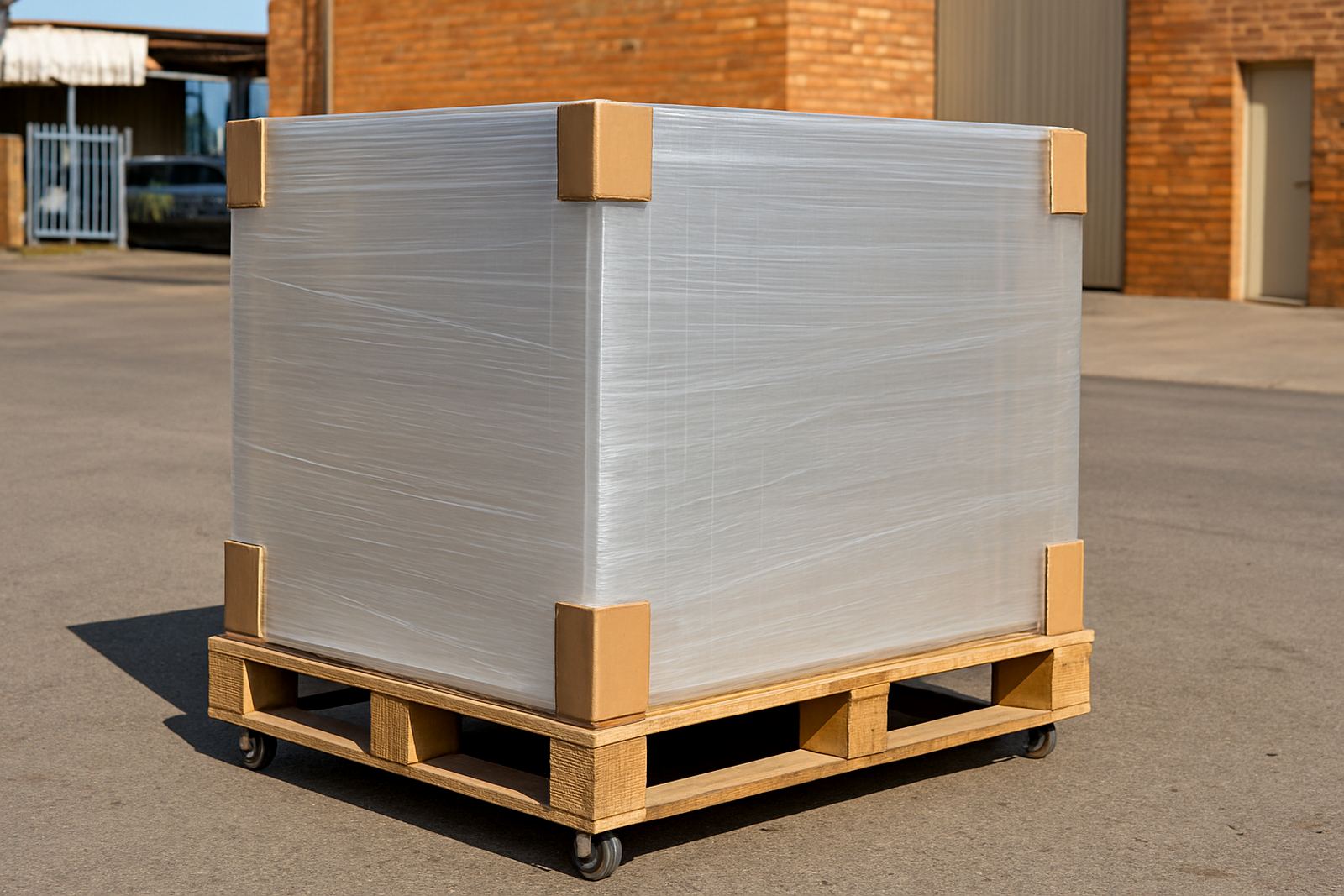
In South Africa, storage and transport conditions often have more influence on the finish than the use itself. A sheet stored near a workshop entrance, on a vehicle rack, or in a coastal area can pick up dust, moisture and salt film before it is even installed. In places like Epping, Bellville, or Somerset West, a practical routine is to inspect the sheet on arrival, wipe it down, and store it flat and covered until needed.
If the panel has travelled by courier, let it settle to room temperature before cleaning, especially after a cold morning or a hot delivery run. Sudden temperature changes can leave condensation on the surface, which makes dust stick more readily. In humid weather, dry the panel fully after washing so marks do not return once it is back in service. It sounds simple, but it saves a lot of repeat cleaning.
- Inspect sheets as soon as they arrive
- Store flat and covered
- Let panels reach room temperature before cleaning
- Dry fully in humid conditions
A sensible maintenance routine for busy sites
The best cleaning routine is the one people will actually follow. For most users, a weekly light clean is enough, with extra wiping after fabrication, handling, or installation work. If the sheet is used in a public-facing area, such as a retail display, reception panel, or protective cover near the entrance, a quick daily wipe can keep it looking presentable without adding much labour.
At PETG, the aim is to help clients keep sheets looking clear for as long as possible without making maintenance complicated. That means choosing the right thickness, the right cut, and the right handling method before the panel ever reaches site. Once a sheet has been supplied cut to size and packed properly for delivery or collection, a steady cleaning routine will do the rest. Keep it simple, keep it soft, and avoid rushing the surface. It usually pays off.
- Weekly cleaning suits many applications
- Daily wiping helps in high-traffic areas
- Handle sheets with clean hands or gloves
- Use a routine the whole team can follow