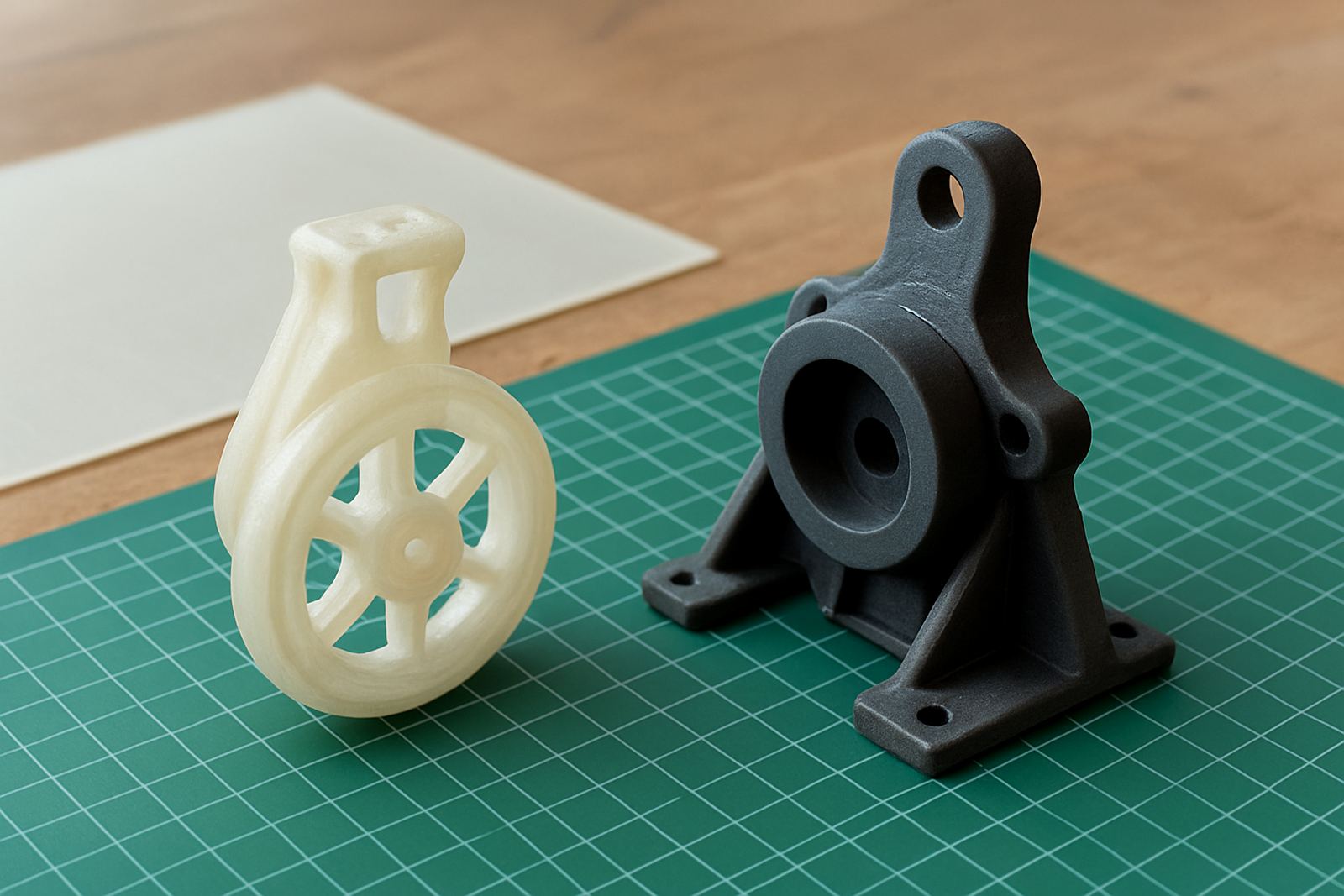
PETG and PLA serve different jobs from the start
PLA is usually the first filament people try because it prints neatly, does not need much tuning, and works well for visual models. PETG is the better choice when the part must handle daily use, a little flex, or warmer conditions. If you are printing brackets, covers, clips or holders for a Cape Town workshop, that difference matters quickly.
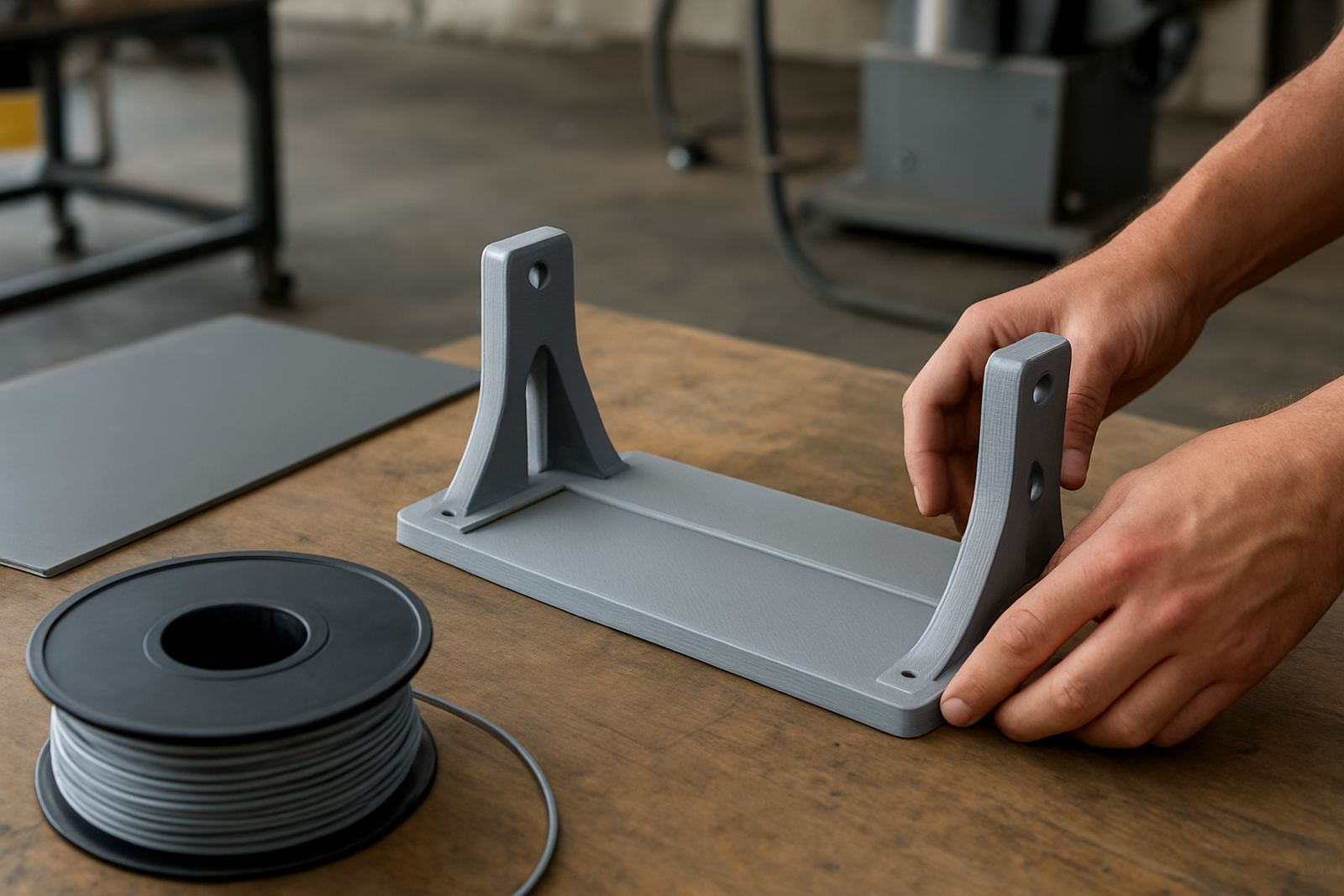
In plain terms, PLA is easier to print, but PETG is harder working. PLA is fine for display pieces, lightweight prototypes and short-life items. PETG suits functional parts such as cable guards, machine covers, jigs, storage fittings and outdoor brackets where you want better toughness and less chance of cracking.
Heat resistance matters in South African conditions
South African temperatures can punish the wrong material. A part left in a bakkie, near a window, or close to equipment that runs warm can soften in PLA sooner than expected. In summer, a closed vehicle in Bellville or a workshop in Paarl can get hot enough to deform a PLA component, even if the shape looked perfect on the print bed.
PETG handles heat better, so it keeps its form for longer in real working conditions. It is not a replacement for engineering plastics in high-temperature machinery, but for many office, retail and light industrial uses it gives a more dependable result. That is why clients often move from PLA to PETG once a prototype needs to become a usable part.
- Use PLA for display models, fit checks and low-stress samples.
- Use PETG for parts near heat, sunlight or repeated handling.
- If the item will sit in a car, window or loading bay, PETG is usually the safer bet.
Strength and flex: where PETG earns its keep
PLA is stiff, which sounds good until a clip snaps instead of bending. PETG has more give, so it can absorb knocks and light impacts better. That makes it useful for parts that need to flex slightly without breaking, such as snap-fit covers, mounting tabs and equipment guards.
For many manufacturers and designers, that extra toughness saves time and reprints. A part that survives a dropped tool, a rough courier trip, or repeated assembly is worth more than a part that looks crisp but fails on the second use. PETG is also a solid option for small-batch production when the same item must behave consistently across a run, not just on one sample.
PLA can still be the right choice where a rigid shape is required and the load is low. For example, a presentation prototype or a trial fitting might not need PETG at all. The key is to match the filament to the task, not just the print time.
- PLA is stiffer and often easier for fine detail.
- PETG is tougher and better at withstanding impact.
- For clips, mounts and working parts, PETG usually gives fewer breakages.
Print behaviour: easier first prints or better final parts
PLA is forgiving on many benchtop machines, which makes it a good starting point for new users. It tends to print with less stringing and can produce neat detail with basic settings. PETG needs a little more care with temperature, cooling and bed adhesion, but once tuned it gives reliable results.
If you are printing in a Cape Town home workshop during load-shedding, stable setup matters. A sudden power cut can affect either material, but PETG is less likely to be chosen just for easy printing. It is chosen because the finished part must do a job. That is why some users print PLA for early trials, then switch to PETG for the final part when the dimensions are confirmed.
There is also a practical difference in how both materials feel after printing. PLA often gives a harder, more brittle finish. PETG can have a slightly more flexible feel, which is useful for functional items but not always ideal for very sharp cosmetic edges. If surface finish is important, post-processing and print settings should be planned before the run starts.
Choosing by application in manufacturing, design and prototyping
For product development, the best material depends on what stage you are at. PLA is excellent for concept models, shelf samples and parts that need to look good without carrying weight. PETG is better once the part starts to face handling, heat or repeated use.
In local practice, many teams use both. A designer in Somerset West might print a quick PLA concept to check fit with a customer, then order PETG for the final batch once the layout is approved. A production team in Epping may want PETG for shop-floor aids, storage dividers or jigs that must last longer than a few test cycles. That approach keeps waste down and reduces delays.
- Use PLA for visual mockups and short-term trials.
- Use PETG for functional brackets, guards and wear parts.
- When the part is going outdoors, start with PETG first.
When to ask for cut sheet material instead of printing it
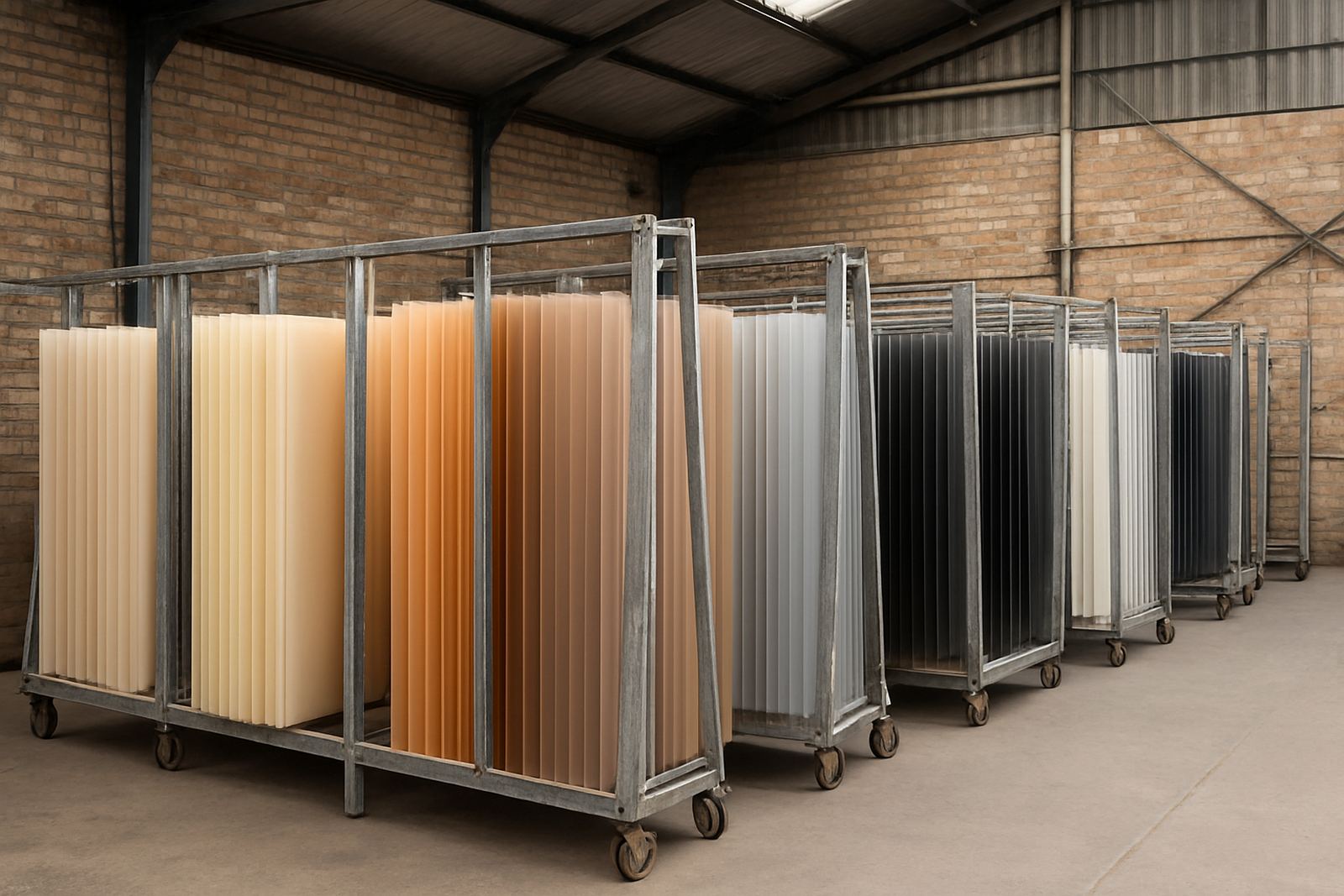
Not every job needs filament. For signage inserts, guards, panels and clear protective pieces, PETG sheet can be the better option, especially when you need straight cuts, custom sizing or panel work. Sheet material is useful where a flat format is quicker and cleaner than printing a large part layer by layer.
In Epping and nearby areas, sheet work is practical for local collection while filament can be couriered nationwide. If you need a batch of matching parts, or you are building something that must fit existing frames, sheet cutting may save time compared with printing each item. Hole marking, edge deburring and film left on are useful when the finish matters and you want to protect the surface during handling.
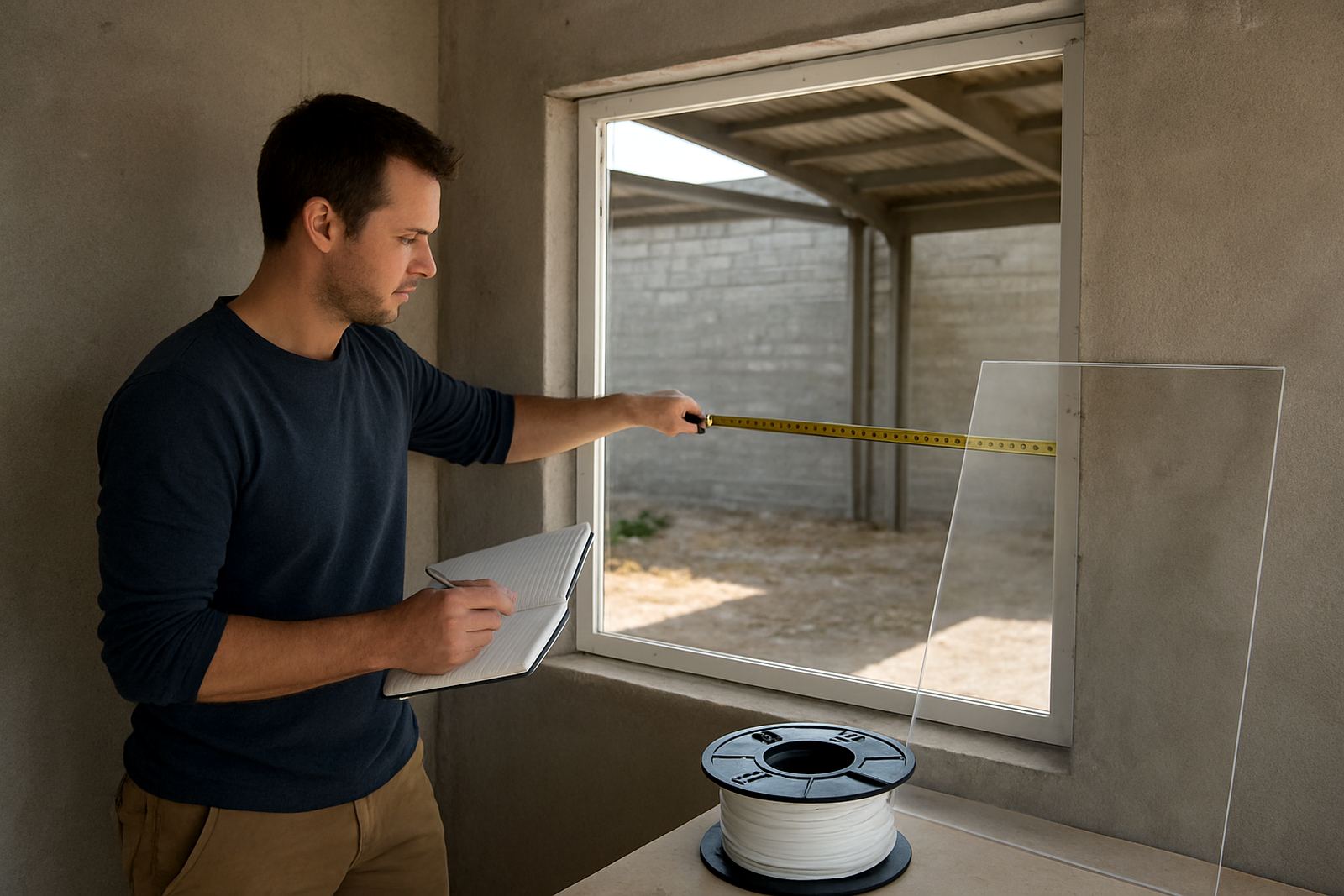
If you are unsure whether your project should use PETG sheet or filament, the best starting point is the end use. Ask what the part must survive, how warm the environment will be and whether the job needs flat stock or printed geometry. That answer usually points you to the right material fast.