
Why jigs need a material that stays true under pressure
A jig is only useful if it keeps the same position from one job to the next. In a small production shop, cabinet works, signage or a fabrication bay, that means the material must resist cracking, thread wear and light flex when clamps are tightened. PETG is often chosen for this kind of work because it gives more toughness than many brittle print materials, while still being straightforward to machine or print in repeatable batches.
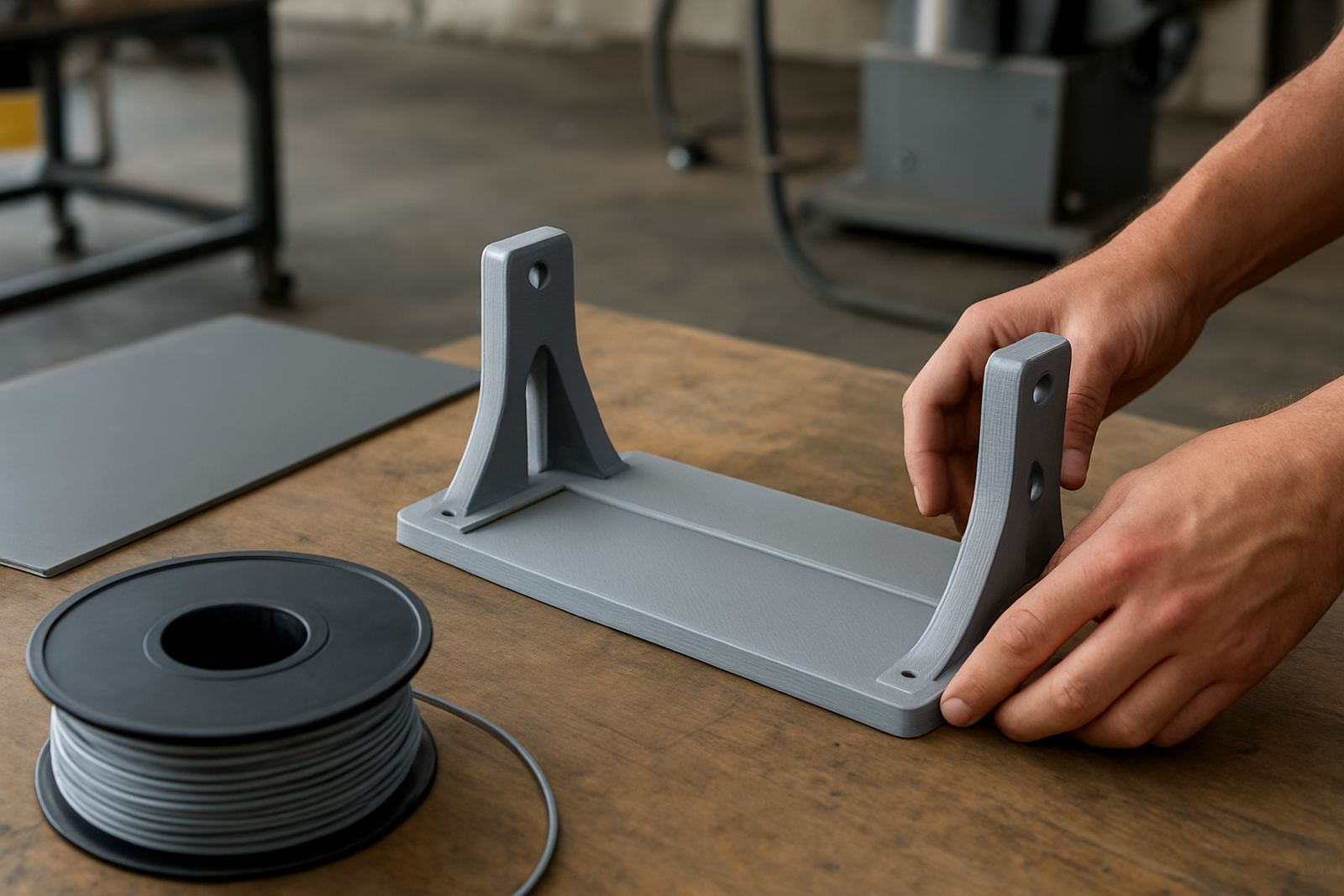
In practical terms, it suits drill guides, locating blocks, spacer tools, angle stops and assembly aids that get picked up all day. It is not meant for every high heat or heavy impact job, but for many everyday workshop fixtures it offers a good balance of stiffness and durability. That matters when you are trying to keep a production line moving and cannot afford to remake a part every week.
Where PETG works well in South African workshops
South African workshops often deal with mixed conditions. One day a jig sits in an air conditioned design room, the next it moves into a warmer workshop near dockside humidity or an open factory floor in Cape Town, Durban or Gqeberha. PETG handles those changes better than materials that become brittle in cooler mornings or start to warp too easily when the temperature rises.
It is a practical option for jigs used in woodworking, packaging, light fabrication, acrylic routing and repetitive assembly. If you need a part that is handled by different staff members, cleaned regularly and replaced only when worn, PETG usually makes sense. It also suits teams that keep spare fixtures on the shelf for quick changeovers during busy periods.
- Drill and hole location jigs for repeat work
- Clamp spacers and assembly stops
- Router templates for short production runs
- Cable routing guides and panel fit helpers
- Alignment blocks for repeatable setup
Designing a jig that prints cleanly and lasts longer
A good jig starts with the design, not the print. Keep wall thickness sensible, avoid thin unsupported tabs and make sure contact points are broad enough to spread load. When a jig is used under clamp pressure, a tiny weak section can fail long before the rest of the part shows wear. PETG is forgiving, but it still rewards proper design.
For workshop use, it helps to include relief where tools might scrape, and to round corners where stress builds up. If a jig needs screw holes, think about hole diameter and fastener choice before printing. For repeated use, a slightly oversized pilot or a captive insert can give better service than a raw plastic thread. That saves time on site and reduces the chance of a stripped fixing halfway through a job.
- Use thicker bearing faces where clamps touch the part
- Add fillets to corners that take load
- Leave enough clearance for dust and saw residue
- Plan for easy replacement of wear points
- Test the first piece before batch making more
Why PETG is handy for batch production and fast changes
Many shops do not need one perfect jig, they need ten similar ones and they need them quickly. That is where PETG is useful. It is suitable for small batch cutting and repeat production of parts that must match from one unit to the next. When your team is making multiple fixtures for different stations, consistent sizing matters just as much as material choice.
In an Epping workshop, for example, a fabrication team making repeat panel jigs for a production line may want the same locating block in several sizes. One batch can be cut, checked and labelled so each station receives the correct part without confusion. That reduces errors, especially when several people are working the same shift and load shedding has broken the rhythm of the day. Clear job labelling and sensible sizing help keep things organised.
For users in Somerset West, Paarl, Stellenbosch or the northern suburbs, courier supply is useful when a jig is needed urgently and there is no time for multiple trips. A well planned batch of parts can be packed for delivery to the workshop and put into service as soon as it lands.
Practical limits: heat, chemicals and outdoor exposure
PETG is durable, but it still has limits. A jig left near a hot machine, inside a vehicle on a summer day or beside a high heat process can soften more than a metal fixture would. If the job involves constant heat or sharp abrasion, another material or a different construction method may be needed. The smart approach is to match the material to the task instead of assuming one product solves every workshop problem.
It also pays to think about the cleaning chemicals used in the shop. Mild detergents and regular wipe downs are usually fine, but stronger solvents can be an issue depending on the part design and exposure time. Coastal humidity can affect storage too, so keep spare jigs in a dry box or shelf, not loose on a damp floor. If the fixture must live outdoors, add UV and weather considerations into the design from the start.
- Avoid placing PETG jigs near direct heat sources
- Store spares away from standing water and damp concrete
- Check chemical exposure before choosing the final material
- Use reinforced mounting points where tools are swapped often
A Cape Town example: keeping repeat work on track
A joinery and display shop in Cape Town may need a set of drilling guides for repeated shelf and bracket work. The first guide has to be accurate, but the bigger challenge is keeping that accuracy over a month of daily use. If the guide shifts or cracks, every following unit is at risk of being slightly off. PETG gives the team a practical middle ground because it can be made to size, marked clearly and replaced in short lead times when wear starts to show.
In that kind of setting, the team might collect one batch from Epping and then hold spares for emergency replacement. If an operator drops a jig or a hole starts to oval out, the spare goes straight into service and the job keeps moving. That sort of practical planning is often worth more than saving a few Rand on the first part.
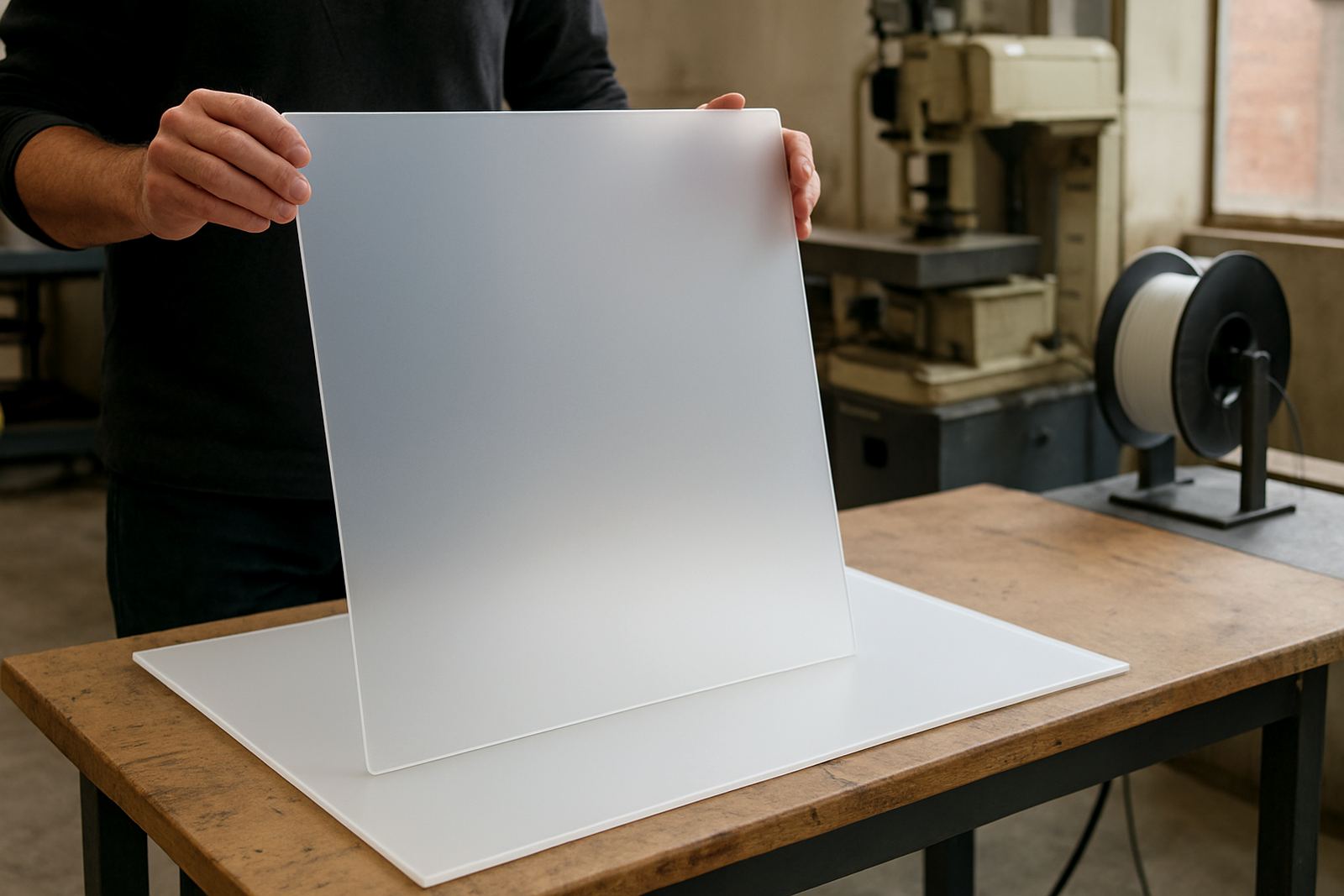
For workshops that want custom sizing, strip cutting, panel cutting or hole marking, it helps to work from a clear drawing or sample piece. Straight cuts and edge deburring make the part easier to handle, while film left on can protect faces during transport and storage. Proper courier packing also matters when the fixture has to travel to another site before a deadline.
Choosing PETG when the job needs repeatability
PETG is worth considering when you need a workshop jig that is light, repeatable and simple to replace. It suits many everyday tasks where a part has to sit flat, guide a tool, or keep spacing consistent without the cost and weight of metal. For prototyping, production support and practical workshop aids, it offers a useful blend of reliability and ease of use.
If you already know the dimensions, that is ideal. If not, a supplier can help with material advice, custom sizing and the right cutting method so the finished part matches the job. For South African workshops that need parts in Cape Town or couriered nationwide, that kind of support can save time, reduce rework and keep the line running.
- Best for repeat-use jigs with moderate loading
- Useful for prototypes that may change later
- Handy for teams that need consistent replacement parts
- Suitable for local collection or nationwide courier supply