
What clear PETG can and cannot look like
When people ask for a transparent finish, they often imagine a sheet of glass. PETG does not behave like that, whether it is being cut into panels or run through a printer as filament. It has a naturally glossy surface and a good degree of clarity, but the final look depends on thickness, print settings, orientation and post-processing.
For applications like guards, display panels, prototypes, light covers and equipment housings, clear PETG is a practical choice because it combines visibility with impact resistance. It is a sensible option for Cape Town workshops that need material which can handle handling, transport and general wear better than more brittle plastics. If you want optical clarity, you need to plan for it from the start rather than hope the finished part will disappear into the background.
One useful rule is this: the thinner and more even the part, the clearer it will appear. A thicker section will still transmit light, but it will also show more haze and edge distortion. That is normal, and it helps to explain it to clients early so there are no surprises later on.
How light, colour and layer lines change the result
Clear PETG changes character under different light. In a bright Somerset West showroom it may look almost invisible from one angle, then show a faint amber or milky cast from another. Under workshop fluorescents, the same part can reveal layer lines more clearly. This is not a fault as much as a feature of the material and the way it is used.
If the part is printed, layer height and wall count matter a great deal. More walls can improve strength, but they can also make the piece look less clear. Faster print speeds and poor cooling often leave stringing or a cloudy finish. If the part is laser clear in the brief but only needs to protect a sensor or sit behind a fascia, it may be better to aim for neat and readable rather than perfectly transparent.
- Use consistent wall thickness for a more even finish.
- Avoid unnecessary internal features where light needs to pass through.
- Ask whether the part must be seen through, or only seen clearly from the front.
- Match the finish to the viewing distance, because a part viewed from 2 metres is judged differently from one held in the hand.
The difference between print clarity and sheet clarity
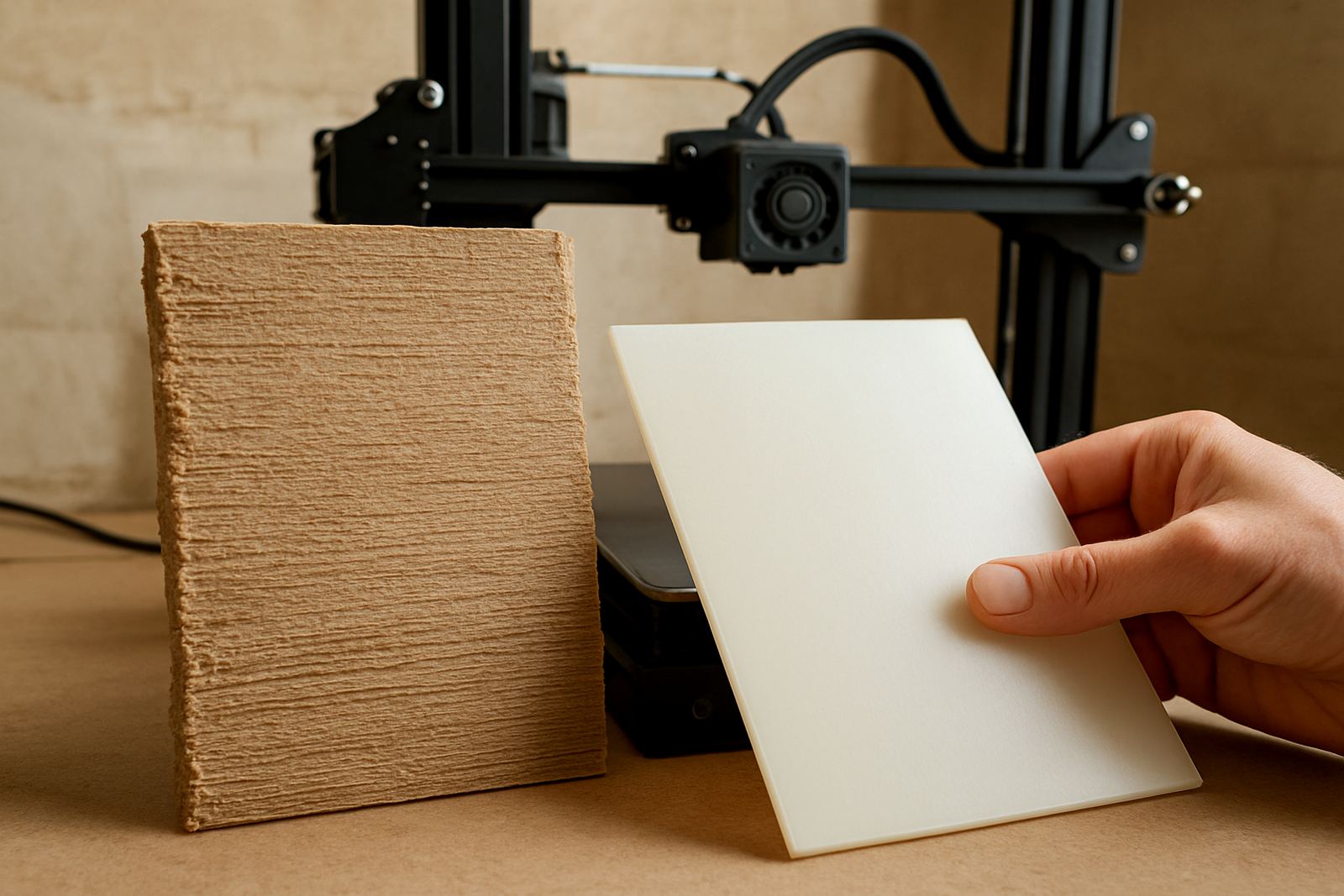
Clear PETG sheet and clear PETG filament solve different problems. Sheet is usually the better choice when you need flat panels, covers, guards or cut-to-size inserts for cabinets and displays. It offers a more uniform appearance because the material is already formed, so there are fewer visual artefacts than in a printed part. For many clients in Bellville or Parow, that means easier installation and a neater result on site.
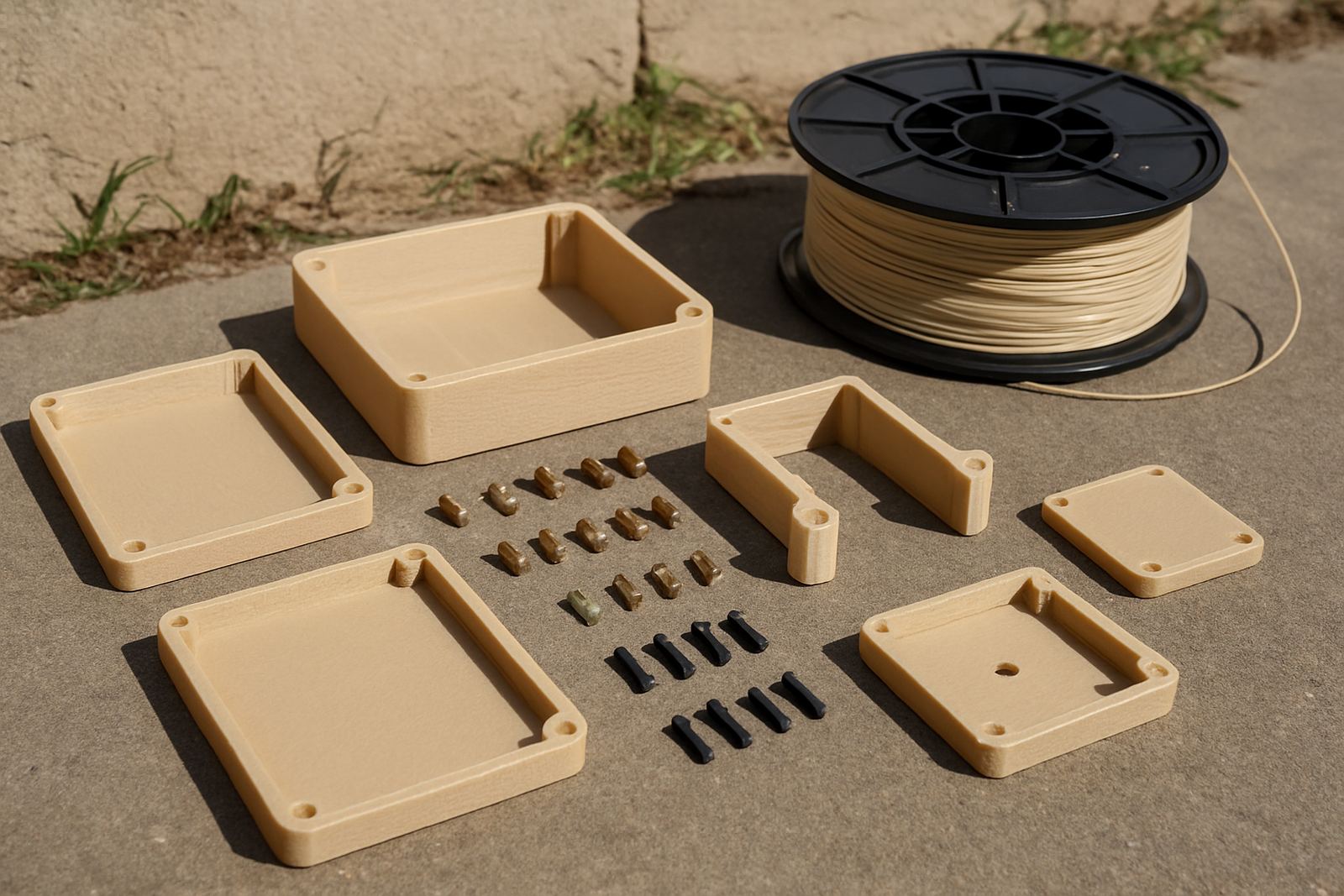
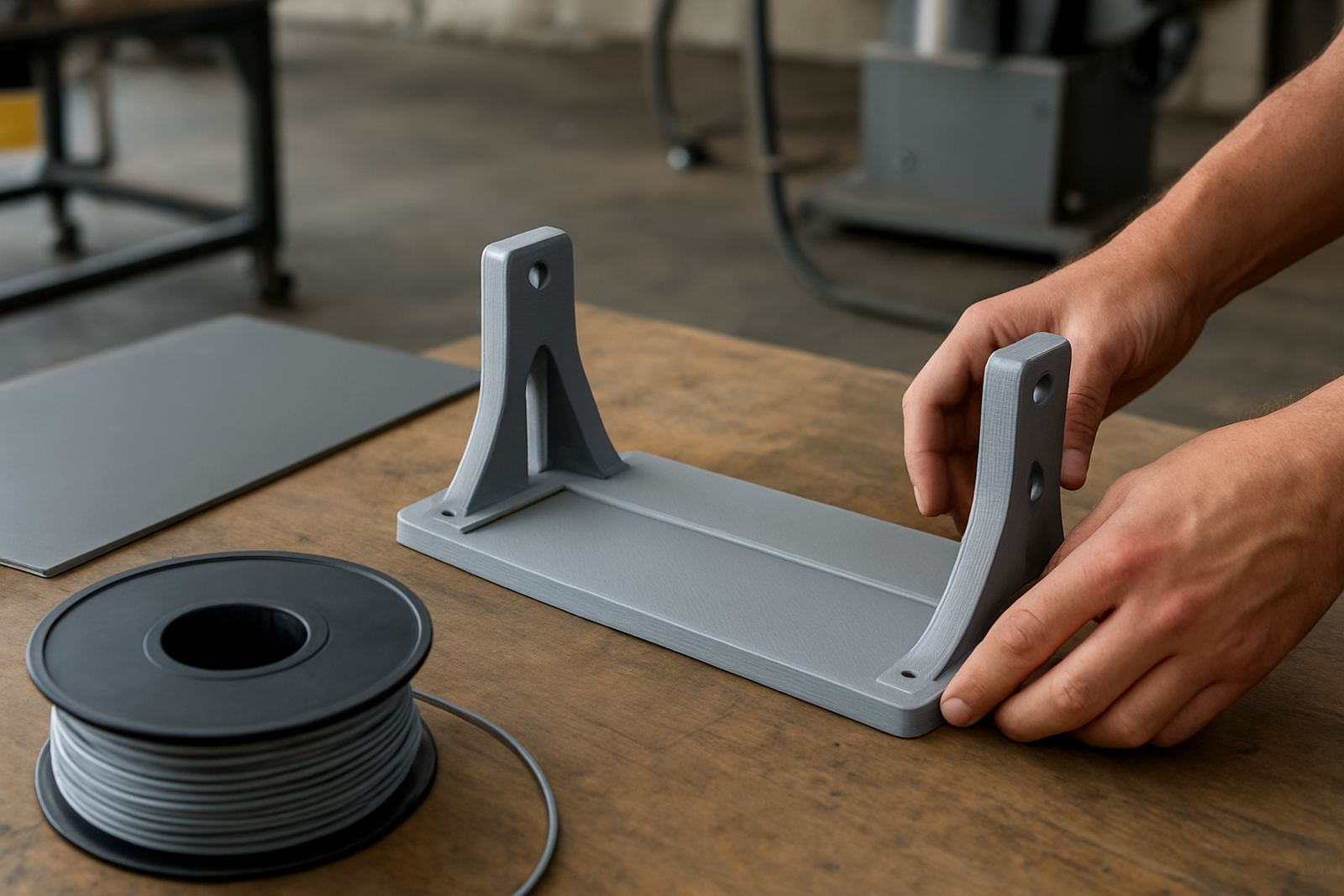
Filament is better when the shape matters more than the absolute clarity. It can be printed into brackets, mounts, cases and custom holders, but the finish will show the build process. That is why real transparency expectations need to be set before the job starts. If a customer wants a product that looks like moulded perspex, printing may not be the right route. If they want a strong, functional piece with good light transmission, it often is.
Our team often helps clients choose between a cut panel and a printed component based on where the part will sit, how it will be handled, and whether it must be approved by a customer or inspector. That practical step saves time and avoids rework.
What to ask before you approve a clear job
Transparency is easier to manage when the brief is specific. A vague request for “clear plastic” can lead to a mismatch between expectation and reality. Before approving a job, it helps to talk through the use case, the light source, the fixing points and any visible edges. In a coastal area like Stellenbosch or Somerset West, it is also worth asking how the part will cope with humidity, condensation and regular cleaning.
- Will the part be viewed straight on or at an angle?
- Does it need to look clear in daylight, indoor light or both?
- Will there be printed text, labels or fixings behind it?
- Must the edges be polished, or is a clean cut sufficient?
- Is the part for short-term prototyping or long-term use?
These questions may sound simple, but they shape the result. A good supplier should be able to explain what is realistic, where the limits are, and whether a cut-to-size sheet with deburred edges will outperform a printed part for the same job. That kind of advice is often more valuable than chasing a perfect but impractical finish.
A local example from a Cape Town workshop
Consider a small manufacturing client in Epping that needed clear guards for a bench setup and a few printed spacers for a prototype. The guards had to be cut to size, labelled for installation and supplied with the film left on until fitting. The spacers, on the other hand, could tolerate some surface lines because they sat inside the machine and were not part of the visible face.
That split approach worked because the job was assessed by function, not by assumption. The guards needed a cleaner visual finish and accurate hole marking. The printed spacers needed the right strength and tolerance more than they needed showroom clarity. By separating the requirements, the client got a better result and avoided overpaying for a level of clarity that was not needed on every component.
This is the sort of practical thinking that helps across Cape Town, from Montague Gardens to Claremont. Clear PETG is not just about looking good in a photo. It is about matching the material to the task so it performs well on the shop floor, in transit and during repeated use.
Set the standard before production starts
The best clear PETG jobs start with a straightforward conversation about expectations. If the part is meant for prototyping, the priority may be function and speed. If it is for customer-facing use, the finish matters more. If it is for a humid or dusty environment, the edge quality and fit matter even more. A realistic brief helps everyone get to the right outcome the first time.
For sheet work, services like straight cuts, panel cutting, strip cutting, small batch cutting and hole marking can support a neater install. For printed parts, the main aim should be consistent quality and a clean surface that suits the purpose. Not every clear item needs to be invisible, and not every visible line is a defect. Sometimes the honest answer is that clear PETG should look clean, readable and fit for use, not perfect like glass.
That is a practical standard for South African businesses. It respects the material, the budget and the real conditions on site. And it usually leads to better decisions, fewer returns and a result that does the job properly.