
Why PETG filament picks up moisture
PETG is useful for parts that need a bit more toughness than standard PLA, but it can absorb moisture from the air while sitting on the shelf or in a workshop. In places like Epping, Bellville and the Cape Flats, a warm room and coastal humidity can make a spool go from usable to troublesome faster than many people expect.
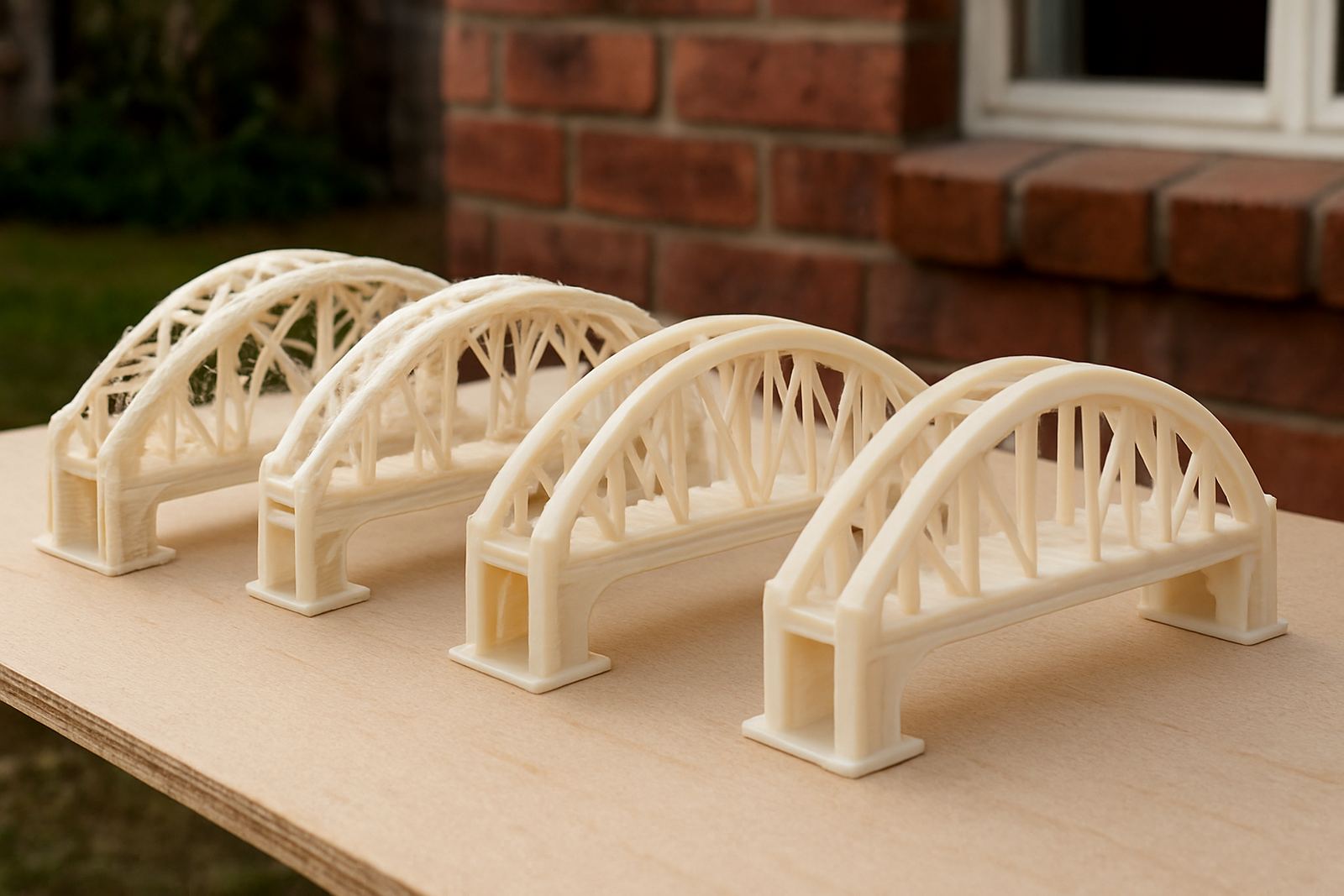
When filament has absorbed moisture, the water turns to steam in the hot end and can create small pops, bubbles and rough surfaces. You may also notice extra stringing between features, duller top layers and a print that looks fine at first then starts to behave inconsistently. If the spool has been open for weeks or months, or it has been stored in a garage, storeroom or near a loading bay, it is worth drying before a long print.
Signs your spool needs drying before printing
You do not always need special equipment to know when PETG needs attention. A quick inspection before printing can save time, material and a fair amount of frustration.
- Listen for light popping or crackling at the nozzle during extrusion.
- Check for fine bubbles or foam like texture in the printed line.
- Look for wispy strings where the printer should move cleanly between sections.
- Watch for inconsistent extrusion, especially on the first few layers.
- Feel whether the filament has become brittle, dusty or rough on the surface.
If the spool has been couriered through hot weather, or stored in a collection point for a while, it may also benefit from drying even if it still looks clean. The aim is not perfection, only to get the material back into a stable state for printing.
Simple drying method for workshop use
The safest way to dry PETG is with controlled, low heat and enough time for the moisture to leave the spool without softening the filament. Keep the temperature in a sensible range and avoid anything that creates hot spots. A steady drying cycle is better than trying to rush it.
For most spools, a few hours at a moderate temperature is a good start. If the spool has been exposed for a long period, or if you are printing from a coastal workshop in Somerset West or Stellenbosch where the air stays damp, it may need longer. Let the spool cool in a dry space before feeding it into the printer, otherwise moisture can condense again on the surface.
- Set the dryer or warming cabinet to a PETG friendly temperature.
- Place the spool so air can move around it evenly.
- Allow enough time for the full roll, not only the outside layers.
- Do not leave the spool in a hot car or direct sun to dry.
- After drying, keep it sealed until you are ready to print.
How to handle a damp spool before and after drying
Handling matters just as much as heat. If a spool is moved straight from a damp storeroom to the printer, it can pick up moisture again before the first print is finished. Keep your route from storage to printer as short as possible and avoid leaving the filament exposed on the bench while you set up the job.
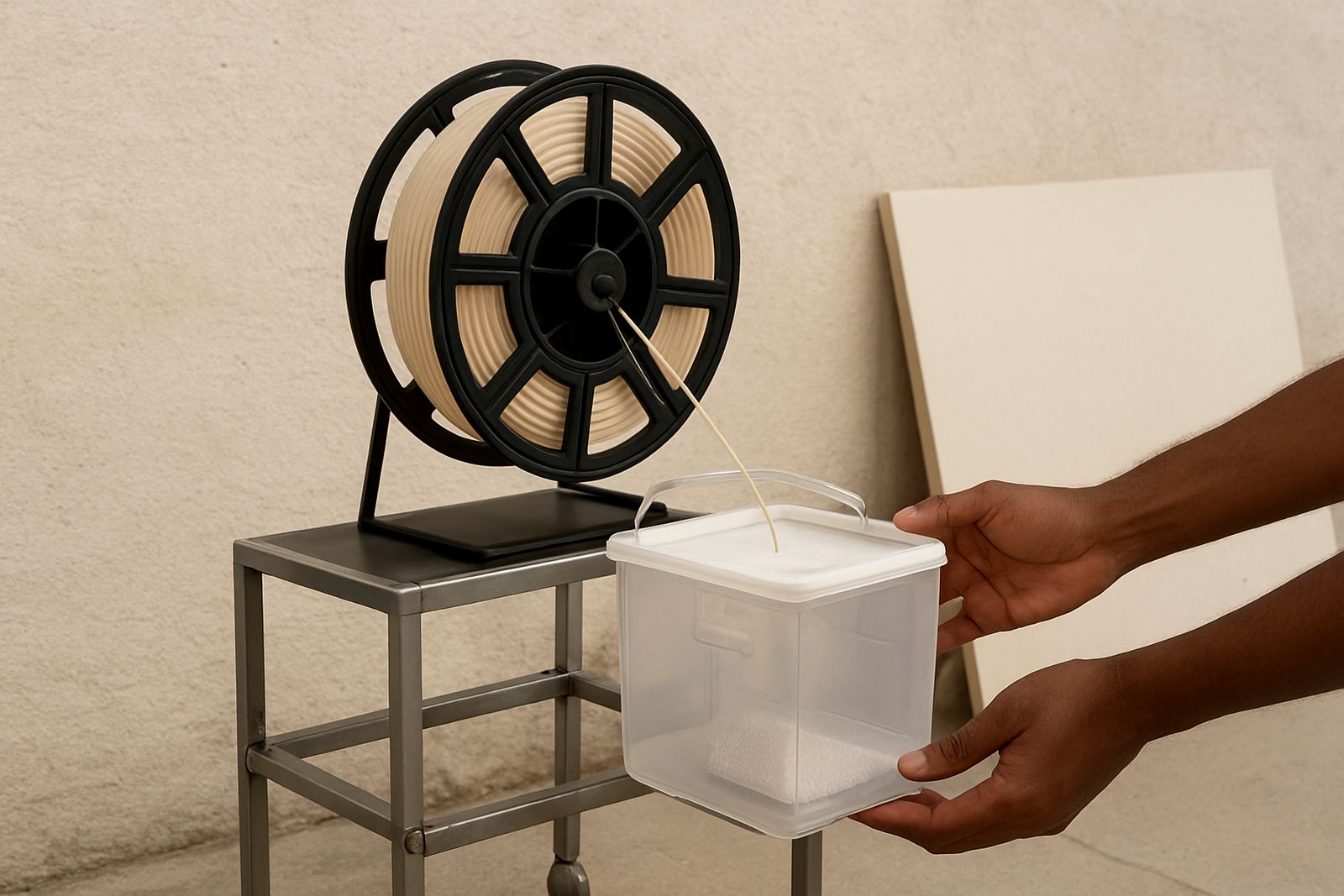
After drying, label the spool with the date and keep it in a sealed container, dry bag or cupboard with fresh desiccant. This helps if you run multiple materials in the same space and need to know which spool has already been treated. For long term storage, a sealed tote is usually better than leaving filament on open shelving near doors or windows.
- Return dry spools to sealed storage right away.
- Use desiccant packs that can be checked and replaced.
- Keep filament away from sinks, compressors and washing areas.
- Do not leave open spools in a vehicle overnight.
Printing after drying: settings and checks
Once PETG has dried, the printer should run more evenly, but it still helps to confirm your settings before starting a longer job. A clean nozzle, dry filament path and stable bed surface will all improve the result. If the material had been badly damp, run a short test print first to confirm the feed is consistent.
Keep an eye on retraction, print speed and cooling. Too much cooling can make PETG behave oddly, while too little can leave strings on fine details. The best setting will depend on the part, the machine and the room temperature. If the first test still shows steam like popping, the spool may need another drying cycle or the filament may have picked up moisture again in transit.
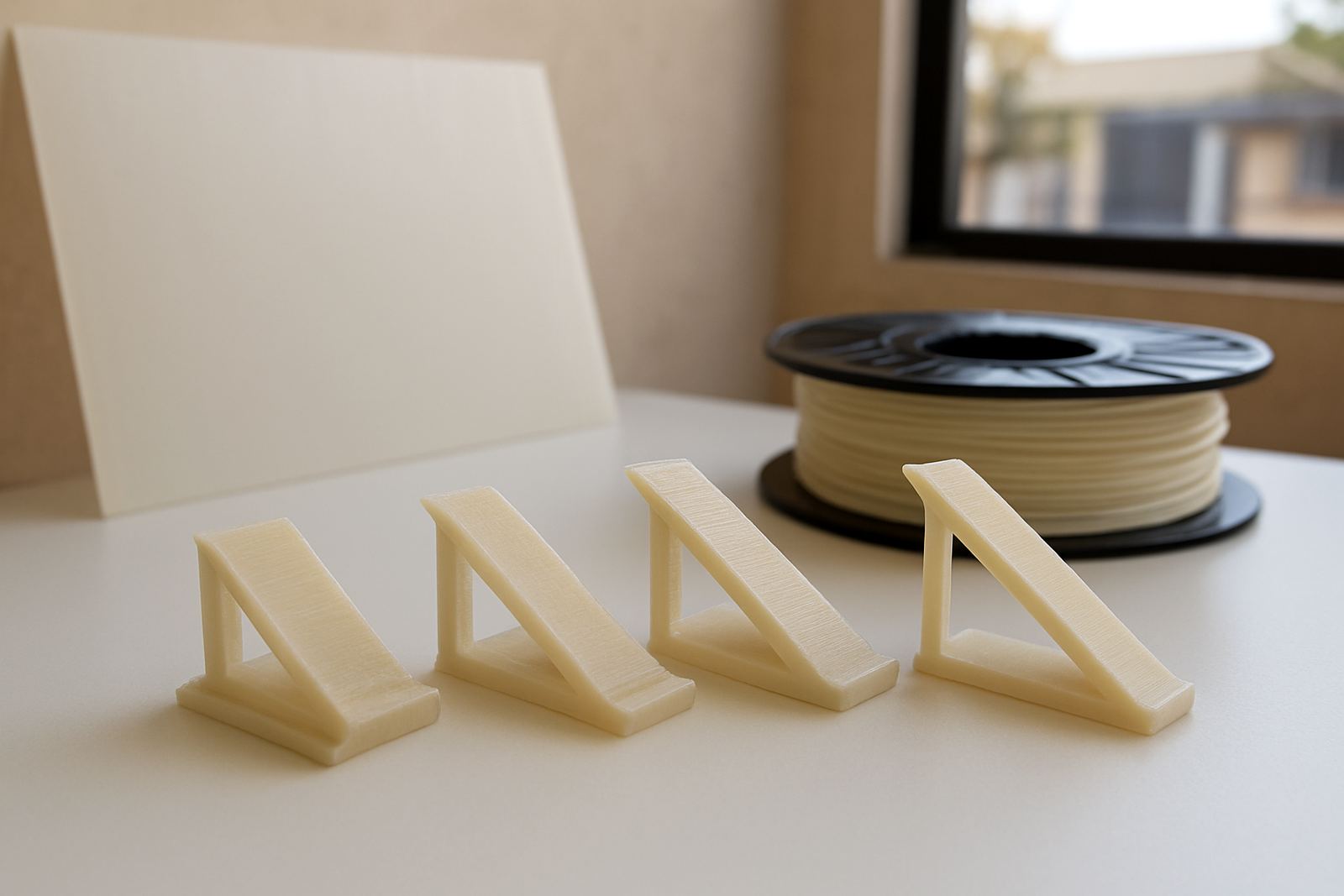
- Print a small test piece before committing to a full job.
- Check the first layer for smooth, even extrusion.
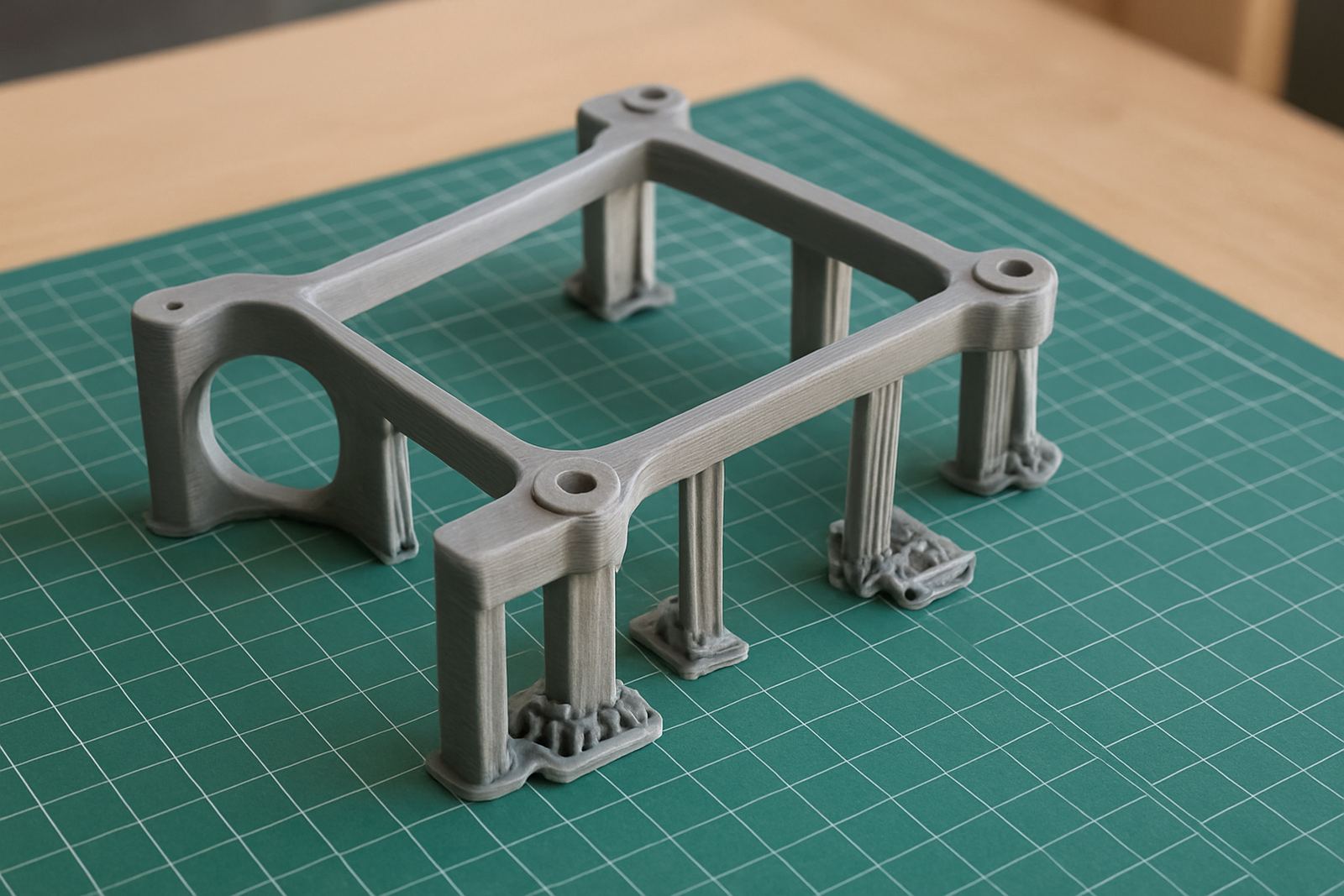
- Look at corners and thin walls for bubbling or drag marks.
- Adjust only one setting at a time so changes are easy to track.
Storage habits that keep PETG in better condition
Good storage reduces the number of drying cycles you need. In South African workshops, especially where the doors stay open for deliveries or cutting jobs, a simple storage routine can make a big difference. Keep unopened spools sealed until use, and keep opened spools off the floor where they can pick up dust and moisture.
If you are managing several spools for prototypes, production runs or small batch jobs, make storage part of the job card process. That way the next person knows if a spool has already been dried, used for a trial print or set aside for later. A little organisation saves time when orders are busy and the weather changes fast.
- Store spools in sealed bags or tubs when not in use.
- Keep them out of direct sun and away from damp walls.
- Write the drying date on the label or container.
- Separate fresh stock from open stock for easier control.
- Re dry only when the print quality tells you it is needed.