
What film left on means for your job
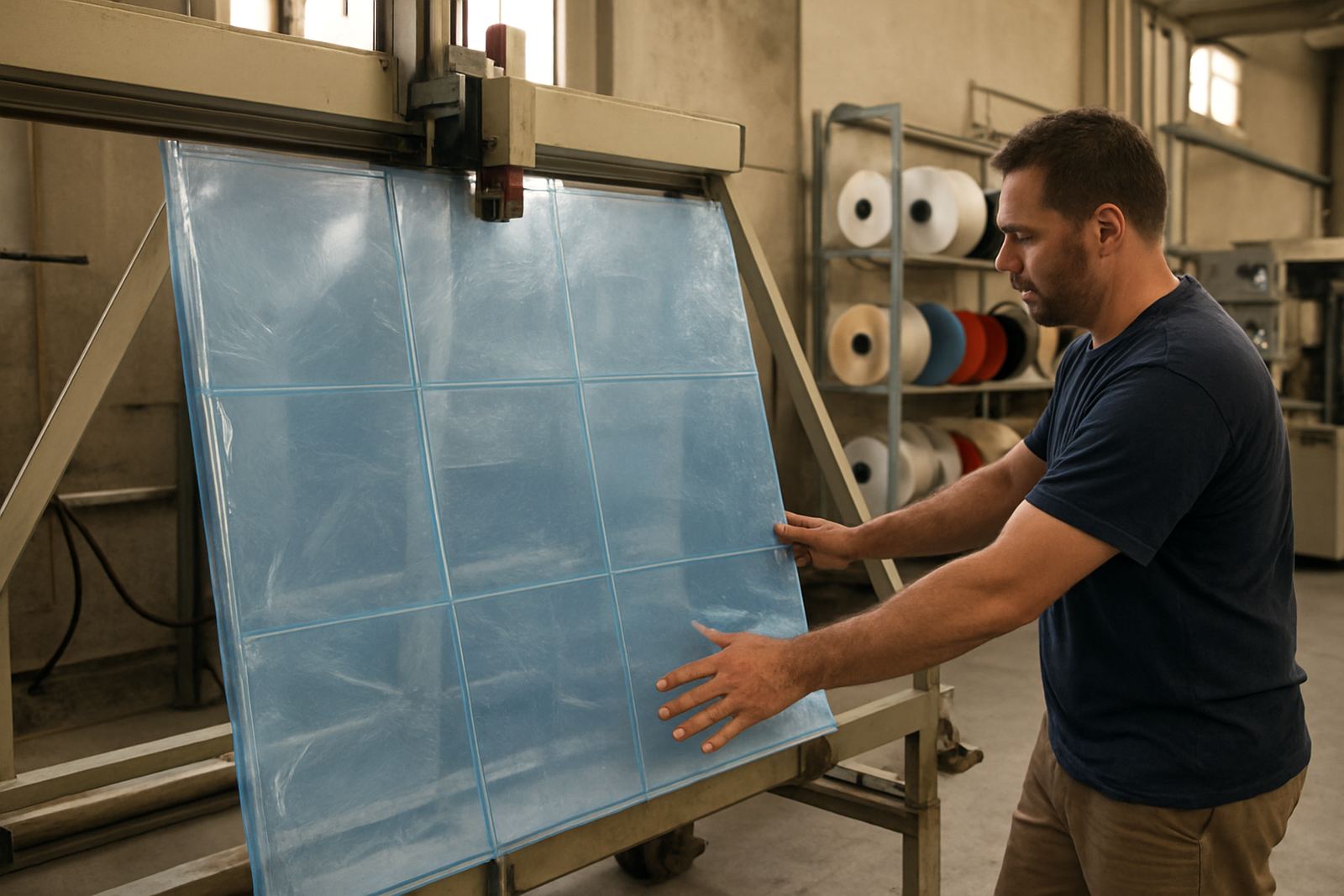
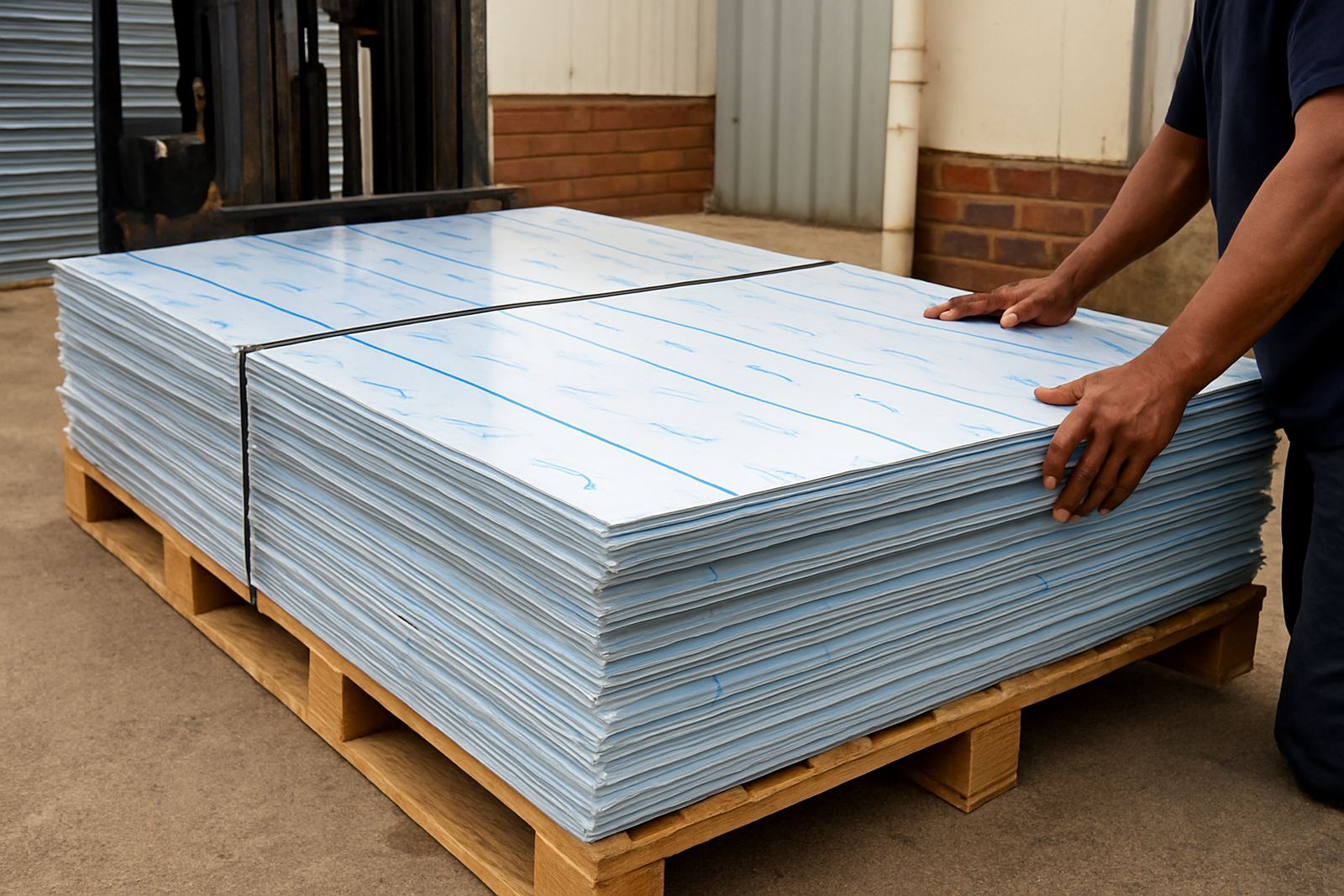
When we cut PETG sheet with the protective film left in place, the surface stays covered for most of the handling, measuring and transport stages. That helps reduce finger marks, scuffs and light scratches that can happen when sheets are moved through a workshop or carried on site in Cape Town, the Winelands or along the coast where dust and humidity can be a factor.
This service is best for customers who want neater presentation at installation, or who are working on visible parts such as guards, covers, displays, fabrications and interior fit-outs. The film is not a substitute for careful handling, but it does give an extra layer of protection during cutting and delivery.
- Suitable for PETG sheet orders cut to size
- Useful for visible faces that must stay cleaner during fitting
- Helps reduce handling marks from workshop movement and courier transit
- Can be requested for selected sides where the application allows it
How we prepare a film left on order
We start by checking the sheet thickness, size and the side that will face out after installation. If the job needs holes, edge work or marking, we plan the sequence so the film stays intact for as long as possible. On some jobs the film remains in place until final fitment, while on others it may be trimmed back where tool access is needed.
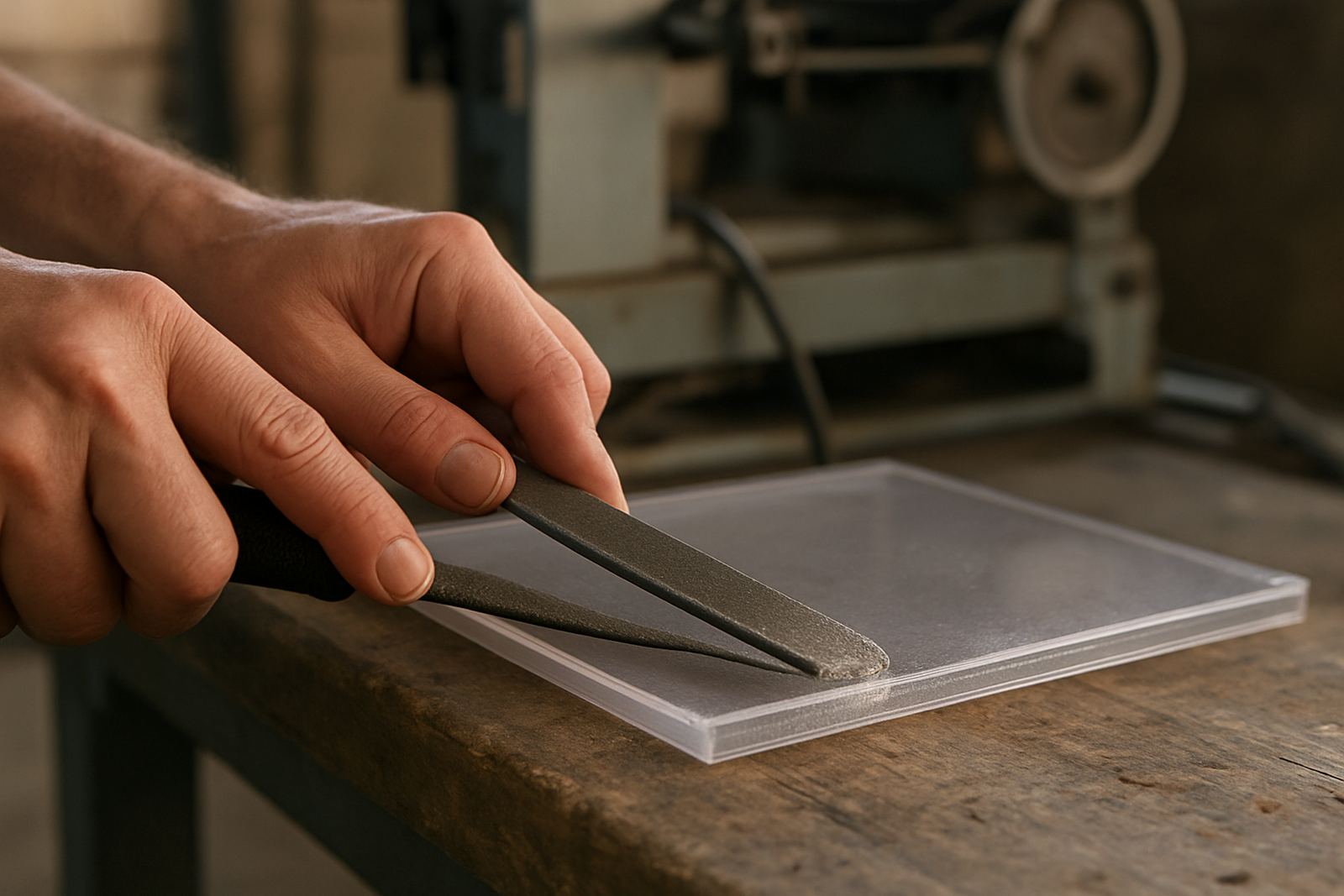
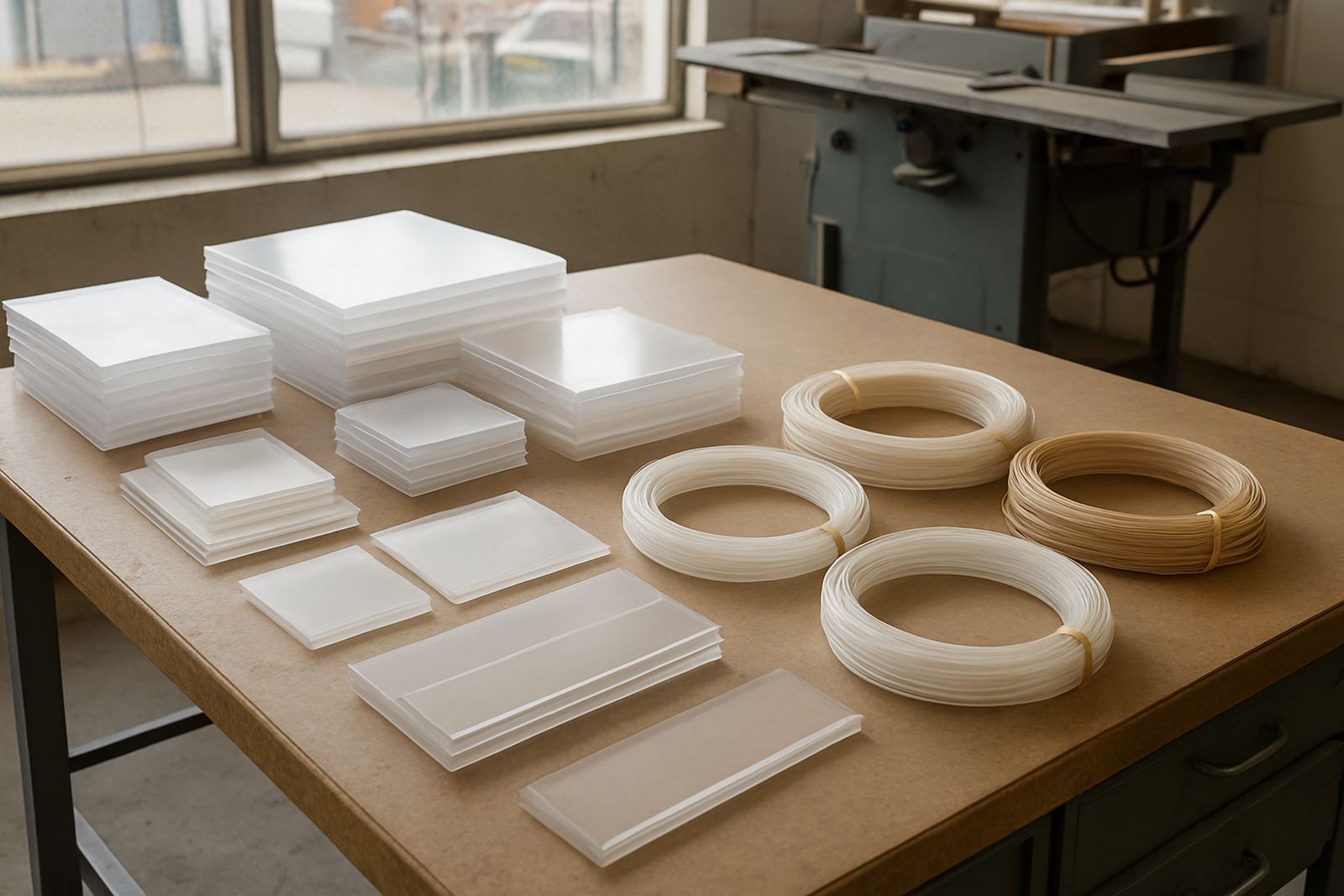
Our team in Epping handles straight cuts, custom sizing, strip cuts and panel work. If you need multiple pieces for a batch job, we will label the pieces clearly so the installer knows which face carries the film and which edges have been finished.
- Confirm sheet size, thickness and finished dimensions
- Check whether the film should stay on one side or both sides
- Cut, mark and label the pieces in job order
- Pack for collection or courier with the film protected from lifting
When film left on is the better choice
Not every order needs this option, but it is useful where the final appearance matters and the sheet will be exposed during fitting. It is also handy for repeat production runs where parts are stacked, moved and installed over several days. In coastal areas like Somerset West and Stellenbosch, the film can help keep dust and light salt exposure off the surface before final cleaning.
Film left on works well for customers who are doing their own installation and need time to position panels properly without worrying about minor marks from repeated handling. For some fabrication jobs, it also gives the fitter a cleaner surface to work against when measuring or aligning parts.
- Display pieces and presentation panels
- Machine guards and protective covers
- Retail and interior fit-out parts
- Short-run production where pieces are handled more than once
Turnaround, batching and collection options
Turnaround depends on the quantity, thickness and whether the order needs simple straight cuts or more detailed work. Smaller cut-to-size orders can often be turned around quickly, while larger batch work is scheduled in production slots so each sheet is cut accurately and kept in sequence. If you need collection in Epping, Montague Gardens, Bellville, Parow, Somerset West, Paarl, Stellenbosch or Claremont, we can prepare the job for the agreed collection point.
For nationwide filament orders, packing is separate from sheet cutting, but the same attention to order accuracy applies. Where possible, we keep the film undisturbed until the parts are handed over or packed for courier delivery.
- Small orders: often same day or next working day, depending on queue
- Batch orders: scheduled to suit quantity and cutting requirements
- Courier orders: packed for dispatch after final checks
- Collection orders: ready for pickup once the job is confirmed
Pricing approach and what affects the rate
Pricing is based on the sheet size, thickness, number of cuts and the amount of handling needed to keep the film in good condition. Simple straight cuts with film left on are priced differently from jobs that need strip cutting, panel cutting, hole marking or deburring. If you need several pieces from the same sheet, we work to reduce waste where practical, which helps control cost.
We quote according to the actual job, not a one-size-fits-all table. That means you get a fair price for the sheet size and finish level you need, whether the order is for one panel or a production batch.
- Sheet thickness and overall sheet size
- Number of cuts, marks and finished edges
- Single order versus repeat batch work
- Packing and courier requirements for out of town delivery
Care and maintenance after fitting
Once the sheet is installed, the film should be removed carefully at the point recommended for the job. Leaving it on too long can make removal harder, especially if the sheet is exposed to heat, direct sun or adhesive residue during site work. For outdoor or semi-outdoor use around the Western Cape, it is best to remove the film once the part is fixed in position and the surrounding work is done.
For maintenance, use a soft cloth and mild cleaning solution. Avoid abrasive pads and harsh solvents. If the sheet is in a high-touch area, plan regular cleaning intervals so dust, build-up and fingerprints are dealt with before they become visible. In factories or workshops, weekly wiping is often enough, while public-facing panels may need cleaning more often.
- Remove film after installation unless the job specifically requires later removal
- Use non-abrasive cleaning products only
- Check edges and corners during the first week after fitment
- Schedule cleaning based on use, dust levels and sunlight exposure
Key facts
| Material | PETG sheet with protective film in place during cutting and packing |
|---|---|
| Typical thicknesses | Common cut-to-size sheet stock from 1.5 mm to 10 mm, depending on availability |
| Cut size range | From small parts to full panel sheets, based on job requirements |
| Finish options | Film left on, straight cuts, custom sizing, edge deburring and hole marking |
| Collection and delivery | Collection in Epping and nearby areas, courier available nationwide |
| Best use cases | Visible panels, guards, covers, display parts and installation jobs where reduced handling marks matter |