
What our job labelling includes
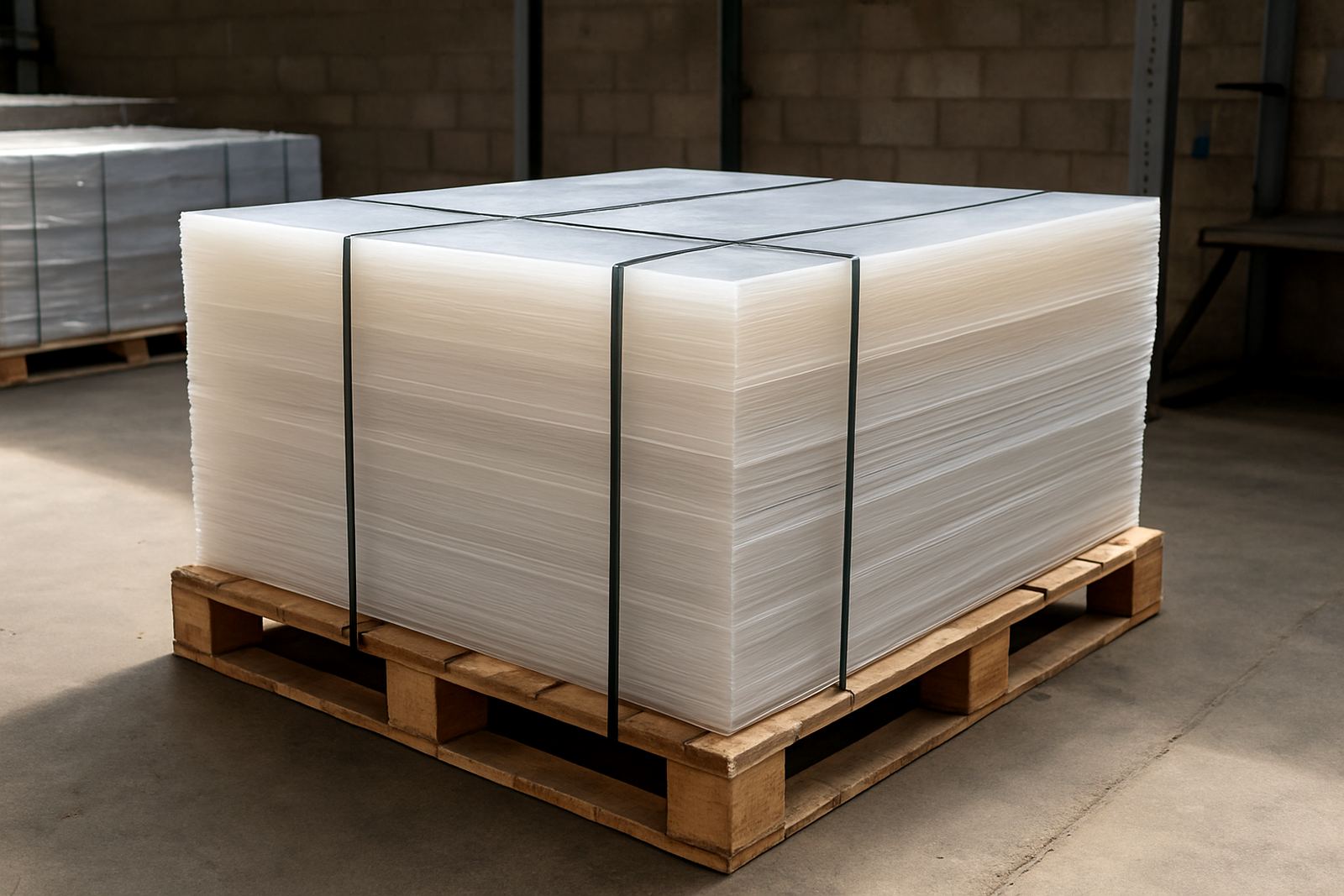
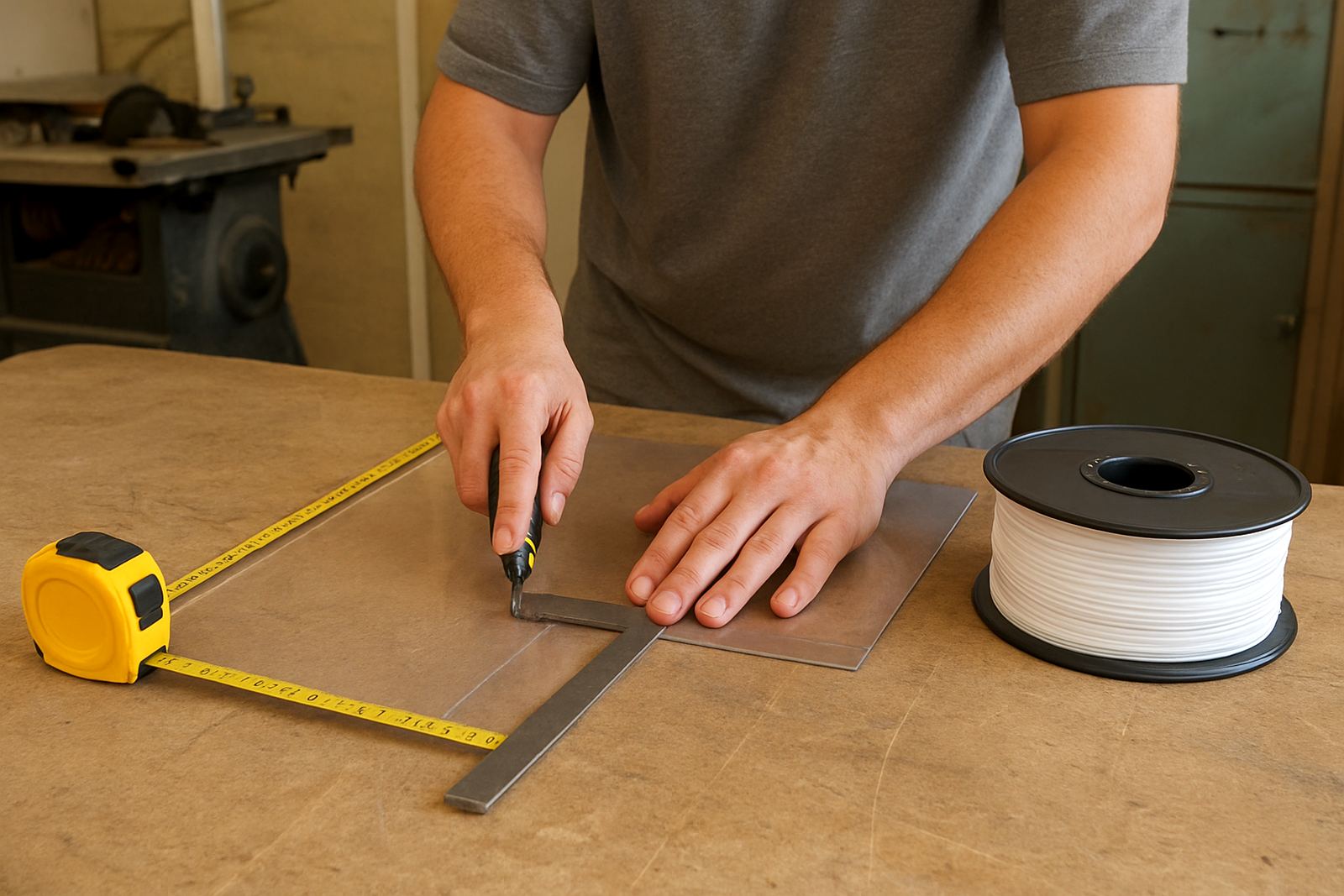
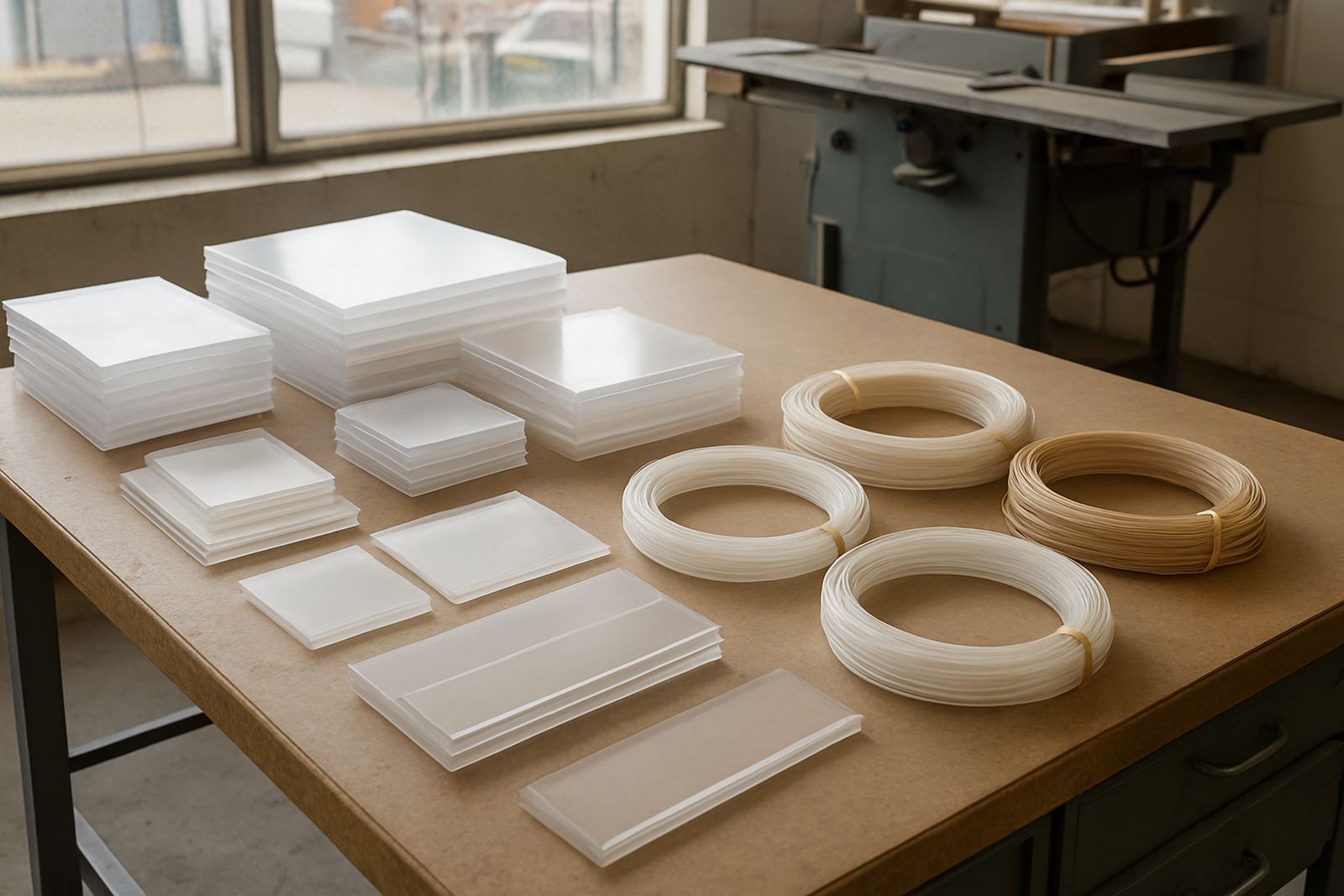
Job labelling is added to your cut sheet order so each part, pack or bundle is marked in a way that makes sense on your side. We can label individual pieces, grouped parts, cartons, pallet loads or courier packs, depending on how the job is being used. If you need a part number, size, quantity, colour note or drawing reference on the label, we can build that into the cutting ticket before the job leaves our Epping base.
The aim is simple. Your team should be able to open a box, see the count and start sorting without guessing. That matters for sign makers, fabricators, workshop teams and installers working under time pressure, especially when more than one size or thickness is on the same order. It also helps when a client sends parts to Bellville, Claremont or Somerset West and wants them separated for different bays or branches.
- Part codes and item names
- Sizes in millimetres or metres
- Quantity per bundle or carton
- Project name or job reference
- Orientation marks for matching parts
- Separate labels for offcuts where required
How the labelling process works
We start with the details on your enquiry form and confirm how the parts need to be split. For some jobs, a single label on each bundle is enough. For others, especially mixed sheet orders or small batch cutting, we label every part so nothing gets mixed during packing or delivery. If you are collecting from Epping, Montague Gardens, Parow or Stellenbosch Collection, we can set the job out in a way that makes loading and unpacking easier on site.
Once the cutting plan is confirmed, our team applies the labels during sorting and packing. The labels stay visible on arrival and are placed where they can be read without unwrapping everything. If film is left on the sheet, we make sure the label sits in a spot that does not interfere with the usable area. When hole marking, edge deburring or panel cutting is part of the order, the label notes are matched to the finished pieces so the job can be checked quickly.
- Confirm the part list and any grouping rules
- Assign clear item names, counts and sizes
- Cut, sort and stack the parts in order
- Apply labels to bundles, cartons or individual pieces
- Pack for collection or courier with the labels visible
When clear labels save time on site
Clear labels help most when an order contains several parts, repeated shapes or mixed materials. A workshop in Cape Town may have one installer on the road and another person unpacking at the yard, so the label has to carry enough detail to keep both sides on track. It also helps when a customer is working around load-shedding and wants to keep the power tools running only for the final fitment, not for sorting and re-checking every item.
For repeat production jobs, labels also reduce waste. If the same cut list is used week after week, the team can spot a change immediately instead of finding out after assembly that one panel is missing or one strip is the wrong length. That is useful for display work, fabrication, retail fittings and prototype runs where a small error can hold up the whole build.
- Mixed sheet jobs with different sizes or thicknesses
- Installations where parts are unpacked by a separate team
- Couriered orders that pass through more than one set of hands
- Recut and repeat work where the same code is used often
- Jobs with offcuts that need to be kept for later use
Turnaround times for labelled orders
Turnaround depends on the size of the order, the number of labels needed and whether the job is collected or couriered. Straightforward labelled cutting jobs can often be turned around quickly, while large batch cutting or jobs with many part variations need a little more time for sorting and checking. If you have a deadline for a store opening, a production run or a site fitout, tell us early so we can plan the cutting and packing sequence properly.
In practice, the labelling step is built into the job from the start rather than added at the end. That means the time is spent once, during cutting and packing, instead of later in your workshop when your team is trying to figure out bundles and counts. For nationwide courier orders, we also allow time for packing the labelled parts securely so the labels stay legible after transport.
Where possible, we will advise if your order would benefit from splitting into separate packs by size, thickness or destination. That can save time at delivery and helps avoid damage in transit, especially for larger sheets or orders going to coastal areas where humidity can affect how quickly cartons need to be opened and stored.
Pricing approach for labelling
Labelling is priced according to the amount of work involved, not as a one size fits all add on. A simple bundle label on a small order costs less than a full part by part labelling job on a multi sheet cut list. The main factors are the number of items, the amount of sorting required, the detail on each label and whether the order needs special packing for courier delivery.
We keep pricing practical. If a customer only needs basic identification, we do not load the job with unnecessary steps. If the job needs repeated labels, counting checks and separate cartons for different branches, we quote for that work upfront so there are no surprises when the order is ready. This is especially useful for manufacturers and designers who need to compare costs across several projects in the same month.
- Single label per carton or bundle for simpler jobs
- Part specific labels for mixed cutting orders
- Extra sorting time for repeated or multi destination packs
- Optional courier packing when the order is going nationwide
- Pricing aligned to quantity, complexity and packing method
Keeping labels readable over time
Labelling works best when it stays readable from the workshop to the final assembly point. For indoor storage, most labels hold up well if cartons are kept dry and out of direct sun. For coastal and humid areas like Cape Town, Somerset West or Stellenbosch, it is worth opening and storing the parts soon after delivery so the labels and packed sheets stay in good condition.
If you keep repeat stock or reuse labelled packs, check the labels at regular intervals and replace any that have faded, lifted or become dirty. As a rule, review your label format every 6 to 12 months, or sooner if your part codes, packing method or drawing references change. That small check keeps your ordering system tidy and avoids confusion when the next batch comes in.
For clients who collect from our branches and collection points, we can also keep the labelling style consistent across future jobs. That means the same naming pattern, same count format and same pack sequence each time, which makes life easier for your store room or production team.
Key facts
| Service area | Cape Town base with sheet collection in Epping and couriered filament nationwide |
|---|---|
| Label types | Part codes, bundle labels, carton labels, job references and orientation notes |
| Best for | Mixed cut sheet orders, repeat production, installations and couriered packs |
| Typical formats | Millimetres, metre counts, quantities per bundle and project names |
| Packing options | Visible labels, separate packs, offcut grouping and courier ready cartons |
| Review interval | Check label format every 6 to 12 months or when the job spec changes |