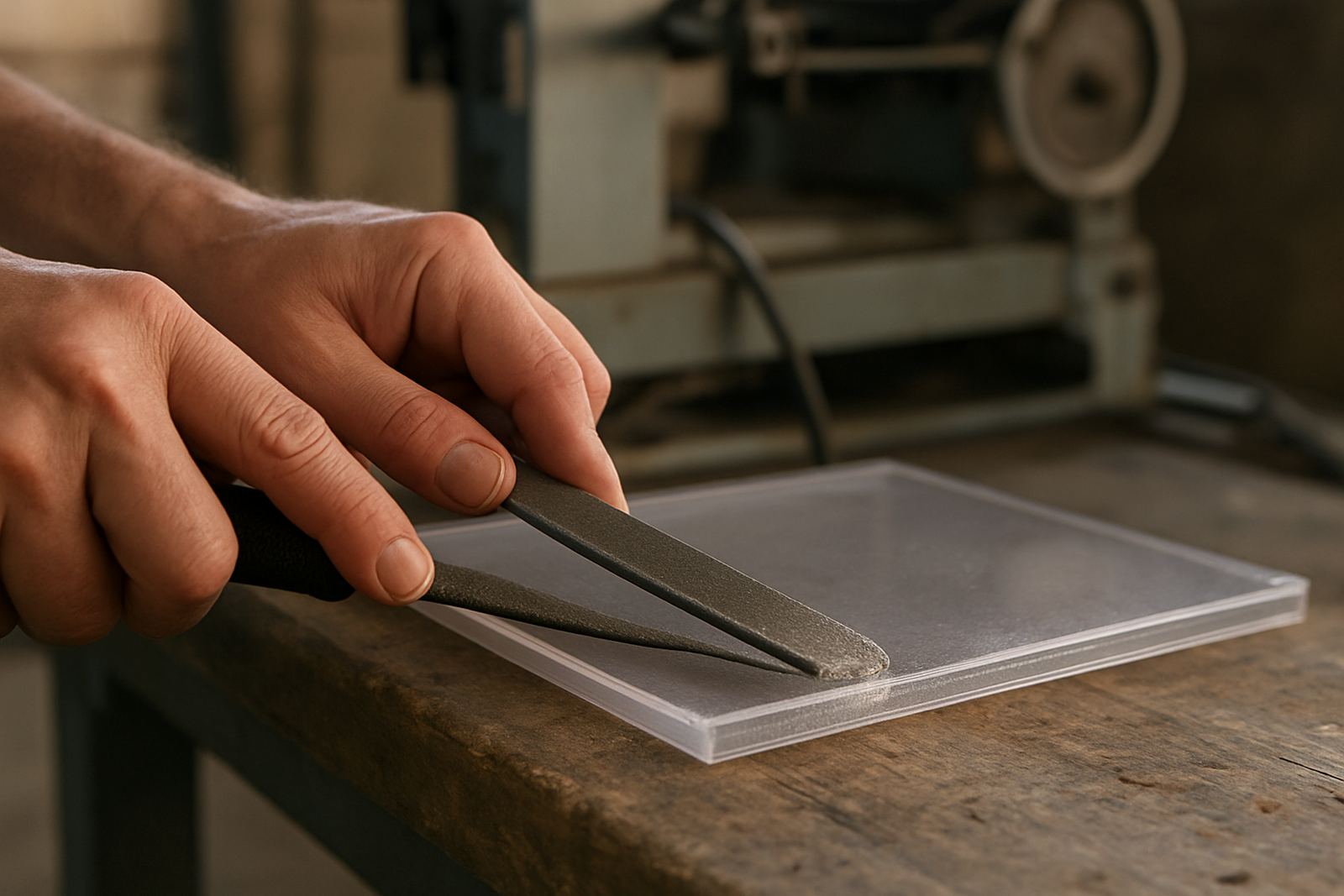
What edge deburring includes on PETG sheet orders
Edge deburring is a careful clean-up of the cut edge after straight cuts, strip cuts, panel cuts or custom sizing. It removes fine burrs, small chips and raised slivers that can catch on packaging, gloves or installation surfaces. The aim is not to round the sheet heavily. It is a light finishing step that leaves the panel easier to handle and neater at the point where it will be assembled, bonded or fitted.
This service is useful on clear and coloured PETG sheets used for guards, covers, displays, partitions, fabrication parts and prototype work. It is especially practical where the sheet will be handled often, moved through a workshop, or installed in a public facing area where clean edges matter.
- Suitable for sheet thicknesses commonly from 1 mm to 12 mm, depending on the job
- Applied after cutting, before packing or collection
- Can be combined with film left on, hole marking and courier packing
- Intended for handling safety and appearance, not structural reshaping
How we carry out the finishing process
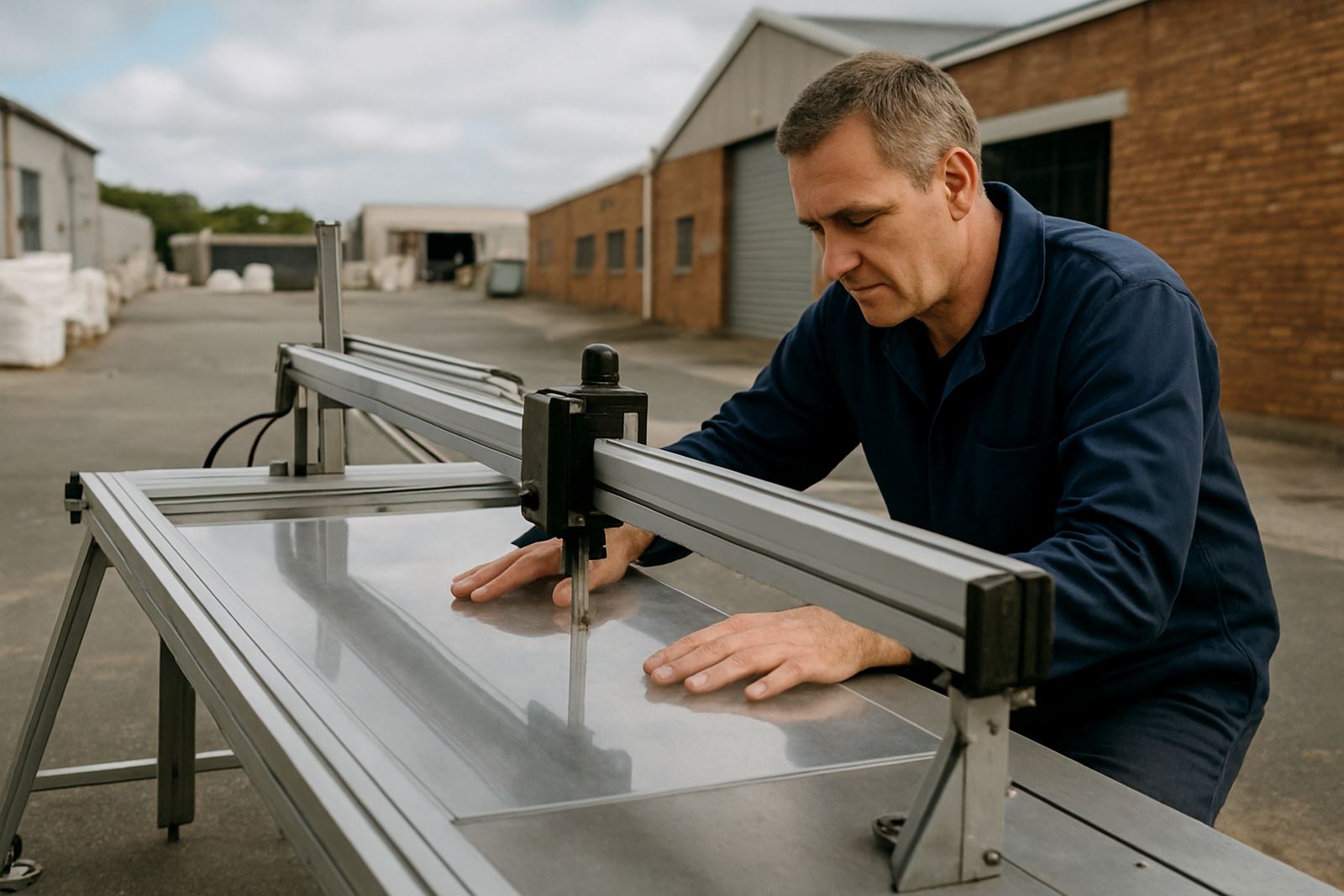
Each order starts with the cut size and the edge condition you need. Some jobs only need a very light pass to remove fine burrs. Others need a fuller clean-up on longer edges, corners or repeated batch pieces. Our cutting technician checks the sheet, marks the sections that need attention and works through them in a controlled sequence so the finish stays consistent from piece to piece.
The process is practical and measured. For larger sheets or thicker material, we keep the work steady to avoid heat build-up, whitening on the edge or uneven contact marks. When the sheet has protective film, we can leave it on where needed so the face of the sheet stays cleaner during handling. That is useful on displays, fabricated panels and jobs that will still be drilled, routed or bonded after delivery.
- Inspection of cut edges and corners
- Light burr removal and smoothing
- Edge check for chips, rough spots and handling points
- Labelling for batch identification and job tracing
Where deburring helps most in real workshop use
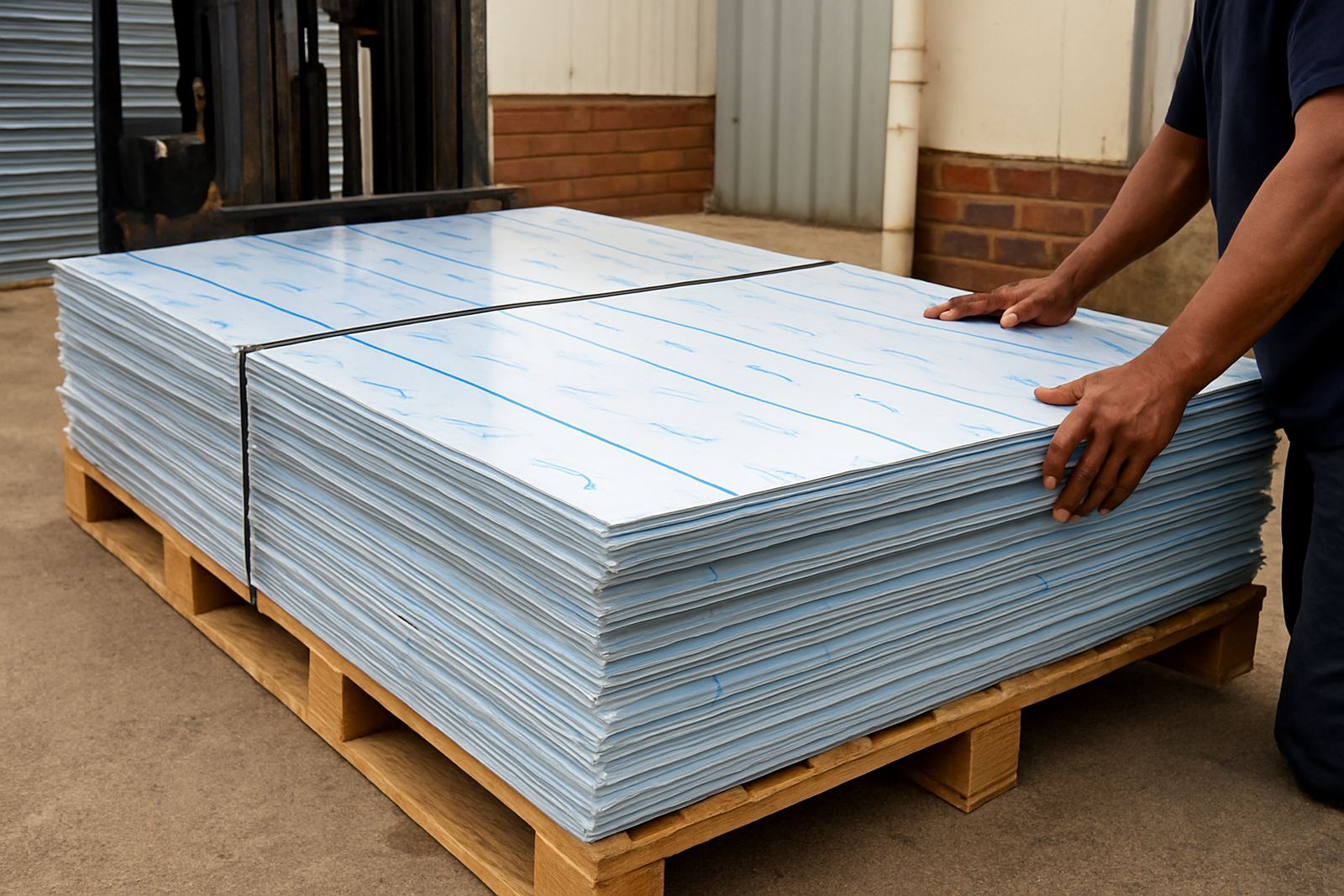
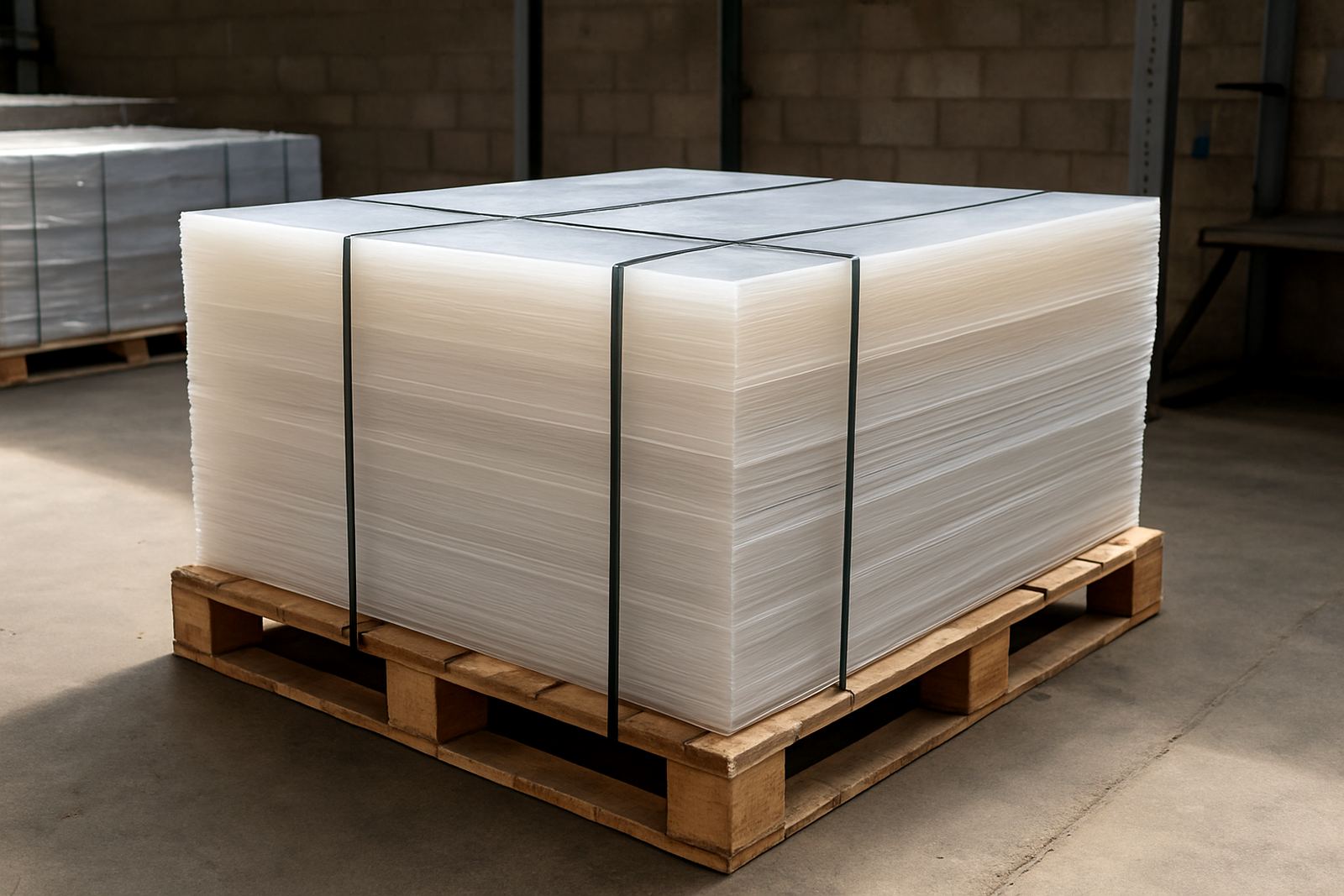
In Cape Town, Stellenbosch and Paarl, many workshops want neat material that can go straight into the next stage without extra touch-up. Deburred edges help when the sheet is being fitted in humid coastal conditions, stored in stacked bundles, or moved between fabrication, transport and final installation. It also helps in retail and office fit-outs where clients can see the edge of the material up close.
For manufacturing and prototyping, the main benefit is handling comfort. A deburred edge reduces the chance of cuts during assembly, sorting and sign-off. It also makes the final piece look more deliberate, especially on visible panels, machine guards and presentation parts where rough edges would stand out.
- Better handling for installers and workshop staff
- Cleaner visual finish on exposed edges
- Less snagging on film, packaging and gloves
- Useful for repeated use parts and client-facing pieces
Turnaround for single pieces and batch work
Turnaround depends on the number of sheets, the thickness and whether the job includes custom sizing, hole marking or courier packing. Small orders with simple edges can often move quickly, while larger batch work needs a proper slot in the cutting queue. We work from Epping, so collection from nearby areas like Montague Gardens, Bellville, Parow, Somerset West, Claremont, Stellenbosch and Paarl can be arranged around the job plan.
For urgent work, it helps to give the sheet size, thickness and quantity up front. That lets the team assess the cutting time and any edge finishing needed before the job enters production. If a sheet is destined for courier delivery, the finish is checked again before packing so the edges arrive in usable condition. Load-shedding can affect workshop timing, so we plan orders with that in mind and keep clients updated through the enquiry process.
- Small jobs: often same day or next working day, depending on queue
- Batch jobs: scheduled by quantity and finish requirements
- Courier orders: packed after final inspection and labelling
- Collection options available from Epping and selected nearby areas
Pricing approach for edge deburring
Pricing is based on the cut length, sheet thickness, quantity and the level of finishing needed. A light burr removal on a few short edges costs less than a full batch of large panels with multiple sides to clean. If the order includes straight cuts, panel cuts, strip cuts or custom sizing, edge deburring is quoted as part of the full job so there are no surprises at collection or dispatch.
We prefer clear measurements and a simple drawing or cutting list where possible. That helps us price accurately and avoid delays. For repeat clients, batch pricing can be worked out for regular production runs, which is useful for shops, workshops and manufacturers that need the same finish every week or month.
- Quoted per job, not by guesswork
- Factors include thickness, quantity, edge length and finish level
- Batch pricing available for repeat work
- Courier packing and job labelling can be added where needed
Maintenance intervals and when to request a fresh clean-up
Edge deburring is usually a once-off finishing step at the time of cutting. It does not wear in the same way as a moving part, but the need for a fresh clean-up can come up if the sheet has been reworked, trimmed again, dropped, or stored badly. If a panel is used in a dusty warehouse, coastal air or a busy installation site, the edges may collect grime and need another light pass before final assembly.
For repeated production, it is worth checking the edge condition every time a part is recut or resized. If the panel is reused, and the edge has become rough from handling or drilling, a small clean-up can restore the finish quickly. For high-use parts in manufacturing and design, that keeps the material easier to handle and reduces the chance of snagging during the next stage of work.
- Best done immediately after cutting
- Revisit after recutting, drilling or transport damage
- Check stored sheets before final installation
- Useful for repeat jobs in dusty or humid environments
Key facts
| Service | Edge deburring for PETG sheets |
|---|---|
| Material range | PETG sheets from 1 mm to 12 mm typically |
| Finish level | Light burr removal and edge clean-up |
| Compatible services | Straight cuts, custom sizing, strip cutting, panel cutting |
| Fulfilment | Epping collection and nationwide courier for filament orders |
| Job options | Single sheets, small batches and larger production runs |