
Project brief from a Stellenbosch design workshop
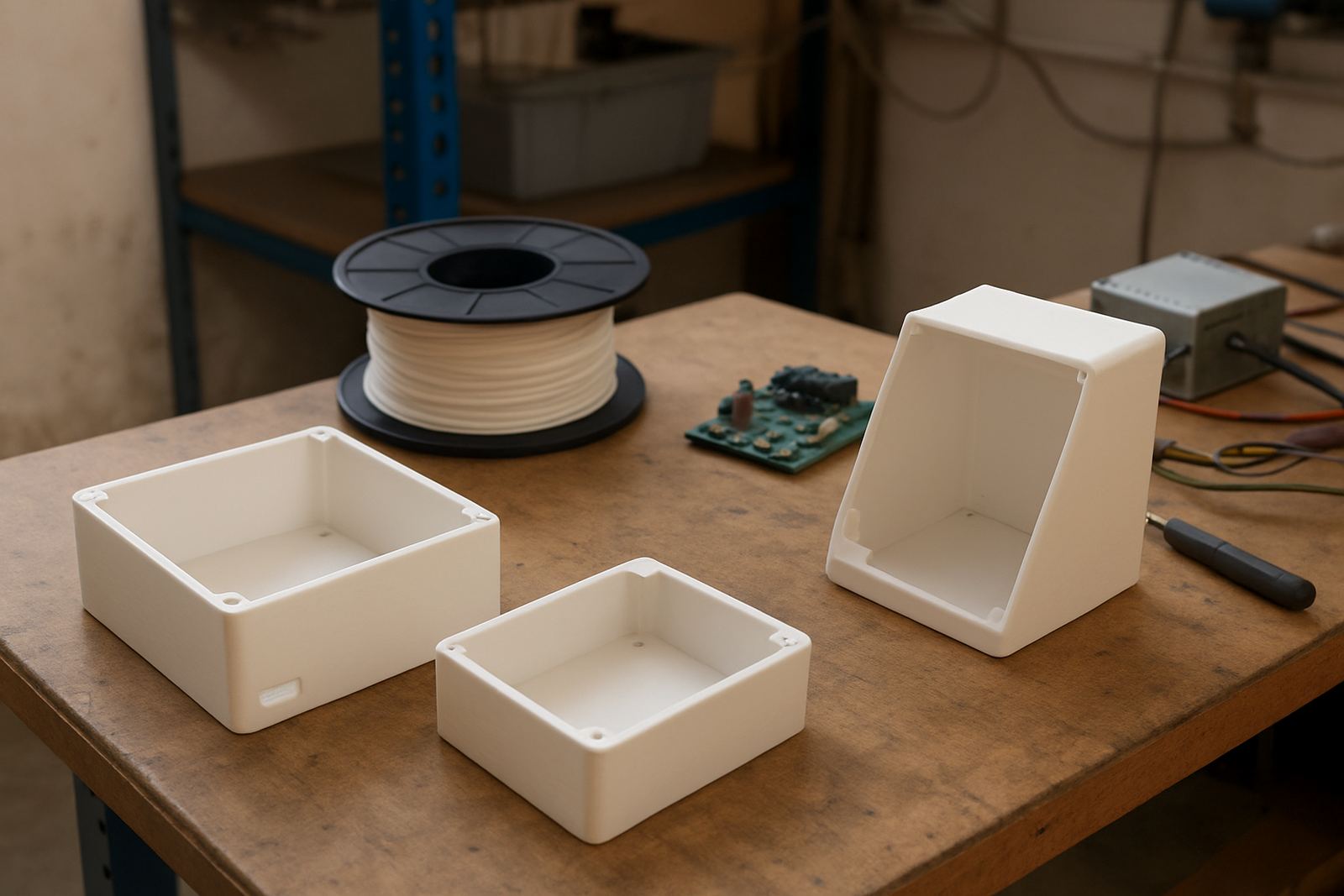
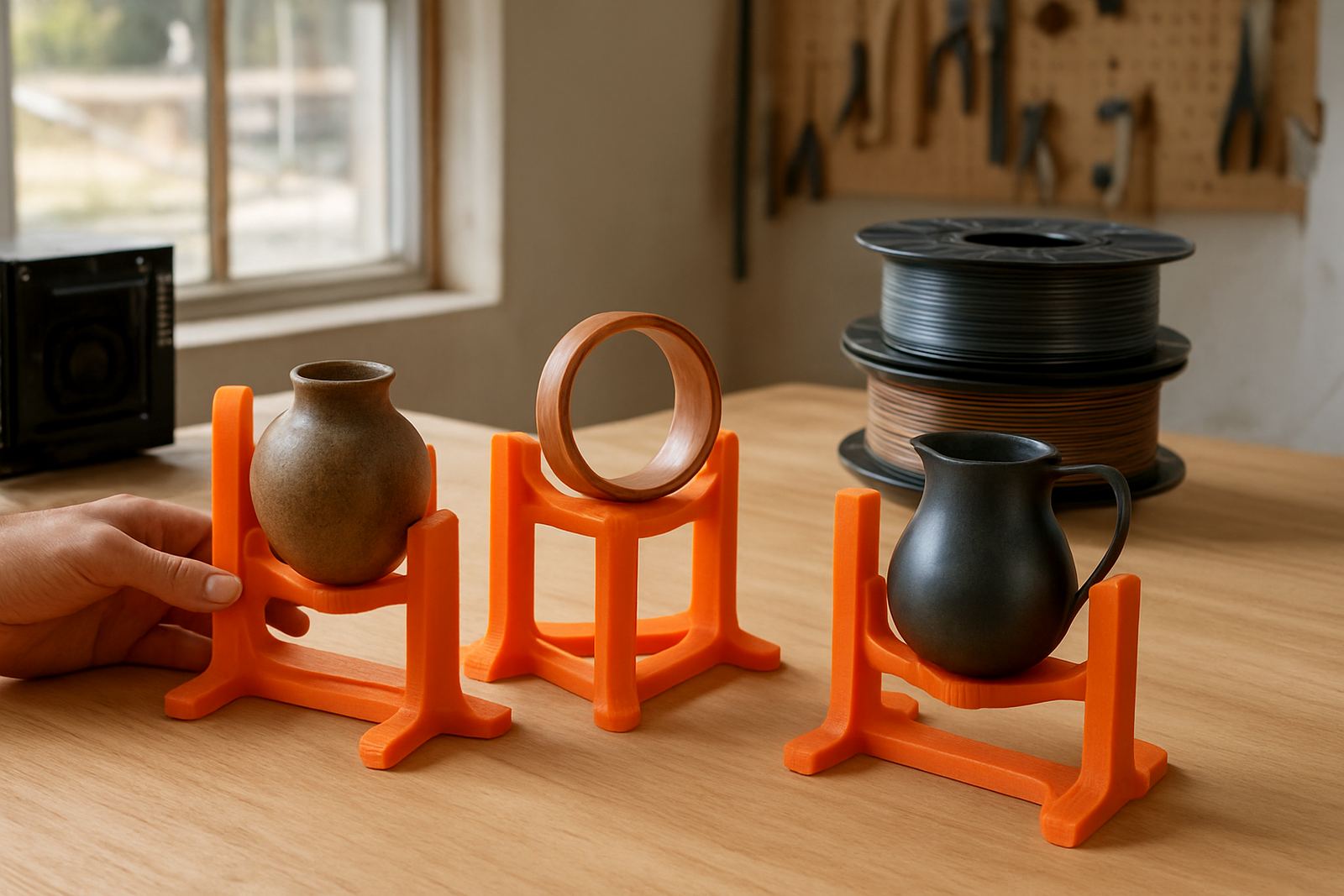
The brief was straightforward but exacting: produce custom assembly jigs for a small design studio that runs light manufacturing and prototype work in Stellenbosch. The team needed parts that could be printed in-house, used across multiple stations, and trusted for consistent fit when operators were assembling components by hand. The jigs had to stand up to repeated clamping, sliding and repositioning without becoming brittle after a few weeks.
Because the workshop works in a compact space and often shifts between jobs, the client wanted a single filament choice that would give a good balance of strength, print stability, and ease of handling. The prints also had to look clean enough for client-facing samples, so the material colour and surface finish mattered as much as the mechanical performance.
- Client type: design studio workshop
- Town: Stellenbosch
- Use case: custom assembly jigs
- Material supplied: grey PETG filament
Why PETG was the right fit for the job
For this application, PETG made sense because it offers good toughness without the brittleness that can show up in lighter-duty plastics. Assembly jigs often get knocked, dropped, and re-clamped, so a material that keeps its shape under regular use is important. In a workshop where parts may sit near windows, tool benches, or warm print beds during load-shedding recovery, that extra stability is useful too.
Grey was chosen so the jigs would be easy to identify on the bench, while still keeping a neutral working appearance. It also hides handling marks better than very light colours, which helps when a jig is being used by different people across the week. The studio was looking for material that would print reliably at standard workshop settings and not need constant adjustment between runs.
- Material: PETG filament
- Colour: grey
- Benefit: better impact resistance than brittle general-purpose plastics
- Practical point: suitable for repeat handling in a workshop environment
Supply details and print-friendly specs
We supplied filament sized for the studio's production plan and kept the advice focused on what would matter at the printer. The client was not after decorative parts, just clean, repeatable jigs that could be reprinted as the workflow changed. That meant we discussed nozzle temperature range, bed adhesion, and cooling balance for their machines, plus a few settings that help PETG release cleanly without stringing becoming a problem.
The order was prepared for straightforward use in a working studio, with clear labelling so the team could identify the spool and job purpose quickly. We also kept the supply practical for a space where several people may handle the same material over a week. Nothing flashy, just the right stock for the job.
- Material form: 3D-printing filament
- Primary use: custom jigs and assembly aids
- Handling note: suitable for everyday workshop use
- Support given: material advice for print settings and part behaviour
Cutting, packing and courier turnaround
The project moved from enquiry to supply in two weeks, which suited the studio's production calendar. Our team arranged the order, confirmed the practical requirements, and packed the filament for courier delivery from Cape Town to Stellenbosch. The focus was on getting the material to the workshop in good condition and ready for immediate printing, with no unnecessary repacking at their end.
Where clients need fast turnaround, the small details matter: job labelling, secure packing, and enough information to avoid confusion once the spool lands in the workshop. For this project, the filament was couriered nationwide standard from our Epping base, and the client received it in time to move ahead with the jig run without delaying assembly work.
- Timeline: 2 weeks from brief to supply
- Dispatch: couriered from Epping, Cape Town
- Support included: job labelling and courier packing
- Delivery area: Stellenbosch
Workshop results after the first batch
Once the first jigs were printed and trialled, the studio could standardise a few assembly steps that had previously relied on hand alignment. The parts held dimensions well enough for repeated use, and the grey finish made it easy for the team to spot each jig quickly on the bench. That saved time during changeovers and helped reduce small errors when several jobs were moving at once.
The client also appreciated that the material was practical in a South African workshop setting where the power can be inconsistent and print jobs may need to be resumed around load-shedding. Having a filament that behaves predictably matters when a printer is being used early morning or after-hours. The jigs did what they were meant to do, which is usually the best sign on a production floor.
- Outcome: better repeatability in assembly
- Result: quicker identification of jigs on the bench
- Benefit: cleaner, more consistent fit during use
- Workshop value: less time spent rechecking hand alignment
What we would supply again for a similar project
If another Stellenbosch studio came with the same kind of brief, we would take the same approach: confirm the end use first, then match the filament to the way the parts will be handled. For assembly jigs, the key is to keep the material choice practical and not overcomplicate the spec. Grey PETG remains a strong option when the job needs decent stiffness, a tidy surface, and enough toughness for daily use.
We would again recommend clear job labelling, a small test batch before a larger run, and a direct conversation about how the jigs sit in the workflow. If the parts are used near warm equipment, in a coastal area, or in a shared workshop with lots of handling, those details shape the result. The same applies whether the order is collected in the Cape Town area or sent out to other parts of the country.
- Best next step: print a short test run before full production
- Good practice: check fit against the actual assembly process
- Useful habit: keep spare labelled spools for repeat jobs
- Local note: account for workshop conditions like humidity and power interruptions
Key facts
| Project | Stellenbosch Studio Jigs |
|---|---|
| Client type | Design studio workshop |
| Town | Stellenbosch |
| Material | Grey PETG filament |
| Timeline | 2 weeks |
| Supply method | Couriered nationwide from Epping, Cape Town |