
Brief for a Durbanville architectural presentation
The brief came from a local design team preparing a high-end residential presentation for a Durbanville property. They needed a model that would read clearly in a client meeting, with crisp edges, accurate proportions and enough finish quality to stand up close inspection. The model had to show the house massing, roof forms, glazing zones and selected site details without looking busy.
We were asked to supply PETG sheet for the main structural and presentation elements, plus filament for printed detail parts used in the smaller components. The team wanted material that would handle repeated handling during the presentation process and not chip easily when trimmed or assembled. Colour consistency mattered too because the model would be viewed under indoor lighting, and slight variation would have shown up straight away.
- Project type: architectural model for a Durbanville house presentation
- Material used: PETG sheet and 3D-printing filament
- Primary aim: neat finish, accurate detail and handling strength
- End use: client presentation and project sign-off meeting
Why PETG suited the model work
PETG was chosen because it offers a good balance between rigidity and ease of handling. For architectural models, that matters more than people realise. A sheet that cuts cleanly, stays flat and does not crack at a corner saves a lot of time during assembly. It also gives a tidy edge once trimmed, which helped the model builder avoid extra sanding and rework.
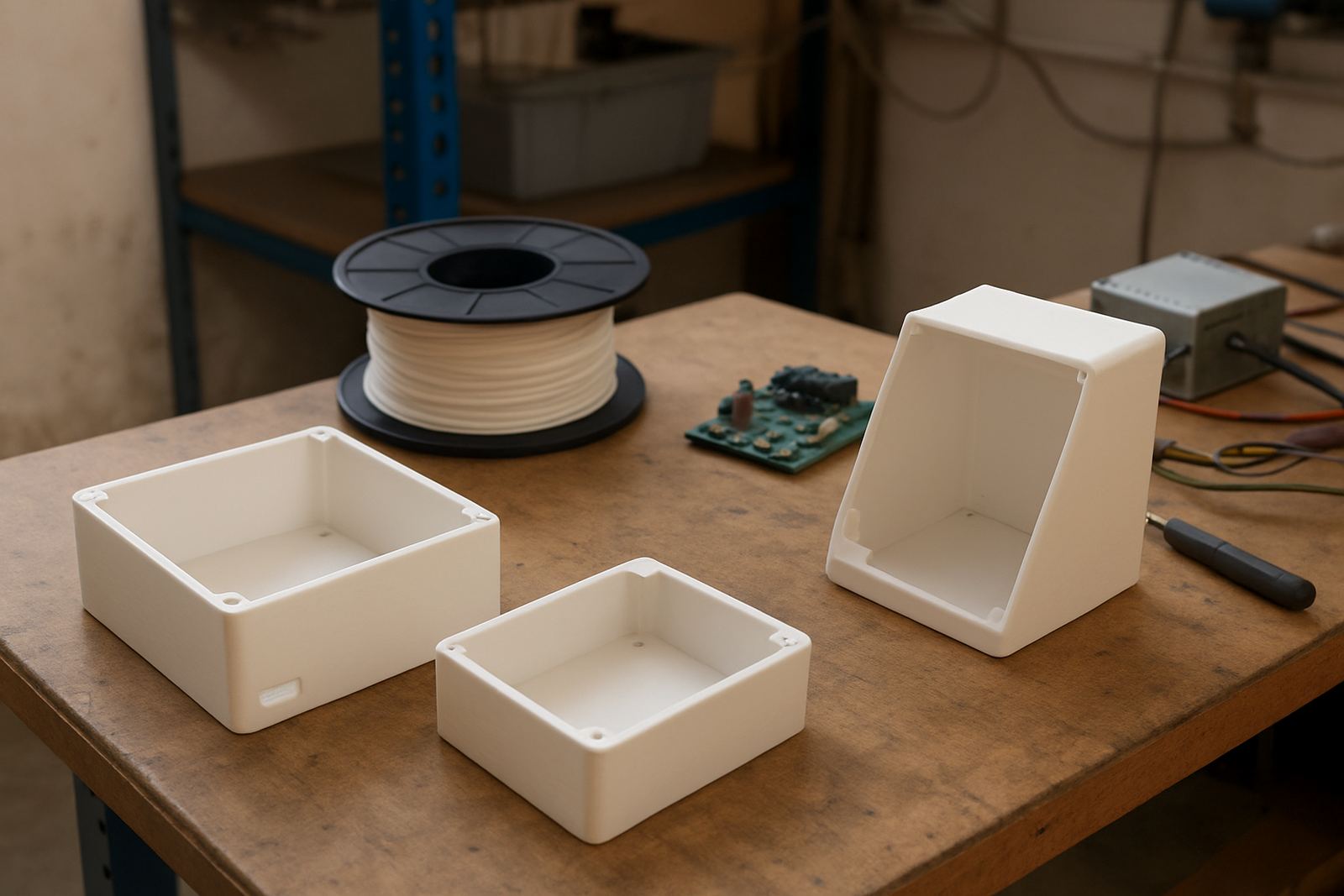
The filament was used for smaller detail components where accuracy and repeatable output were important. On a project like this, if one printed part comes out slightly warped or rough, it stands out next to the rest of the model. PETG helped keep the finish consistent across the different elements, and it was especially useful for parts that needed a bit of strength after fitting. The team also appreciated that it held up well during dry winter conditions in Cape Town and the transport stage, where brittle materials often cause trouble.
- Clean cutability for model parts and panels
- Useful rigidity without being too brittle
- Better handling strength for repeated presentation use
- Suitable for indoor display and transport between sites
Cutting, sizing and job prep in Epping
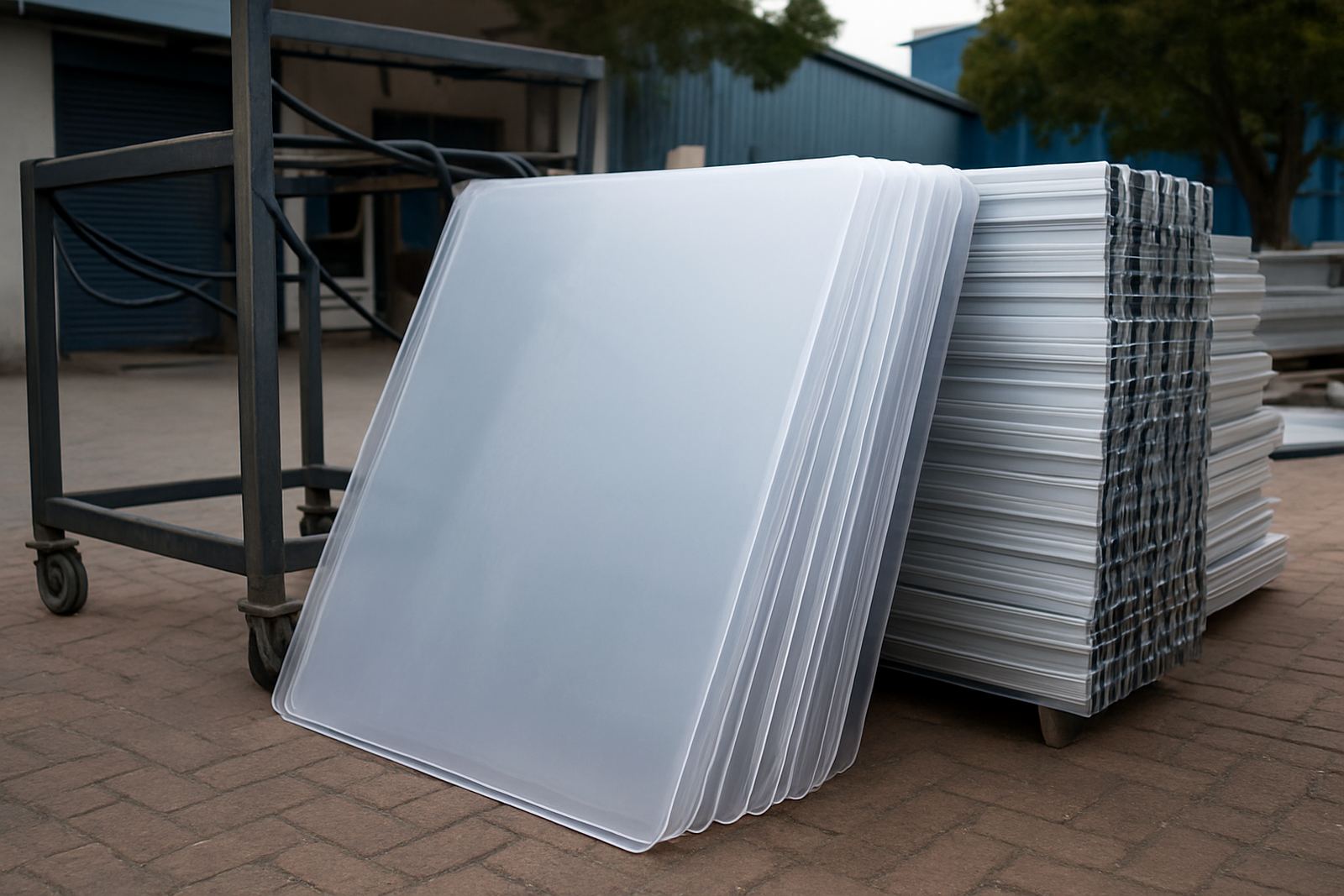
Once the requirements were confirmed, we prepared the PETG sheet to the required dimensions at our Epping base. The job included straight cuts and custom sizing for the larger model pieces, plus smaller strip cuts for edges and framing elements. Where the model builder needed a neater finish on exposed pieces, we carried out light edge deburring so the parts were ready for assembly.
We also marked and labelled the separate batches so the team could keep track of each component during the build. That makes a real difference when several panels, details and supports are moving through the same project. The order was split into manageable packs for collection and local handling, while the filament was prepared for couriering with packing that reduced the chance of damage in transit. No one wants reels arriving bent or loose after a courier trip across the country.
- Straight cuts for the main sheet parts
- Custom sizing to the model drawing set
- Edge deburring on visible sections
- Job labelling for easier assembly on site
Model detail for the house presentation
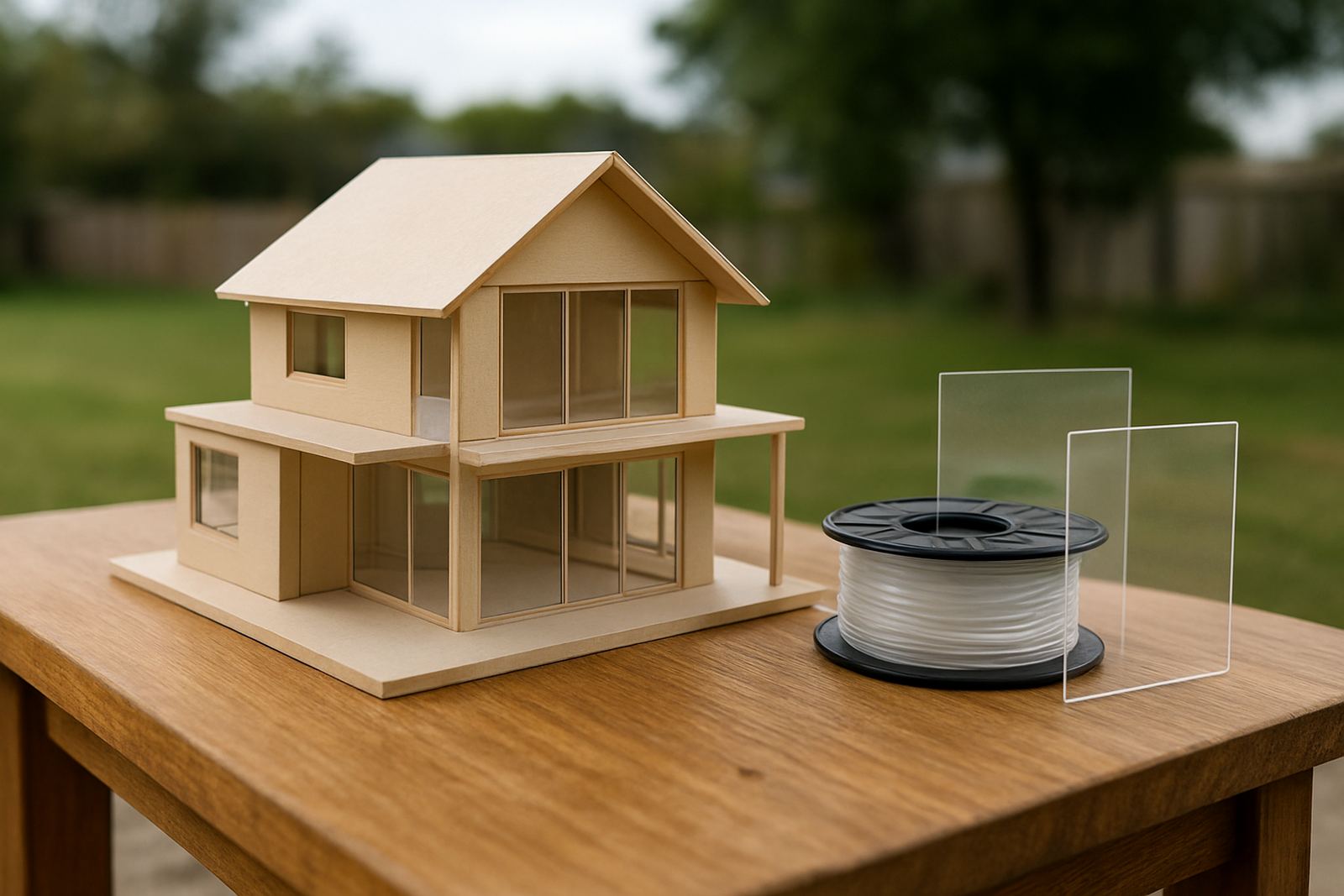
The finished model needed to communicate the house design quickly, so the material choice had to support a clean visual read from a short distance and close up. PETG sheet gave the builder dependable panels for walls, roof planes and clear presentation components, while the filament supported printed features such as trim pieces, small brackets and other detailed points that helped the model feel complete.
The site team was working to a presentation deadline of three weeks, so the process had to stay organised from the start. We kept the order sequence tight, first confirming the cut list then moving through production and packing in the same week. That reduced delays and kept the handover simple. The project also had to fit around normal Durbanville client meetings and the build schedule, so timely supply was just as important as the material spec.
For a residential model, the visual result matters, but so does how the parts behave during assembly. If a panel bows or a corner chips, it affects the whole presentation. This is why the team selected PETG rather than a more fragile alternative. It gave them a practical material set with enough strength for handling and enough finish quality for a polished result.
Courier packing and handover across the country
The filament was couriered nationally, with the reels packed to avoid scuffing and movement in the box. The sheet components for the model builder were organised according to the assembly order, which saved time when the package was opened. That kind of packing matters when a job is moving from Cape Town to another part of the country and the pieces need to arrive ready for work.
We keep this part straightforward because model projects are usually running to a tight sequence of events. The builder wants the right parts in the right order, not a box of mixed material. In this case the handover was smooth, and the client team could start fitting the pieces without having to sort or recut anything. The presentation was completed on schedule and the model was strong enough for repositioning during the meeting day.
- Filament packed for courier transit
- Sheet parts arranged by build sequence
- Reduced sorting time for the model team
- Suitable for local handover or national delivery
What we would repeat on the next model job
If we were doing this kind of project again, we would follow the same approach: confirm the cut list early, separate the small detail parts from the main panels, and label everything clearly before it leaves the shop. That keeps the build moving and helps avoid mix-ups when several people are involved in one presentation piece.
We would also keep using PETG for the main model elements where strength and a neat finish are both important. For Durbanville and similar suburban residential projects, the presentation value comes from accuracy, not overcomplication. A good model should let the design speak for itself, and the material needs to support that without creating extra work for the builder. This job did exactly that, and the end result was tidy, practical and presentation-ready.
Key facts
| Project location | Durbanville, Western Cape |
|---|---|
| Material supplied | PETG sheet and 3D-printing filament |
| Processing | Straight cuts, custom sizing, strip cutting, edge deburring |
| Packing | Courier ready with job labelling |
| Timeline | 3 weeks from brief to presentation handover |
| Supply base | Epping, Cape Town |
| Delivery range | Local collection and nationwide courier |