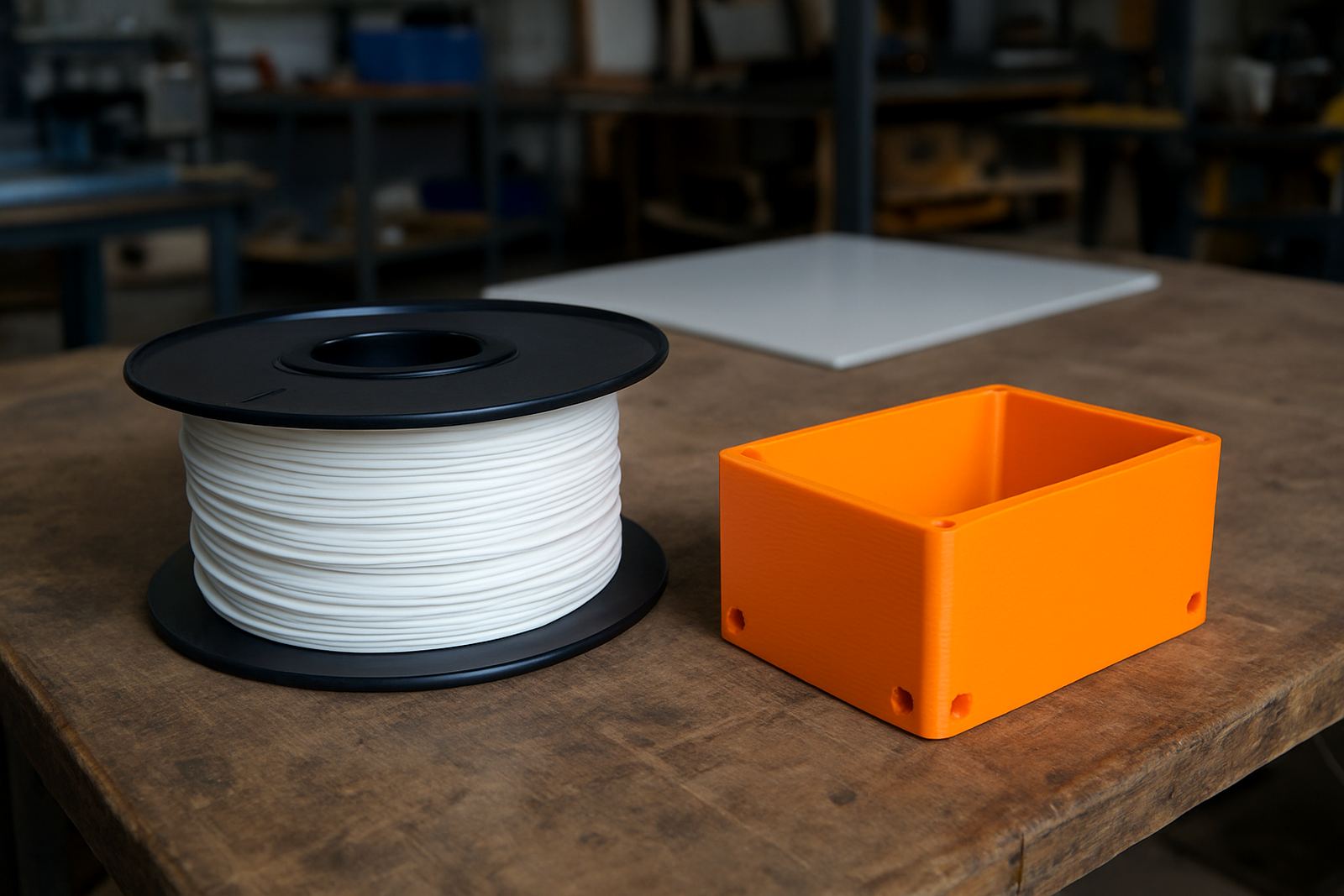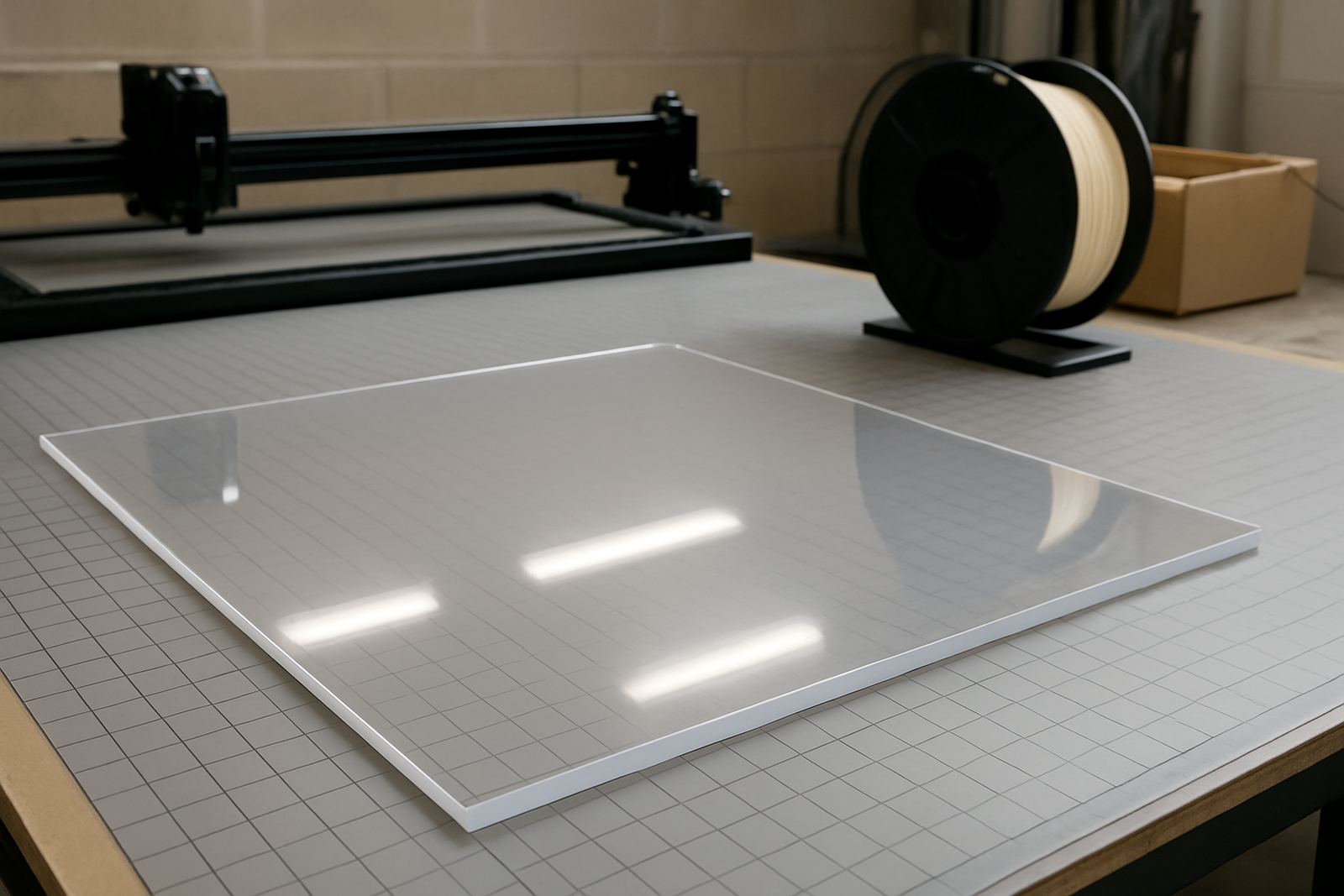

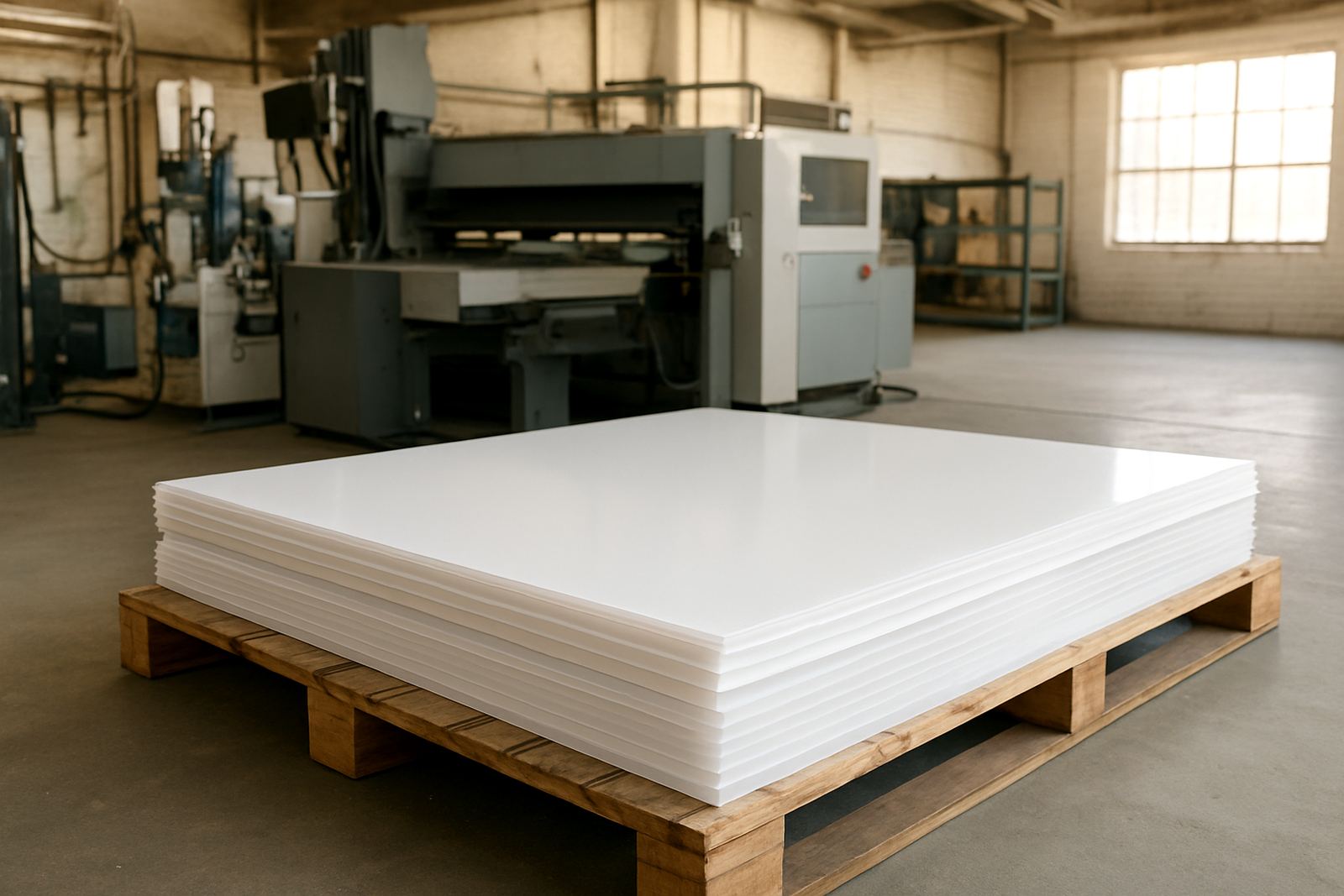
White PETG sheet for a clean, finished look
White PETG sheet is a clear choice when the job needs a solid colour, good impact resistance and a tidy finish. It is often used for signage backs, machine covers, shopfitting parts, fabricated panels and light-duty guards where a neat white surface is preferred over plain clear material. The sheet machines well, cuts cleanly and takes normal workshop handling without fuss, so it suits both one-off parts and repeated production runs.
Compared with brittle plastics, PETG is easier to work with and less likely to crack during cutting, drilling or bending. That matters on site and in the workshop, especially when you are working to a deadline or doing a retrofit on an existing frame. It also keeps its appearance well in indoor applications, which makes it useful for front-of-house pieces, display panels and equipment surrounds. For many installers, it is the material that saves a second trip because the first cut usually goes right, if the measurements are right.
We supply sheet from our base in Epping, Cape Town, with cut-to-size service for collection areas like Bellville, Parow, Montague Gardens, Somerset West, Paarl, Stellenbosch and Claremont. Filament is couriered nationwide, while sheet jobs are prepared for local collection or courier packing where practical.
Sizes, thicknesses and cut-to-size options
White PETG sheet is available in a range of thicknesses to suit light panels through to more demanding fabricated components. The right thickness depends on the span, fixing method and whether the piece must stay flat or be formed. For smaller covers and inserts, a thinner sheet is often enough. For larger signage panels, machine surrounds or items that need more body, a thicker sheet is usually better.
We offer the following services on sheet jobs:
- Straight cuts for simple panel sizes
- Custom sizing for made-to-measure work
- Strip cutting for repeated narrow sections
- Panel cutting for larger jobs
- Small batch cutting and large batch cutting
- Hole marking for fixing points and assembly
- Edge deburring for cleaner handling and safer installation
If you need film left on for protection during fabrication or transport, ask for it when ordering. That can help on jobs where the sheet still needs drilling, trimming or fitting after collection. We also label jobs clearly, which is useful when you are splitting a delivery across several sites or fitting teams.
Where white PETG works best in South Africa
This sheet suits indoor and sheltered applications where you want a professional finish without unnecessary weight. In manufacturing it is used for guards, covers and internal panels. In signage it works well for backing boards, light boxes and fabricated face panels. In shopfitting it is useful for fascia sections, trims and display inserts. It also works for prototyping where you need a clean, repeatable material that is simple to cut and fix.
In coastal areas such as Cape Town and Somerset West, indoor storage and correct handling are still important because humidity and salt air can affect the surrounding hardware and fixings even if the sheet itself is stable. In hotter inland areas, leave space for movement and do not force-fit panels too tight into frames. If a sheet is used near windows or direct sun, confirm the application first as colour and thermal conditions can influence the final result. That small check can save a remake later.
Common use cases include:
- Signage backs and panel inserts
- Fabricated covers and guards
- Display boards and retail fit-outs
- Prototype parts and sample panels
- Internal cladding or clean-face finishes
Installation notes and workshop requirements
White PETG sheet can usually be cut, drilled and fixed with normal workshop tools. You do not need special gas or power systems for the material itself, but the job site should have basic power for cutting and fastening equipment. If there is load-shedding in the middle of a fit-out, plan your cutting and hole marking before the final installation window so you are not stuck on the last panel with no power. A simple dry run on the bench often helps when several pieces must match up.
For installation, allow for proper support along the edges and avoid over-tightening fixings. As with most sheet products, cleanly drilled holes and accurate hole marking make the biggest difference to the finish. If the panel is large, confirm the support spacing and whether any extra stiffening is needed. On formed or bent parts, check the bend radius before ordering because the correct thickness matters more than people think.
When you receive a cut job, inspect the edges, hole positions and dimensions before leaving collection or signing off a courier delivery. If the sheet will be fitted later by another team, keep the job label with the pack so nothing gets mixed up on site. That saves time, and sometimes a very awkward call back to the workshop.
Care, cleaning and servicing after installation
White PETG sheet is straightforward to look after. Use a soft cloth, clean water and a mild detergent for routine cleaning. Avoid abrasive pads, harsh solvents and rough scrubbing, since these can dull the surface or mark the finish. On visible panels, a gentle wipe down is usually enough to keep the white surface looking tidy.
If the sheet is used in a working area, inspect it from time to time for scratches, loose fixings and edge damage. A small chip at a corner is worth addressing early, because vibration and repeated handling can make it worse over time. For panels that are removed for servicing, keep the fixing sequence the same each time so the holes do not wear unevenly. If a piece needs replacing, bring the old one in or send accurate measurements so the replacement matches the original.
White PETG is generally low maintenance, but clean storage matters. Keep spare sheets flat, supported and away from heavy objects that can warp the stack. In busy workshops, that simple habit prevents dents and avoids sending out a panel with a mark in the first place.
What to confirm before you order
Before placing an order, check the finished size, thickness, quantity and whether the sheet will be used indoors or in a sheltered outdoor spot. If the panel needs holes, slots or edge finishing, send the measurements clearly and state which face must stay protected. If you need a batch repeated later, keep the same job notes so the next run matches the first one.
- Final dimensions, not rough estimates
- Thickness required for the span and fixing method
- Whether you need straight cuts, panel cuts or strips
- Hole marking positions and any special edge work
- Need for film left on during transport or fitting
- Collection area or courier delivery details
For trade orders and repeat work, material advice can help if you are comparing white PETG against another sheet type. Tell us what the part must do, how it will be fixed, and whether it will be handled often. That gives a better result than guessing from a photo alone, especially on a part that has to fit first time.
Key facts
| Product | White PETG sheet |
|---|---|
| Material type | PETG thermoplastic sheet |
| Typical thicknesses | Available in multiple thicknesses, confirm on enquiry |
| Finish | Solid white surface |
| Fabrication | Cut to size, drilling marks and deburring available |
| Supply area | Cape Town collection and nationwide courier on suitable orders |