Darker Translucent PETG for Clean Technical Parts
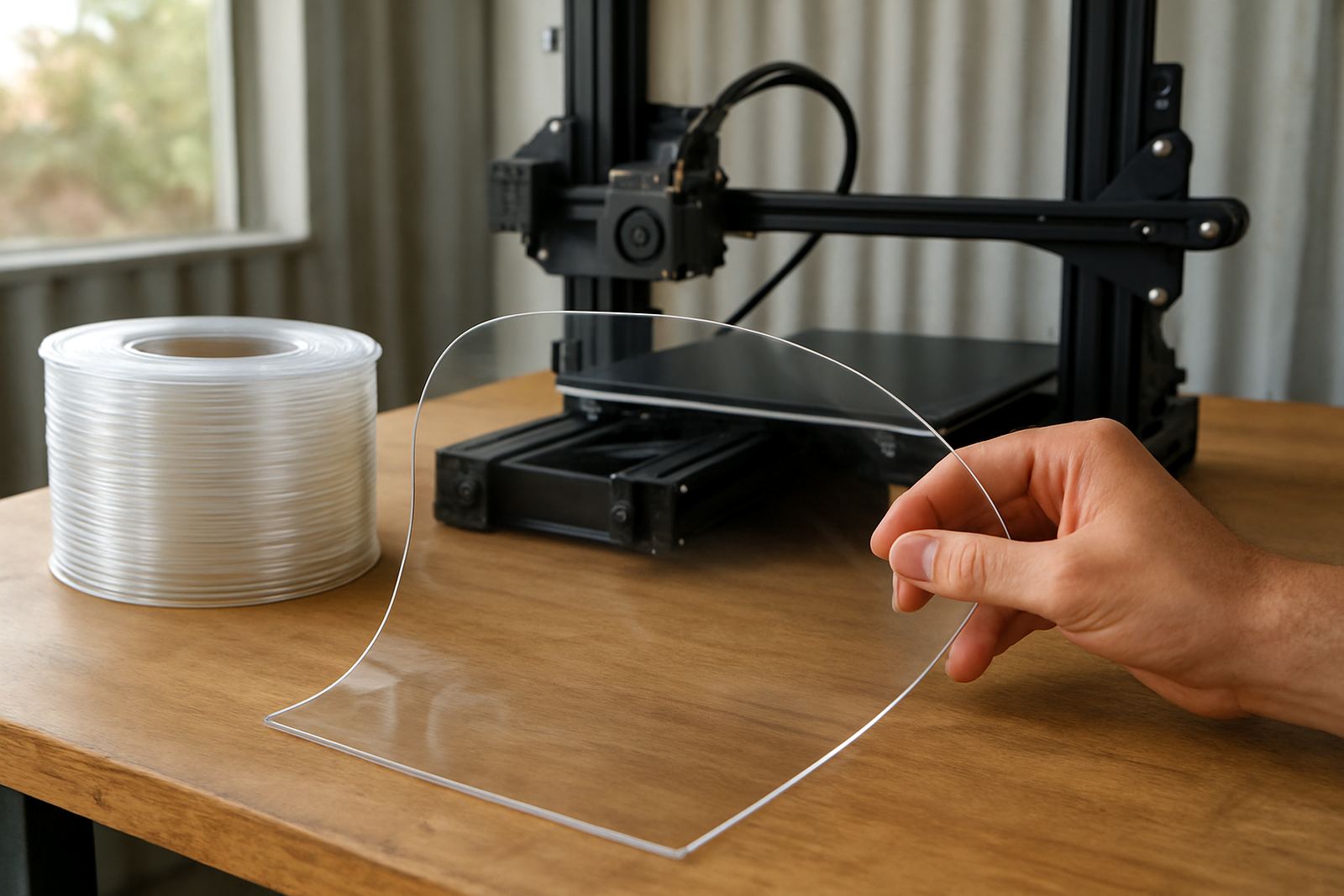
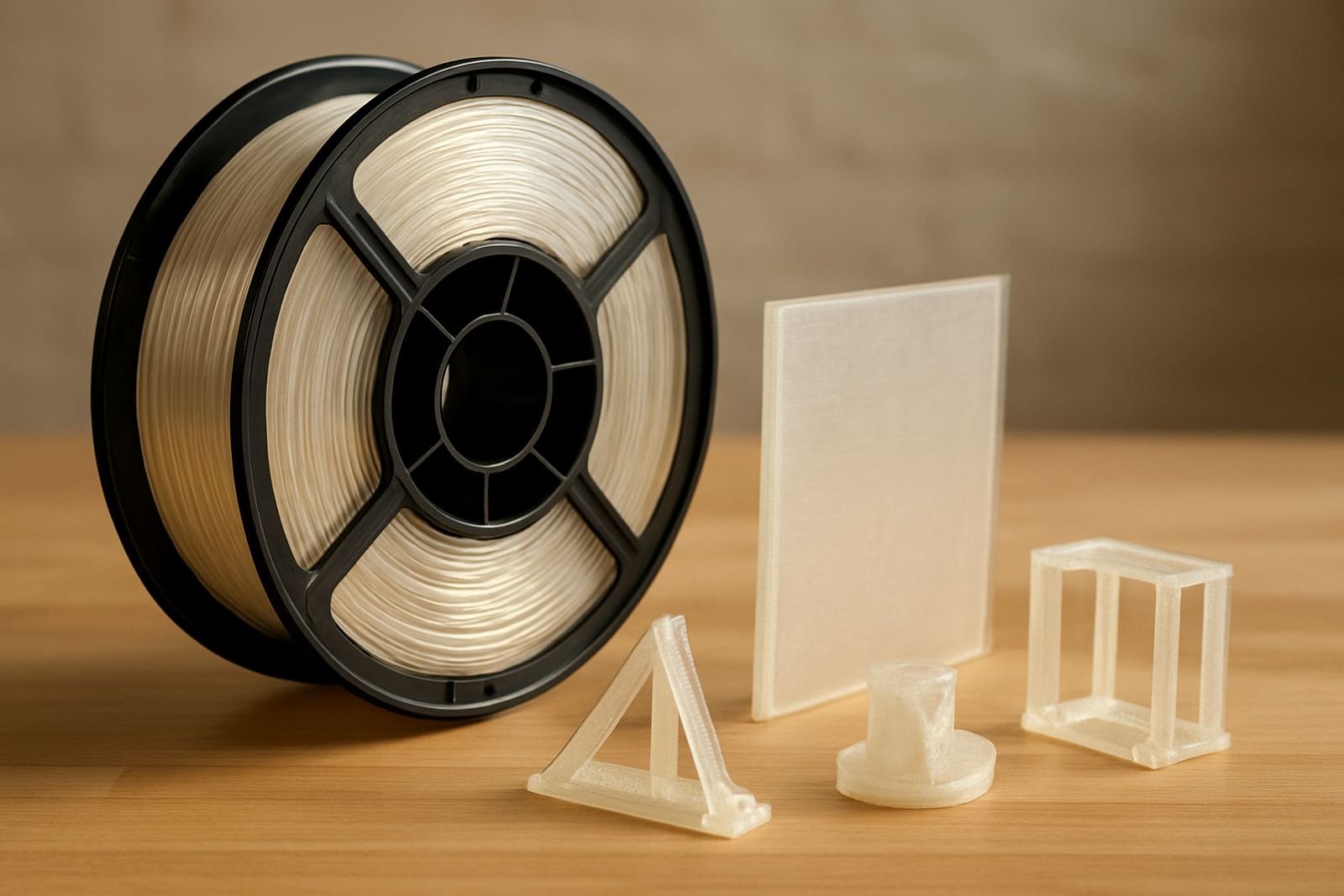
Smoke PETG is made for prints that must look more refined than plain clear filament, with a smoked tint that reduces the harsh look of a fully transparent part. It works well for covers, housings, display pieces, machine guards, test parts and functional components where you want visibility through the print but not full clarity. The material still keeps the practical PETG traits people choose it for, including good impact resistance, decent heat tolerance and reliable layer adhesion.
For Cape Town workshops and nationwide users, this is a sensible middle ground between decorative and working parts. It is not only about appearance. The darker tint can help hide internal wiring, sensors or fixings while still letting you inspect what is happening inside the part. For light covers and control panels it gives a neat finish without the brittle feel of some other plastics.
- Available in smoke tinted translucent finish
- Suitable for functional prints and visual prototypes
- Good for parts that need strength with a cleaner look
- Works in offices, workshops and light production runs
Sizes, Spools and Printing Specs That Matter
Smoke PETG filament is supplied in the standard print sizes used by most benchtop and workshop printers. The most common option is 1.75 mm filament on spool, which is the size many South African users run for prototyping and small batch production. If you are ordering for a specific machine, check the nozzle and feeder setup before you place the order so the feed path matches the material you use every day.
For stable results, PETG likes a controlled print environment. You do not need special gas or any added supply, but you do need a printer that can hold steady temperatures and a dry storage plan. In coastal areas like Cape Town humidity can affect filament if it is left open, so sealed storage and a dry box help keep extrusion even. If your workshop has load-shedding, a printer with restart planning and stable power protection is worth using for longer jobs.
- Filament size: 1.75 mm
- Typical spool format for benchtop FDM printers
- Recommended nozzle temperature: 230 to 250 degrees C
- Recommended bed temperature: 70 to 85 degrees C
- Print speed: moderate, depending on detail and cooling
- No special gas supply required
Where Smoke PETG Works Best in South African Workshops
This filament suits a wide range of practical applications. It is used for brackets, covers, light-duty machine parts, prototypes, sample housings and display items that need a smart finish. Designers use it for presentation parts because the smoked tone looks more technical than plain clear. Manufacturing teams often use it for jigs, checks and housings where the part must look tidy and hold up under normal workshop handling.
It also works well where you want a translucent finish but not a fully see-through result. That can be useful for indicator covers, sensor windows, LED diffusers and protective shells. For smaller production runs, the material behaves consistently enough to keep repeat parts looking similar, which helps when you are matching a batch. It is a practical option for makers in Bellville, Montague Gardens, Paarl and Stellenbosch who need couriered stock without waiting around.
- Prototypes for design and product development
- Functional housings and covers
- Machine guards and inspection parts
- Display models and sample pieces
- Small batch workshop production
How to Set Up and Print It Properly
Smoke PETG prints best when your machine is set up with a clean feed path and a bed surface that suits PETG. A clean nozzle, level bed and correct first layer are the basics. You do not need special adhesives in every case, but many users do better with a suitable bed aid or surface that prevents the part from sticking too hard. PETG can grab well, so careful removal matters and it helps to let the bed cool before taking parts off.
There is no gas requirement, no solvent bath and no special installation process beyond normal filament loading. Keep the spool dry, feed it smoothly and avoid sharp bends in the path. If the workshop runs through power cuts, save long prints for times when you can monitor them or use a machine with power-loss recovery. A small error in retraction or cooling can show up as stringing, so test a few settings before a full run.
- Dry storage recommended before and after use
- Use a clean nozzle and checked bed levelling
- Start with moderate cooling, then tune as needed
- Allow parts to cool before removal
- Test retraction on the first print job
Care, Storage and Ongoing Servicing
Like most PETG, smoke filament keeps better when stored away from moisture and dust. A sealed bag or dry box is a good idea, especially near the coast where damp air can creep into the spool. If the filament starts showing popping, bubbles or rough extrusion, it may be damp and need drying before use. That simple step can save a lot of wasted prints.
For servicing, there is not much beyond normal printer care. Keep the extruder clean, check the bowden or direct feed path, and inspect the nozzle for wear if you print often. If you use the material for repeated batches, keep a note of the print settings that give you the best finish. That makes it easier to repeat the same result next week or next month without starting from scratch.
- Store in a dry sealed container
- Avoid sunlight and damp storage areas
- Dry the filament if extrusion becomes inconsistent
- Keep nozzles and feed gears clean
- Record working settings for repeat jobs
What to Check Before You Order from Epping
Before ordering, check the diameter your printer uses, the colour finish you want and whether your project needs a fully translucent part or just a darker smoked look. If you need a specific batch or repeat order, it helps to note the quantity, the printer model and the application. That makes it easier to choose the right spool count and avoid holding up a job.
If you are collecting in Cape Town, you can arrange around Epping, Montague Gardens, Bellville, Parow, Somerset West, Paarl, Stellenbosch or Claremont depending on what suits the job. If you are further afield, courier delivery is available nationwide. For buyers who need advice, the team can help with material choice, batch planning and practical use on the ground. Morne van Rensburg leads the business, with support from Ayanda Mkhize, Jared Petersen, Zanele Ndlovu, Ruan Botha and Tumi Molefe, so orders are handled by people who know the material and the workflow.
- Confirm filament diameter and spool quantity
- Check whether you need smoked translucent or darker finish
- Match the order to your printer type and nozzle size
- Specify collection point or courier delivery
- Include any repeat job notes or batch requirements
Key facts
| Product | Smoke PETG Filament |
|---|---|
| Material | PETG |
| Filament diameter | 1.75 mm |
| Finish | Smoke tinted translucent |
| Print temperature | 230 to 250 degrees C |
| Bed temperature | 70 to 85 degrees C |