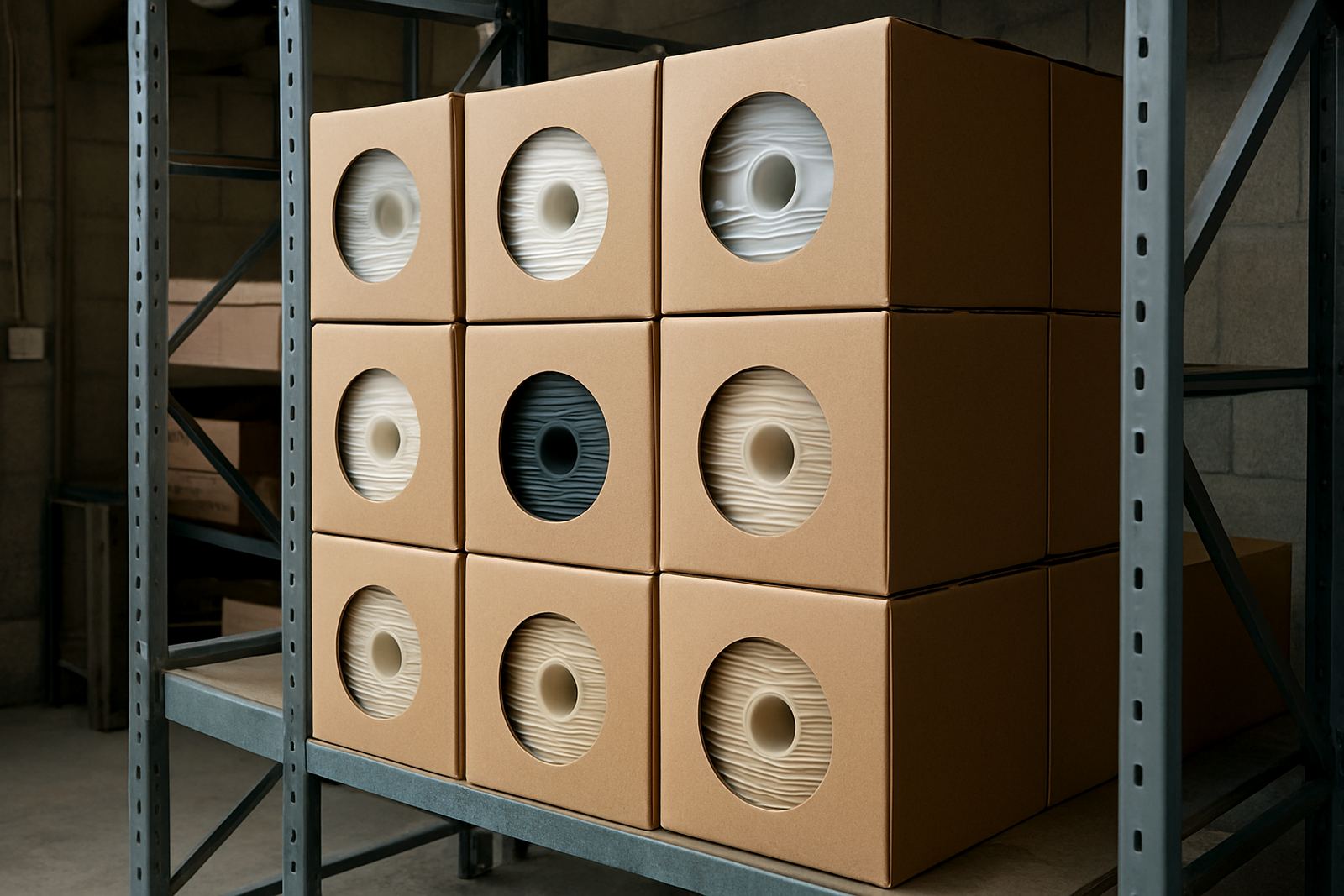
What 1kg PETG filament is used for
1kg PETG filament is a thermoplastic feedstock for FDM and FFF 3D printers. It is chosen when you need a balance between ease of printing, strength and a cleaner finish than many basic hobby materials. PETG handles functional parts well, including jigs, brackets, guards, clips, housings and display items that must cope with daily handling.
For South African users, it is a sensible middle ground between printability and performance. It stands up better to heat and impact than many standard filaments, and it is less brittle than materials that can crack if a part gets knocked in a busy workshop. That makes it useful for prototyping in manufacturing, product samples for design studios, and practical parts for light industrial use.
It also suits printers that are used after load-shedding when you want dependable extrusion and fewer failed runs. Once your machine is levelled and the feed path is clean, 1kg PETG gives consistent output for repeat jobs.
Standard spool size and ordering options
The standard 1kg spool is the most common option for workshop printing because it is easy to store, easy to load and enough for a fair number of parts before you need a replacement. Most buyers use it for routine production, samples and test prints rather than very large single jobs.
When ordering, check the filament diameter, colour, spool type and whether you need a single reel or multiple reels for batch work. If you are printing on several machines, it is often better to buy matching spools so you keep settings and colour consistent across the job.
- Standard spool size: 1kg
- Common diameters: 1.75 mm
- Used for general workshop printing and prototypes
- Suitable for repeat jobs and small production runs
- Available for courier delivery nationwide from Cape Town
If you are managing stock for a production room in Epping, Bellville or Montague Gardens, 1kg spools are also easier to count and label than bulk material. That helps when you are tracking material use on quoted jobs.
Where PETG fits best in South African workshops
1kg PETG filament suits a wide range of users, from engineers and product designers to educators and makers who need dependable prints without constant tuning. It is especially useful where parts are handled often or need a bit more toughness than decorative prints.
Typical applications include jigs for assembly lines, cable guides, organisers, enclosures, test fittings, signage components, machine covers and concept models. In coastal areas like Cape Town, Somerset West and Stellenbosch, PETG is a practical option because it copes well with everyday workshop conditions and does not become as brittle as some alternatives in cooler storerooms.
- Manufacturing: jigs, fixtures, guards and housings
- Design and prototyping: visual models, fit checks and working samples
- Education and labs: demonstration parts and repeatable classroom prints
- Small business use: holders, brackets and custom accessories
If your workshop sees dust, frequent handling or changing temperatures, PETG is often easier to live with than more fragile materials. It is not meant for every task, but for many practical prints it is a dependable choice.
Printer settings, installation and power needs
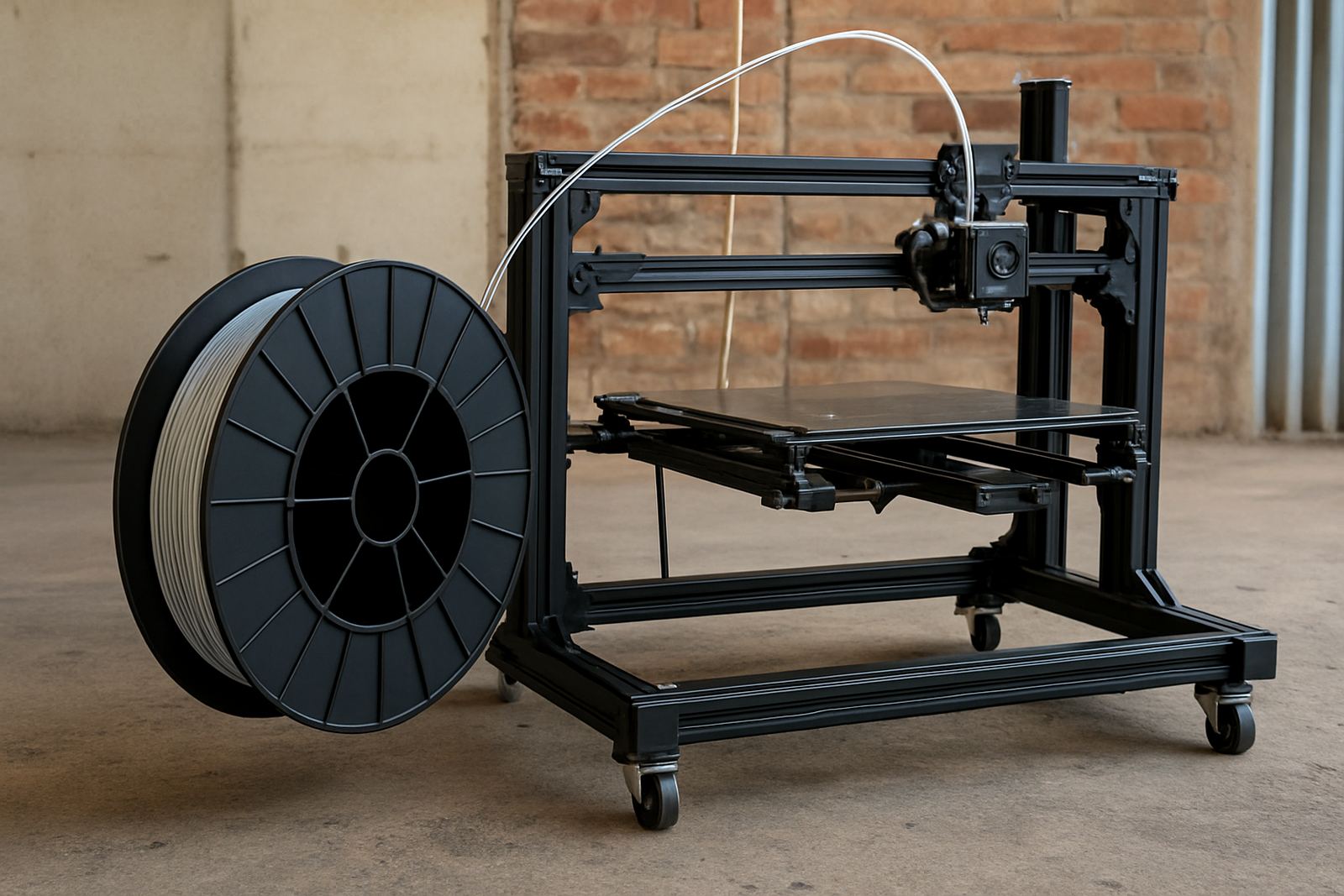
Installing a 1kg PETG spool is straightforward. Mount the reel so the filament feeds smoothly without rubbing on the holder, then guide it through the path and into the extruder. Before starting a long run, check that the first layer is sticking properly and that the nozzle is clean.
Power requirements depend on your printer, not the filament itself, so no gas is needed. For South African workshops, the main concern is stable power during a print. If load-shedding interrupts a long job, keep a UPS or backup plan for safe pausing and recovery. PETG can tolerate sensible restart procedures, but it is always better to avoid abrupt stops where possible.
Typical printing settings vary by printer, but many users run PETG at nozzle temperatures around 230 to 250°C and a heated bed around 70 to 85°C. A draft-free room helps, especially in winter or in spaces near open roller doors. Good bed adhesion and moderate cooling usually give the cleanest result.
Care, storage and servicing tips
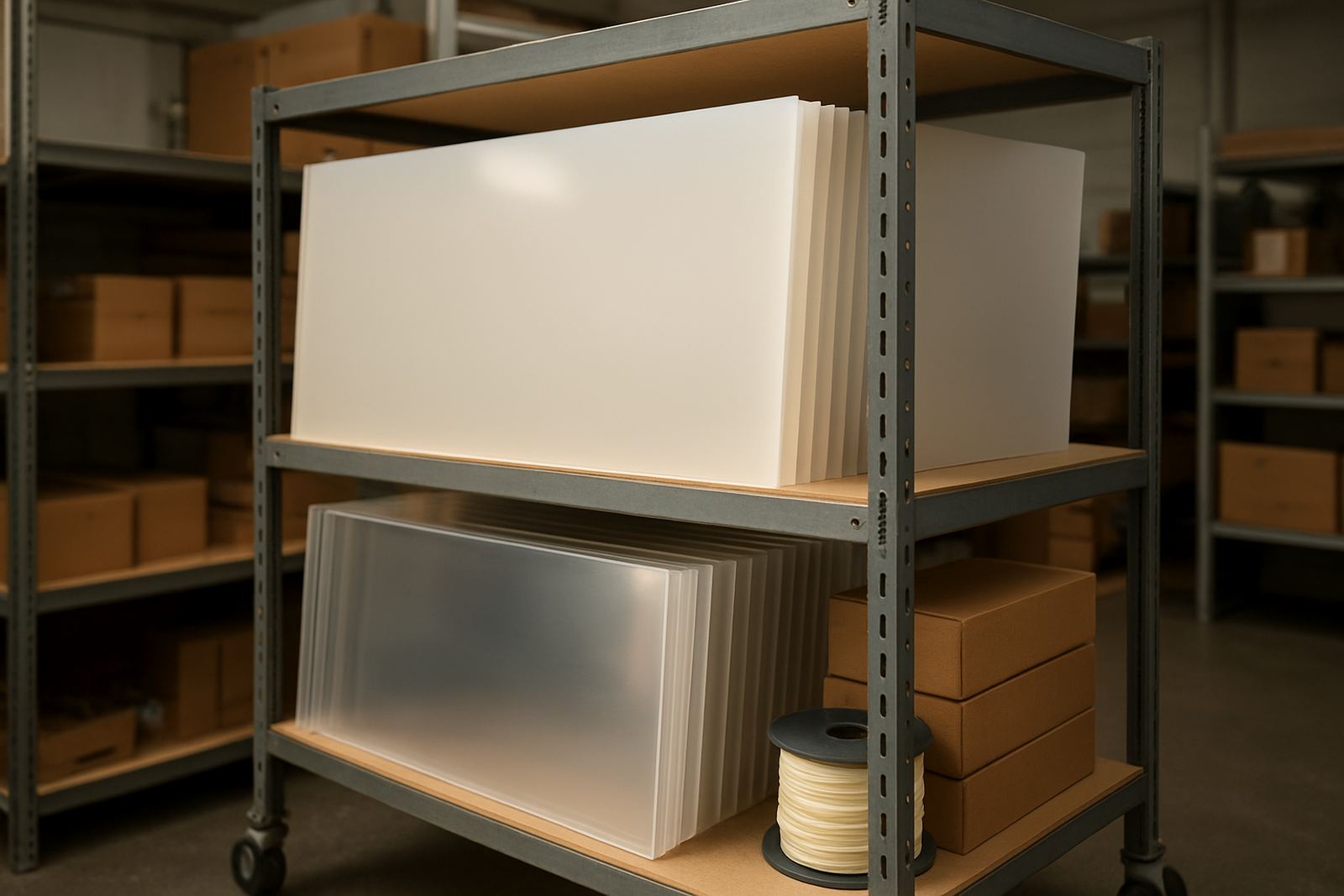
PETG filament keeps its best performance when stored dry and clean. In coastal humidity, especially around Cape Town and surrounding areas, keep the spool sealed when it is not in use. A dry cabinet, airtight bag or sealed tub with desiccant works well.
Dust on the filament can build up in the feed path and affect print quality, so keep reels off the floor and away from open windows. If a spool has been stored for a while, inspect it before loading and cut away any damaged or kinked section at the start of the feed. That small check can save time on a long print.
- Store in a dry area away from sunlight
- Keep reels sealed when not in use
- Clean the feed path and nozzle regularly
- Check for tangles or crushed edges before loading
- Use fresh desiccant in humid conditions
If you are running frequent jobs, add nozzle cleaning and bed checks to your normal printer routine. A little servicing goes a long way, and it helps prevent stringing, poor adhesion and clogged feeds.
What to check before you place an order
Before ordering 1kg PETG filament, confirm the printer model, filament diameter, colour and the type of parts you are making. It is also worth checking whether you need a specific spool fit for your holder, because some machines have tighter reel supports than others.
Think about the finish you need. For production parts, consistent colour matters. For prototypes, it may be more important to have dependable feed and the right quantity on hand. If you are printing for municipal, commercial or workshop use, ask whether the part needs to cope with heat, moisture or repeated handling. That helps decide if PETG is the right material for the job.
We can help with practical material advice and courier packing from Epping, Cape Town. If you are collecting in the Western Cape, or sending filament to a site further afield, make sure the order details are clear so the right spool gets to the right team without delays.
- Confirm filament diameter and printer compatibility
- Check the colour and quantity required
- Consider storage conditions at your site
- Make sure the job suits PETG performance
- Include collection or courier instructions on the enquiry form
Why regular users choose the 1kg format
The 1kg format is practical because it gives enough material for serious use without locking up too much budget in stock. It is a good fit for workshops that print often but still need flexibility across different jobs. For many users, it is the easiest way to keep material on hand for the week ahead.
It also makes ordering simpler. You can replenish stock as needed, test different colours in smaller quantities and avoid opening a large bulk reel too early. For teams that manage multiple printers, 1kg spools help keep material rotation under control and reduce waste from old stock that has been left open too long.
If you are printing parts for clients, samples or internal use, 1kg PETG filament offers a sensible balance between cost, convenience and day-to-day performance.
Key facts
| Product type | PETG 3D-printing filament |
|---|---|
| Spool size | 1kg standard reel |
| Common diameter | 1.75 mm |
| Printing method | FDM and FFF benchtop printers |
| Typical use | Prototypes, workshop parts, jigs and functional components |
| Supply | Couriered nationwide from Cape Town, with collection in Epping |