
What 2.85mm PETG filament is used for
2.85mm PETG filament is a thicker-format thermoplastic feed stock for printers built around 2.85mm or 3.0mm class material. It is chosen when a machine, hot end and drive system are set up for the wider diameter, giving you a practical option for production parts, fixtures, display items and prototype runs that need a clean finish with good toughness.
PETG sits between easy-print PLA and tougher engineering plastics. It handles everyday use well, resists many common cleaners, and holds up better than brittle materials when parts need a bit of flex. For South African workshops dealing with warm rooms, coastal humidity or load-shedding interruptions, it is a sensible material when you want predictable feeding and less fuss once the printer is dialled in.
Sizes, spools and order options
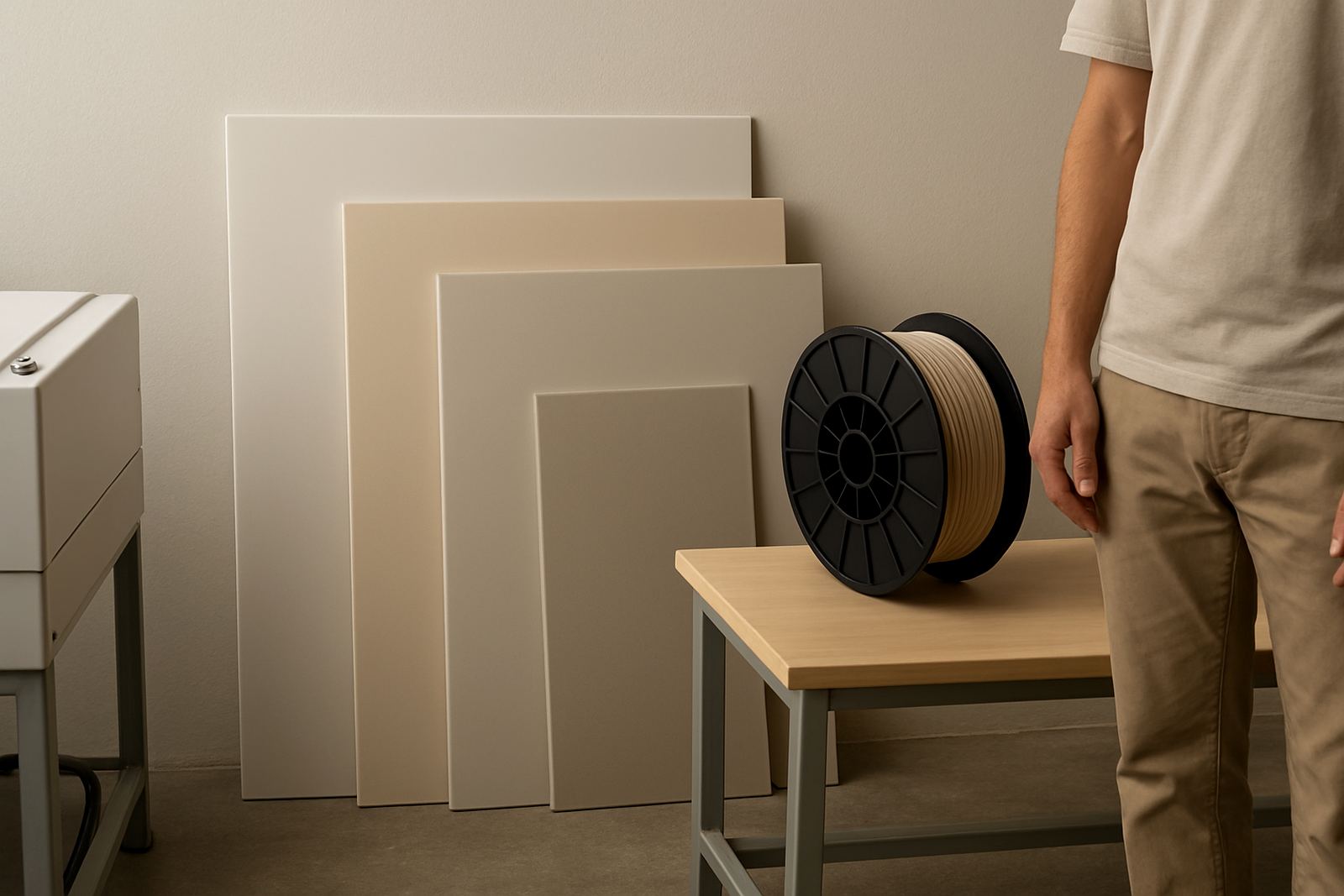
We supply 2.85mm PETG filament in standard spool formats for compatible machines. The most common order is a single spool for testing or short runs, while larger users often take multiple spools for scheduled production. If you are matching an existing setup, check the spool width, core size and maximum outer diameter so the reel fits your holder, dry box or feed path without scraping.
- Diameter: 2.85mm for compatible larger-format printers
- Supply format: wound spools for controlled feeding
- Colour options: subject to current stock and production needs
- Pack style: courier-ready for nationwide delivery
If your team is doing colour matching or batch work, it helps to order enough filament from the same batch for the full job. That avoids small shade shifts between runs, which can be noticeable on panels, brackets and presentation pieces.
Where this filament suits best
This material suits production benches, prototyping labs and specialist printer rooms that already run 2.85mm feed systems. It is a good fit for jigs, guards, housings, cable guides, signage components, machine surrounds and form-fit parts that need decent impact resistance without moving into more difficult engineering plastics.
- Manufacturing and maintenance parts
- Design studios and model making
- Packaging samples and display pieces
- Workshop jigs, brackets and holders
- Short production runs and replacement parts
For outdoor or semi-outdoor use, PETG is often picked because it copes better than many basic filaments with warmth and occasional moisture. It is not a substitute for every high-heat application, so if the part sits near motors, heaters or direct sun for long periods, it is worth checking the temperature demand before ordering. A quick material check now saves reprints later, and that is especially useful when deadlines are tight.
Printer setup, power and site conditions
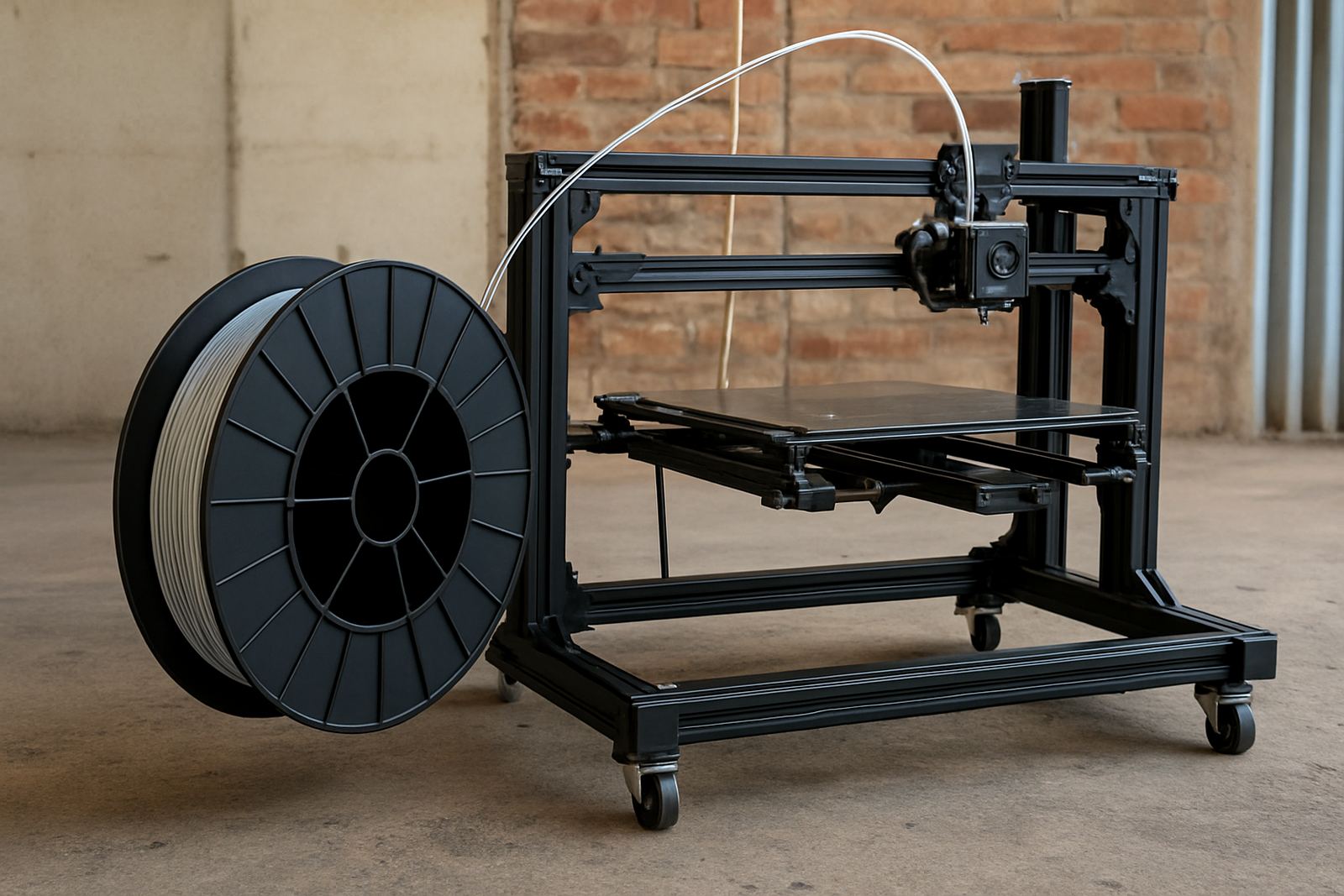
2.85mm filament needs a printer that is designed for the diameter. That means the drive gears, filament path and nozzle setup must all suit the larger feed size. If you are moving from another material, confirm the hot end can reach the required print temperatures and that your slicer profile is set correctly before the spool goes on the machine.
Typical PETG printing works best on a heated bed and a stable machine environment. In Cape Town and along the coast, humidity can affect storage and feeding if spools are left open for long periods. In areas where power cuts are common, make sure your printer resumes safely after interruption and that the bed and hot end return to stable temperature before continuing a job.
- Check that your printer accepts 2.85mm filament, not 1.75mm
- Confirm nozzle size and temperature range before first use
- Use a dry, dust-free storage area for open spools
- Allow for bed adhesion settings suited to PETG
- Keep a clean feed path to avoid drag or grinding
Care, storage and servicing between print runs
PETG is forgiving, but it still benefits from decent handling. Keep unopened spools in a cool dry place, away from direct sun and concrete floors that hold moisture. Once opened, store the reel in a sealed bag or dry box with desiccant if you are not using it daily. This matters in damp coastal conditions and in busy workshops where spools can sit idle between jobs.
Printer servicing should include nozzle checks, feeder cleaning and bed inspection. PETG can leave residue on a nozzle if settings are too hot or the machine is under-extruding, so regular maintenance helps keep print quality steady. If a spool has been sitting for a while, inspect the first metres for dust, flattening or any sign of tangling before loading it into the machine.
When you are running larger batches, simple label control helps a lot. Mark the job name, colour and spool batch so the team can match material to the correct print and avoid confusion across shifts. It is a small habit but it saves time when more than one operator is using the same machine.
What to check before you place an order
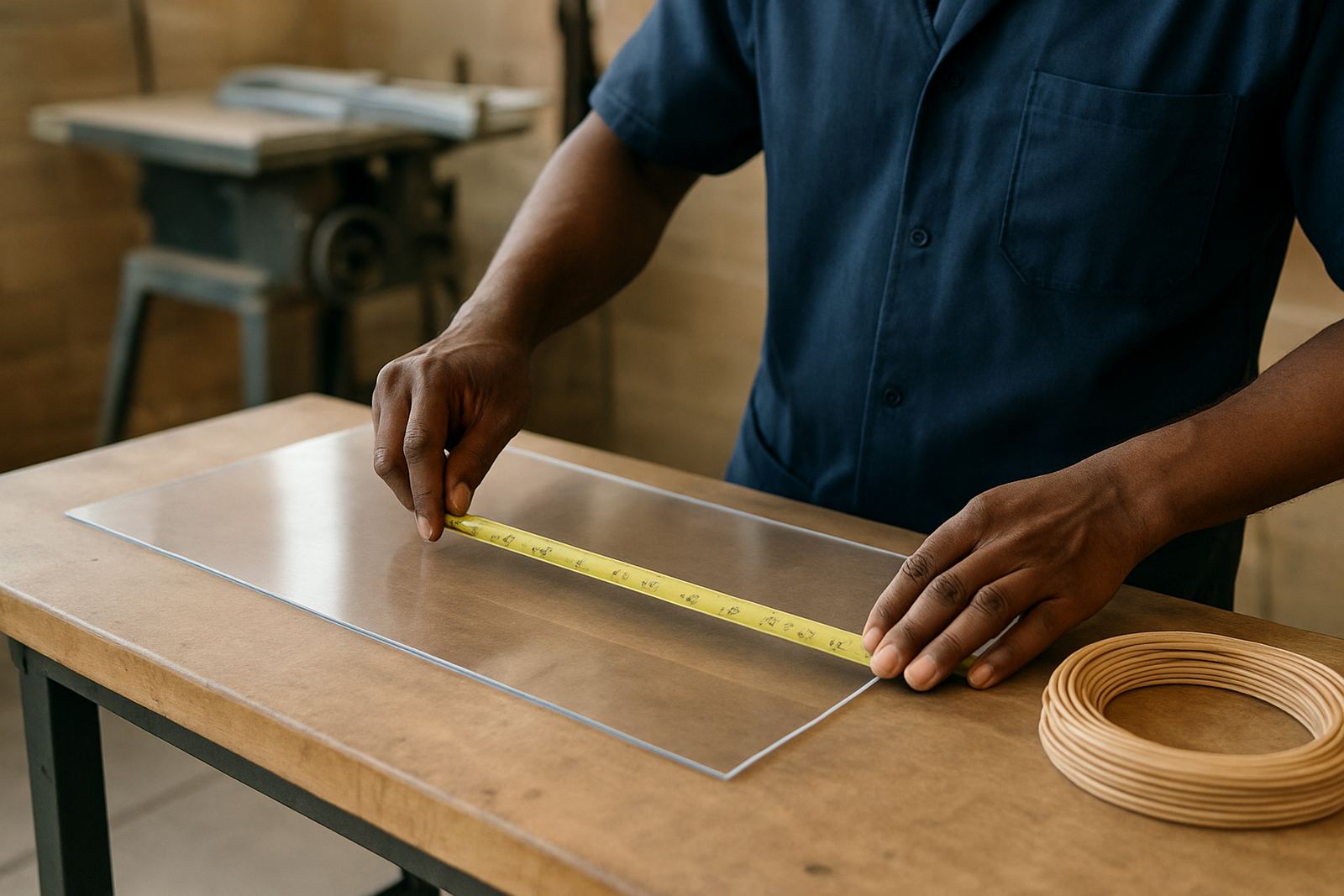
Before ordering 2.85mm PETG filament, confirm a few basics so the spool works first time. The most common issue is ordering the wrong diameter for the machine, which stops the job before it starts. It also helps to think through the part size, finish and service conditions, because that affects the colour, quantity and storage plan you need.
- Printer diameter requirement, especially 2.85mm versus 1.75mm
- Nozzle size and recommended temperature range
- Whether the part will be used indoors or outdoors
- Required colour, quantity and batch consistency
- Storage space for opened spools on site
- Any deadline that needs courier timing from Cape Town
If you need advice on suitability, material choice or order sizing, use the enquiry form on our contact page and our team can help you match the filament to the job. For customers in Epping, Montague Gardens, Bellville, Parow, Somerset West, Paarl, Stellenbosch and Claremont, collection can be arranged where applicable, while filament is couriered nationwide.
Key facts
| Product | 2.85mm PETG filament |
|---|---|
| Diameter | 2.85mm |
| Material | PETG |
| Use case | Compatible larger-format 3D printers and specialist print setups |
| Supply | Wound spool format, couriered nationwide |
| Base | Epping, Cape Town |