
What thick PETG sheet is used for
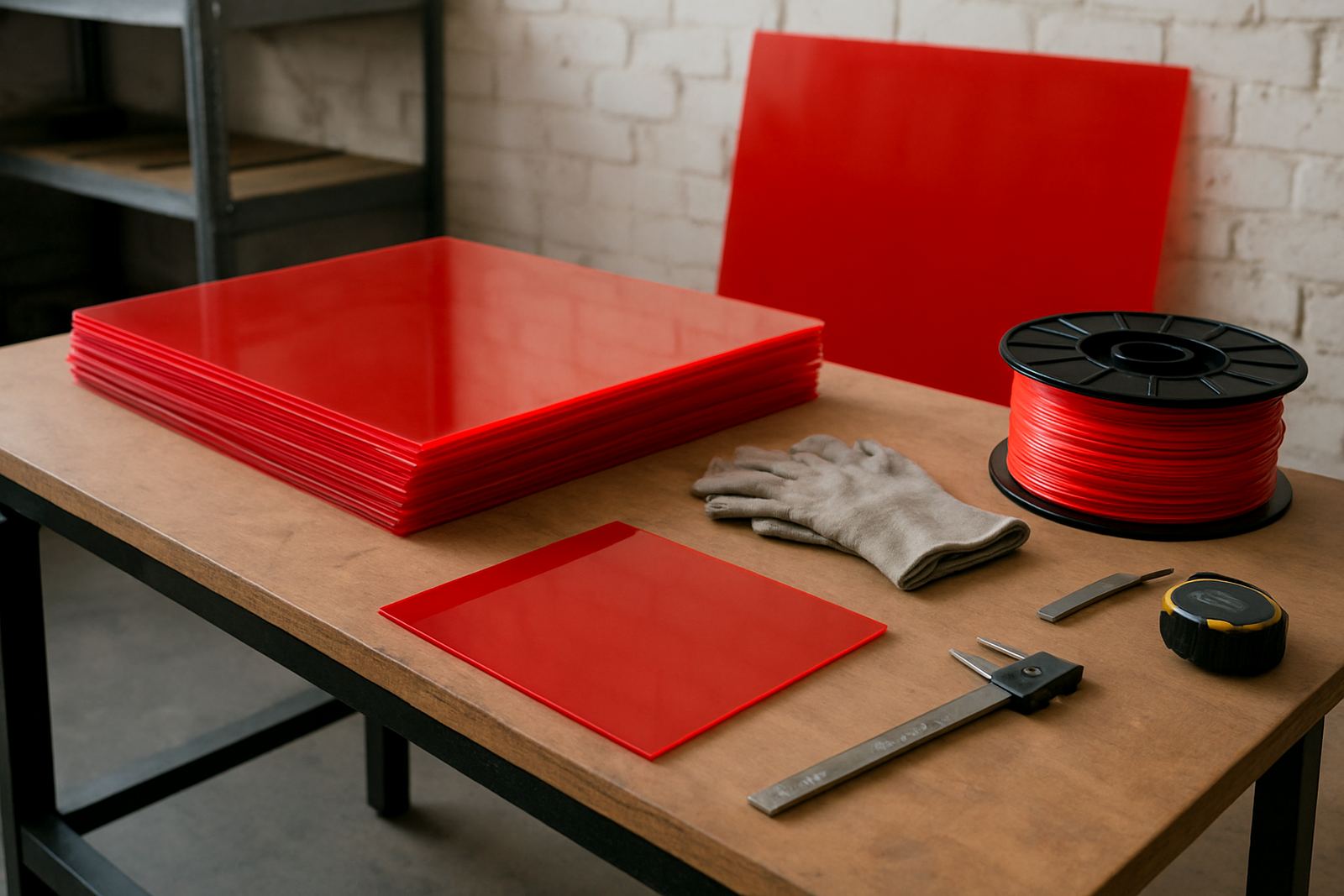
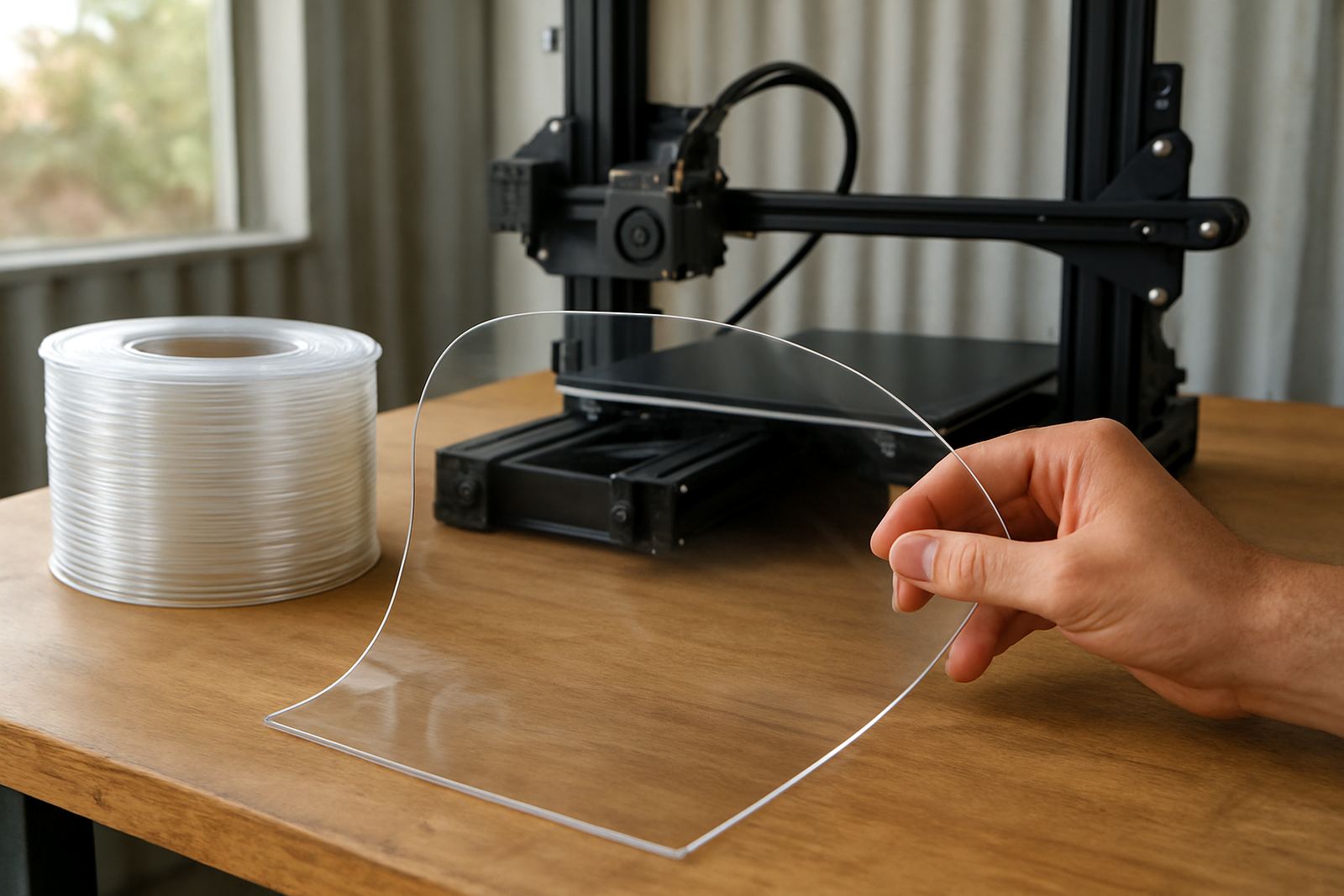
Thick PETG sheet is a clear or coloured thermoplastic sheet used where a lighter sheet would flex too much or mark too easily. It is chosen for machine guards, safety screens, display panels, formed covers, protective cladding and fabricated parts that need a neater finish than plain industrial board. In workshops around Epping, Montague Gardens and Bellville, it is often used where the part must stand up to knocks, repeated cleaning and everyday handling.
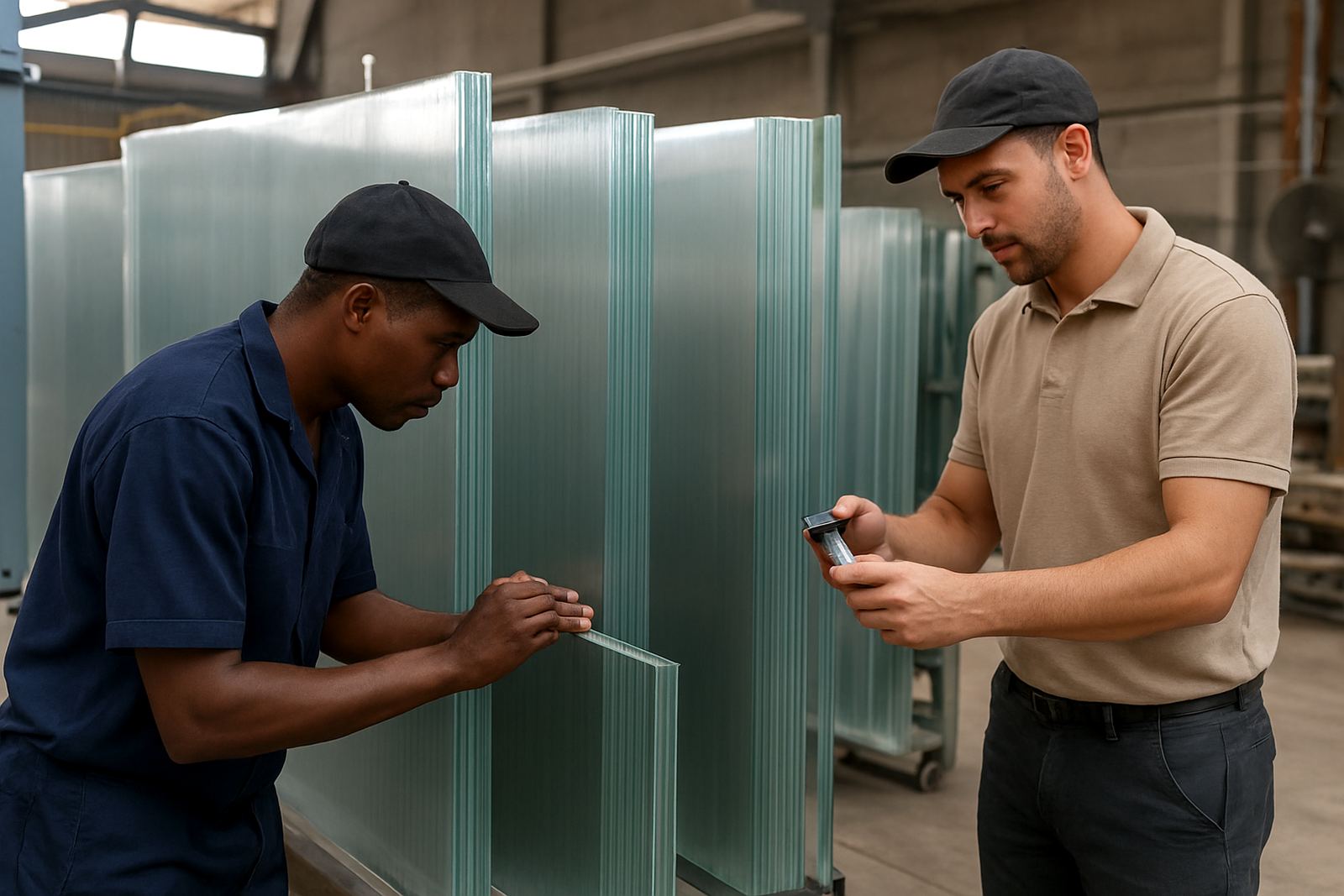
Compared with thinner sheet, the heavier stock has better stiffness and can hold its shape over larger spans. That makes it a practical option for panels near conveyors, service counters, equipment housings and partitions in humid coastal conditions where some materials start to warp. It is not glass, but it gives a good balance of strength, clarity and workability for South African manufacturing and fit-out jobs.
Sizes, thicknesses and cut options
We supply thick PETG sheet in standard large sheet formats and cut it to the dimensions you need. The exact size depends on the job, but common sheet sizes are used for fabrication, sign work and industrial guarding. Thicker stock is generally better for larger panels or parts that need drilling, bending or edge finishing without cracking.
- Thicknesses commonly supplied: 3 mm, 4 mm, 5 mm, 6 mm, 8 mm, 10 mm and heavier gauges on request
- Finish options: clear, tinted or opaque depending on the application
- Cutting options: straight cuts, panel cutting, strip cutting, custom sizing and small batch cutting
- Extra finishing: edge deburring, hole marking and film left on for surface protection during handling
If you need repeated parts, we can keep the cut list tidy with job labelling and batch separation. That helps when material is going out to a site in Somerset West one day and a fabrication shop in Parow the next, especially when the order has mixed sizes.
Where thick PETG performs best
This sheet suits applications where the panel has to cope with handling, cleaning and general wear. It is commonly used for protective barriers, machine guards, printed display covers, inspection windows, signage backers and structural pieces in fabricated assemblies. For design studios and prototype work, it gives a good presentation finish and can be cut into clean shapes without the edge chipping you might see on brittle materials.
It also suits environments where the air is damp or salty, such as workshops closer to the coast, because the sheet does not corrode. When the load-shedding schedule changes or a site shuts down unexpectedly, material that is easy to store and continue working with later is useful. A good fabricator can drill, cut and mount it without special gas equipment, though heat forming and bending should still be planned properly.
- Typical uses: guards, screens, covers, partitions, panels and light structural fabricated parts
- Good for: workshops, retail fittings, manufacturing, labs, prototypes and display work
- Less suited to: very high temperature zones, direct flame exposure or heavy chemical splash areas
Installation, fixing and workshop handling
Thick PETG sheet can be installed with screws, clamps, standoffs, brackets or adhesive systems chosen for the substrate. Pre-drilling is recommended for fixing points so the panel is not stressed at the hole. Where a clean finish matters, hole marking and edge deburring help reduce the chance of cracking at assembly time. If the panel is going into a guard frame or a machine surround, allow a little clearance for movement because a tight fit can become a problem when temperatures change through the day.
No power or gas is needed for the sheet itself once it is installed, but fabrication usually needs standard workshop tools. A cutting table, hand saw, drill and finishing tools are often enough for straightforward jobs. Heat bending can be done with suitable equipment, but it must be controlled so the surface does not haze or pull unevenly. If the panel is going into a municipal or commercial site, check whether the final installation must meet a site safety rule or access requirement before you cut the full batch.
Care, servicing and cleaning on site
For day-to-day care, wipe the sheet with a soft cloth, lukewarm water and a mild cleaner. Avoid rough pads, strong solvent cleaners and abrasive powders because they can mark the surface. In areas with dust from grinding, timber work or road traffic, regular cleaning keeps the sheet clear and presentable. If the film is left on during transport or installation, remove it only when the panel is ready for use so the face stays cleaner on site.
If a thick sheet is used in a guard or barrier that gets handled often, check the fixings from time to time. Loose fasteners, sharp edges or dirt build-up around the corners can shorten service life. A quick inspection during scheduled maintenance is usually enough, and it is a lot easier than replacing a damaged panel later.
- Use mild soap and water for cleaning
- Store flat or properly supported to avoid bowing
- Keep away from direct flame and high heat sources
- Inspect fixings after heavy use or vibration
What to confirm before you order
Before placing an order, confirm the thickness, final size, colour, quantity and whether you need cut edges or full sheets. If the part is going into a machine, check the fixing pattern, hole positions and the finished clearance around the frame. For couriered orders outside Cape Town, it helps to know whether the parcel must fit a specific vehicle, rack or site entrance so the pieces can be packed sensibly.
If you are ordering for multiple branches or sites, send the details in one list so the cuts can be grouped correctly. That works well for branches in Stellenbosch, Claremont, Paarl and other nearby areas where the same product may need slightly different dimensions. Our team can advise on material choice, packing and the best cutting method for small or larger batches, and then label the job so it arrives ready for assembly.
- Confirm thickness and sheet finish
- Give exact cut sizes in millimetres
- State if holes, deburring or film left on are needed
- Tell us if the order is for collection or courier delivery
Local supply from Epping, with nationwide couriering
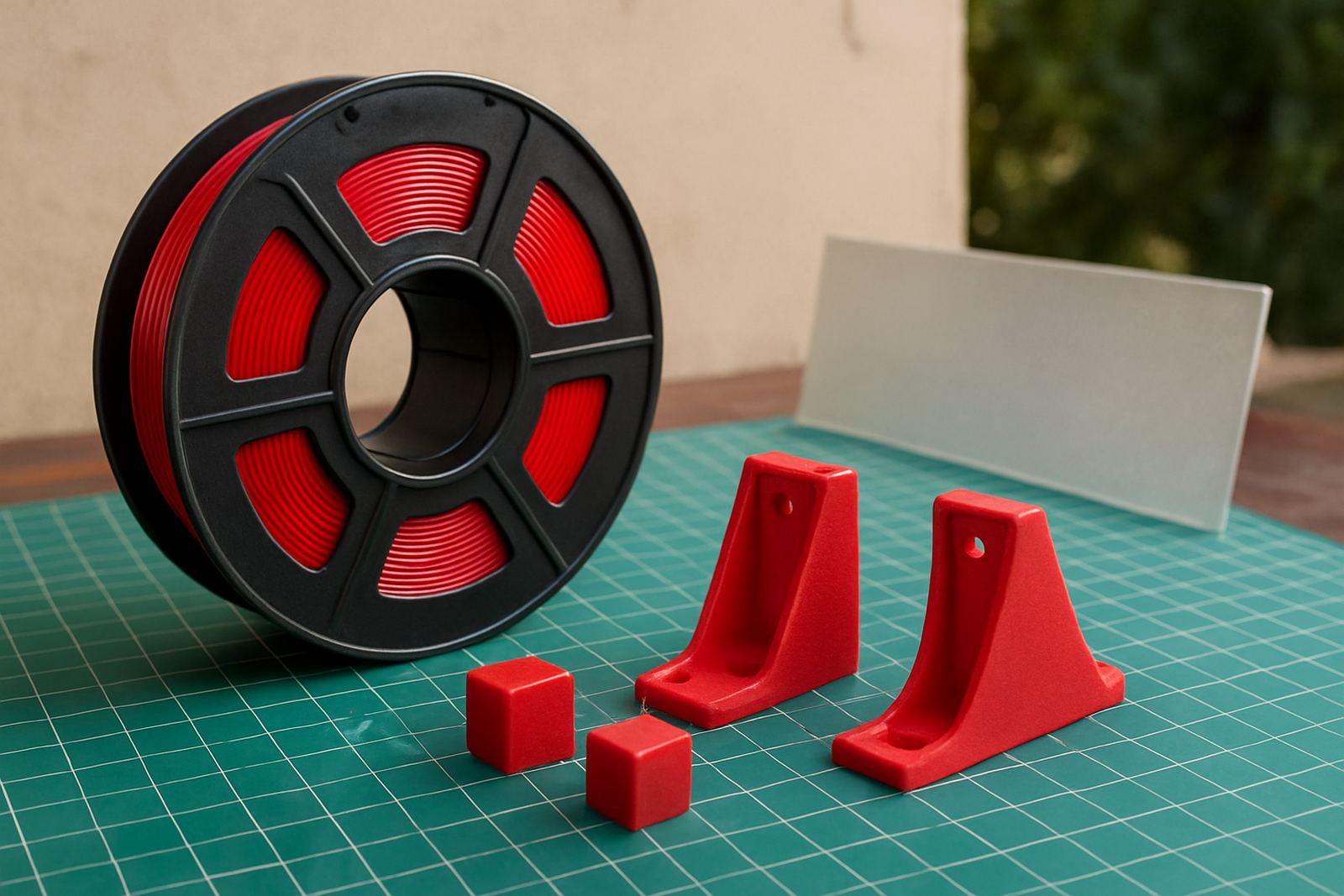
We work from Epping in Cape Town and support collections from nearby areas including Montague Gardens, Bellville, Parow, Somerset West, Paarl, Stellenbosch and Claremont. For sheet jobs, the focus is on accurate cutting, sensible packing and clear labelling so the material arrives in good shape. Filament orders are couriered nationwide, which helps when a prototype team in another province needs material without waiting around for stock.
Whether you are a fabricator, designer, maintenance team or small business owner, thick PETG sheet is a useful material when the job needs a harder working panel with a neat finish. Send the dimensions through the enquiry form and we can help with sizing, cutting and packing to suit the site.
Key facts
| Material | PETG sheet |
|---|---|
| Thickness range | 3 mm to 10 mm, with heavier gauges on request |
| Finish | Clear, tinted or opaque |
| Cutting | Straight cuts, panel cutting, strip cutting and custom sizing |
| Working properties | Good impact resistance, easy to drill and fabricate, suitable for indoor and sheltered use |
| Supply | Cut to size in Cape Town, couriered or collected locally |