
What natural PETG filament is used for
Natural PETG is a clear to milky translucent filament made for general purpose 3D printing where you want a neat finish without a strong colour tone. It is a sensible choice for parts that must look clean on the bench, in a showroom or in a production environment, and it handles better than brittle materials for many everyday jobs.
In Cape Town and other coastal areas, natural PETG is popular for prototype housings, small brackets, protective covers, display parts, fluid handling components and workshop aids. It prints with good layer adhesion and can take more heat than basic materials, which helps when parts sit near warm machinery, sunny windows or vehicle interiors. If you need a part that looks tidy and still copes with regular use, this is a practical option.
Sizes and buying options available
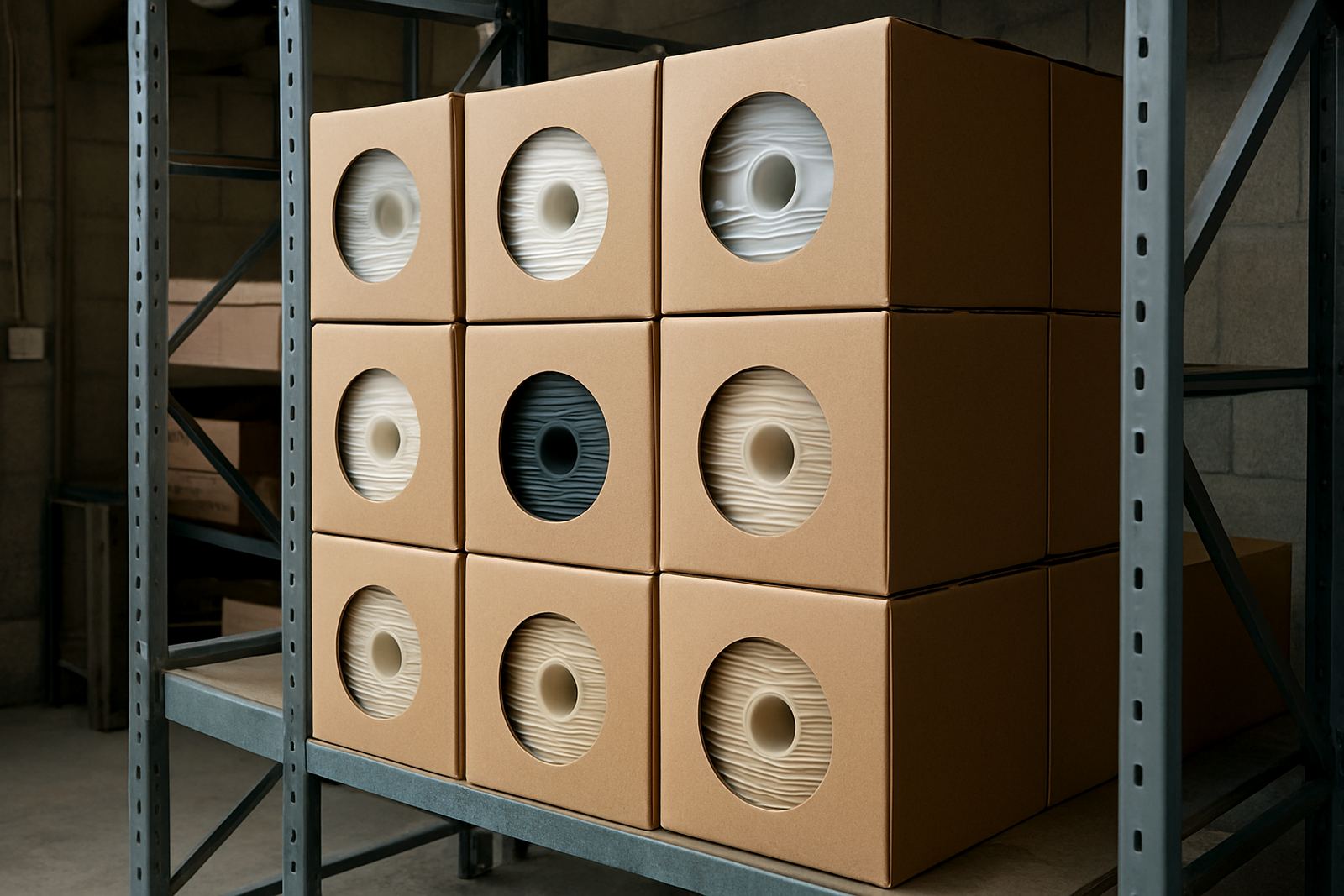
Natural PETG filament is normally supplied on standard spools for benchtop and workshop 3D printers, with common diameters suited to most machine setups. When ordering, check the filament size your printer takes and confirm the spool weight needed for your job. Many customers buy one spool for testing, then move to repeat batches once the settings are dialled in.
- Common filament diameter: 1.75 mm for most compact printers and many mid-range machines
- Spool format: standard wound spool for direct loading
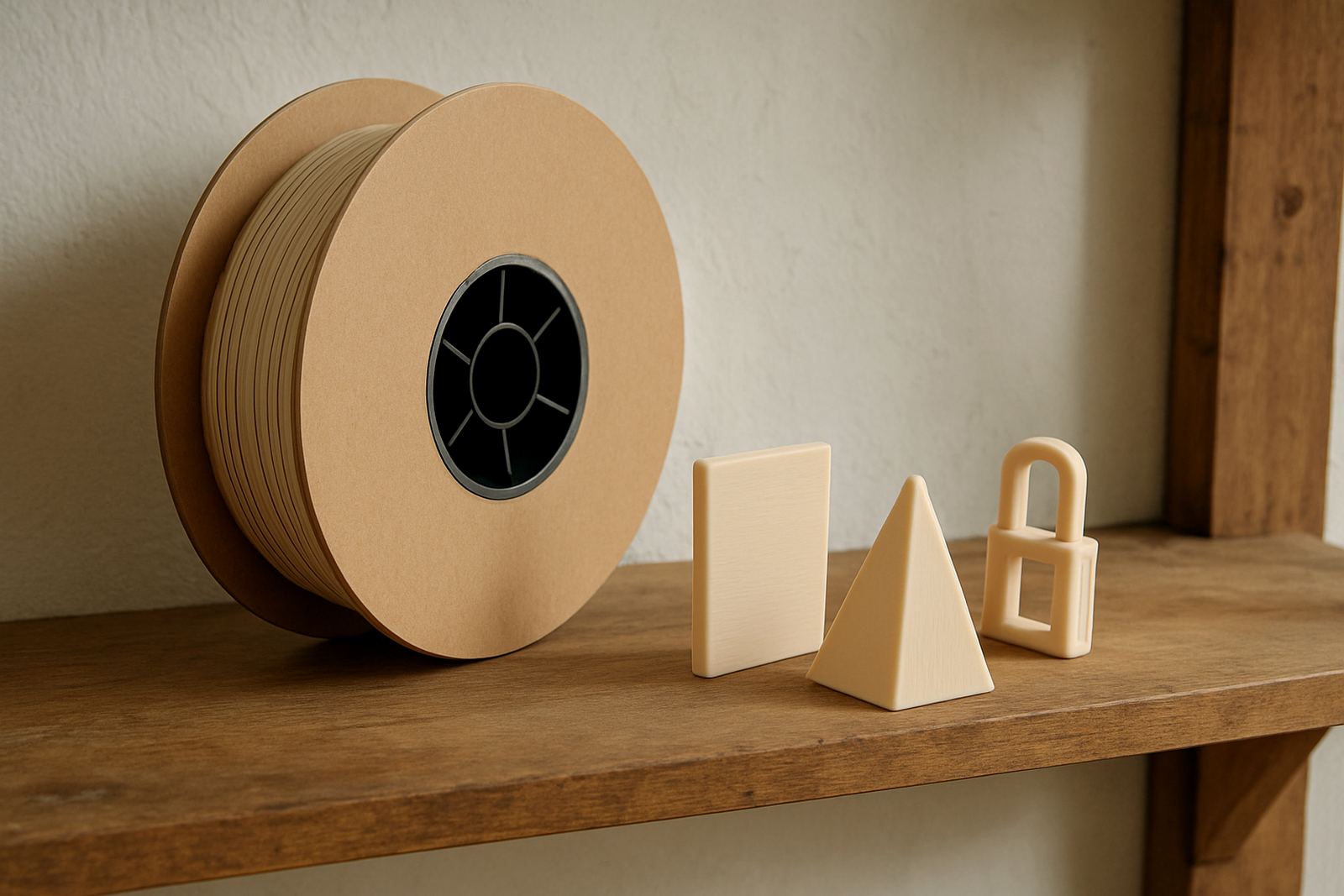
- Colour: natural, with a clear or lightly frosted finish depending on print settings
- Order sizes: single spools for samples, or multiple spools for ongoing use
For larger production runs, it helps to keep the same batch together so print colour and finish stay consistent. If you are running parts across different sites, such as Epping, Bellville or Somerset West, it is worth confirming the quantity before couriering to avoid delays and partial runs.
Where natural PETG works best
This filament suits makers, designers, engineers and small manufacturers who need repeatable parts with a tidy appearance. It works well for functional prototypes, clips, guards, brackets, cable guides, light fittings, sample enclosures and presentation models. Because the natural tone is neutral, it also takes labels, paint or post-processing well when the part must be marked for internal use.
Natural PETG is often chosen when a client wants the part to look clean without heavy colouring. That makes it useful for product development in Cape Town, office equipment support in the Northern Suburbs and small fabrication jobs in industrial areas where a neat finish matters. It is not the best choice for parts that must flex a lot, but for many straight forward applications it performs very well.
- Good for prototypes that need to look presentable
- Suitable for functional parts with moderate heat exposure
- Useful where transparency or a light natural finish is preferred
- Handy for short runs and repeat parts with the same settings
Printer setup, power use and operating conditions
Natural PETG does not need gas or special site services. You only need a compatible 3D printer, stable electricity and a clean, dry storage area. In South Africa, load-shedding means it is worth planning prints with a backup power supply or a printer that can recover cleanly after interruption. Long prints can run for many hours, so power stability matters more than people sometimes expect.
For best results, keep the spool dry and avoid leaving it near open windows, damp stores or hot vehicles. Coastal humidity in places like Cape Town can affect filament over time, especially if the packaging is opened and left exposed. A dry cabinet or sealed container with desiccant helps keep feeding smooth. Use a level build plate, sensible bed temperature and a nozzle setting that matches the filament specification. If the part has overhangs or fine holes, take extra time to check support settings before starting the run.
- No gas supply required
- Standard single phase workshop power is usually enough
- Works best in a dry, dust controlled space
- Backup power is useful for long prints during load-shedding
Care, storage and servicing between jobs
Good storage keeps PETG printing consistently. After use, wipe dust off the spool edge and return it to a sealed bag or dry box. If the filament has absorbed moisture, you may see popping, stringing or dull surfaces. That can often be reduced by drying the spool before the next job, depending on your printer and setup.
It also helps to check the feed path, guide tube and nozzle condition regularly. PETG can leave fine residue after longer runs, so a clean nozzle and smooth spool path reduce jams. If you are doing batch work, label each spool with the job date and machine settings. That makes repeat orders easier and helps when several operators are sharing the same printer bank.
- Store sealed and dry when not in use
- Check for moisture before starting a long print
- Clean the nozzle and feed path on a schedule
- Keep notes on settings for repeat jobs
What to confirm before you order
Before ordering natural PETG filament, confirm the filament diameter, spool weight and your printer's temperature range. It also helps to know whether the part needs a clear finish, a frosted natural look or post-processing after printing. If you are working to a deadline, check how many spools are needed for the full run and whether you need extra stock for test prints.
For customers collecting from Epping or arranging courier delivery nationwide, clear job details help avoid delays. Note the printer model, intended use and any special requirements such as low odour operation, higher heat tolerance or smooth visible surfaces. If the job is for a client presentation or a functional prototype, say so upfront, because the settings and finish may need a different approach.
- Confirm filament diameter and spool size
- Match the material to your printer settings
- Allow for test prints on new jobs
- Specify if the part is for appearance or function
Key facts
| Product type | Natural PETG 3D-printing filament |
|---|---|
| Diameter | 1.75 mm standard option |
| Finish | Natural, clear to lightly frosted |
| Use case | Prototypes, functional parts, covers, brackets and general workshop printing |
| Supply | Single spools or multi-spool orders, couriered nationwide |
| Storage | Keep dry, sealed and away from dust and direct sun |