
What Grey PETG Filament Is Used For
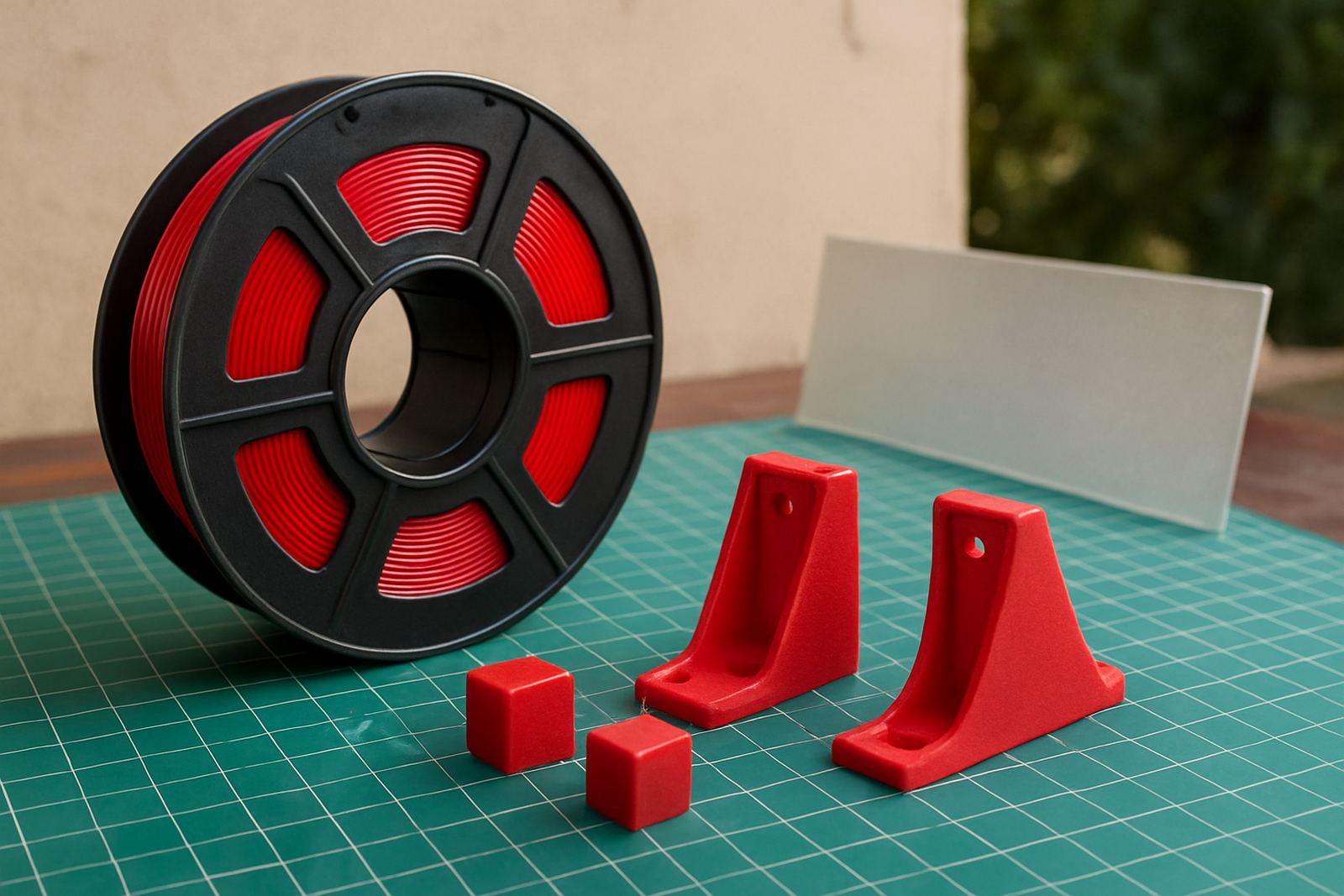
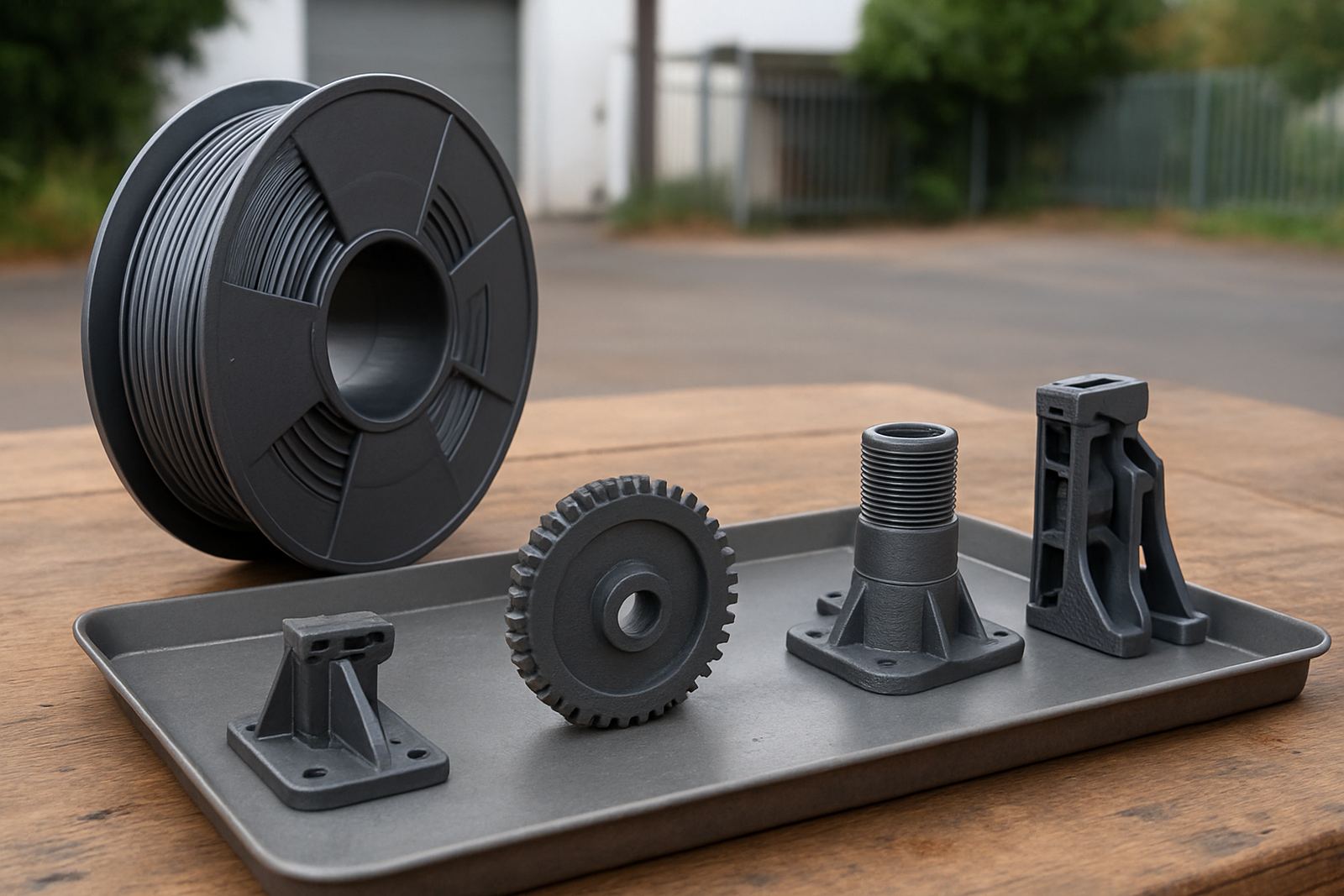
Grey PETG is a strong, easy-to-work thermoplastic filament for fused filament 3D printing. It sits in the middle ground between everyday prototyping materials and tougher production-grade options, so it is often chosen for parts that must look tidy and hold their shape in regular use. In a workshop setting it works well for brackets, covers, alignment aids, ducting, sample parts and low-volume production items.
The grey finish is useful when you want a neutral appearance without the shine showing every fingerprint or scuff mark. It is popular in manufacturing, product design, maintenance departments and educational labs, especially where parts are handled often. In Cape Town and other coastal areas, PETG is also a practical pick because it handles humidity better than many basic print materials and is less brittle in day-to-day use.
For parts that need a bit more toughness than standard classroom filament but do not need engineering resin or machining from solid plastic, grey PETG is a sensible working material. It prints cleanly on most well set up benchtop machines and can be used for both one-off prototypes and repeat jobs.
Sizes, Spools and Print Settings That Matter
Grey PETG filament is usually supplied on spools in standard diameters for benchtop and workshop printers. The two common diameter options are 1.75 mm and 2.85 mm, so it is important to match the filament to your machine before ordering. Spool weight is commonly 1 kg, though some users buy multiple spools for batch work or colour consistency across a project.
Typical print settings depend on the machine but most users run PETG hotter than PLA and slower than they would for very light prototype work. A heated bed is strongly recommended. Enclosed printers are not always necessary, but they can help with stable layer bonding in cooler rooms or where the workshop gets draughty. For coastal towns, keeping filament dry matters too because moisture can cause stringing and a rough surface finish.
- Filament diameter: 1.75 mm or 2.85 mm
- Spool size: usually 1 kg
- Recommended nozzle temperature: about 230 to 250 °C
- Recommended bed temperature: about 70 to 90 °C
- Cooling: light to moderate fan depending on part detail
- Dry storage: sealed container or dry box when not in use
Where Grey PETG Works Best in South Africa
This material suits parts that need a better working life than basic display prints. It is commonly used for jigs, fixture bodies, machine covers, clips, cable guides, housings and concept parts that still need to look presentable on the factory floor or in a client demo. Grey is also a good colour for technical models because it photographs well and keeps attention on form rather than colour.
In municipal and workshop environments, the practical advantage is simple: grey PETG helps you produce parts that are neat, serviceable and easy to inspect. It is often a better visual fit for mechanical components than bright colours, especially where staff need to label, test or fit the part later. If you are working from Cape Town to Gauteng, or sending parts to clients in smaller towns, the neutral finish usually travels well and looks professional on arrival.
- Technical prototypes and presentation models
- Workshop jigs, guides and fixtures
- Light-duty machine covers and guards
- Cable management and enclosure parts
- Short-run production items
- Parts that need a tidy industrial look
Power Needs, Printer Setup and Workshop Conditions
Grey PETG filament does not need special gas supply or compressed air to print. It does need a capable 3D printer, stable electricity and a bed that heats evenly. In areas affected by load-shedding, a small interruption can spoil a print if the machine is not supported by a backup power solution, so users often plan longer jobs around the local power schedule. For batch printing, that matters because a part may run for several hours.
Good bed adhesion is important, but you do not want the part fused so hard that removal causes damage. A clean build surface and correct first-layer settings go a long way. If you are printing in a garage, factory room or storeroom, keep dust down as much as possible. Fine dust and moisture can both affect consistency. It is also worth checking that your printer can hold temperature steadily on longer prints, since uneven heating can show up as weak corners or rough layer lines.
For users in Cape Town’s coastal strip or inland areas with cooler evenings, a stable ambient temperature helps. PETG is forgiving, but it still performs best when the printer is set up properly and the filament is stored dry between jobs.
Care, Storage and Ongoing Servicing
Grey PETG is straightforward to keep in good condition if you treat it like working stock rather than loose workshop material. Keep the spool sealed when not in use and avoid leaving it near open windows, damp floors or direct sun. If the filament starts to pick up moisture, you may notice popping at the nozzle, extra stringing or a duller finish on the print.
For regular servicing, check the nozzle for build-up, clean the drive path and confirm that the spool feeds freely. PETG can leave residue if the printer is not maintained, especially after long runs. If a job is being repeated for clients or production, it is worth doing a small test print first so you can confirm the setting before running a full batch. That saves time and material.
If parts are going into service in workshops, schools or small manufacturing spaces, inspect them after the first few days of use. Look for cracking around holes, warping at corners and any sign of poor layer bonding. A simple print adjustment early on is easier than remaking a batch later.
What to Check Before You Place an Order
Before you order grey PETG filament, make sure the diameter matches your printer and that you know how much material the job will use. If you are matching an existing production part, check the colour tone against your sample because grey shades can vary slightly between batches. It is also worth confirming whether you need a matte look, a glossier surface or a finish that photographs well for client sign-off.
For courier deliveries nationwide, think about timing and storage on arrival. If the spool is going straight into production, have the printer ready and the area dry. If you are buying for a larger project, ask for enough stock to keep colour and consistency together across the run. And if the part has to fit another component, confirm the tolerance requirements early so you do not end up with a reprint.
- Confirm filament diameter: 1.75 mm or 2.85 mm
- Check spool quantity needed for the full job
- Match the grey tone to your sample if colour matters
- Plan for dry storage on arrival
- Allow for test prints before a batch run
- Check the printer can run PETG temperatures reliably
Ordering Through PETG in Cape Town
PETG supplies grey PETG filament from Epping, Cape Town and works with clients across South Africa. If you are close by, collection areas include Epping, Montague Gardens, Bellville, Parow, Somerset West, Paarl, Stellenbosch and Claremont. For everyone else, courier delivery is available nationwide, which suits production teams and makers who need stock delivered to site without extra trips.
The team can help with material advice if you are not sure whether grey PETG is the right choice for a prototype, a workshop fixture or a short run of parts. For clients who already know the printer and the application, the process is straightforward: confirm the size, quantity and delivery method, then place the order through the enquiry form on the contact page. If your job is time sensitive, mention that in the enquiry so the team can plan packing and dispatch properly. It is a practical setup, and it keeps the order moving without fuss.
Key facts
| Product | Grey PETG filament |
|---|---|
| Material type | PETG thermoplastic filament for 3D printing |
| Diameters | 1.75 mm and 2.85 mm |
| Typical spool size | 1 kg |
| Colour finish | Neutral grey, suitable for technical and workshop parts |
| Delivery | Couriered nationwide from Cape Town or collected in selected local areas |