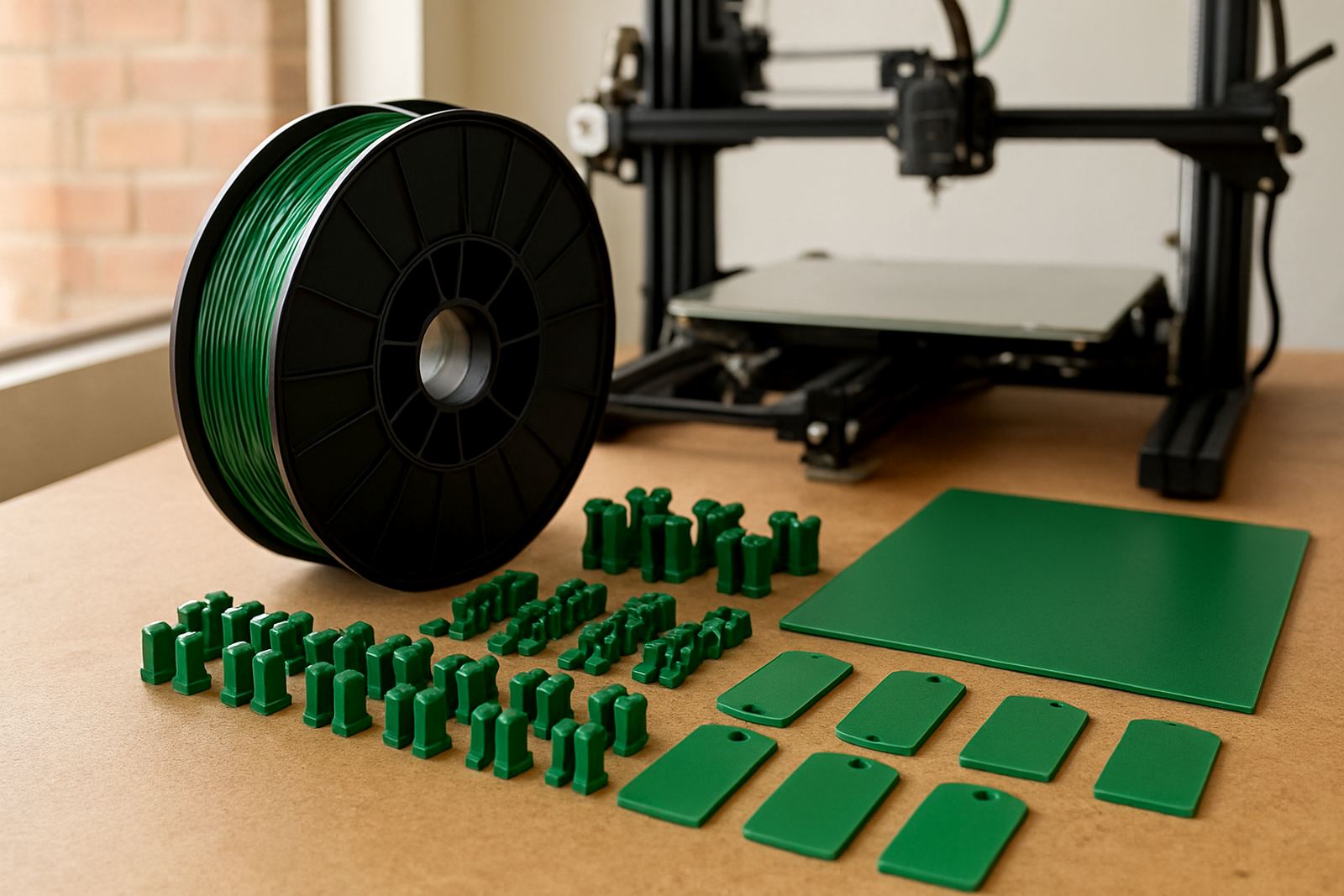
What green PETG filament is used for
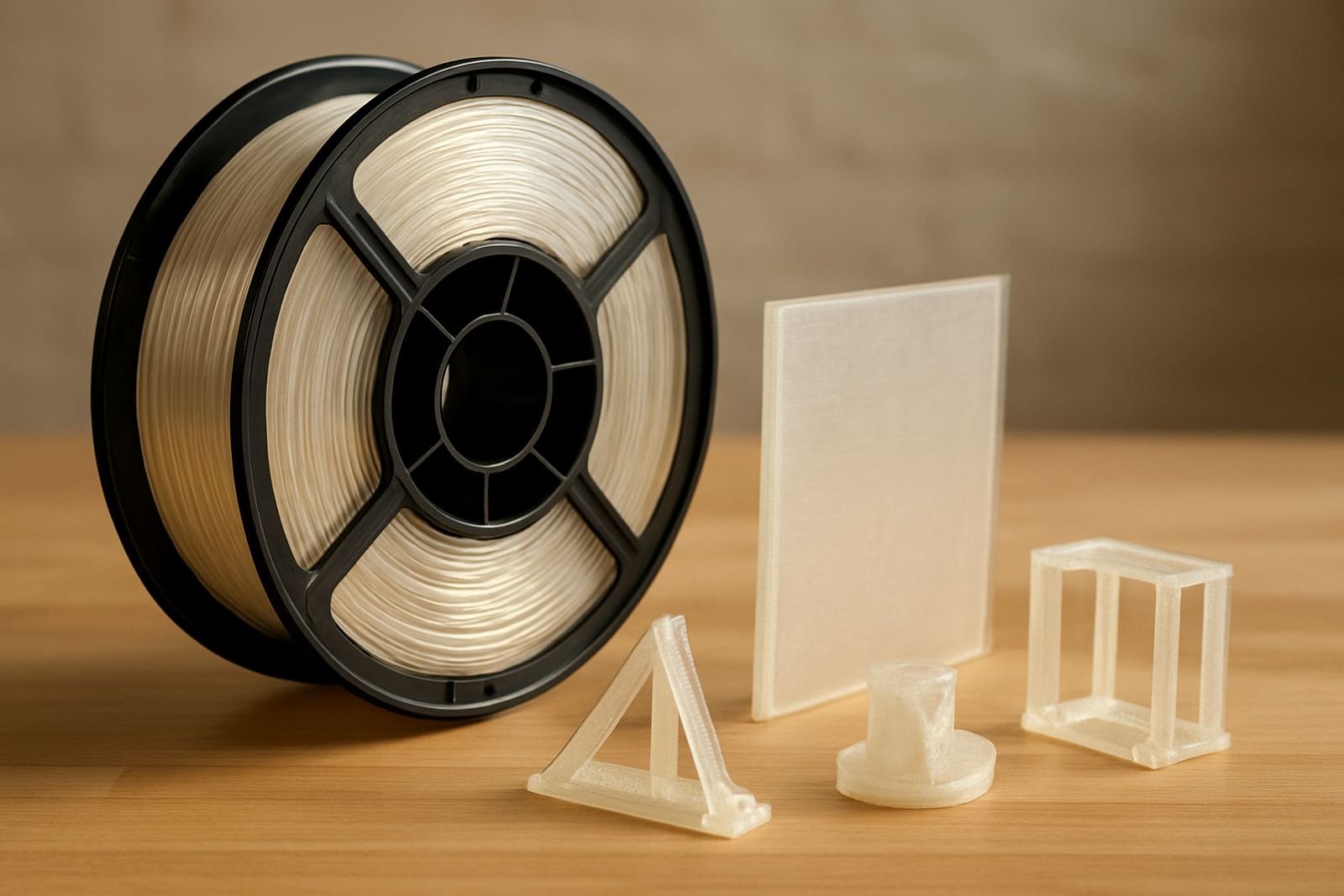
Green PETG filament is a tough, easy-to-use material for 3D printing parts that need a neater look than standard utility plastics. It is commonly used for covers, brackets, jigs, signage mock-ups, display pieces, housings and test pieces in workshops, schools and small production runs. The green colour helps with part identification on the shop floor, so teams can separate tooling, trial parts and final components without having to mark everything by hand.
In South African conditions, PETG is popular because it handles heat and daily handling better than many brittle filaments. It is a sensible option for coastal areas too, where humidity can affect storage and print consistency if the material is left open. For prototyping and light-duty end-use parts, green PETG gives you a good balance between impact resistance, clarity of detail and practical colour coding.
- Suitable for custom parts and design models
- Useful for tooling, jigs and colour-coded production items
- Works well where strength and finish both matter
Sizes, spool options and print settings to plan for
We supply green PETG filament in the common benchtop printer diameter used by most FDM machines, with spool weights suited to both sample work and larger print runs. If you are running short test jobs in a studio or full production across a workshop, it helps to match the spool size to your actual throughput so you do not end up with half-used reels lying around. Ask for material advice if you are not sure which quantity makes sense for your job.
As a guide, PETG usually prints around 230 to 250 degrees Celsius at the nozzle and about 70 to 90 degrees Celsius on the bed, depending on the printer and part geometry. A heated bed is strongly recommended. A closed or partially enclosed printer can help in windy Cape Town winter conditions or where load-shedding interruptions make chamber temperatures less stable. Good first-layer adhesion and a dry spool matter more than people think, especially on longer jobs.
- Standard filament diameter for benchtop FDM printing
- Available for single spools and repeat supply for batch work
- Heated bed recommended for better adhesion and fewer warps
- Store sealed when not in use, especially in humid coastal areas
Where green PETG suits best in South African workshops
This filament suits manufacturing teams, designers, educators and makers who need parts that are neat enough for presentation but still practical enough for handling. It is often used for functional prototypes, machine guards, labels, mountings, organiser inserts and inspection aids. If your workplace uses colour coding for departments or processes, green is useful for separating batches without needing extra stickers or paint.
It also works well for smaller businesses in places like Epping, Montague Gardens, Bellville, Parow, Somerset West, Paarl, Stellenbosch and Claremont where quick turnaround matters. Because we courier nationwide, customers outside Cape Town can still order the same material without having to plan a trip to the workshop. For local collections, our Epping base gives you an easy pickup point when you need material fast.
- Manufacturing jigs and fixtures
- Design models and presentation samples
- Educational projects and lab parts
- Colour-coded shop floor tools and inserts
How to use it on the printer and what it needs
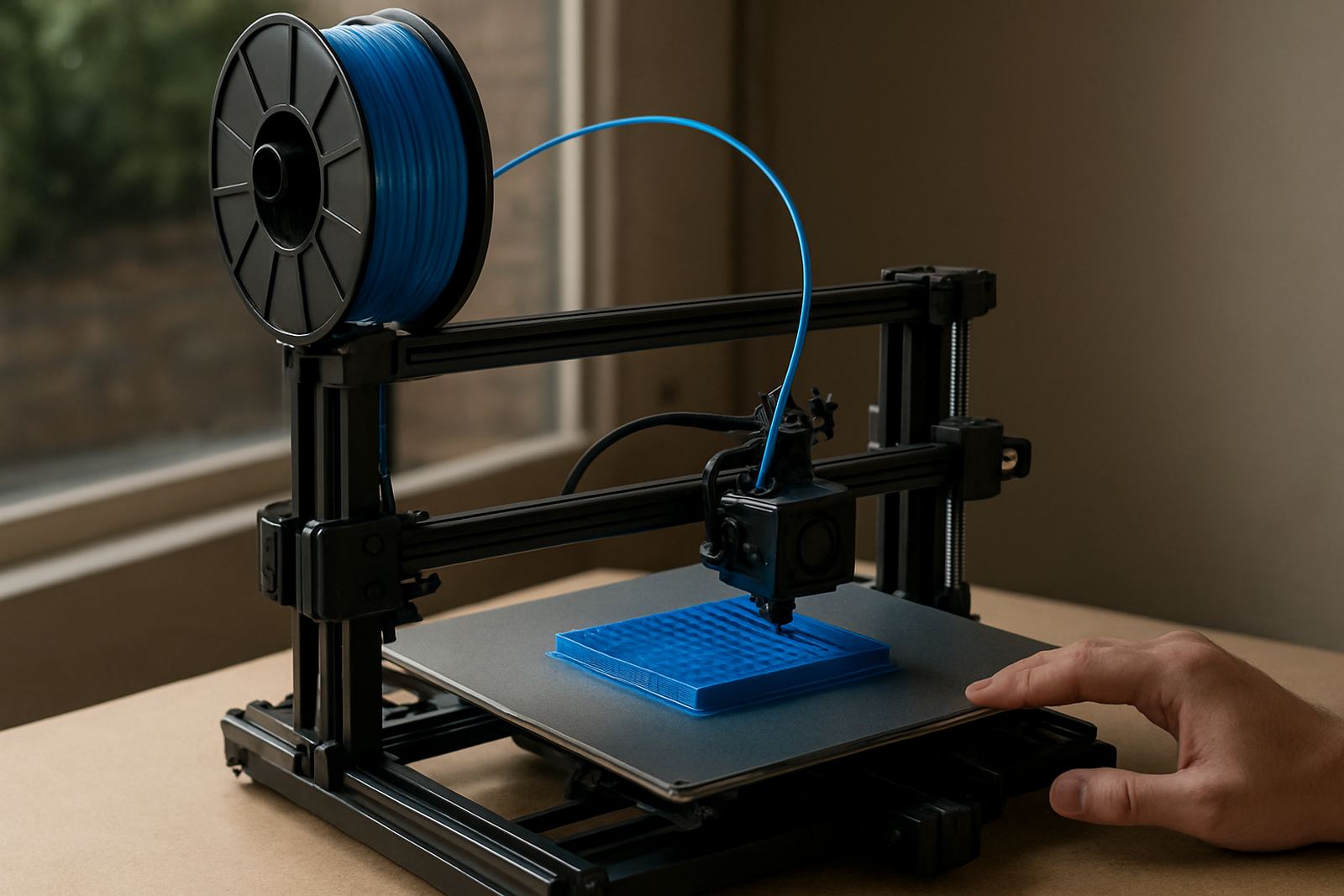
Green PETG filament does not need gas or special site services. You only need a compatible 3D printer with a stable power supply, a clean print bed and the correct nozzle temperature. If your area is prone to load-shedding, it is worth planning prints with recovery in mind, because sudden power cuts can affect layer bonding and waste material. A printer with resume function can help, but a stable UPS is even better for longer jobs.
Use a dry, dust-free setup and keep the spool away from direct sunlight or damp storage rooms. If you are printing near a coast, condensation and salt air can affect surface finish over time. A basic enclosed storage tub with desiccant is often enough. Avoid running the filament too hot, because over-heating can cause stringing and reduce the clean finish many customers want from PETG.
- No gas connection required
- Best with a heated bed and steady electrical supply
- Dry storage improves print quality and consistency
- Suitable for workshops, studios and home printers
Care, storage and servicing between print runs
Because PETG is hygroscopic to a degree, it will pick up moisture if it is left out for too long. That moisture can show up as popping, wispy strings or a rough surface on the part. Keep the spool in sealed packaging or a dry container when not in use. If the filament has been exposed to damp air, drying it before the next print can improve results a lot, especially on fine detail work.
There is little servicing involved beyond good storage, clean feed paths and checking that the nozzle is not worn or partly blocked. A dirty extruder or inconsistent bed levelling can make even good filament behave badly, so it pays to check the machine before blaming the material. On large batches, label each spool and batch clearly so the same settings can be reused without guesswork. That saves time and reduces scrap.
- Store sealed and away from moisture
- Check for dust, worn nozzles and bed levelling issues
- Dry the filament if it has been stored open
- Label batch and print settings for repeat work
What to check before you order green PETG
Before ordering, confirm the filament diameter your printer accepts, the spool weight you need and whether your job is for a single part or a repeat production run. If you are printing for a client, check the colour tone against the sample or application first. Green can look different under workshop lighting versus daylight, so it helps to confirm the shade before you commit to a larger quantity.
Also think about whether you need one spool or a combined supply for multiple machines. If your team works across several sites, we can help you decide on courier packing and job labelling so each reel arrives clearly marked. For local customers in Cape Town, collection from Epping or the surrounding areas can suit urgent jobs, while nationwide couriering is better for scheduled stock replenishment. When in doubt, send the enquiry with your part type, printer model and expected usage and we will guide the order from there.
- Check filament diameter and spool weight
- Confirm the colour shade for your application
- Share printer type, part use and estimated quantity
- Choose collection or courier based on timing
Key facts
| Product type | Green PETG 3D-printing filament |
|---|---|
| Material | PETG |
| Use case | Custom parts, design models and colour-coded tooling |
| Print method | FDM 3D printing |
| Supply | Couriered nationwide from Cape Town |
| Ordering support | Enquiry form on our contact page |