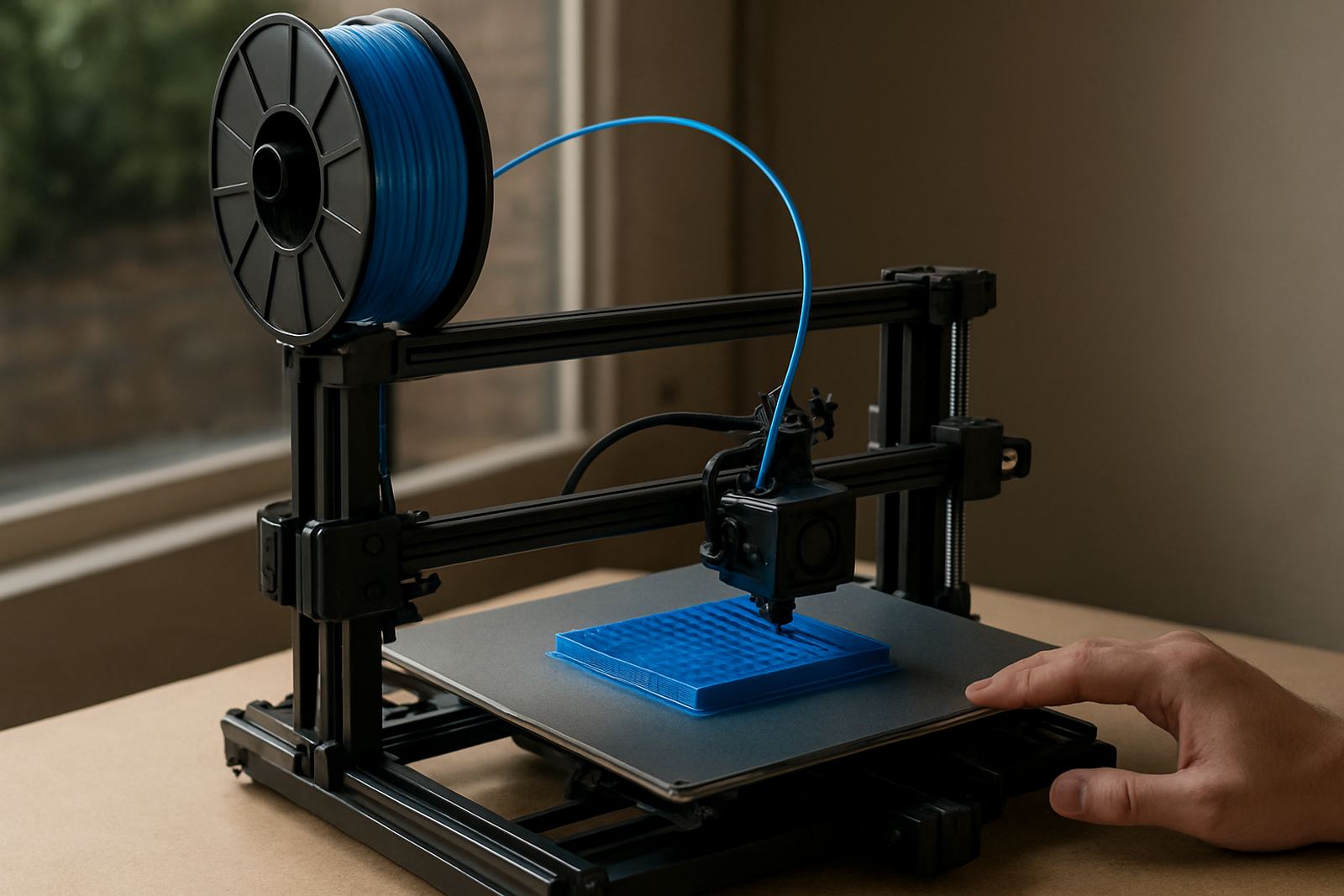
What blue PETG filament is used for
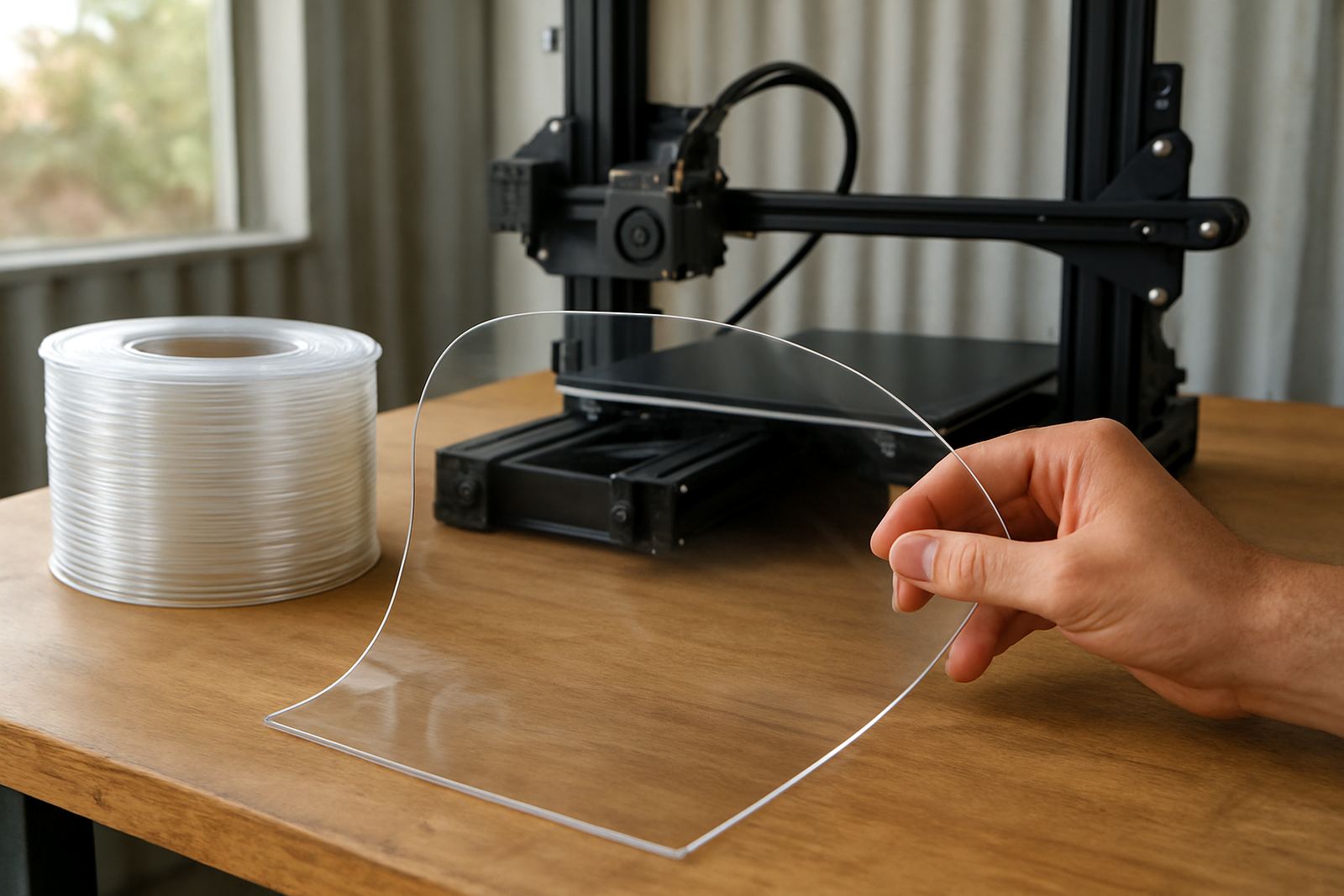
PETG is a tough thermoplastic for FDM 3D printing, and the blue colour is popular when a part needs to stand out in a workshop, showroom or lab. It gives a good balance between strength and ease of printing, with less brittleness than many general purpose plastics and better impact resistance than basic decorative filaments.
Blue PETG suits parts that will be seen by clients or touched often, such as jigs, covers, prototype housings, display pieces and demonstration samples. In a Cape Town workshop, for example, it works well where sunlight, temperature swings and frequent handling can affect cheaper materials. It also has enough visual clarity in the finish to make layer lines tidy rather than harsh, which helps on product mock-ups and fit-check samples.
If you are printing items for shops, factories or design studios, blue PETG gives a clean, professional look without needing special post-processing. It is a sensible middle ground when PLA feels too soft and ABS is more demanding to print.
Sizes, spool options and print settings
Blue PETG is normally supplied on standard spools for benchtop and light industrial 3D printers. Common spool sizes are 1 kg, with larger rolls available on request for users running longer production jobs. If you need consistent batches for repeat parts, it helps to keep the same diameter, colour batch and print profile across the job.
For reliable results, most printers run PETG in the following range. Settings will still vary by machine, nozzle wear and cooling setup:
- Nozzle temperature: 230 to 250 degrees C
- Bed temperature: 70 to 90 degrees C
- Layer height: 0.16 to 0.28 mm
- Print speed: 40 to 70 mm/s
- Filament diameter: 1.75 mm for most benchtop printers
- Recommended nozzle size: 0.4 mm or larger for general work
Blue pigment can change flow slightly from one production batch to another, so if you are ordering for a repeat job it is worth checking the exact diameter tolerance and batch consistency before you commit to a full run.
Where blue PETG performs well in South African workshops
Blue PETG is suited to manufacturing, product development, point-of-sale display work and general prototyping. It can be used for functional shapes that need to resist knocks, short heat exposure and regular handling, while still looking presentable on a counter or in a presentation room.
In coastal areas like Cape Town, humidity can affect how filament behaves in storage, and PETG should be kept sealed when not in use. In inland workshops, dusty environments and temperature changes can also affect print consistency. For that reason, it is best used with dry storage and a printer that can maintain stable bed heat and decent bed adhesion.
It is a good option for:
- Visible prototypes for client sign-off
- Jigs, brackets and locating fixtures
- Colour-coded parts for sorting or assembly
- Display samples and demo units
- Small production runs where appearance matters
- Parts that need a cleaner finish than basic utility plastics
Printer setup, installation and utility needs
Blue PETG filament does not need gas, water or special installation. What it does need is a printer that can hold a steady nozzle temperature and a bed that grips well without excessive warping. If your machine has an enclosed build area, that can help with consistency, though many open-frame printers also handle PETG properly when the settings are correct.
Before loading a new spool, check that the feed path is clean and the nozzle is not partially blocked. PETG can string if retraction is too low, and it can stick too firmly to some build surfaces if the bed is over-prepared. A light adhesive layer or a suitable print surface is usually enough. For larger parts, watch first-layer squish carefully, because too much pressure can leave glossy marks or make removal difficult.
There is no extra electrical or fuel requirement beyond normal 3D printing power. The main point is stable, clean operation, especially if you are running prints during load-shedding windows and need to avoid sudden stops. If you do many long jobs, it is sensible to use power protection and keep your printer on a reliable circuit.
Care, storage and servicing between prints
Like most PETG, the blue filament should be kept dry. Moisture in the filament can show up as popping, stringing or a rough surface finish. Store unopened spools in a sealed bag, and once opened, keep them in a dry box or cabinet with fresh desiccant. This matters in humid areas, especially near the coast, and it also helps when a spool is used slowly over a few weeks.
For machine care, wipe the nozzle area regularly and check the extruder for dust build-up. If you switch between materials, purge the nozzle properly so colour contamination does not show in the first layers. A clean bed is also important, because PETG can leave residue after long print runs.
To keep the spool in good condition:
- Store away from direct sun and heat
- Keep the filament dry after opening
- Do not leave loose ends tangled on the spool
- Inspect for dust before loading
- Re-dry only if the print quality starts to drop
Key facts
| Material | PETG filament |
|---|---|
| Colour | Blue |
| Filament diameter | 1.75 mm |
| Common spool size | 1 kg |
| Typical nozzle temperature | 230 to 250 degrees C |
| Typical bed temperature | 70 to 90 degrees C |