
What dry packed filament is and why it matters
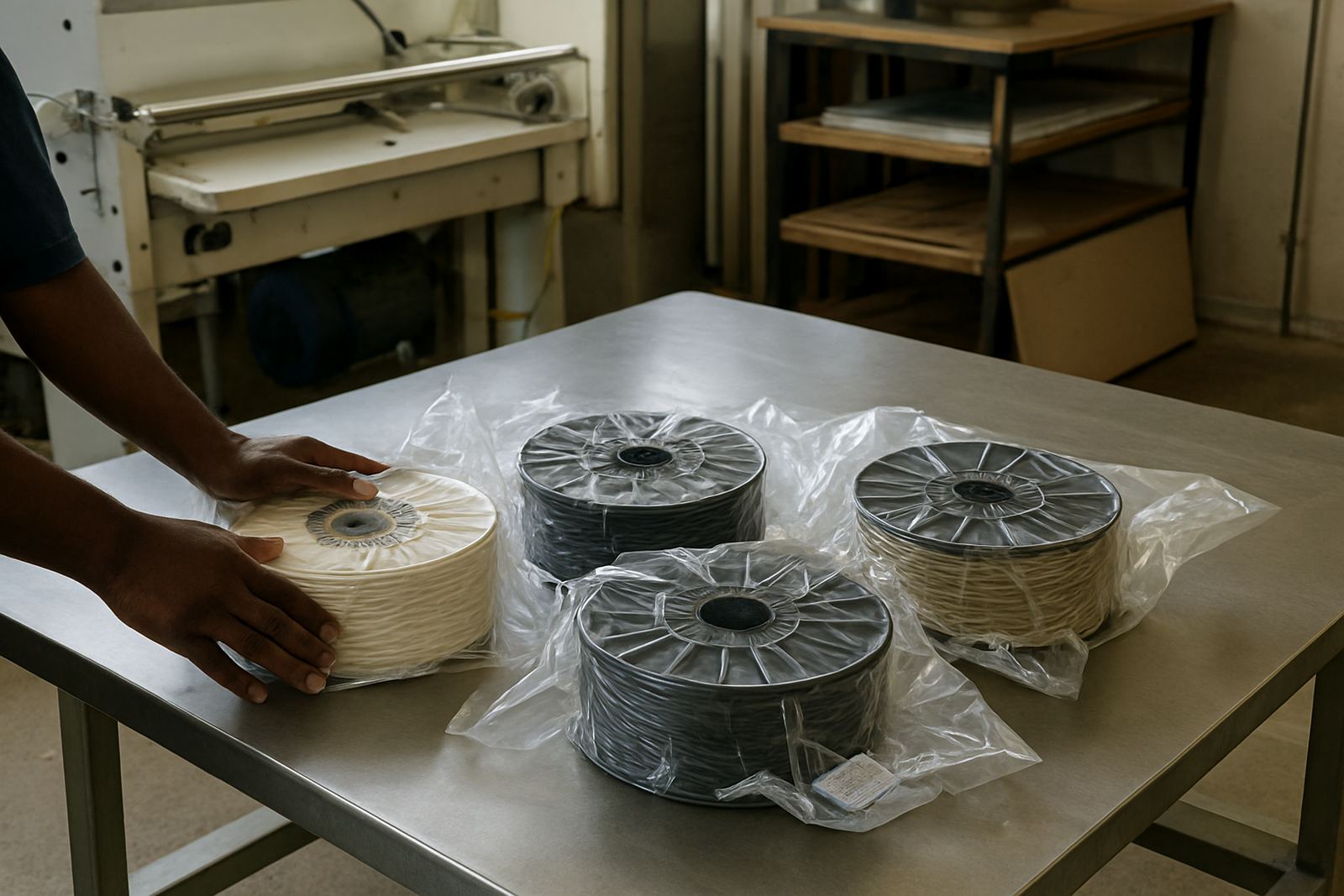
Dry packed filament is packed to limit moisture uptake before it reaches your printer. That matters because many filaments pull in water from the air, especially in humid coastal areas like Cape Town, Somerset West and Durban, and that moisture can show up as bubbling, stringing, rough surfaces or weak layers. In load-shedding conditions, filament may sit longer than planned in stores or at a job site, so clean packing helps preserve quality until you are ready to print.
This product suits anyone who wants filament that arrives ready for storage or immediate use. It is helpful for repeat jobs, sample runs and production work where you need fewer failed prints. The packing method is aimed at keeping the spool in good condition from dispatch through to opening, which is useful for businesses that order in batches and then hold stock for a few weeks.
Formats, spool sizes and packing options
Dry packed filament is available in the most commonly used print diameters and spool formats for benchtop and light industrial printers. The packing can be matched to the material type and the way you store stock, whether that is in a sealed cabinet, on a shelf in the workshop or in a stock room near the machine. For smaller teams, a single spool can be dry packed for short runs. For larger production, multiple spools can be prepared and labelled for traceable use.
- Common diameters: 1.75 mm and 2.85 mm, depending on your printer setup
- Spool formats: standard spools for benchtop machines and larger spools for higher-volume users
- Packing style: moisture-conscious sealed packing for storage and courier transport
- Batch options: single spools, small batches and repeat order quantities
- Labelling: job or material labels can be added where needed for workshop control
In many Cape Town workshops, the practical question is not only what the printer can run, but how long the filament will sit before use. Dry packed supply gives you a cleaner starting point, especially when material is moved between collection, courier and store room conditions.
Where dry packed filament suits best
This product is a good fit for manufacturing teams, prototyping studios, product designers, schools, engineering departments and serious hobby users. It is also useful where printers are shared across a team and filament may be opened, resealed and used over several days. If your work includes presentation models, jigs, fixtures or repeatable test parts, keeping filament dry helps you get more predictable results.
It suits both coastal and inland conditions. In towns with higher humidity, sealed packing helps reduce the chance of moisture damage during delivery and storage. In drier inland areas, the main benefit is keeping stock clean and ready for use after courier transit or collection. Many customers also like the packing because it makes shelf management simpler when different materials are stored together.
- Good for print farms and shared workshop printers
- Useful for schools and training rooms where stock handling varies
- Helpful for recurring parts that need consistent finish and strength
- Suitable for collection in Epping or courier delivery nationwide
Printer setup, installation and power needs
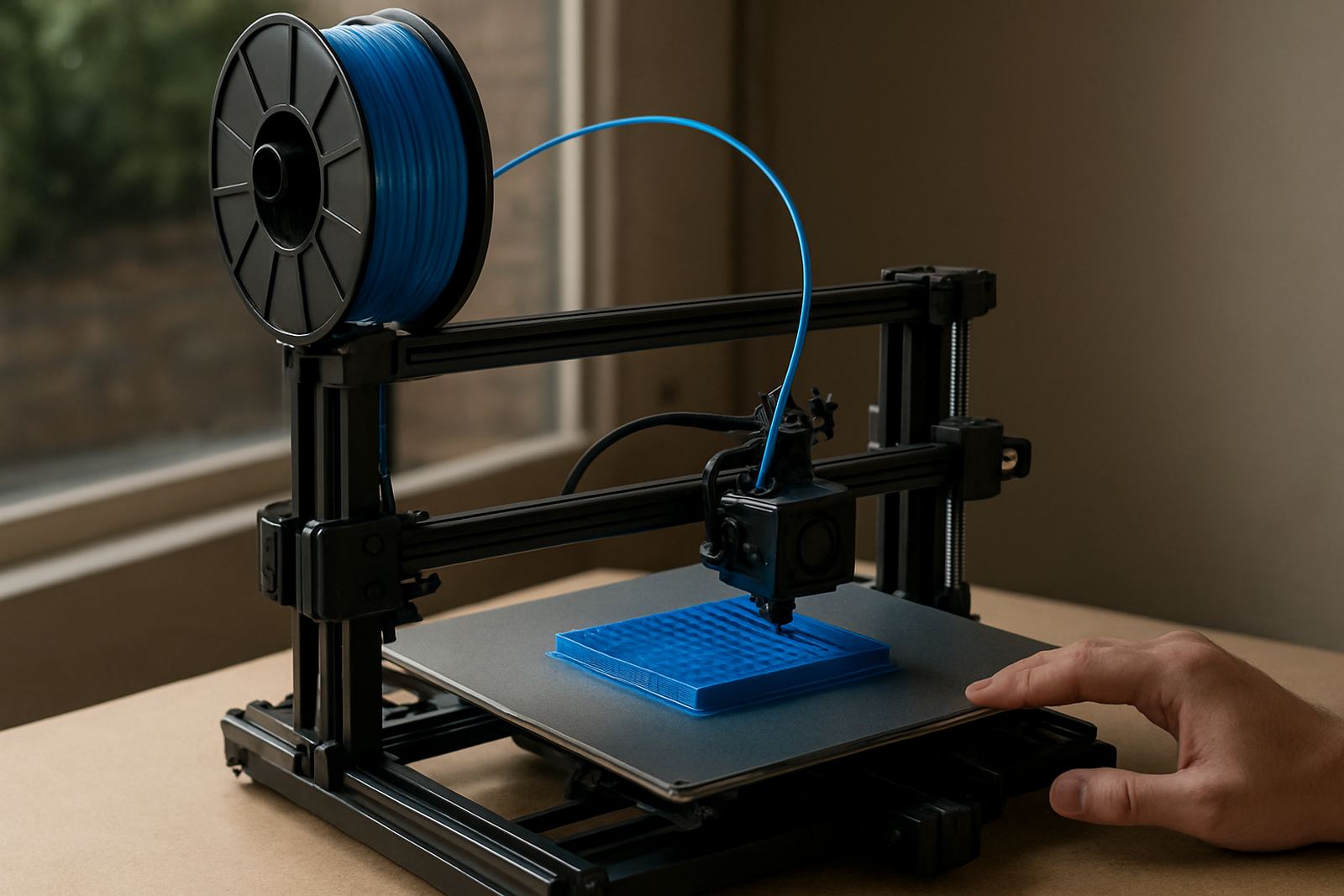
Dry packed filament itself needs no installation, but it does perform best on a printer that is set up correctly for the material you are using. Check your nozzle size, feed path and temperature range before loading a new spool. If you are printing in a busy workshop, keep the spool in a clean holder and avoid leaving it exposed on the machine for long periods. For open-frame printers, a dry box or sealed container after opening can help maintain condition between jobs.
Most benchtop printers run from standard mains power, and no gas supply is needed for filament printing. What matters more is stable electricity, especially during load-shedding when abrupt stops can affect print progress. If you use a UPS or backup supply, make sure it can support both the printer and any heated bed long enough for a controlled pause or shutdown. Ventilation should also be considered when printing materials that give off fumes, particularly in closed rooms or small office spaces.
For users in Cape Town and surrounding areas, it is worth planning where the printer sits in relation to windows, dust and workshop traffic. Dust and damp air are not friendly to precision work. A tidy station and dry storage area usually does more for print quality than extra tinkering later.
Care, storage and re-use after opening
Once opened, dry packed filament should be kept in a sealed bag, dry box or lidded container with desiccant where possible. This is especially important if you are printing in summer humidity or near the coast. If the spool is left out for long periods, it may start absorbing moisture again, which can affect print finish and layer bonding. The better the storage routine, the longer the filament stays ready for use.
For workshops that run jobs in stages, it helps to return the spool to storage after every session and note which job it was used for. That way, you can track what is fresh, what has been opened and what needs to be used first. If a spool starts making popping sounds during printing or the surface finish changes, moisture may already be present and the material should be checked before the next run.
- Store opened spools in a sealed container when not in use
- Keep filament away from direct sun, heat sources and damp floors
- Label opened stock so older spools are used first
- If needed, dry the filament before printing again, according to material type
What to check before you order
Before placing an order, confirm the filament diameter, material type, spool size and the printer model it will run on. If you are using multiple machines, check that all of them accept the same feed size and temperature range. It also helps to think about how the stock will be used: single jobs, repeated production or mixed workshop use. If you need cut-off quantities or batch management, ask for the packing and labelling to be done accordingly.
Also consider delivery timing. If the filament is for a scheduled run, order early enough to allow for courier lead time, especially for outlying towns or busy periods around month-end. If you collect in Epping, you may want the material prepared in a way that makes pickup simple and quick. For customers handling sensitive jobs, it is worth confirming whether you need one spool, a small batch or a larger run packed for storage.
- Confirm diameter: 1.75 mm or 2.85 mm
- Match the material to your printer temperatures and intended use
- Check spool size and whether your holder or feeder can take it
- Decide if you need single, small batch or production quantities
- Tell us if the order is for collection or nationwide courier delivery
Key facts
| Product type | Moisture-conscious dry packed filament |
|---|---|
| Available diameters | 1.75 mm and 2.85 mm |
| Packing format | Sealed for storage and courier transport |
| Use case | 3D printing for prototyping, production and workshop use |
| Storage advice | Keep sealed, cool and dry after opening |
| Dispatch | Collection in Epping or couriered nationwide |