
What 1.75mm PETG filament is used for
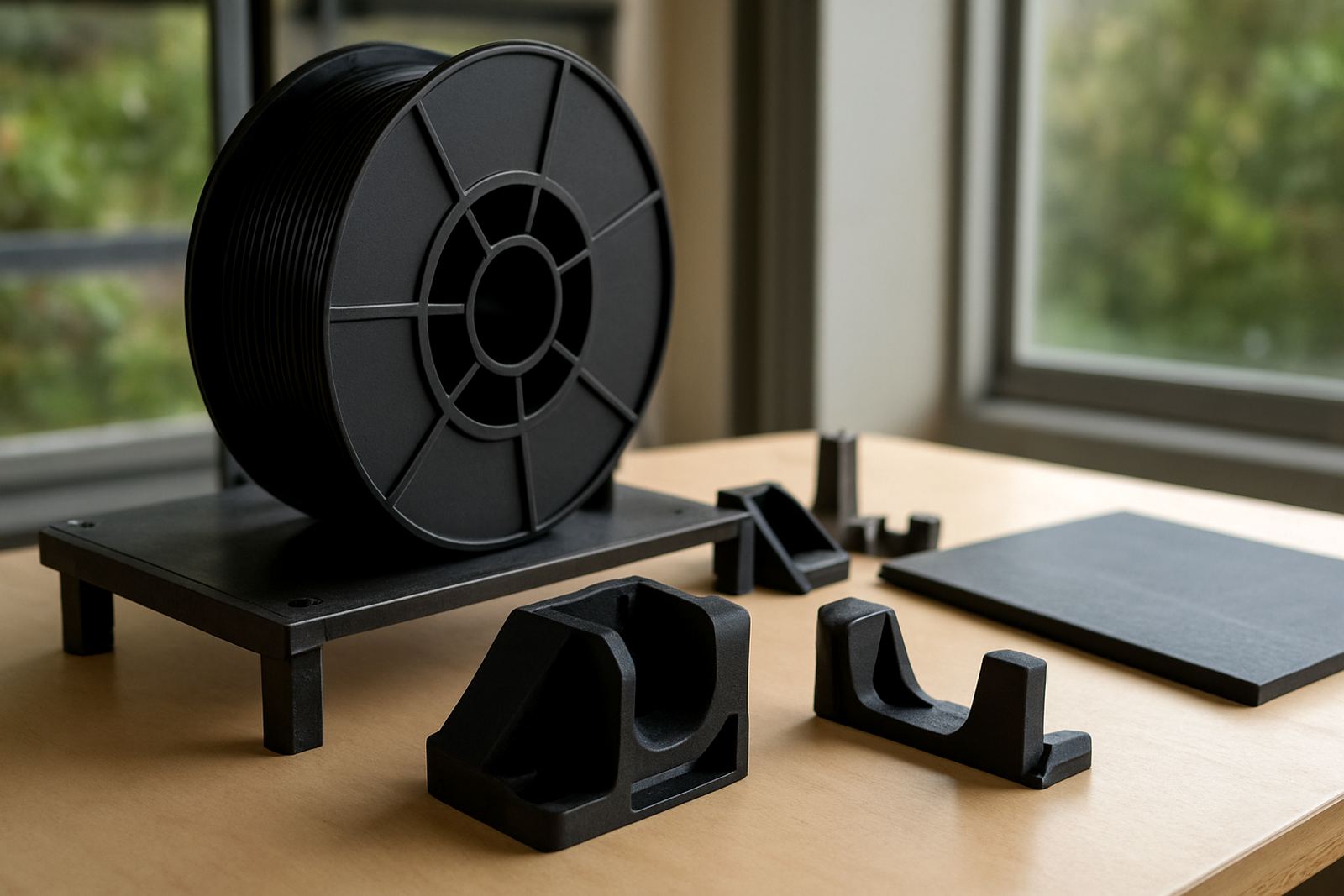
1.75mm PETG filament is a thermoplastic feedstock used on most benchtop fused-filament 3D printers. It is a good middle ground between easy printing and tougher everyday use, which is why it is popular for jigs, brackets, housings, light-duty enclosures and presentation models. In South African workshops, it is often chosen when PLA is too soft and when a more technical material would be overkill.
PETG handles impact better than brittle materials and it copes well with warmer indoor spaces, including studios with direct afternoon sun or workrooms that warm up during load-shedding backup power. It is also less likely to crack during handling, so it suits parts that get fitted, removed and tested more than once.
- Compatible with most 1.75mm FDM and benchtop filament printers
- Useful for prototypes, fixtures, covers and functional parts
- Available for small one-off prints or repeated production batches
- Suitable where a neater surface and stronger part are needed
Sizes, spool choices and material details
The standard diameter is 1.75mm, which is the most common size for benchtop printers in South Africa. Spool size varies by order and usage, with many customers choosing smaller trial rolls first and then moving to larger rolls once a print profile is settled. If you are running more than one printer in a studio or model shop, it often helps to keep the same diameter and colour across the team so settings stay consistent.
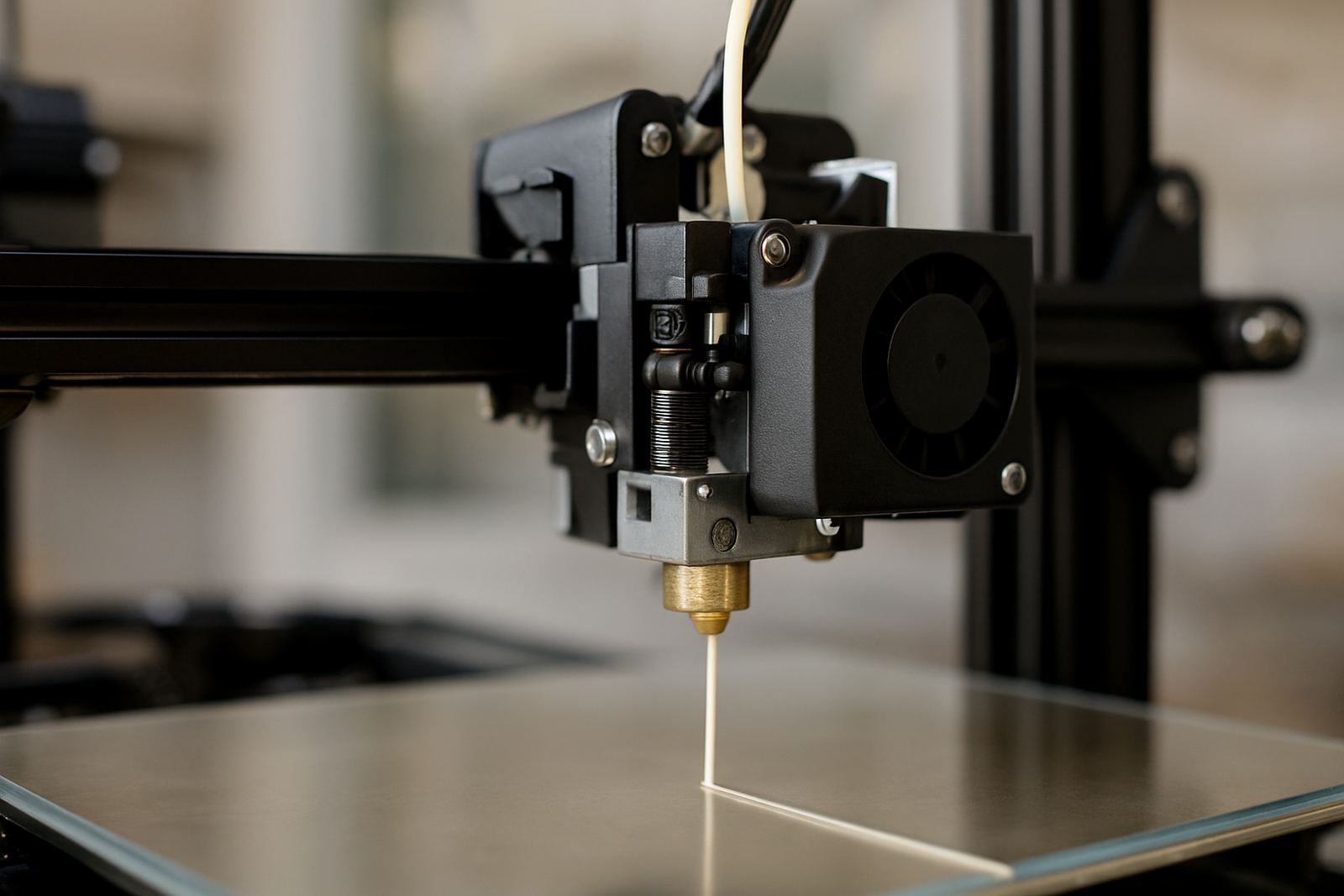
When you order, check the colour, spool weight and whether your printer uses a direct drive or Bowden setup, because that affects feed behaviour. PETG usually prints between about 220°C and 250°C at the nozzle, with a heated bed in the 70°C to 85°C range. A controlled first layer matters more than speed if you want clean edges and fewer failed prints.
- Diameter: 1.75mm
- Common spool options: trial rolls, workshop rolls and production rolls
- Nozzle temperature range: about 220°C to 250°C
- Bed temperature range: about 70°C to 85°C
Where PETG prints best in South African workshops
PETG is a practical choice for design studios in Cape Town, fabrication shops in Epping, prototyping teams in Paarl and small manufacturers working across the Western Cape. It suits parts that may see moderate heat, handling or outdoor storage for short periods. In coastal areas like Somerset West, moisture management matters, so storing filament in a sealed container is worth the effort.
This material is useful for mounts, clips, holders, signage components, machine guards and sample parts. It is also a sensible option for educational and maker spaces where several users print on different machines and need repeatable results. If your job involves screw inserts, drilling or light post-processing, PETG gives enough body to work with, though sharp tools can still leave marks if you rush the job.
- Design studios and product development teams
- Workshops making jigs, templates and fitment parts
- Prototyping labs and makerspaces
- Short-run production for covers, brackets and housings
Printer setup, power use and handling on site
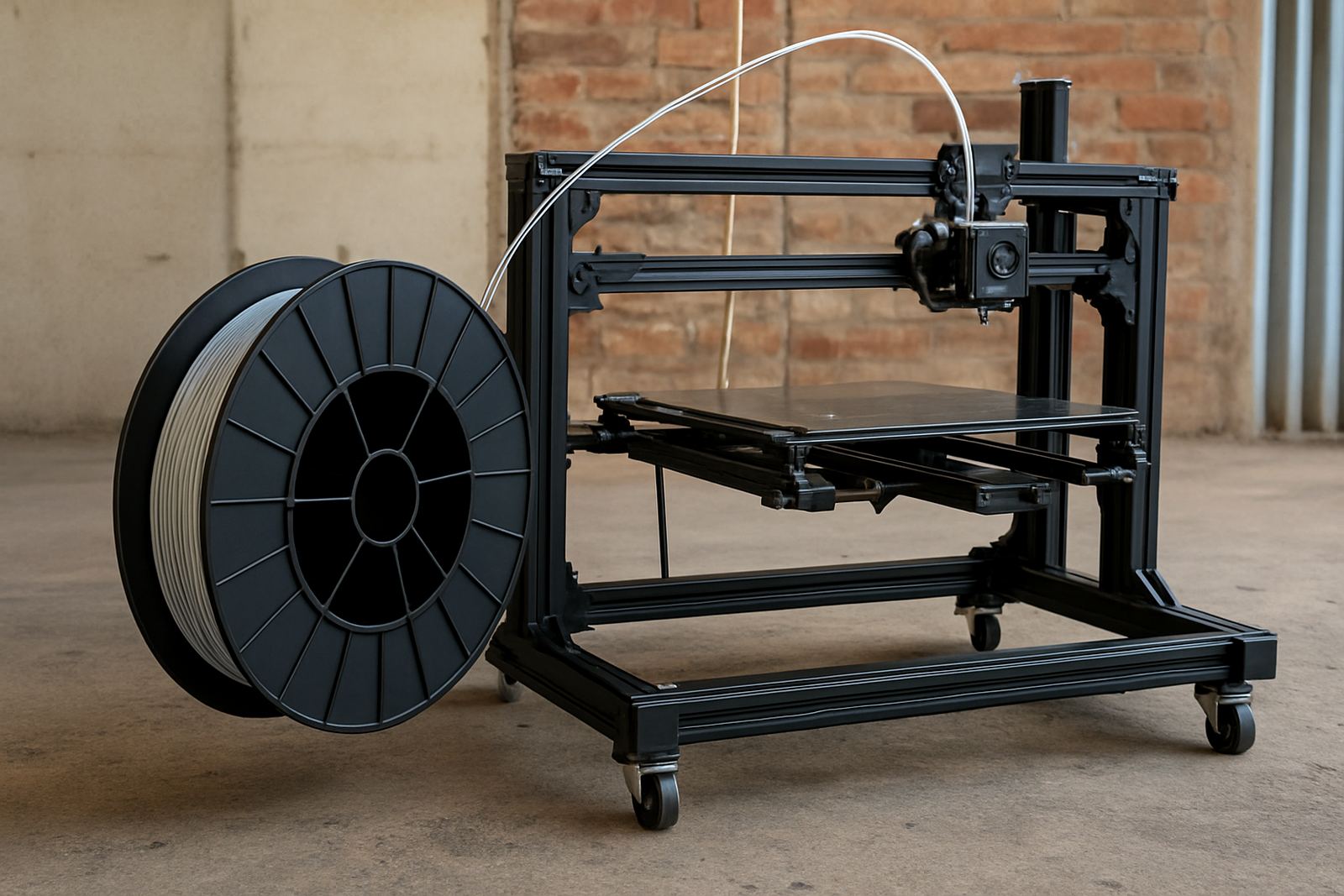
1.75mm PETG filament does not need gas or special plant equipment. It runs on a standard benchtop 3D printer, so the main requirements are a steady power supply, a clean print bed and enough space for the spool to feed freely. In areas affected by load-shedding, it helps to restart the printer only after power has stabilised, because a sudden outage can leave a half-finished part attached to the bed.
For best results, use a dry, dust-free setup and keep the filament path smooth. If the printer sits near an open workshop door in Bellville or Parow, fine dust can settle on the filament and the bed. That may sound minor, but it can affect first-layer grip and lead to stringing or small blemishes. A simple filament guide and regular nozzle checks go a long way.
- No gas supply required
- Works on standard benchtop 3D printers
- Best kept dry and away from dust
- Useful to have backup power for long prints
Care, storage and basic servicing for cleaner prints
PETG is more forgiving than many materials, but it still needs decent care. Store spools in a sealed bag or lidded container with desiccant if they will sit unused for a while. In humid coastal conditions, absorbed moisture can show up as popping sounds at the nozzle, extra stringing or a rough finish. If that happens, drying the spool before use usually helps more than changing the whole print profile.
Routine servicing also matters. Wipe the bed with a clean lint-free cloth, clear any residue from the nozzle area and check that the spool turns without snagging. If a print starts dragging at the edge or the extrusion looks uneven, inspect the feed path and the extruder gear first. A small amount of upkeep saves a lot of wasted time later, and it is easier to catch issues early than to scrap a five hour job.
- Store sealed and dry when not in use
- Keep dust off the filament path and bed
- Check nozzle, bed and feed gear regularly
- Dry the spool if print quality starts to drop
What to check before you order filament
Before placing an order, confirm your printer takes 1.75mm filament and check the colour you need for the job. It also helps to know whether you want a sample roll for testing or a larger quantity for repeat work. If you are printing a part that must fit into another component, ask for a little extra material so you can test the dimensions before the full run.
If your job needs courier delivery, make sure the shipping address and contact details are correct and that the package can be received during business hours. For collection in Epping or any of the surrounding areas, it is worth confirming stock and order notes before driving through. Clear communication at the start saves back-and-forth later, and it keeps turnaround neat.
- Confirm 1.75mm compatibility
- Choose the right colour and spool size
- State whether it is for prototyping or production
- Check collection or courier details before checkout
Key facts
| Product | 1.75mm PETG filament |
|---|---|
| Diameter | 1.75mm |
| Printer type | Benchtop FDM / FFF 3D printers |
| Nozzle temperature | 220°C to 250°C |
| Bed temperature | 70°C to 85°C |
| Use cases | Prototypes, fixtures, brackets, housings and functional parts |