
Repeatable cuts for short runs and test jobs
Small batch cutting suits makers, manufacturers, designers and workshop teams who need the same dimensions across a limited number of sheets. It is a practical option for prototype parts, display pieces, machine guards, packaging inserts and trial runs where consistency matters more than volume. We keep the process tight so each cut in the batch matches the first one, with the same length, width and squareness throughout.
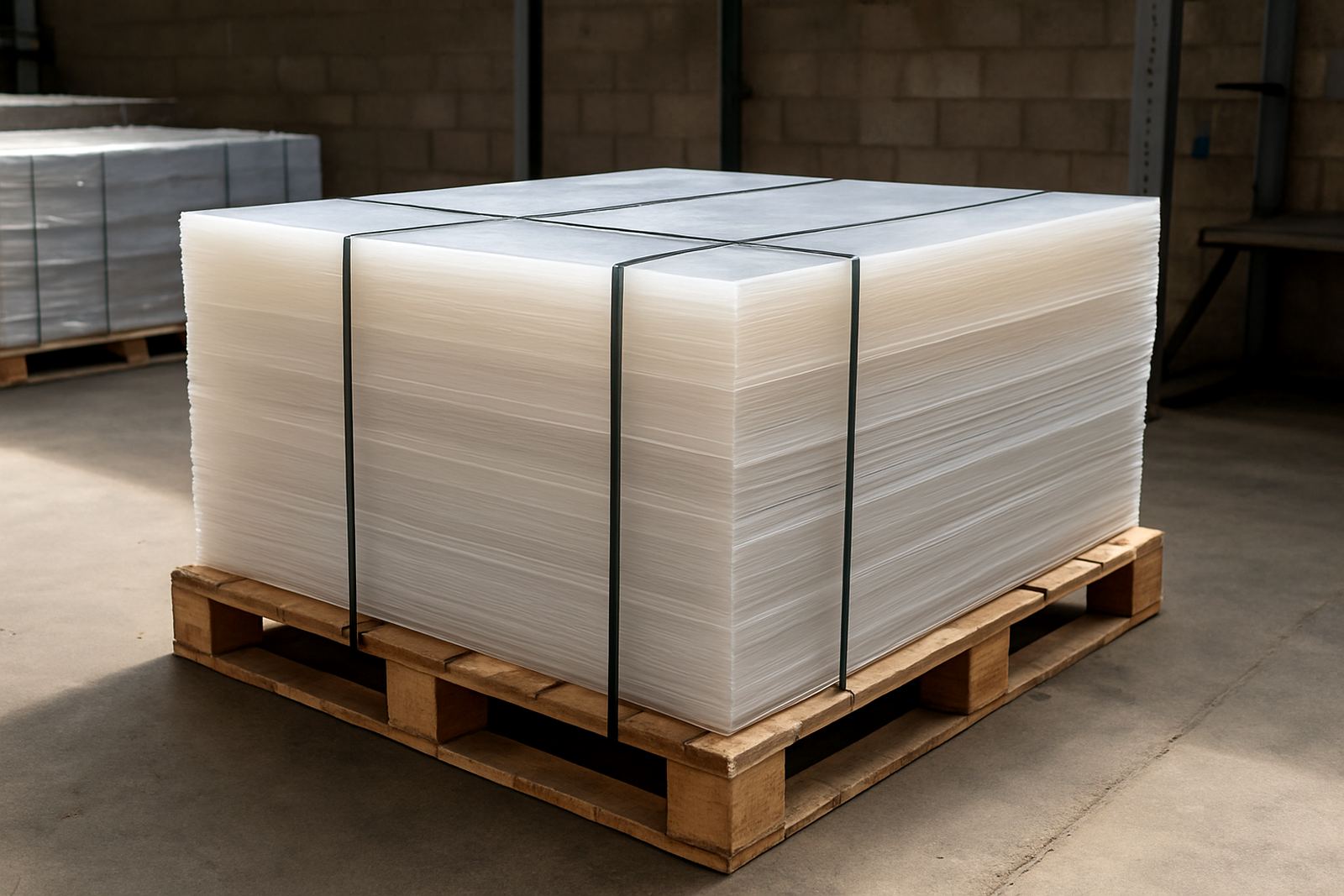
This service is used when a full production run is not needed, but hand cutting would take too long or give mixed results. For PETG sheet work, that can include one-off samples, 10 to 50 sheet jobs, or repeated supply to a project that is still being refined. If you need the sheets cut to exact sizes before collection in Epping or courier delivery elsewhere in South Africa, we can handle that as part of the order.
What is included in a small batch cutting order
Every small batch is handled as a defined job, not as loose offcuts. That means we measure, mark, cut and finish the pieces to the requested sizes, then prepare them for handover or courier. If the sheet stock needs film left on, edge deburring or hole marking, those details can be built into the same job so you get parts ready for your next step.
- Straight cuts and strip cutting for repeated widths
- Custom sizing to your supplied dimensions
- Panel cutting for smaller sheet sections
- Film left on where surface protection is needed
- Edge deburring on cut edges where handling matters
- Job labelling for multi-part or repeat orders
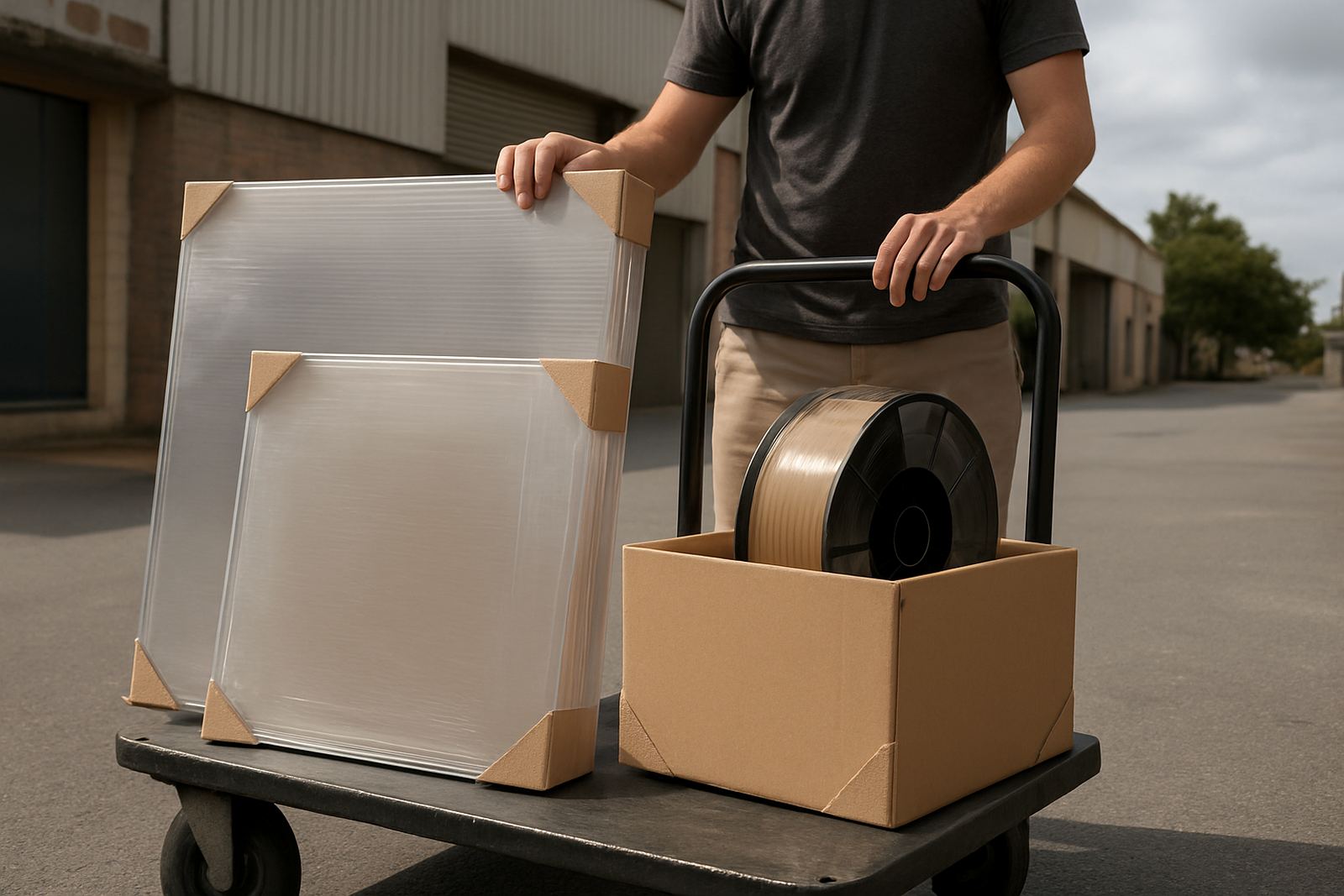
For clients in Cape Town, nearby areas like Montague Gardens, Bellville, Parow, Somerset West, Paarl and Stellenbosch can collect by arrangement. Filament orders are couriered nationwide, while sheet cutting is prepared in our Epping workshop for collection or dispatch as required.
How the process works from quote to collection
The process starts when you send your dimensions, quantity, material thickness and any finishing notes through the enquiry form on our contact page. If you are unsure about tolerances or sheet layout, we can advise on the most practical cut plan before work begins. That helps avoid waste and keeps the batch within the size limits of your equipment or assembly process.
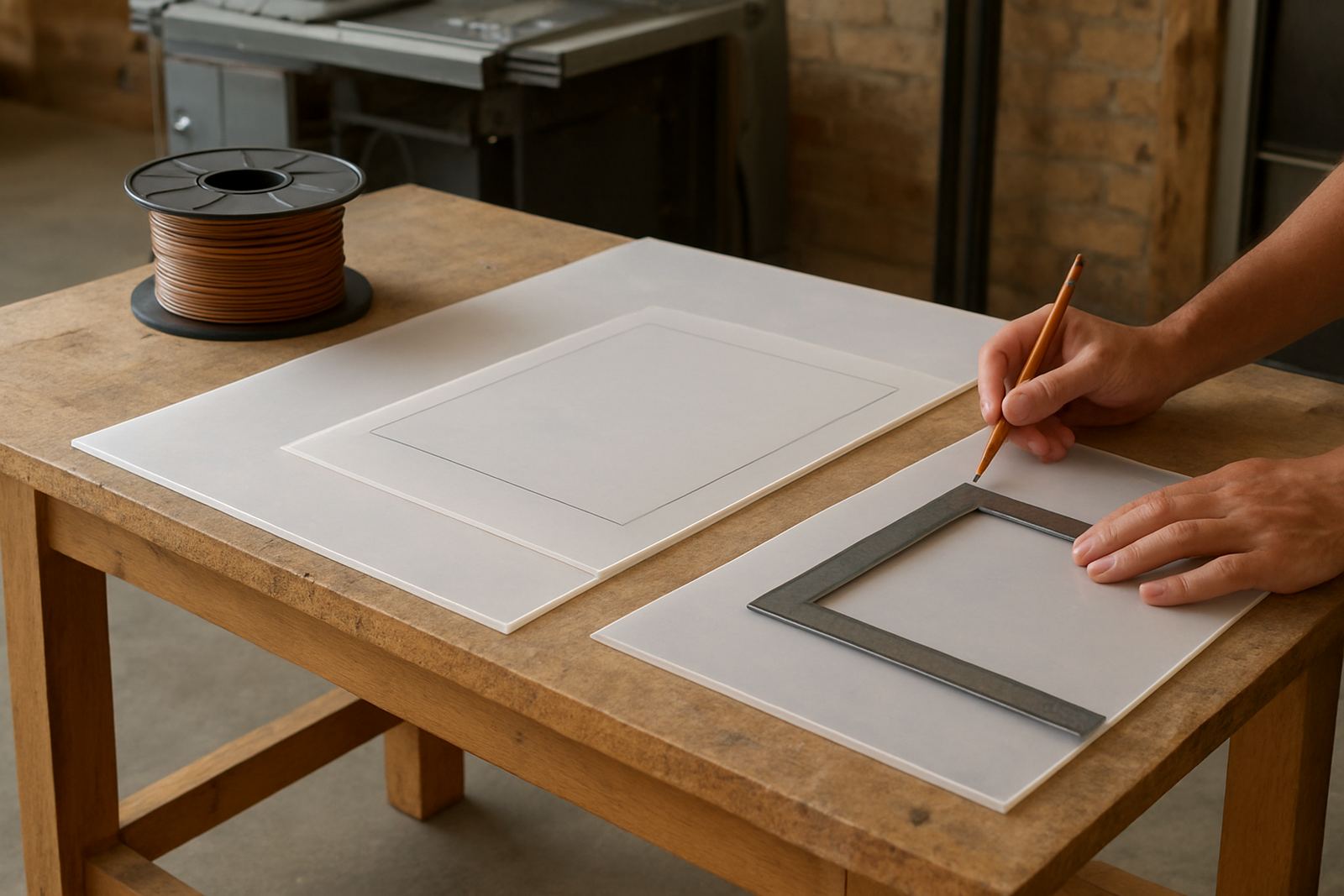
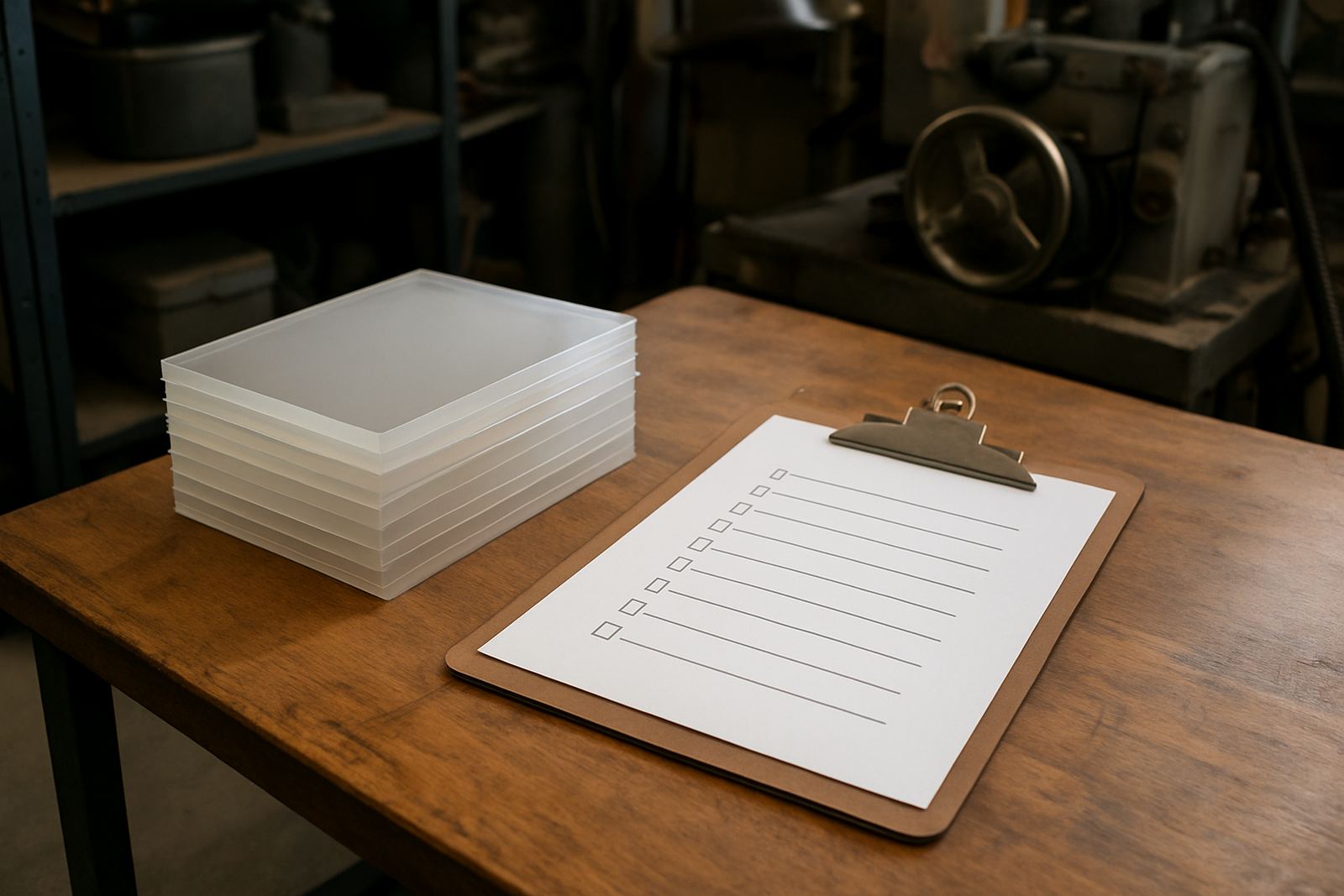
Once the job is confirmed, we prepare the sheets, mark the cut lines and run the batch through the cutting station. For repeat work, we keep the same cut settings on file where suitable, which helps with consistency on later orders. Before release, each batch is checked against the job sheet so you know the parts match the intended sizes.
- Send dimensions, quantity and use case
- Confirm material thickness and finish requirements
- Approve the cut plan and pricing approach
- We cut, check and label the batch
- Collect in Epping or arrange courier packing
Turnaround times and batch scheduling
Turnaround depends on the number of cuts, sheet size, finishing steps and the workload already in the workshop. Simple repeat cuts can often be handled quickly, while jobs needing hole marking, deburring or careful panel layouts may take longer. We plan small batch work in a way that lets us keep the cuts accurate without rushing the finish.
For short runs, it is common to schedule the work within a few working days, subject to stock availability and the complexity of the order. If you have a deadline for a launch, sample pack or client presentation, let us know up front so we can plan the batch accordingly. Cape Town weather can shift fast, and with coastal humidity in some areas, we also handle storage and packing carefully to keep the sheets in good condition before collection or courier handover.
Pricing that suits prototype runs and smaller volumes
Pricing is based on the amount of cutting required, the number of parts, the sheet thickness, and any extras such as deburring, hole marking or protective film handling. Small batch work is priced differently from large production runs because setup time still matters, even on a limited order. If the same dimensions are repeated across several sheets, the rate can be more efficient than asking for unrelated cuts one by one.
We aim to keep the quote clear so you can see what is included before the job starts. For teams comparing options, it is often better to price the whole batch together rather than splitting the work into multiple jobs, especially if you need matching pieces for a prototype or trial assembly. This approach also helps with order control when a project is being adjusted between revisions.
Care, maintenance and repeat-order intervals
For repeat batch cutting, the best results come from regular machine checks and consistent handling of the sheet stock. Our team monitors cut quality, edge condition and alignment throughout the run, and we review blade condition and calibration before each new batch. On repeat work, we also compare the latest batch against previous dimensions so any drift is caught early.
As a practical guide, cutting tools should be checked before every job, with deeper maintenance scheduled after heavier production periods or once edge quality starts to change. If a customer returns on a fixed cycle, such as weekly, fortnightly or monthly, we can keep the job setup consistent and reduce the chance of variation between batches. That matters when parts need to fit into assemblies, jigs or display units without extra trimming.
Key facts
| Material | PETG sheet |
|---|---|
| Service type | Small batch repeat cutting |
| Typical batch size | About 10 to 50 sheets, subject to job size |
| Thickness range | Common shop sheet thicknesses, confirmed on enquiry |
| Finish options | Film left on, edge deburring, hole marking |
| Fulfilment | Epping collection or courier packing for selected orders |