
What our hole marking service covers
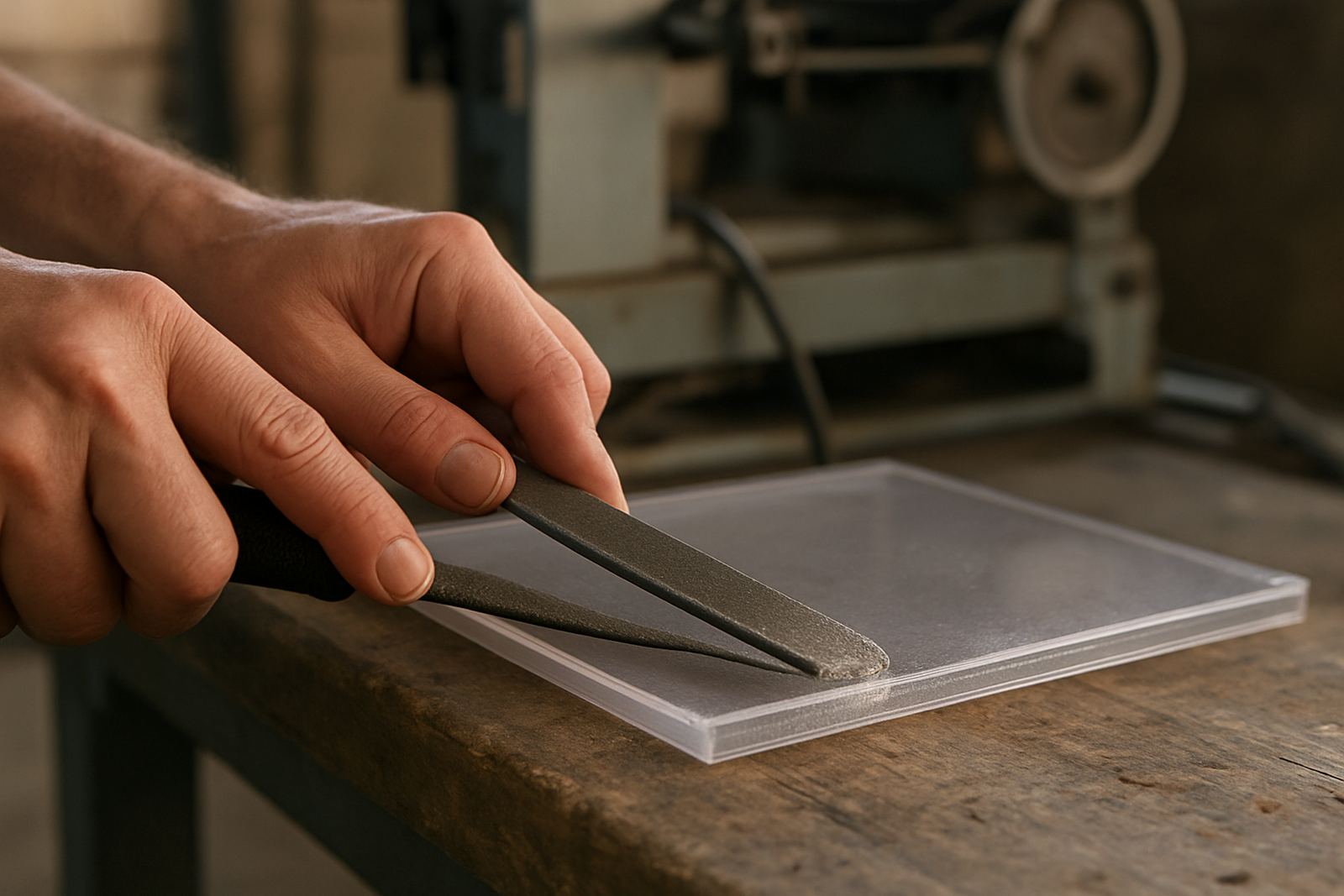
Our hole marking service is meant for PETG sheets that need reference points for later drilling, fixing or assembly. We do not drill the holes as part of this service unless the job is booked with a separate cutting or drilling requirement. Instead, we mark the exact positions so your team can drill on site with less measuring and less chance of error.
It is a practical option for sign panels, machine guards, splashbacks, covers, display pieces, fitment plates and light industrial components. Hole marking is especially helpful when the panel must travel to another site, or when the final fixing depends on what is found on the wall or frame on the day. In many cases the marks can be repeated on more than one sheet for a small batch, which keeps each panel aligned the same way.
- Reference marks for drill points, slots and fixing centres
- Suitable for custom cut sheets and batch jobs
- Useful where final drilling happens after delivery
- Can be matched to supplied templates, drawings or an existing sample
How we mark the sheet and what we need from you
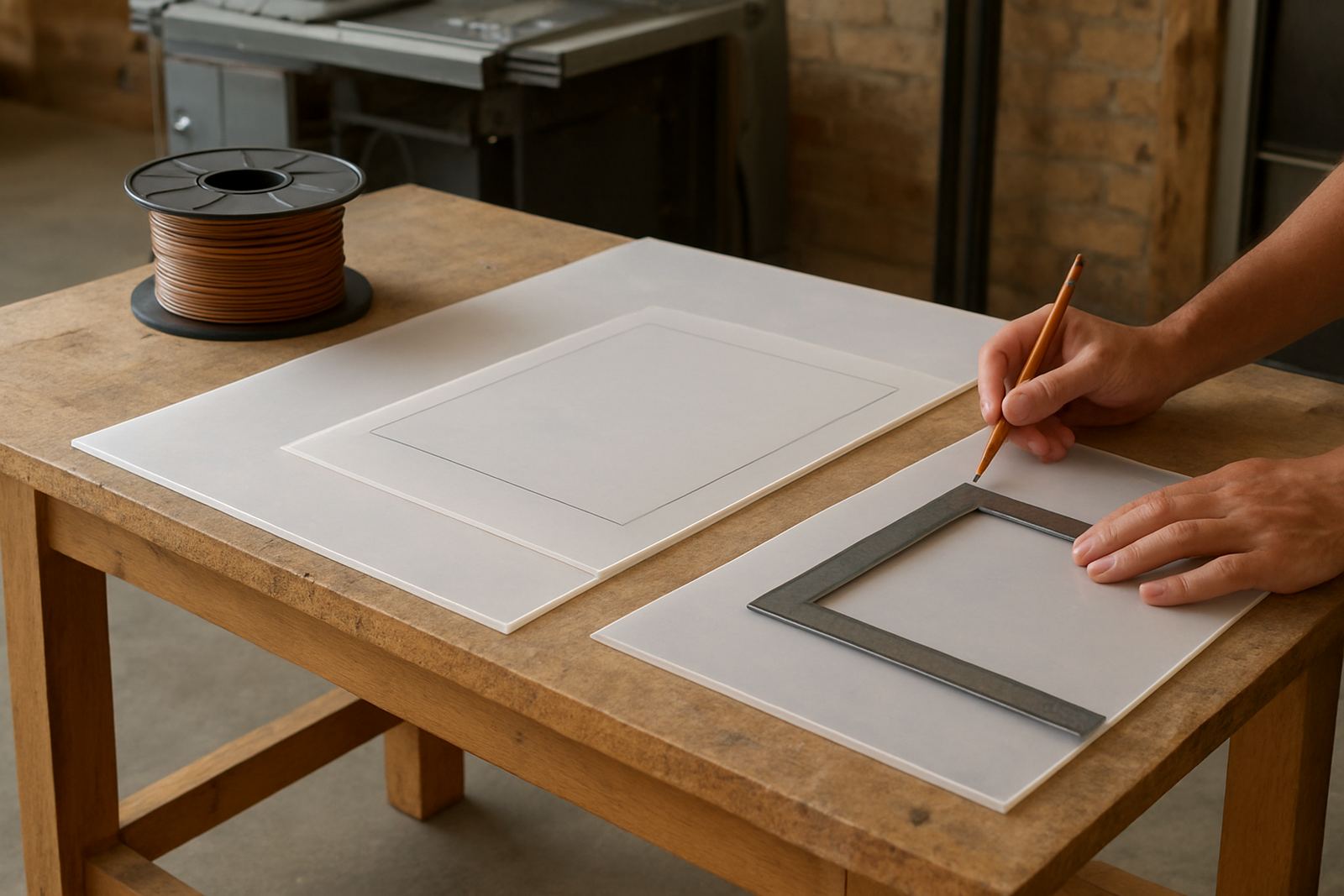
We start with your drawing, sample, written measurements or template. If you are replacing an existing panel, send the old panel if possible, or give us accurate centre-to-centre measurements. For new work, we need the finished size of the sheet, the hole diameter you want to use for reference, and the position of each point from the edges. If the panel has a top and bottom or left and right orientation, say so clearly before the job goes into production.
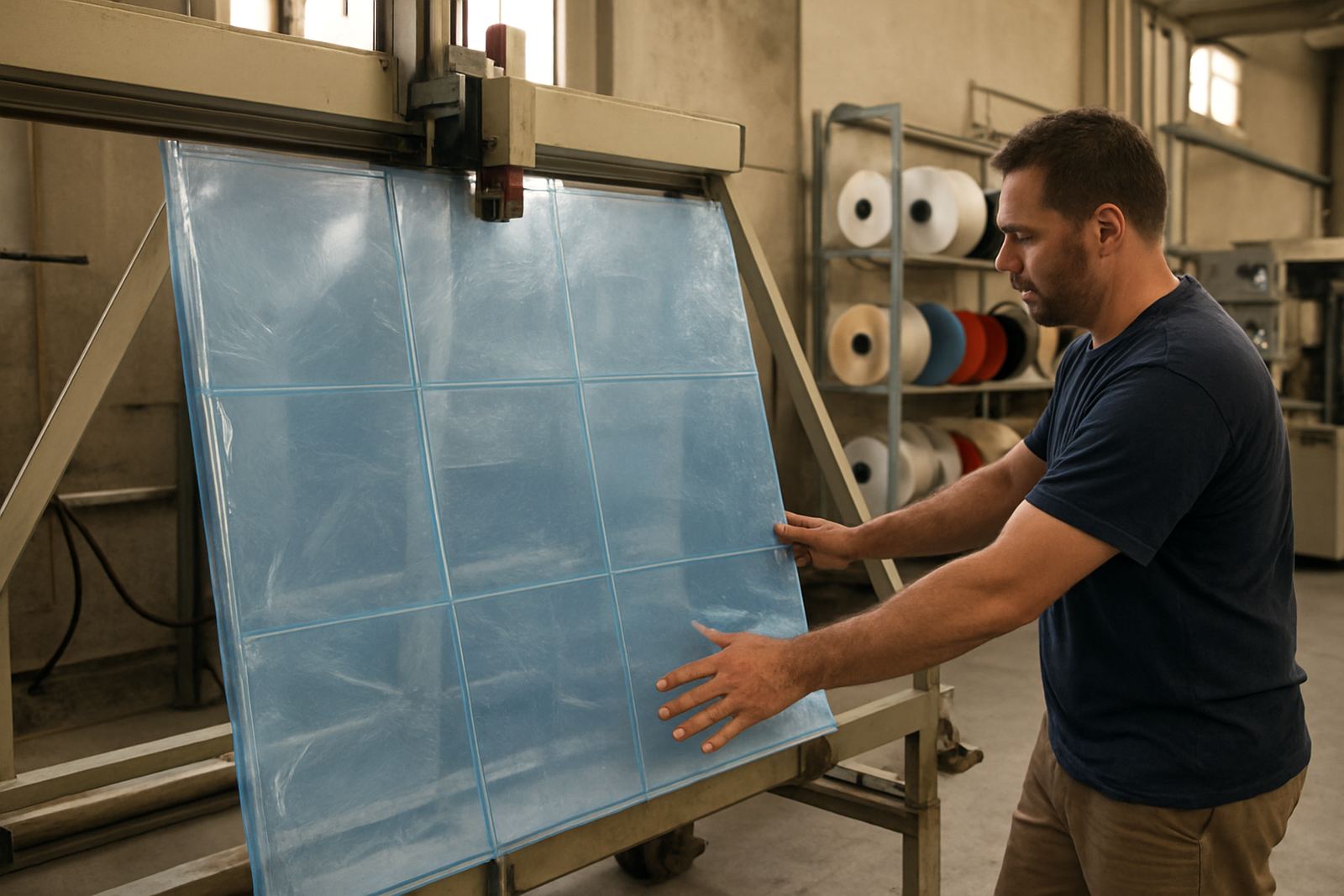
Our team then lays out the marking points with care, checks the spacing and confirms the pattern against the cut sheet size. Where needed, we can mark a single panel, a small run, or a larger batch for repeated installation. If a job has tight tolerances or a fixed bracket pattern, we recommend providing the fixing hardware details too, since a few millimetres can make a difference when the sheet is installed in a busy site or uneven wall line.
- Finished sheet size and material thickness
- Hole diameter, centre distances and edge distances
- Orientation notes, such as top edge or face side
- Any sample, template or existing fixing pattern
Marking standards, sizes and practical limits
Hole marking works best when the sheet is still stable and easy to handle. PETG sheets are commonly used from 2 mm to 10 mm thickness for many light duty and general purpose applications, although thicker panels can also be marked on request. For most installation jobs, we mark the centres clearly enough for the drill operator to pick up the points quickly without having to remeasure each sheet.
We also take care with edge distances and fixing spread. A hole placed too close to the edge can lead to cracking or stress once the panel is fastened, especially in hot sun or where the sheet is under load. For coastal areas such as Cape Town, Somerset West and Stellenbosch, we often suggest a little extra clearance and proper support because humidity and temperature changes can affect the way a panel sits over time. If the panel will be exposed to load-shedding conditions, vibration from generators, or repeated removal for maintenance, tell us upfront so we can help with a practical fixing pattern.
- Typical sheet thickness: 2 mm to 10 mm and higher on request
- Common reference hole sizes: 4 mm, 5 mm, 6 mm and 8 mm
- Edge clearance should suit the final fixing and load on site
- Marking can be set out for straight rows, offset patterns or irregular layouts
Turnaround and collection or courier options
Turnaround depends on the quantity of sheets, the level of detail and whether the job comes with clear measurements. Simple hole marking on one or a few sheets is usually quicker than a full batch with mixed fixing points. Once we have the information and the sheets are in hand, the job moves through checking, marking and final review before it is packed for collection or courier.
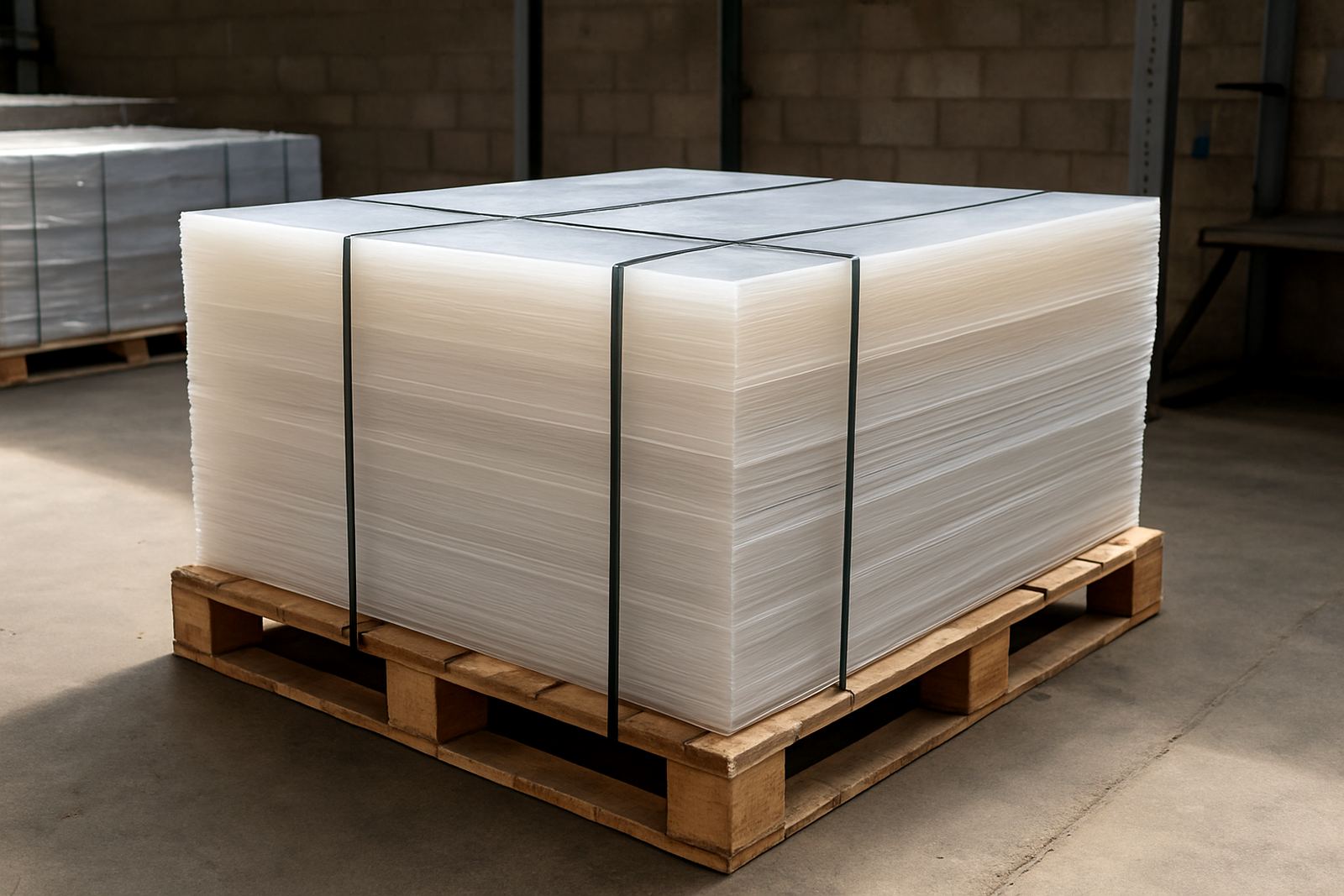
For clients in Epping, Montague Gardens, Bellville, Parow, Claremont, Somerset West, Paarl and Stellenbosch, collection can be arranged through the relevant area route. We also courier sheet orders nationwide, with packing set up to keep marked faces clean and readable. If the job is urgent, it helps to send the measurements in one go rather than in bits and pieces, because back and forth changes slow the turnaround. For larger batch work, please allow extra time for layout, verification and job labelling.
- Small jobs can often move faster when measurements are complete
- Batch work needs more layout and checking time
- Collection available in Cape Town areas by arrangement
- Courier packing available for nationwide delivery
Pricing approach for marked sheets
Pricing is based on the number of sheets, the number of marks per sheet, the thickness of the material and the amount of checking required. A simple repeated pattern costs less per panel than a custom layout with mixed hole positions, tight tolerances or matching to an old part. If the job includes cut to size work, small batch cutting or panel cutting, we can quote on the full scope so the sheet arrives ready for the next step.
We keep pricing practical and tied to the actual work needed. That means you are not paying for extra handling where the job is straightforward, but you do pay for accuracy where the pattern is more detailed. If you are comparing options, it is worth asking whether the quoted price includes layout confirmation, job labelling and courier packing, because those items matter on site. For repeat projects, the per-sheet cost usually settles once the pattern is set and approved.
Care, storage and re-checking before installation
Marked PETG sheets should be stored flat, away from direct sun and heavy pressure so the panel stays true and the marks remain easy to read. Keep the protective film on where possible until the job is ready for fitting. If sheets are stacked on site, do not place sharp tools or uneven weights on top, since pressure can distort the panel and throw the fixing points off by a small margin.
For jobs stored for a few weeks before installation, we recommend re-checking the marks against the frame or bracket before drilling. For longer holding periods of three to six months, inspect the sheet again for any edge warp, scuffing or changes in the fixing layout on site. If the job is exposed to dust, heat or coastal moisture, a quick re-check before drilling is good practice. That small step helps avoid expensive rework and keeps the panel aligned properly when it is finally fitted.
- Store flat and keep panels under cover where possible
- Leave film on until the job is ready for fitting
- Re-check marks before drilling after long storage
- Use the latest site measurements if the frame has changed
Key facts
| Service type | Hole marking for later drilling and site alignment |
|---|---|
| Material | PETG sheets in common thicknesses from 2 mm to 10 mm and above on request |
| Marking style | Centre marks, edge references, repeated fixing patterns and template-based layouts |
| Production base | Epping, Cape Town |
| Collection and delivery | Collection in selected Cape Town areas, courier nationwide |
| Typical turnaround | Depends on quantity and layout detail, with faster handling for clear small jobs |