
Packing built for long-distance transport
Courier packing is not just a carton and tape job. PETG sheets and filament need the right inner wrap, corner protection and box strength so they arrive in usable condition after sorting hubs, road freight and final delivery. That matters even more when orders go to coastal towns, inland farms or industrial areas where parcels can sit in warm depots or pick up moisture during weather changes.
For filament, the main risks are impact, dust and damp air. For smaller sheet orders, the risks are edge chips, surface scuffs and bending if the pack is under-supported. We pack with those points in mind and choose materials that suit the size and weight of the order, not a one-size-fits-all approach.
- Moisture barrier wrapping for filament where needed
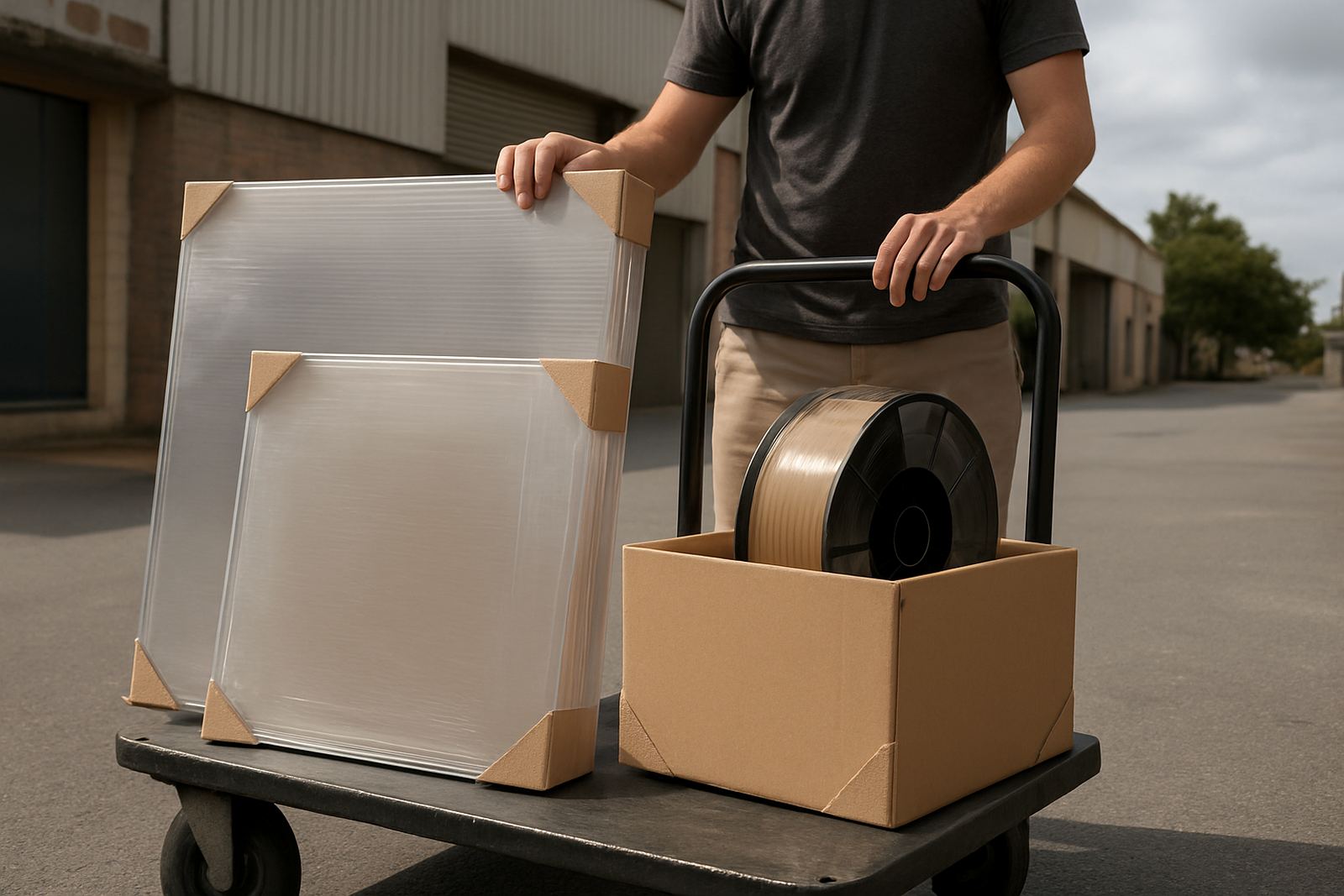
- Corner and edge protection for smaller sheet packs
- Box sizing matched to the order to limit movement
- Clear job labels for easy receiving and tracking
What is included in the courier packing service
The packing service covers the practical steps needed before dispatch. We check the order size, split packs where required, then prepare the goods for courier collection or linehaul transport. Smaller sheet orders can be grouped neatly, while filament is protected so the spools stay stable and the labels remain readable. If a customer needs film left on for an extra layer of surface protection, we keep that in mind when planning the pack.
Depending on the job, packing may include bubble wrap, corrugated board, foam edge strips, stretch wrap, carton reinforcement and external markings such as fragile handling or upright orientation. If an order includes more than one item, we make sure the contents are separated inside the parcel so the pieces do not rub together during transit.
- Protective inner wrap and outer carton packing
- Item separation for mixed orders
- Strength checks for box fit and closure
- Address and job labelling for dispatch control
How we pack filament and smaller sheet orders
Filament is packed to reduce movement on the spool and protect the roll from being crushed or snagged. We keep the spool secure, seal the pack properly and use a carton that leaves little empty space. Where the order is heading to humid areas such as the coast, extra moisture control can be added so the product is better protected during transit.
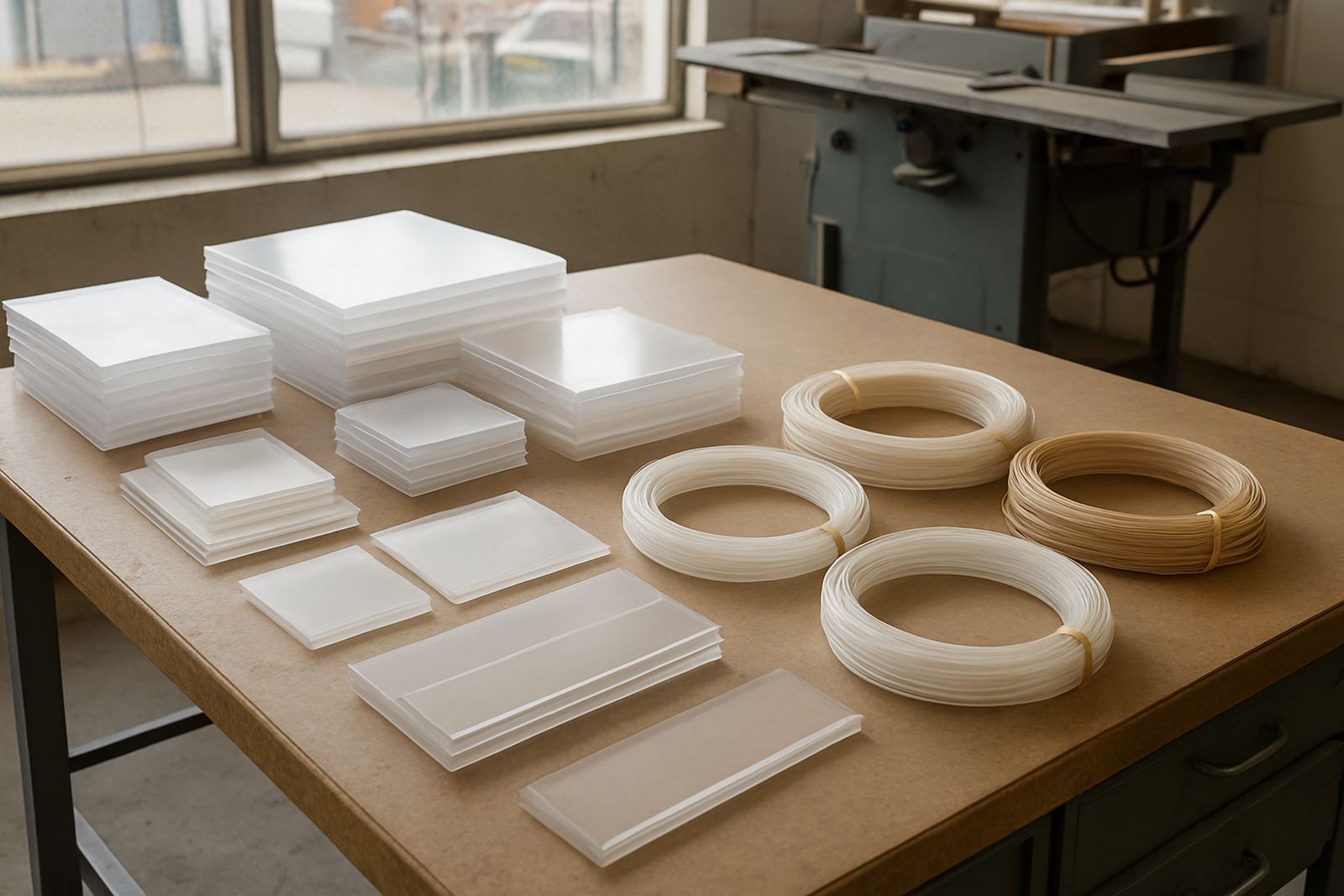
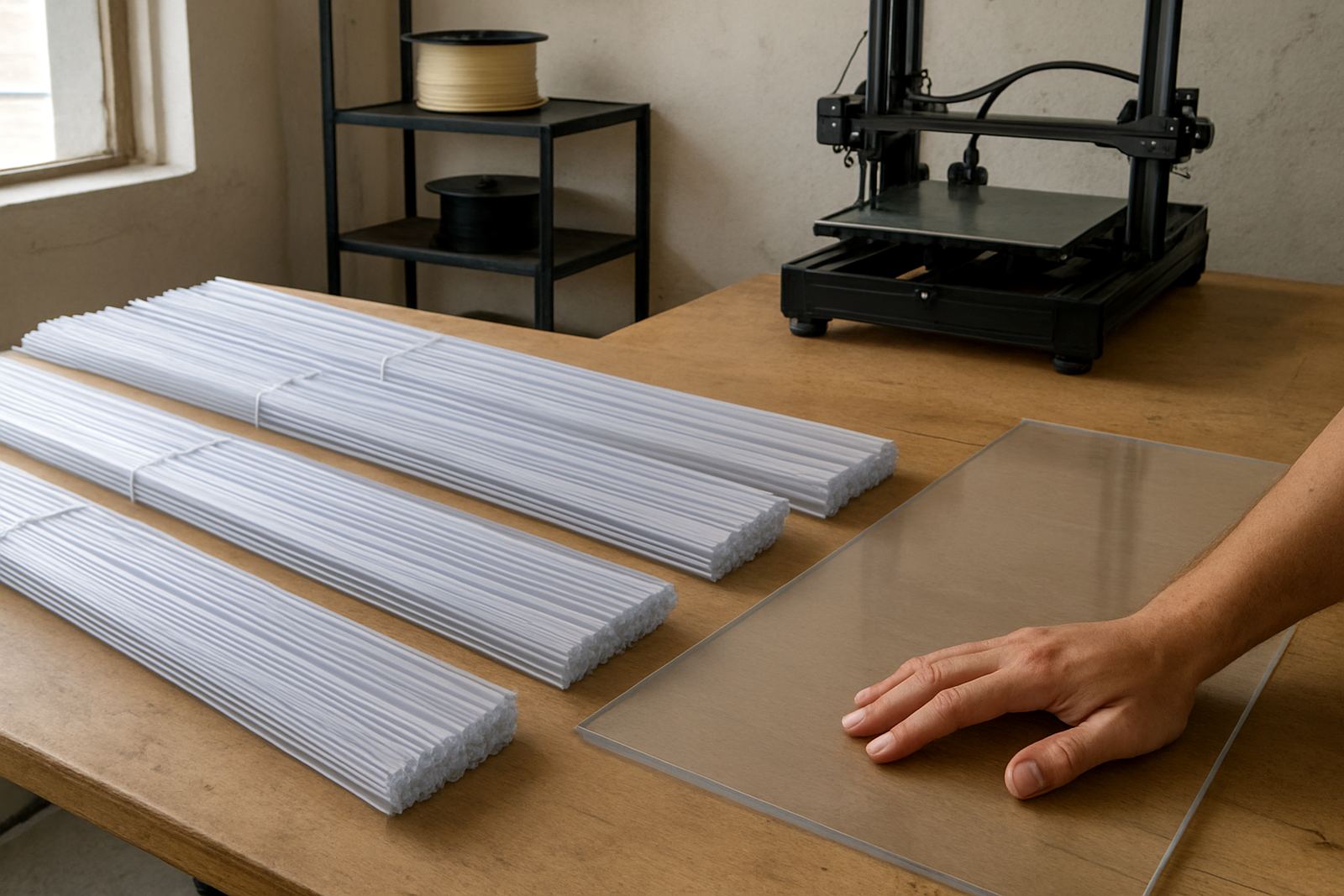
Smaller PETG sheet orders are usually packed flat, with support layers added to keep the stack stable. Sheets under 6 mm thickness are more vulnerable to flexing, so they are handled with extra care. If the order is cut to size, we make sure the offcuts and finished pieces are kept in the right sequence and clearly marked. That saves time when the customer receives the parcel and needs to check the contents.
- Filament spools secured to stop rolling or shifting
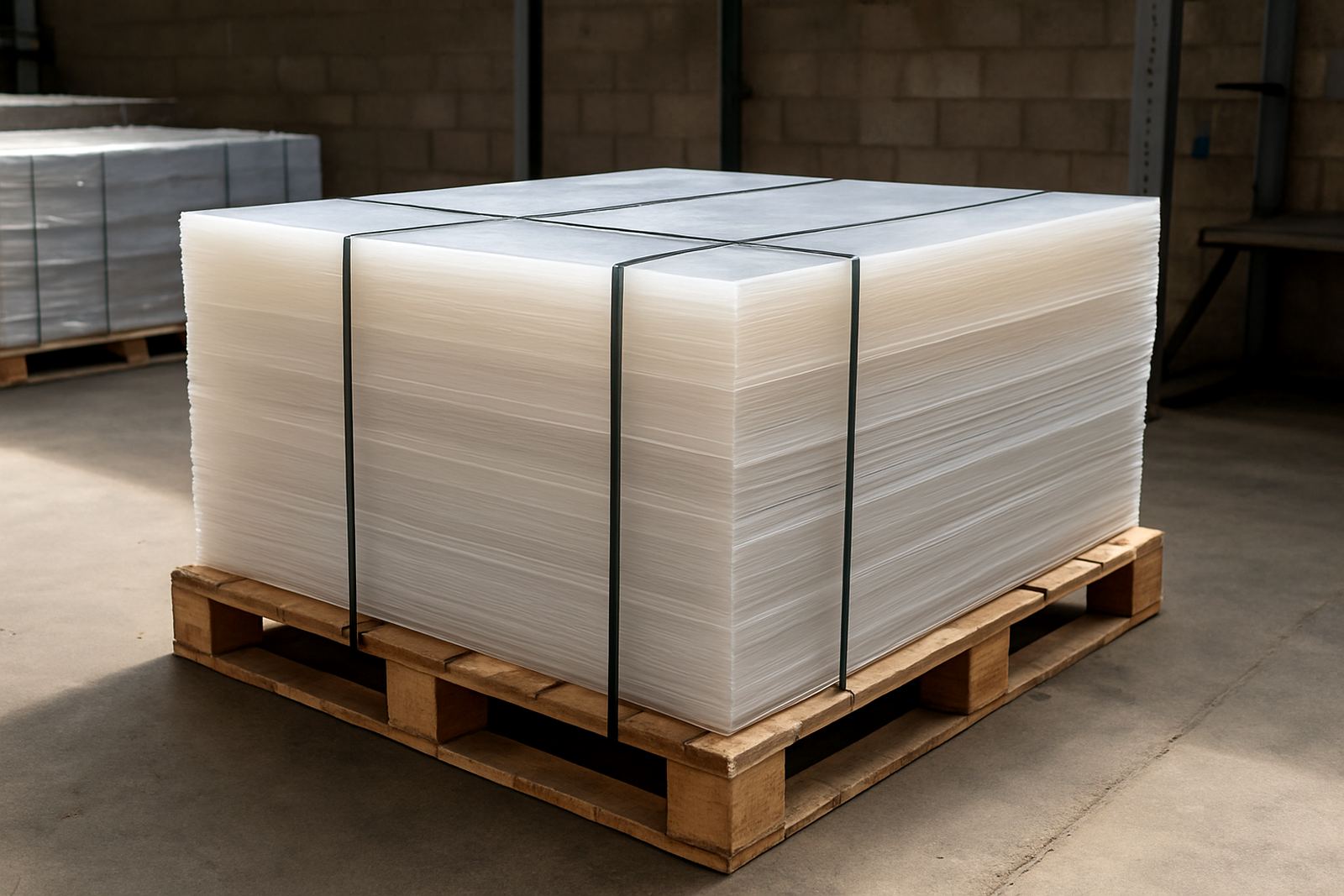
- Sheet stacks kept flat and supported
- Pack sequencing for cut-to-size orders
- Optional extra protection for humid or long-haul routes
Packing process from job card to collection
Once the order is confirmed, the job is prepared for the packing table. Our team checks the dimensions, quantity, finish and any special handling notes before choosing the pack format. If the order includes several items, they are grouped in a way that makes sense for the courier and the person receiving it. Good labelling matters here because it helps reduce sorting errors and keeps the parcel tied to the right job from the workshop to final delivery.
The usual process is straightforward. First the order is checked, then packed, then labelled and booked for collection. For bigger or more sensitive parcels we may add stronger outer packing or split the load into more than one carton. That can be the safer option when the route is long or the order is going to a site where quick receiving checks are needed.
- Order check and packing plan
- Protective wrap, boxing and sealing
- Job label and dispatch label applied
- Courier handover for nationwide delivery
Turnaround times and pricing approach
Most courier packing is done as part of the same working cycle as the order itself, so turnaround depends on the size of the job and whether the goods need extra protection or splitting into separate packs. Smaller filament or compact sheet orders can often be prepared quickly, while larger mixed orders may need a little more time for careful packing and labelling. When customers are on a deadline, it helps to send the order details early so the packing method can be planned before collection.
Pricing is based on the size of the parcel, the materials used and the level of protection required. A small filament pack is priced differently from a bulky sheet parcel that needs corner protection and extra support. Where a job is straightforward, costs stay lean. Where the route or product needs more protection, the packing is adjusted accordingly. You pay for the packing that the order actually needs, not unnecessary extras.
- Small orders are usually the quickest to pack
- Split packs may be used for safer transport
- Pricing depends on parcel size and protection level
- Urgent jobs should be flagged with the enquiry
When to review your packing method
If you send regular orders, it is worth checking the packing method every 3 to 6 months. Courier routes, parcel sizes and seasonal weather can all change what works best. In summer, heat and humidity can affect moisture-sensitive goods. In winter, parcels may spend longer in closed vehicles and warehouses. A method that works for a small local run may not be the best choice for nationwide delivery to places with rough handling or longer transit times.
It is also sensible to review packing if your order pattern changes. For example, if you move from small filament parcels to regular sheet packs, or if your loads become heavier and more frequent, the carton size and internal protection should be revisited. A quick review can prevent repeat damage and cut down on rework.
- Review every 3 to 6 months for repeat orders
- Recheck after changes in parcel size or quantity
- Adjust for seasonal humidity and heat
- Update the method if damage reports increase
Key facts
| Service area | Nationwide courier dispatch from Epping, Cape Town |
|---|---|
| Best for | Filament spools and smaller PETG sheet orders |
| Typical pack sizes | Single items to small batch orders |
| Protection methods | Wrap, boxing, edge protection and carton reinforcement |
| Handling notes | Fragile marking, job labelling and mixed-order separation |
| Turnaround | Depends on order size and packing requirements, usually same job cycle |