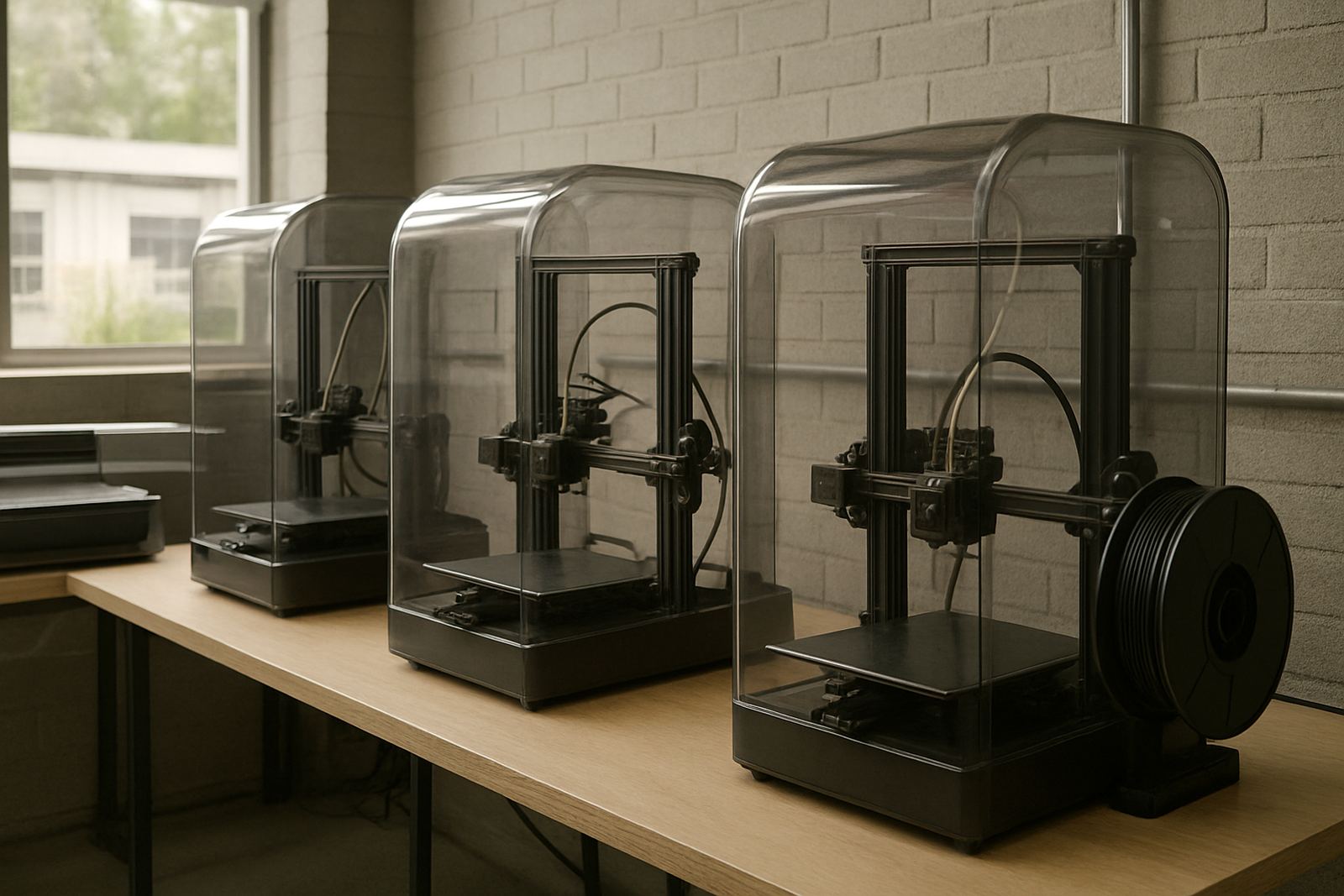
Workshop Cover Brief for Somerset West
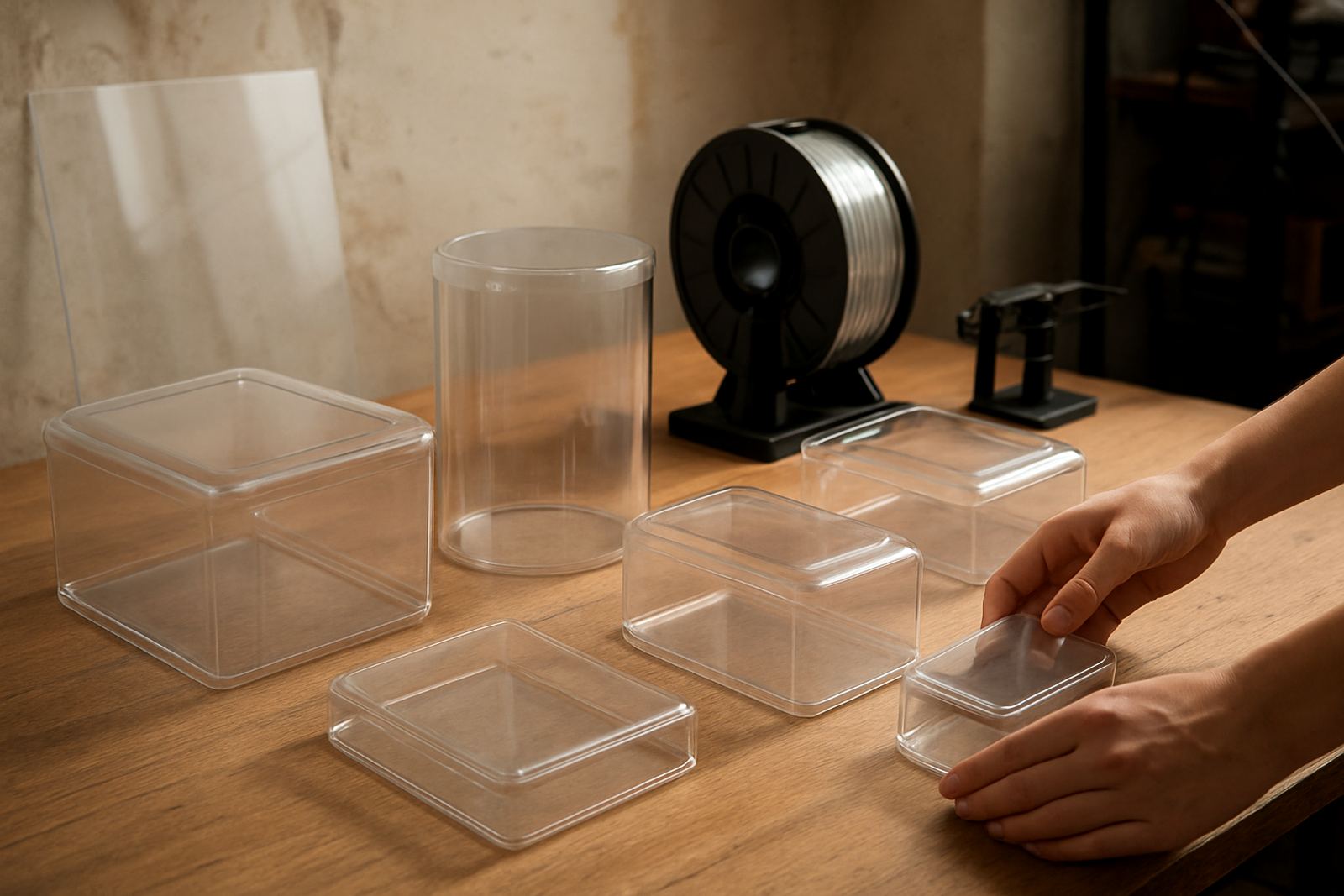
The client was a service workshop in Somerset West working with equipment that needed light protection without making the area feel closed in. They wanted smoke PETG covers that would look neat, resist cracking and stand up to regular movement by staff. The covers had to be clear enough for quick visual checks, but tinted enough to reduce the look of scuffs and fingerprints.
The brief came through our enquiry form, then we worked from a simple drawing and a set of measurements supplied by the client. They needed a dependable local cut-and-pack job, with no waste on site and no messy trimming when the sheets arrived. Because the workshop runs through load-shedding and shift changes, the covers also had to be easy to fit, remove and clean without special tools.
- Project type: protective covers for service equipment
- Town: Somerset West
- Material: smoke PETG sheet
- Finish: cut to size, packed and labelled
Why PETG Was the Right Material
PETG suits this sort of cover work because it gives a good balance between clarity, impact resistance and ease of fabrication. It is also a practical option in coastal parts of the Western Cape where humidity, dust and regular wipe-downs are part of day-to-day use. The client wanted something that would not behave like brittle plastic after a few months, and PETG gave them that extra working life.
For this application we recommended smoke sheet rather than fully clear sheet, since the darker tint hides wear better in a workshop setting. It also gives a neater look when covers sit over equipment that has wiring, fittings or mixed surfaces underneath. The material was suitable for the required bends and fixing points, and it could be cut cleanly without heavy chipping or rough edges.
- Material thickness selected to suit the cover size and handling
- Smoke tint for a cleaner workshop appearance
- Easy to wipe down with standard cleaning products
- Better visual finish than brittle acrylic alternatives for this use
Cutting, Marking and Edge Finish
We handled the job in Epping, where the sheets were measured, marked and cut to the required dimensions. The order called for straight cuts with a few marked points for fixing and alignment, so accuracy mattered. We also deburred the edges to remove sharpness and reduce the chance of handling damage during installation.
Because the covers were going into a working service area, the client asked for a neat, ready-to-use result rather than loose sheet offcuts. We kept the job organised with clear labelling on each piece so the team in Somerset West could identify the parts quickly. That saves time on site and reduces mix-ups when more than one cover is being fitted at the same time.
- Straight cuts and custom sizing completed in-house
- Hole marking done where fixings were needed
- Edge deburring completed for safer handling
- Job labelling included for quick installation
How We Packed the Order for Collection and Use
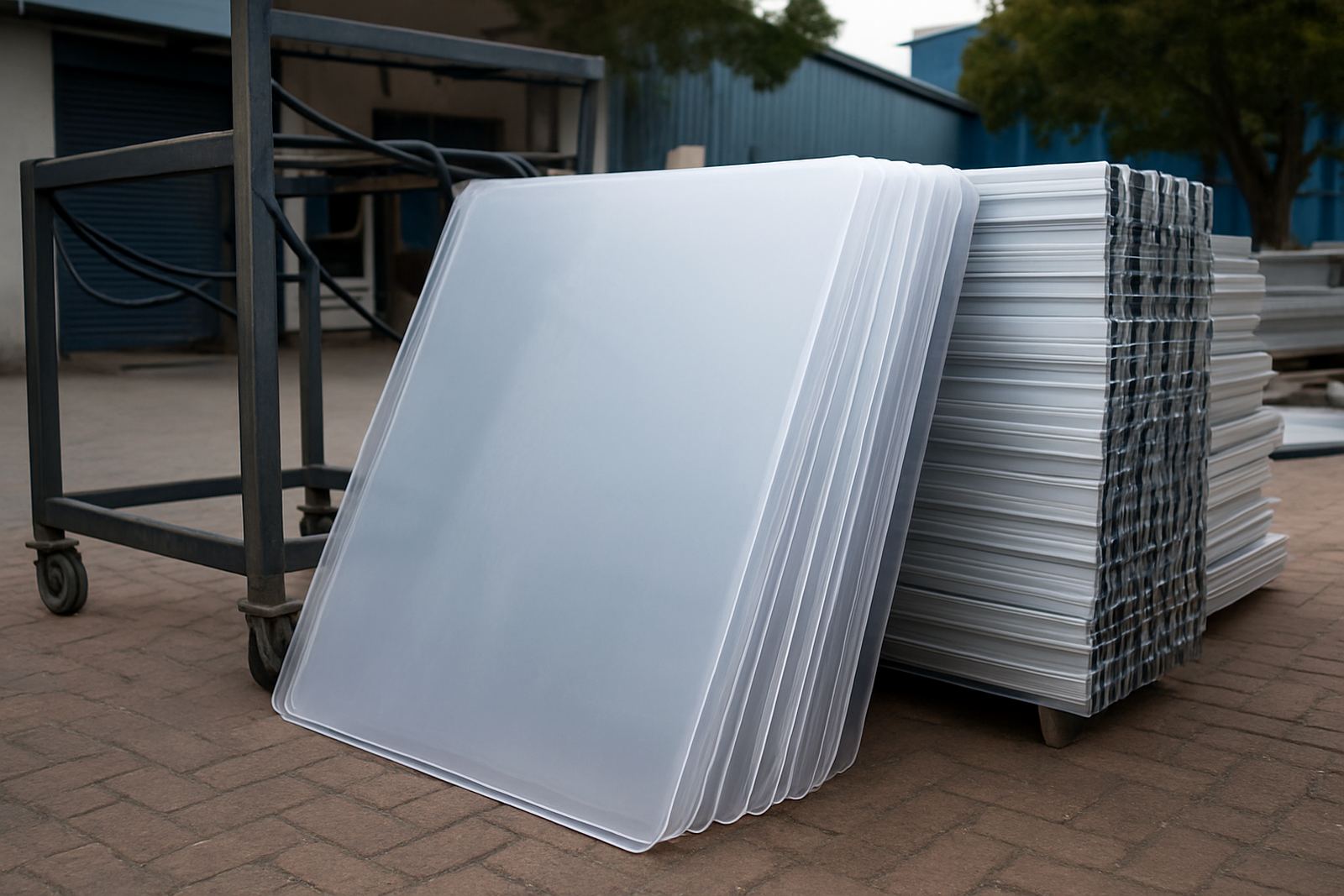
The covers were packed to protect the finish during transport and storage. That is important with PETG, especially on jobs where the sheets need to arrive with clean edges and no rub marks. We used protective packing so the surfaces stayed presentable even after movement between the workshop, vehicle and storage area.
The client also needed a delivery plan that worked around a busy site. Somerset West is close enough for local coordination, but the order still had to be ready in a way that made collection or onward handling simple. We prepared the order in sequence, grouped the pieces by use and kept the packing tidy so the team could unpack and fit without wasting time. It was a reliabile handover from our side and the client appreciated not having to sort through loose pieces.
- Protective packing to reduce scratching in transit
- Pieces grouped and labelled in fitting order
- Suitable for local collection or courier movement
- Prepared for fast installation on arrival
Timeline and Delivery from Epping to Somerset West
The full job ran over two weeks from first measurements to final dispatch. In week one we confirmed the material choice, checked the dimensions and planned the cuts. In week two we completed cutting, marked the fixing points, checked the edges and packed the order for release. That timing worked well for a workshop with active service bookings, since it gave them enough room to plan the fit-out around their own schedule.
Because we are based in Epping, Cape Town, we can keep local turnaround practical for Western Cape work. Somerset West projects are often a mix of collection and courier handling depending on the customer’s timeline. For this one, the key was to keep the process efficient and to avoid delays caused by rework, since the covers had to match the equipment first time.
- Week 1: measurements, confirmation and material selection
- Week 2: cutting, marking, deburring and packing
- Total project time: 2 weeks
- Final supply: ready for fitting on arrival
Results for the Service Workshop
The finished covers gave the workshop a cleaner protective solution for their equipment area. The smoke tint reduced the visual clutter, while the cut accuracy meant the pieces sat properly without forcing or trimming on site. Staff could see what they needed to see through the panels, and the covers still offered the protection the client wanted in a working environment.
The client was also looking for a practical supply partner, not just a once-off cutting job. We met that need by keeping the order simple, labelled and consistent, with a finish that suited regular handling. For workshops in Somerset West, Paarl, Stellenbosch and surrounding areas, that sort of neat supply makes day-to-day use much easier.
- Cleaner appearance around equipment
- Less handling damage thanks to deburred edges
- Quick fitting because each piece was labelled
- Suitable for repeated cleaning and daily use
What We Would Repeat on the Next Job
If we did this project again, we would follow the same approach: confirm the measurements early, use smoke PETG for the better working finish, and keep the cut sequence aligned with the fitting order. That method reduces waste and keeps the installation straightforward for the client. It also gives better control when the job includes several pieces that must all match.
For similar protective cover projects, we would also ask for any mounting detail up front so hole positions can be marked before packing. That way the workshop can move straight into installation without doing last-minute adjustments on site. It is a small thing, but it saves time and helps the final result look more professional.
- Confirm fixing details before cutting
- Label every cover in fitting order
- Use protective packing for all edges and faces
- Keep the job measured, cut and packed as one sequence
Key facts
| Client type | Service workshop in Somerset West |
|---|---|
| Product | Smoke PETG sheet |
| Service | Cut to size, edge deburring, hole marking, packing |
| Project time | 2 weeks |
| Location | Epping, Cape Town supply to Somerset West |
| Use | Protective equipment covers |