
Milnerton workshop brief and what needed fixing
The client was a small maker workshop in Milnerton doing repair work, light fabrication and custom fittings for local jobs. They needed a dependable material for parts that would be printed often, handled by different staff members and used close to machinery, storage racks and open workshop doors where dust and temperature changes are part of the day.
The brief was simple on paper but strict in practice. The parts had to be strong enough for repeated use, print cleanly on a compact machine and keep their shape better than standard brittle material. They also wanted a black finish for a neat look on the bench and in the final assembly. We discussed the print environment, the part sizes and the level of wear expected before recommending PETG for the job.
Why black PETG suited the job
For this project we supplied black PETG filament suitable for practical workshop printing. PETG gave the client a good balance of toughness and flexibility, which mattered for clips, brackets, covers and holding parts that need to survive daily use. It also handled the warm and sometimes humid conditions around the Cape Town coastal belt better than more brittle options, so the client was less likely to see cracking at screw points or thin corners.
Key points we covered before dispatch were print temperature, bed adhesion, storage and part thickness. We also reminded them to keep the filament sealed between runs, because Cape humidity can affect finish and consistency if the spool is left open on the bench. The material was supplied in a standard print-ready format, with clear labelling for easy identification in the workshop.
- Material type: PETG filament
- Colour: black
- Use case: functional workshop parts
- Key benefit: stronger than common brittle filament, with better layer grip
- Handling note: keep dry and stored away from dust
What we supplied from Epping
From our base in Epping, Cape Town, we prepared the order for nationwide courier delivery with the exact spool count required for the first production run. The client asked for material that would be easy to load, easy to keep track of and ready for repeat prints without extra sorting. We labelled the job clearly and packed it so the spools would not shift during transit.
Where needed, we also gave material advice on nozzle choice, print speed and when to use a brim or higher bed temperature. That helped the workshop get the first run right without wasting time on test pieces. The order was processed in under one week and sent straight to Milnerton, so the team could keep moving on their own schedule.
- Courier packing prepared for long distance transport
- Job labelling for easy workshop stock control
- Material advice for setup and first prints
- Clean packing to reduce dust before use
Timeline from enquiry to first parts
The project ran over two weeks from first enquiry to parts in use. In week one we confirmed the part type, the working conditions and the finish required. We then matched the filament to the expected load and arranged packing. In week two the order reached Milnerton, the workshop loaded the spool and started printing the first fittings.
The turnaround suited a busy shop because there was no need for a long lead time or a complicated setup. The client was able to start with a small batch, test fit the parts and then continue with the full run once the measurements were confirmed. That kind of staged supply works well when a workshop wants to avoid over-ordering or tying up stock for too long.
Results in daily use
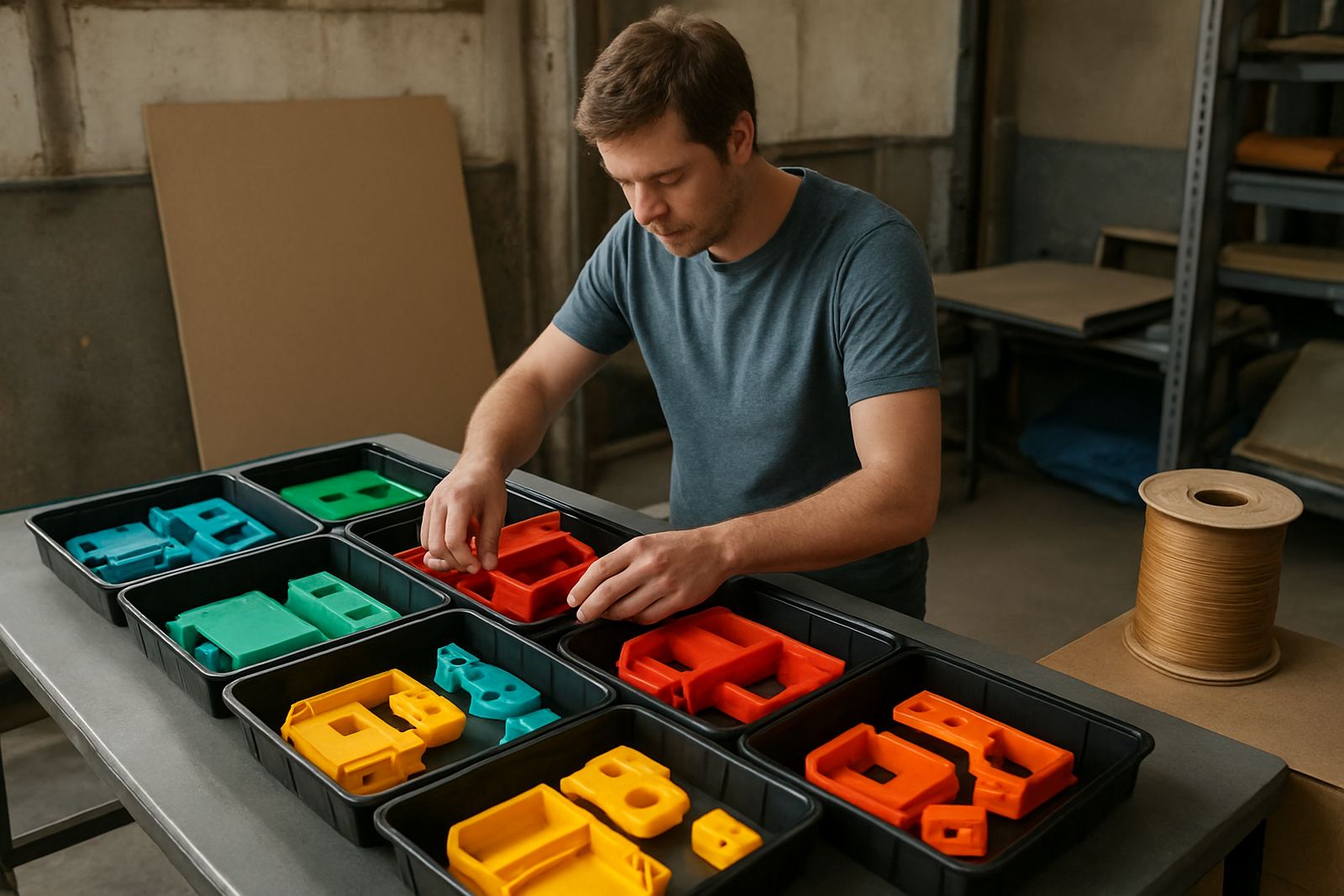
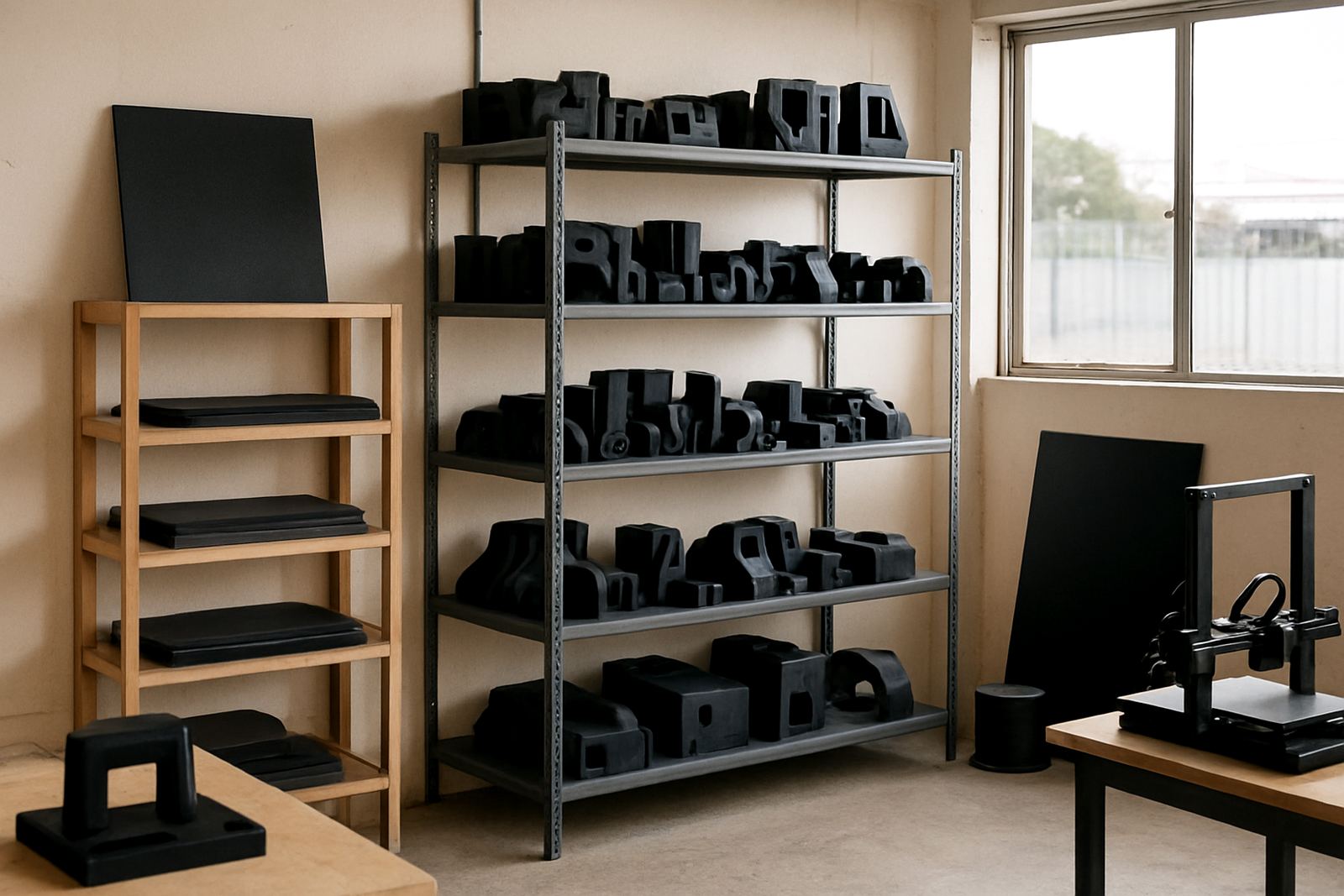
The printed parts performed well in day to day workshop use. The client reported cleaner edges, less snapping at stress points and a better finish on visible parts. The black colour also helped the items blend in with equipment and shelving, which made the final work look more organised. Most importantly, the team could print parts as needed without worrying about the material failing after a few uses.
That result came from choosing the right material rather than forcing a cheaper option to do the same job. For a Milnerton workshop, where jobs can shift quickly and parts may be handled by several people, the reliability of the filament mattered as much as the print settings. The team said the material fed consistently and the parts held up under normal workshop handling, with no fuss.
- Better part strength for repeated handling
- Cleaner appearance on visible fittings
- More consistent feeding during printing
- Less waste from cracked or warped test pieces
What we would do again on a similar job
We would handle the next job the same way, starting with the actual use case rather than the printer alone. For small workshops in and around Cape Town, that means asking what the part does, how often it is used and whether it sits in heat, dust or sunlight. Once that is clear, PETG is often the sensible choice for functional pieces that need a bit more give than standard brittle filament.
We would also keep the supply process simple, with clear labelling, careful packing and a quick courier run from Epping. If the client wanted to scale up, we would suggest batch planning so they can print common parts in one go and keep a small reserve on the shelf. That reduces interruptions, especially when load-shedding or busy shifts make workshop timing tighter than planned.
- Confirm the use case before choosing the spool type
- Keep spare stock sealed and dry
- Plan prints in batches to save time
- Allow for workshop conditions, including dust and heat
Key facts
| Project | Milnerton Maker Parts |
|---|---|
| Client type | Small workshop in Milnerton |
| Material supplied | Black PETG filament |
| Primary use | Strong printed parts for daily workshop handling |
| Location and fulfilment | Prepared in Epping, couriered nationwide |
| Timeline | About 2 weeks from brief to first use |