
Project brief from a Bellville design department
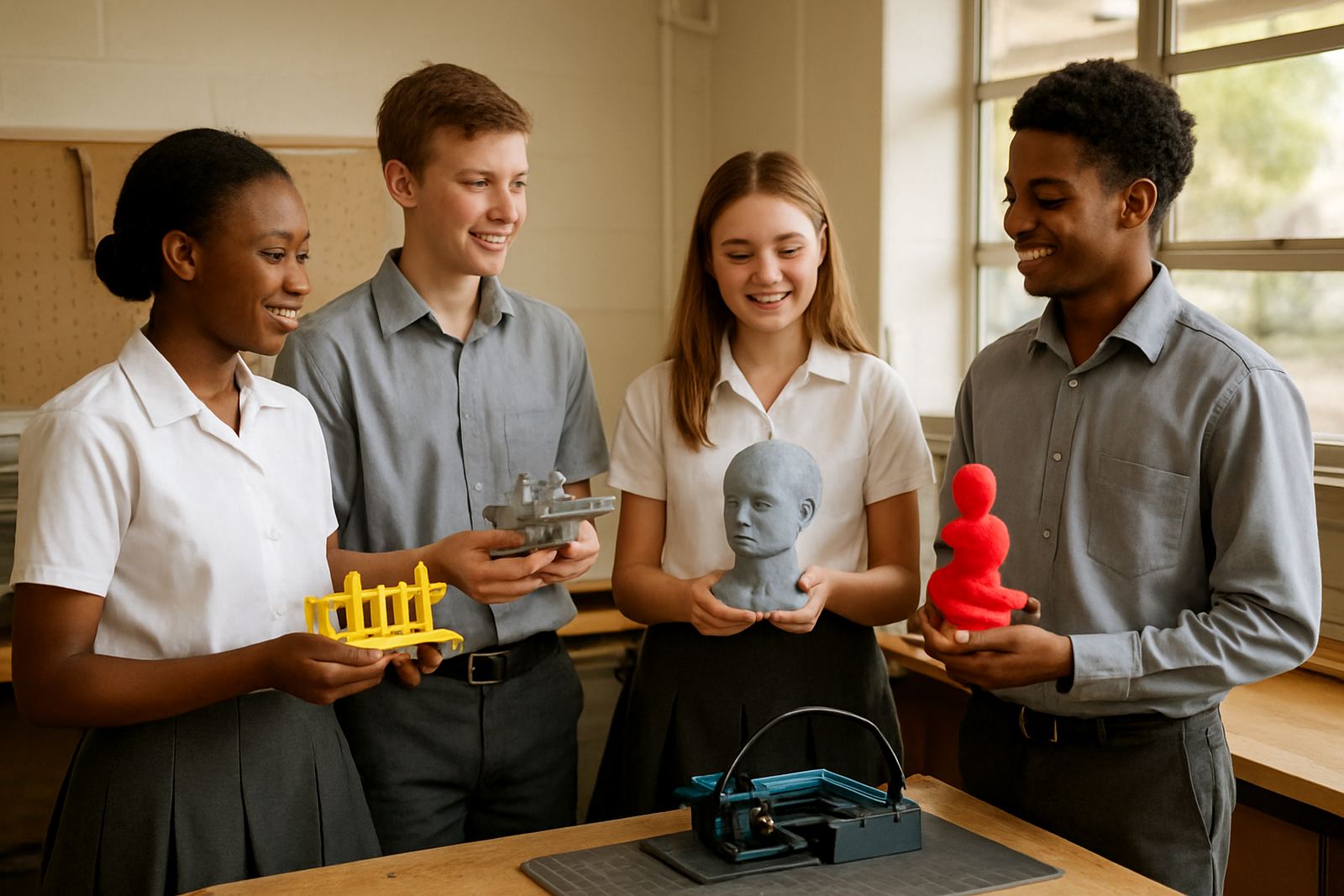
The school was working from its design and technology department in Bellville, with learners producing a steady stream of models for class assessment and exhibition pieces. The brief was simple on paper but quite specific in practice: the prints had to look neat, survive transport between classrooms and keep their shape in Cape Town heat during the day, then cooler evenings after hours.
They wanted a filament that printed cleanly on standard classroom machines and gave better toughness than brittle materials that tend to crack at corners, clips and thin walls. We discussed the intended model sizes, typical nozzle settings and the sort of parts students were producing so the material choice matched the actual work, not just a spec sheet.
Why PETG suited the school models
PETG worked well for this kind of use because it gives a practical balance of strength, flexibility and surface finish. For student models, that matters. Parts need to be handled by different learners, packed up after lessons and shown off in open days without crumbling or splitting along layer lines.
- Material: PETG filament for FDM 3D printing
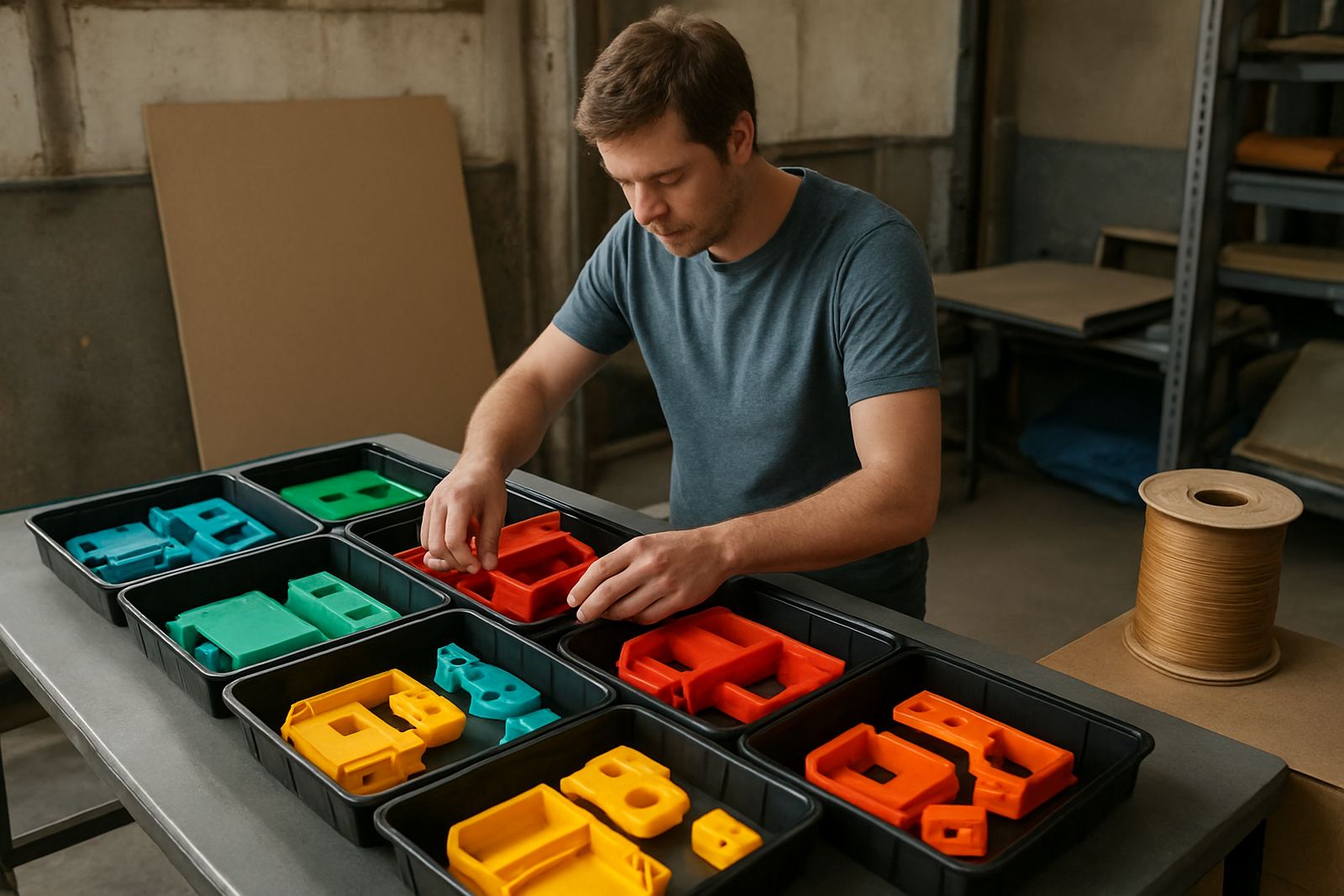
- Common colour supplied: clear and solid colours, depending on the model set
- Nozzle range used: 0.4 mm for most school prints
- Layer heights: 0.2 mm for general classroom work
- Bed temperature guide: around 70 to 85 C
- Print benefit: better toughness than brittle hobby filament options
The school also needed prints that would hold up in a room with mixed ventilation, some winter chill and the occasional power interruption. PETG was a sensible choice because it is less likely to snap during support removal or when a learner is assembling a model under time pressure.
What we supplied and how it was packed
We supplied filament in working quantities suited to a school department, rather than single decorative spools. The order was split for easier storage and issue to staff, so the team could keep one batch for active projects and another sealed for later use. That helped with stock control and reduced the chance of moisture getting into opened material.
Each spool was checked, labelled and packed for couriering to Bellville. We also included material guidance for basic print settings, storage and handling, because school environments usually have multiple users with different levels of experience. When a department is sharing machines across classes, clear job labelling makes a difference and saves time at the printer.
- Supply format: couriered filament spools
- Job handling: labelled by batch for easier department use
- Packing: sealed for transport and moisture control
- Support: practical advice on print settings and storage
- Delivery area: Bellville, with nationwide courier available
Constraints from the classroom and workshop
The biggest constraint was consistency. Student work does not pause for fine-tuning every machine between every lesson, so the filament had to behave predictably across a range of printers and operators. The school also needed enough stock to cover multiple project cycles without constant reordering, especially when assessment dates moved or extra models were required for demonstrations.
Another factor was the kind of model being produced. Some parts were functional, such as brackets, housings and structural pieces, while others were presentation models with finer detail. We advised on infill, wall count and support removal so the department could use the same material across different assignments. A few of the projects used thin sections and clip features, which meant print tuning had to be sensible and not overdone.
Bellville schools can also face storage limits in older buildings, so compact packing and clearly marked stock helped the staff keep material in order. In a busy department, it is easy for one half-used spool to disappear under a shelf if it is not labelled properly.
Timeline and delivery through the project
The full supply cycle took three weeks from first enquiry to the final courier handover. Week one covered the brief, stock confirmation and material advice. During week two we prepared the filament order, checked batch consistency and completed the packing list. In week three the order was dispatched and received in Bellville for use in the next school printing run.
Because the department was planning around class timetables, we kept the communication practical and direct. That meant confirming stock early, setting the delivery window clearly and making sure the packaging could move through courier handling without damage. There was no need for complicated coordination, just steady follow-through and a clean handover.
- Week 1: brief, sizing of stock and print advice
- Week 2: order preparation and labelling
- Week 3: courier dispatch and receipt in Bellville
- Use case: classroom models, assessment pieces and demo parts
Results for the student models
The department reported that the filament gave them the durability they needed for repeated handling, with parts coming off the bed cleanly and holding up well during assembly. The models could be passed from learner to learner without the edges chipping away, which made a difference in classes where the same sample is used across several lessons. Colour consistency was also useful for presentation pieces and grouped student work.
From a teaching point of view, the supply made planning easier because the staff had one dependable material for a range of projects. They could print a basic structure for one group and a more detailed model for another without changing their workflow every time. That matters in a school where the machines may be shared, the schedules are tight and the room has to be ready again by the next period.
The result was a cleaner, more dependable print cycle with less waste from cracked test pieces and fewer do-overs. That saved time and kept the focus on the students' actual design work.
What we would do again for a Bellville school
If we were repeating this job, we would keep the same approach: confirm the model types first, set the material quantity around the term plan and label each batch so the department can manage stock without confusion. For a school environment, that practical structure matters more than overcomplicating the order.
We would also continue to recommend PETG for model work that needs better toughness than brittle alternatives, especially where learners are handling parts often or where models have to travel between rooms. For Bellville and surrounding suburbs, the combination of reliable filament, clear packing and straightforward couriering is the part that keeps the project moving.
If your department is planning student models, exhibition pieces or functional prototypes, we can help with the material choice, batch size and delivery setup so the work stays on schedule.
Key facts
| Project town | Bellville, Cape Town |
|---|---|
| Client type | School design department |
| Product supplied | PETG filament |
| Primary use | Durable student models |
| Delivery method | Couriered nationwide |
| Project duration | 3 weeks |